Aiko Tanaka
Transport and logistics editor, vTourist
Getting around, getting in from the airport, staying connected, and paying for things - the parts of a trip that go wrong quietly. I write routes with the time they actually take rather than the time the map claims, and I am specific about payment: whether a card works, where cash still wins, and which app you cannot install once you have landed.
Editorial standards
- No paid placements. We do not accept payment for a placement, a ranking or a favourable review. Where a link earns a commission, the page carrying it says so.
- No untested claims. We do not say we have tried something we have not. Prices and plan details supplied by a provider are labelled as indicative rather than presented as our own findings.
- No page for the sake of a keyword. A destination gets a page when there is something specific to say about it. That is why the site is small.
- Corrections are made in public. A factual fix is applied to the page and the update date changes with it.
221 pages by Aiko Tanaka
-
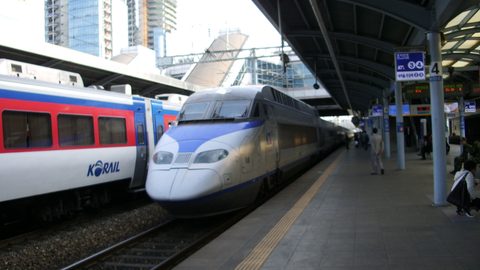
 South Korea Travel Guide for First-Timers Who Want More Than Seoul
South Korea delivers hyper-modern cities, ancient temples, and mountain wilderness in a compact, safe package, but first-timers often underestimate the language barrier outside Seoul.
South Korea Travel Guide for First-Timers Who Want More Than Seoul
South Korea delivers hyper-modern cities, ancient temples, and mountain wilderness in a compact, safe package, but first-timers often underestimate the language barrier outside Seoul.
-
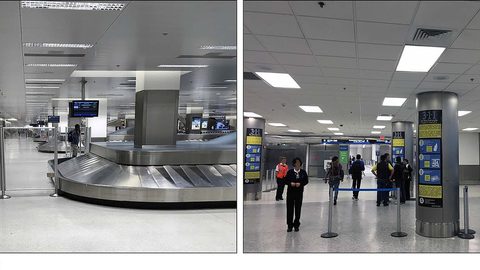
 Flying Into Key West and Getting Out of the Airport
You step off the plane at Key West International Airport and the first thing you notice is the open air.
Flying Into Key West and Getting Out of the Airport
You step off the plane at Key West International Airport and the first thing you notice is the open air.
-
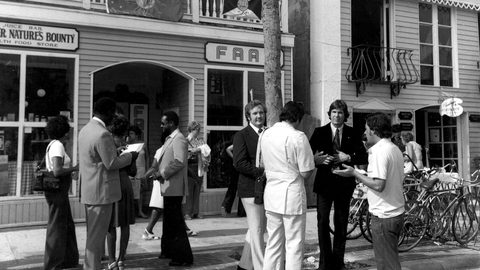 Getting Around Key West Without Wasting Half Your Trip
A rental car in Key West is a liability unless your accommodation includes a dedicated spot; walking, biking, and the free Duval Loop bus handle the rest.
Getting Around Key West Without Wasting Half Your Trip
A rental car in Key West is a liability unless your accommodation includes a dedicated spot; walking, biking, and the free Duval Loop bus handle the rest.
-
 Staying Connected in Zambia With eSIM Local SIM or Neither
A Zambia eSIM or local MTN or Airtel SIM works in towns but not in most national parks. Here is how to plan for the gaps.
Staying Connected in Zambia With eSIM Local SIM or Neither
A Zambia eSIM or local MTN or Airtel SIM works in towns but not in most national parks. Here is how to plan for the gaps.
-
 Getting Around Zambia, What Connects Where and What the Map Oversells
Distances in Zambia are vast and road transfers take double what maps estimate—light aircraft and pre-arranged transfers dominate safari travel.
Getting Around Zambia, What Connects Where and What the Map Oversells
Distances in Zambia are vast and road transfers take double what maps estimate—light aircraft and pre-arranged transfers dominate safari travel.
-
 Zambia Plugs and Voltage, What to Pack for Sockets in Camps and Lodges
Zambia uses Type G sockets at 230V, but remote camps run on generator or solar with limited charging windows and shared stations.
Zambia Plugs and Voltage, What to Pack for Sockets in Camps and Lodges
Zambia uses Type G sockets at 230V, but remote camps run on generator or solar with limited charging windows and shared stations.
-
 Getting Around Georgia Without Losing a Day to the Interstate
A personal car is essential for exploring Georgia, but route choices and Atlanta traffic determine how much of your day actually goes to travel.
Getting Around Georgia Without Losing a Day to the Interstate
A personal car is essential for exploring Georgia, but route choices and Atlanta traffic determine how much of your day actually goes to travel.
-

 United Kingdom Travel Guide by Nation and Region
The United Kingdom is four countries with different rules on everything from prescriptions to school terms, a rail network split across operators where the same seat has three prices, and an ETA scheme that now catches travellers who never needed anything before.
United Kingdom Travel Guide by Nation and Region
The United Kingdom is four countries with different rules on everything from prescriptions to school terms, a rail network split across operators where the same seat has three prices, and an ETA scheme that now catches travellers who never needed anything before.
-
 United Kingdom eSIM Guide: Check uPhone First
Check uPhone first for United Kingdom mobile data, then compare its live terms with a local SIM or confirmed home roaming.
United Kingdom eSIM Guide: Check uPhone First
Check uPhone first for United Kingdom mobile data, then compare its live terms with a local SIM or confirmed home roaming.
-
 Best Time to Visit United Kingdom by Season
When to visit the United Kingdom and what each season actually delivers: unreliable weather year-round, summer crowds in national parks, and specific weeks to avoid in London.
Best Time to Visit United Kingdom by Season
When to visit the United Kingdom and what each season actually delivers: unreliable weather year-round, summer crowds in national parks, and specific weeks to avoid in London.
-
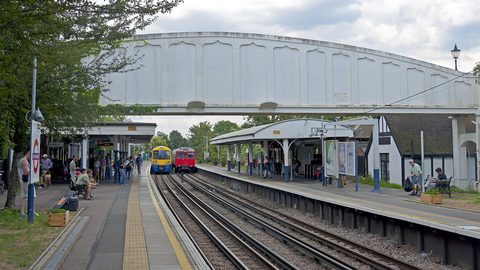 UK Train Travel Guide for Fares and Connections
Moving around the United Kingdom by train, car and coach: why rail fares punish last-minute booking, and what the road map does not tell you about journey times.
UK Train Travel Guide for Fares and Connections
Moving around the United Kingdom by train, car and coach: why rail fares punish last-minute booking, and what the road map does not tell you about journey times.
-
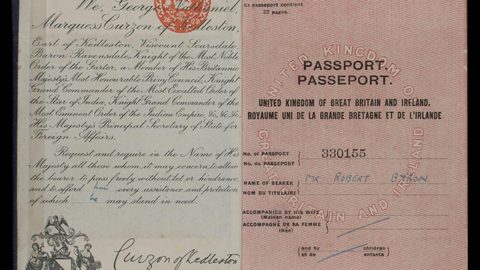 UK ETA Application Requirements and Official Process
Who needs a visa or ETA for the United Kingdom, how the application process runs, and what to expect at the border e-gate.
UK ETA Application Requirements and Official Process
Who needs a visa or ETA for the United Kingdom, how the application process runs, and what to expect at the border e-gate.
-
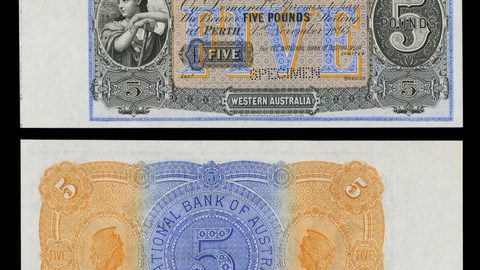 Using Money in the United Kingdom: Cash and Cards
How to pay for things in the United Kingdom: pound sterling, contactless cards, where cash still wins, and why Scottish banknotes confuse English shopkeepers.
Using Money in the United Kingdom: Cash and Cards
How to pay for things in the United Kingdom: pound sterling, contactless cards, where cash still wins, and why Scottish banknotes confuse English shopkeepers.
-
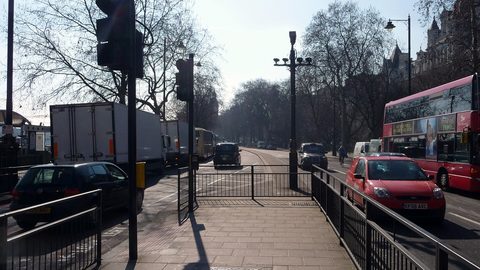 Is the United Kingdom Safe for Tourists?
Reading safety advice about the United Kingdom without being misled by it: real risks like phone-snatching and rip currents versus exaggerated fears about violent crime.
Is the United Kingdom Safe for Tourists?
Reading safety advice about the United Kingdom without being misled by it: real risks like phone-snatching and rip currents versus exaggerated fears about violent crime.
-
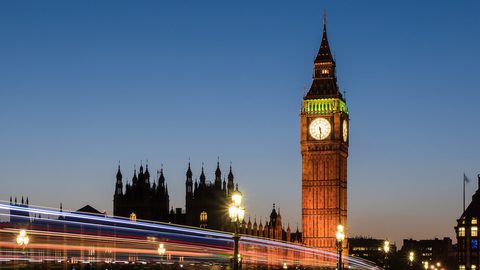 United Kingdom Trip Cost Breakdown by Category
Understand where your money goes on a United Kingdom trip, from the non-negotiable big spends to the choices that genuinely shift the total.
United Kingdom Trip Cost Breakdown by Category
Understand where your money goes on a United Kingdom trip, from the non-negotiable big spends to the choices that genuinely shift the total.
-
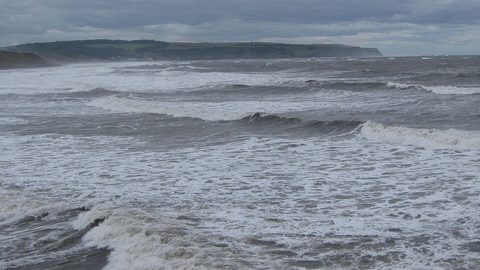 UK Bank Holidays Travel Impact by Nation
The days the United Kingdom closes and the ones that move: bank holidays differ between England, Scotland, Wales and Northern Ireland, and travel on them is expensive and crowded.
UK Bank Holidays Travel Impact by Nation
The days the United Kingdom closes and the ones that move: bank holidays differ between England, Scotland, Wales and Northern Ireland, and travel on them is expensive and crowded.
-
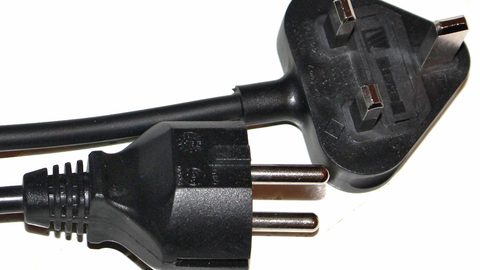 UK Plug Socket Type and Voltage Guide
Sockets, voltage and what to pack for the United Kingdom: Type G plugs with a built-in switch, 230V, and why your phone will not charge in a British bathroom.
UK Plug Socket Type and Voltage Guide
Sockets, voltage and what to pack for the United Kingdom: Type G plugs with a built-in switch, 230V, and why your phone will not charge in a British bathroom.
-
 United Arab Emirates Travel Guide for First-Time Visitors
A practical gazetteer for the United Arab Emirates covering the seven emirates, two major cities, and what to expect beyond the glossy brochures.
United Arab Emirates Travel Guide for First-Time Visitors
A practical gazetteer for the United Arab Emirates covering the seven emirates, two major cities, and what to expect beyond the glossy brochures.
-
UAE eSIM vs Local SIM Card: Why Check uPhone First
How to get mobile data across the UAE with eSIM, local SIM from du or Etisalat, or roaming, and why WhatsApp calls stay blocked regardless.
-
 UAE Best Month to Visit: Seasonal Trade-offs
The UAE's seasons explained honestly: when outdoor dining and desert activities are pleasant, when the summer heat becomes dangerous, and how Ramadan affects travel.
UAE Best Month to Visit: Seasonal Trade-offs
The UAE's seasons explained honestly: when outdoor dining and desert activities are pleasant, when the summer heat becomes dangerous, and how Ramadan affects travel.
-
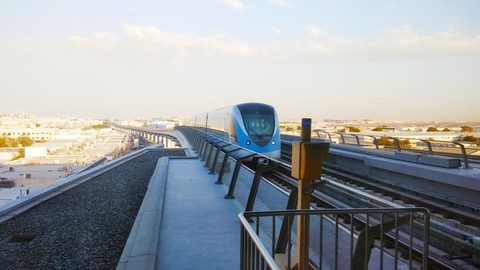 UAE Inter-City Transport Options Without a Car
How to move between Dubai, Abu Dhabi, and the other emirates by bus, taxi, and ride-hailing app, and why there is no train network.
UAE Inter-City Transport Options Without a Car
How to move between Dubai, Abu Dhabi, and the other emirates by bus, taxi, and ride-hailing app, and why there is no train network.
-
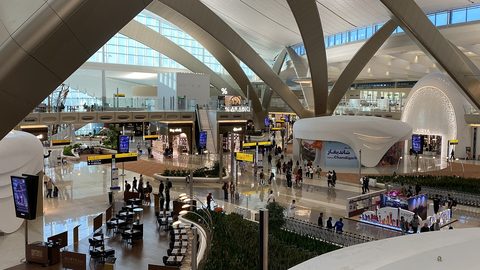 UAE Visa Requirements and Entry on Arrival
Which nationalities get a UAE visa on arrival at Dubai or Abu Dhabi airports, who must apply in advance, and how the entry process actually works.
UAE Visa Requirements and Entry on Arrival
Which nationalities get a UAE visa on arrival at Dubai or Abu Dhabi airports, who must apply in advance, and how the entry process actually works.
-
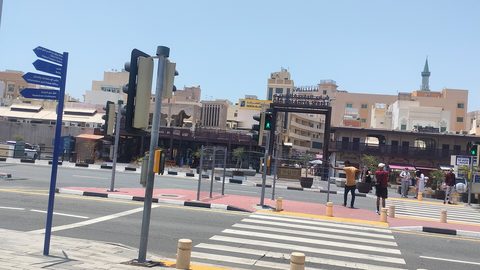 UAE Dirham: Cash or Card for Everyday Payments
How the UAE dirham works, where cards dominate in Dubai and Abu Dhabi, and the specific situations where you still need cash.
UAE Dirham: Cash or Card for Everyday Payments
How the UAE dirham works, where cards dominate in Dubai and Abu Dhabi, and the specific situations where you still need cash.
-
Is UAE Safe for Tourists? Practical Rules and Risks
Genuine safety concerns in the UAE: strict laws on photography, alcohol, and public behaviour, not violent crime, are what visitors need to understand.
-
UAE Trip Cost Breakdown Without a False Daily Figure
How a UAE travel budget actually breaks down across accommodation, transport, food, and attractions, and why the same itinerary can feel reasonable or ruinous.
-
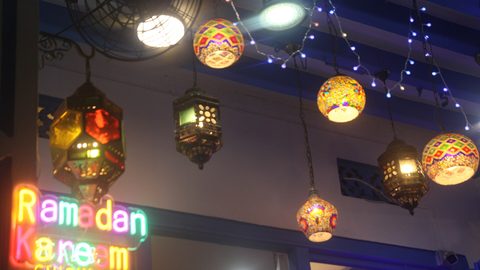 UAE Public Holidays Calendar and Moving Dates
Which UAE public holidays are fixed, which shift with the lunar calendar, and how Eid, Ramadan, and National Day affect roads, hotels, and opening hours.
UAE Public Holidays Calendar and Moving Dates
Which UAE public holidays are fixed, which shift with the lunar calendar, and how Eid, Ramadan, and National Day affect roads, hotels, and opening hours.
-
UAE Plug Type and Voltage: What to Pack
The UAE uses Type G sockets at 230V, identical to the UK. What travellers from Europe, North America, and elsewhere need to plug in.
-
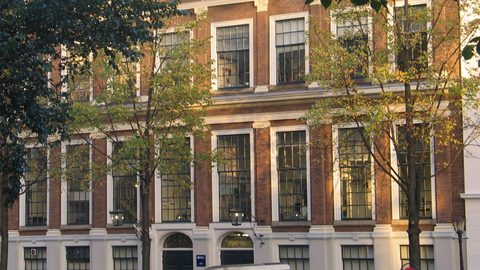
 Planning a Trip to the Netherlands Beyond Amsterdam
The Netherlands is a compact, water-engineered country where bicycles rule, weather shifts without warning, and directness is a cultural norm, not rudeness.
Planning a Trip to the Netherlands Beyond Amsterdam
The Netherlands is a compact, water-engineered country where bicycles rule, weather shifts without warning, and directness is a cultural norm, not rudeness.
-
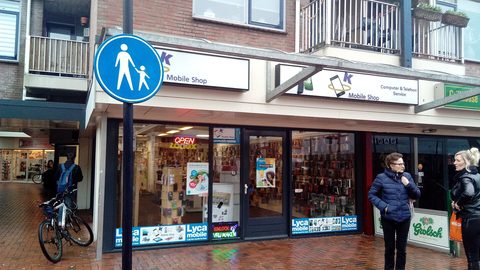 Netherlands eSIM for Travel: uPhone, Local SIM or Roaming
Compare eSIM, local SIM, and roaming options for The Netherlands, where 5G coverage is near-universal but NS train Wi-Fi has limits.
Netherlands eSIM for Travel: uPhone, Local SIM or Roaming
Compare eSIM, local SIM, and roaming options for The Netherlands, where 5G coverage is near-universal but NS train Wi-Fi has limits.
-
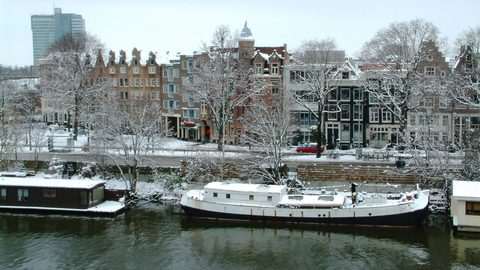 Best Month to Visit Netherlands: Seasonal Trade-offs
April brings tulips and King's Day crowds. July and August are warmest but rainy. Winter closes many small-town attractions. Choose your season by the trade-offs.
Best Month to Visit Netherlands: Seasonal Trade-offs
April brings tulips and King's Day crowds. July and August are warmest but rainy. Winter closes many small-town attractions. Choose your season by the trade-offs.
-
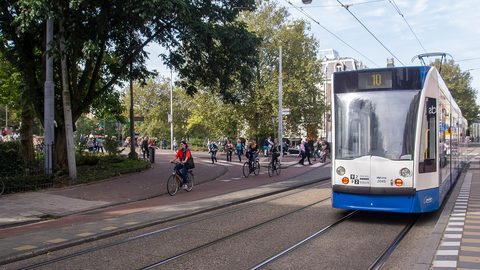 Netherlands Train Travel Guide for Journeys That Work
Dutch trains are excellent, but checking in on the wrong card reader when changing operators can get you fined. Here is how the system works.
Netherlands Train Travel Guide for Journeys That Work
Dutch trains are excellent, but checking in on the wrong card reader when changing operators can get you fined. Here is how the system works.
-
 Netherlands Schengen Visa Requirements and Application Process
Whether you need a visa for the Netherlands depends on your passport. Here is the Schengen application process, required documents, and realistic timelines.
Netherlands Schengen Visa Requirements and Application Process
Whether you need a visa for the Netherlands depends on your passport. Here is the Schengen application process, required documents, and realistic timelines.
-
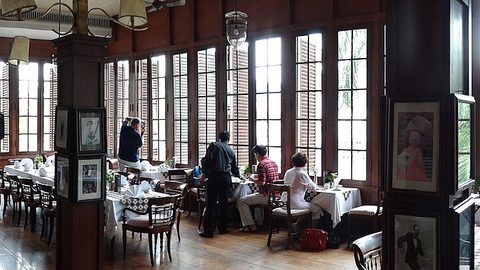 Using Credit Cards in the Netherlands Without Declines
Many Dutch shops refuse Visa and Mastercard. Here is why, where cards work, where cash still matters, and how OVpay changes transport payments.
Using Credit Cards in the Netherlands Without Declines
Many Dutch shops refuse Visa and Mastercard. Here is why, where cards work, where cash still matters, and how OVpay changes transport payments.
-
 Is the Netherlands Safe for Tourists? Practical Risks
The Netherlands is safe by every statistic, but bicycle-path collisions and pickpocketing on Amsterdam trams are the real visitor risks to understand.
Is the Netherlands Safe for Tourists? Practical Risks
The Netherlands is safe by every statistic, but bicycle-path collisions and pickpocketing on Amsterdam trams are the real visitor risks to understand.
-
 Netherlands Trip Cost Breakdown Without a False Daily Figure
Understand the shape of Netherlands travel costs: where money goes, why accommodation spikes unpredictably, and how to budget without a fixed daily figure.
Netherlands Trip Cost Breakdown Without a False Daily Figure
Understand the shape of Netherlands travel costs: where money goes, why accommodation spikes unpredictably, and how to budget without a fixed daily figure.
-
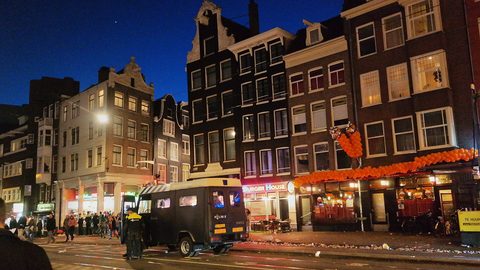 Netherlands Public Holidays Closures and Travel Impact
King's Day shuts transport. Christmas closes nearly everything. Many shops close Sundays outside big cities. Here are the dates to plan around.
Netherlands Public Holidays Closures and Travel Impact
King's Day shuts transport. Christmas closes nearly everything. Many shops close Sundays outside big cities. Here are the dates to plan around.
-
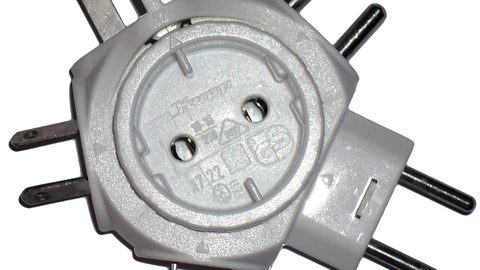 Netherlands Power Plug Type, Voltage and Adapters
The Netherlands uses Type C and Type F sockets at 230V. Recessed Dutch sockets can defeat bulky universal adapters. Pack the right plug.
Netherlands Power Plug Type, Voltage and Adapters
The Netherlands uses Type C and Type F sockets at 230V. Recessed Dutch sockets can defeat bulky universal adapters. Pack the right plug.
-
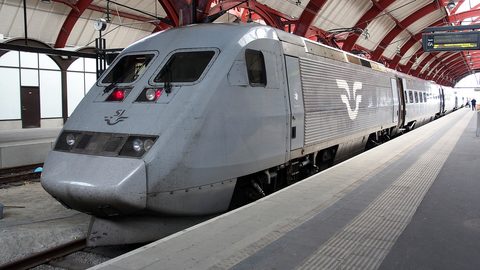
 Getting Around Sweden, Trains, Cars and What the Map Oversells
SJ trains connect Swedish cities but mandatory seat reservations sell out, regional buses require apps or contactless cards, and distances between north and
Getting Around Sweden, Trains, Cars and What the Map Oversells
SJ trains connect Swedish cities but mandatory seat reservations sell out, regional buses require apps or contactless cards, and distances between north and
-
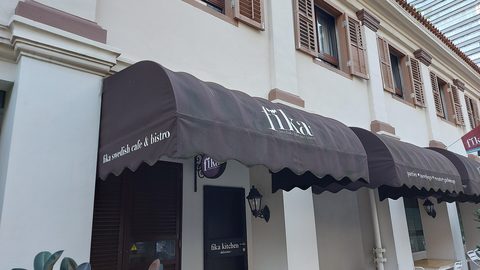 Paying for Things in Sweden, Cards, Krona and Where Cash Still Works
Sweden is effectively cashless and many places refuse cash entirely, but the Swish payment app requires a Swedish bank account, leaving tourists reliant on cards.
Paying for Things in Sweden, Cards, Krona and Where Cash Still Works
Sweden is effectively cashless and many places refuse cash entirely, but the Swish payment app requires a Swedish bank account, leaving tourists reliant on cards.
-
 Sweden Power Plugs, Voltage and What to Actually Pack for Charging
Sweden uses Type F Schuko plugs at 230V and 50Hz, and USB ports are common on SJ trains but not guaranteed in remote Lapland cabins.
Sweden Power Plugs, Voltage and What to Actually Pack for Charging
Sweden uses Type F Schuko plugs at 230V and 50Hz, and USB ports are common on SJ trains but not guaranteed in remote Lapland cabins.
-
 Staying Connected in Sweden With eSIM, Local SIM or Roaming
Compare eSIM, local SIM cards from Comviq or Telia, and roaming for Sweden, including the dead zones in Sarek and Padjelanta where offline maps are essential.
Staying Connected in Sweden With eSIM, Local SIM or Roaming
Compare eSIM, local SIM cards from Comviq or Telia, and roaming for Sweden, including the dead zones in Sarek and Padjelanta where offline maps are essential.
-
 Staying Connected in Spain With eSIM, a Local SIM, or Just WiFi
Weighing an eSIM against a Spanish shop-bought SIM against free WiFi, with the passport-registration rule that makes airport SIM queues a grind.
Staying Connected in Spain With eSIM, a Local SIM, or Just WiFi
Weighing an eSIM against a Spanish shop-bought SIM against free WiFi, with the passport-registration rule that makes airport SIM queues a grind.
-
 Getting Around Spain Without Believing the Distance Map
Spain's high-speed trains shrink the map, but the gaps between lines and Renfe's payment quirks can derail a tight itinerary.
Getting Around Spain Without Believing the Distance Map
Spain's high-speed trains shrink the map, but the gaps between lines and Renfe's payment quirks can derail a tight itinerary.
-
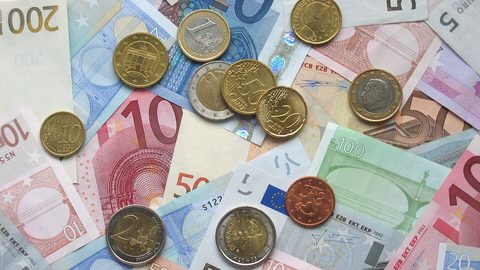 Cash or Card in Spain and Where the Euro Still Demands Coins
Spain takes contactless almost everywhere, until it does not. Small bars, market stalls, and rural buses still run on coins. Here is what to carry and when.
Cash or Card in Spain and Where the Euro Still Demands Coins
Spain takes contactless almost everywhere, until it does not. Small bars, market stalls, and rural buses still run on coins. Here is what to carry and when.
-
Spain Plug Type and Voltage and the Adapter You Actually Need
Spain uses Type C and F plugs at 230V. Most phone and laptop chargers work with a simple adapter, but single-voltage devices need a converter.
-
 South Africa Plug Type, Voltage, and What Power Adapter to Pack
South Africa uses Type M plugs and 230V. But the real power issue is load shedding—rolling blackouts that affect charging, traffic lights, and accommodation daily.
South Africa Plug Type, Voltage, and What Power Adapter to Pack
South Africa uses Type M plugs and 230V. But the real power issue is load shedding—rolling blackouts that affect charging, traffic lights, and accommodation daily.
-
 Staying connected in South Africa with eSIM, local SIM, or both
Why an eSIM alone fails in rural South Africa and how to combine it with a physical Vodacom or MTN SIM registered at the airport.
Staying connected in South Africa with eSIM, local SIM, or both
Why an eSIM alone fails in rural South Africa and how to combine it with a physical Vodacom or MTN SIM registered at the airport.
-
 Getting Around South Africa, Self-Drive, Flights, and the Baz Bus
Self-driving a rental car is how most travellers see South Africa. What connects where, when to fly, and what the map oversells about public transport.
Getting Around South Africa, Self-Drive, Flights, and the Baz Bus
Self-driving a rental car is how most travellers see South Africa. What connects where, when to fly, and what the map oversells about public transport.
-

 Staying Connected in Slovenia Without the Roaming Panic
A practical comparison of eSIM, local SIM, and roaming for Slovenia, with notes on where coverage drops in the Julian Alps.
Staying Connected in Slovenia Without the Roaming Panic
A practical comparison of eSIM, local SIM, and roaming for Slovenia, with notes on where coverage drops in the Julian Alps.
-
 Getting Around Slovenia by Car, Bus and the Gaps in Between
A rental car is the most practical way to see Slovenia, but rural roads, seasonal passes and limited public transport to trailheads change the map.
Getting Around Slovenia by Car, Bus and the Gaps in Between
A rental car is the most practical way to see Slovenia, but rural roads, seasonal passes and limited public transport to trailheads change the map.
-
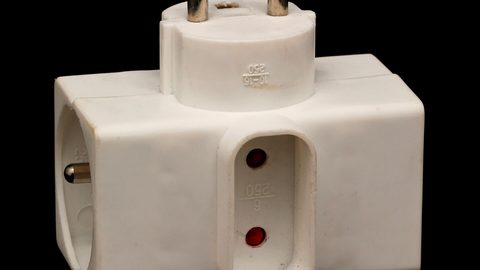 Slovenia Plugs, Voltage and What to Pack for Charging
Slovenia uses standard EU Type C and F sockets at 230V, but mountain huts often have limited charging, so pack a power bank for hikes.
Slovenia Plugs, Voltage and What to Pack for Charging
Slovenia uses standard EU Type C and F sockets at 230V, but mountain huts often have limited charging, so pack a power bank for hikes.
-
 Staying Connected in Slovakia Without Roaming Fees
A practical comparison of eSIM and local Slovak SIM cards for travellers, including coverage gaps in the High Tatras and rural areas.
Staying Connected in Slovakia Without Roaming Fees
A practical comparison of eSIM and local Slovak SIM cards for travellers, including coverage gaps in the High Tatras and rural areas.
-
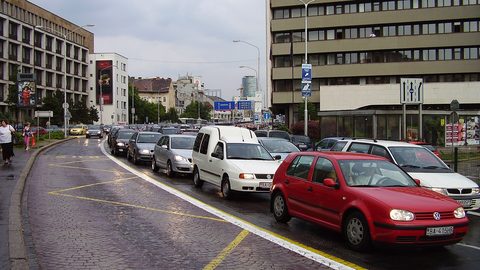 Getting Around Slovakia by Train Bus and the Gaps Between
Slovak trains link major towns well, but regional buses fill the gaps and mountain routes take longer than the map suggests.
Getting Around Slovakia by Train Bus and the Gaps Between
Slovak trains link major towns well, but regional buses fill the gaps and mountain routes take longer than the map suggests.
-
 Slovakia Plug Sockets Voltage and What to Pack for Charging
Slovakia uses type E sockets at 230V, and charging points on trains and in High Tatras huts are not guaranteed.
Slovakia Plug Sockets Voltage and What to Pack for Charging
Slovakia uses type E sockets at 230V, and charging points on trains and in High Tatras huts are not guaranteed.
-
 Staying Connected in Serbia With eSIM, a Local SIM, or Just WiFi
Comparing eSIM convenience, local prepaid SIM costs, and the mountain coverage gaps that make offline maps essential in Serbia.
Staying Connected in Serbia With eSIM, a Local SIM, or Just WiFi
Comparing eSIM convenience, local prepaid SIM costs, and the mountain coverage gaps that make offline maps essential in Serbia.
-
 Getting around Serbia by bus train and the roads the map oversells
Serbia's intercity bus network reaches villages trains miss, but expect delays, cash luggage fees paid to the driver, and unreliable departure boards at
Getting around Serbia by bus train and the roads the map oversells
Serbia's intercity bus network reaches villages trains miss, but expect delays, cash luggage fees paid to the driver, and unreliable departure boards at
-
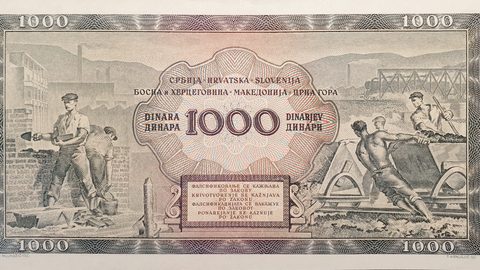 Cash and cards in Serbia what you will actually need dinars for
Cards work in Serbian city centres but cash in dinars is essential for intercity bus luggage fees, village restaurants, and rural shops where terminals are rare.
Cash and cards in Serbia what you will actually need dinars for
Cards work in Serbian city centres but cash in dinars is essential for intercity bus luggage fees, village restaurants, and rural shops where terminals are rare.
-
Serbia power sockets voltage and the adapter you will actually pack
Serbia uses Type F Schuko sockets at 230V. Most phone and laptop chargers work fine, but North American hair dryers need a step-down transformer.
-
 Staying Connected in Russia With eSIM Local SIM or Roaming
How to get a working mobile connection in Russia, why a passport is required, and where the signal disappears on long train routes.
Staying Connected in Russia With eSIM Local SIM or Roaming
How to get a working mobile connection in Russia, why a passport is required, and where the signal disappears on long train routes.
-
 Getting Around Russia by Train Bus and Ride Hailing
Russian Railways, marshrutka, elektrichka, and Yandex Go. How Russia actually connects and what the map oversells for travellers.
Getting Around Russia by Train Bus and Ride Hailing
Russian Railways, marshrutka, elektrichka, and Yandex Go. How Russia actually connects and what the map oversells for travellers.
-
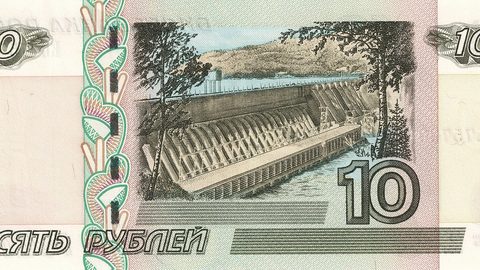 Paying for Things in Russia With Rubles and Cards
Russian rubles, Mir cards, and where cash still wins. What foreign visitors can and cannot pay with across Russia today.
Paying for Things in Russia With Rubles and Cards
Russian rubles, Mir cards, and where cash still wins. What foreign visitors can and cannot pay with across Russia today.
-
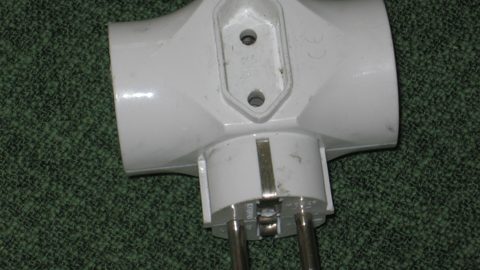 Russia Power Sockets Voltage and What to Pack
Russia uses 220V and European two-pin sockets. What plug type you need, what converter to pack, and what to leave at home.
Russia Power Sockets Voltage and What to Pack
Russia uses 220V and European two-pin sockets. What plug type you need, what converter to pack, and what to leave at home.
-
 Portugal Power Plugs, Voltage and What to Pack for the Socket
Portugal uses Type F sockets at 230V. Most modern chargers work fine, but North American travellers should check hair tools for voltage compatibility.
Portugal Power Plugs, Voltage and What to Pack for the Socket
Portugal uses Type F sockets at 230V. Most modern chargers work fine, but North American travellers should check hair tools for voltage compatibility.
-
 Staying connected in Portugal with eSIM, local SIM or roaming
Compare eSIM, local SIM from MEO or Vodafone, and roaming for Portugal. Avoid airport kiosk markups and understand rural coverage gaps.
Staying connected in Portugal with eSIM, local SIM or roaming
Compare eSIM, local SIM from MEO or Vodafone, and roaming for Portugal. Avoid airport kiosk markups and understand rural coverage gaps.
-
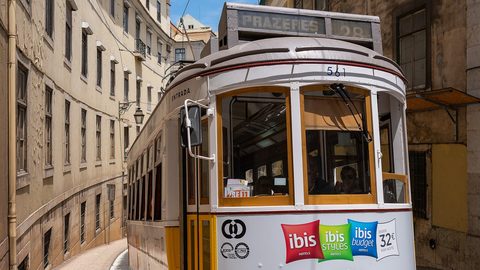 Getting Around Portugal, Trains, Buses and the Interior Gap
Portugal's rail network is a coastal spine with thin branches. Express trains need seat reservations, the interior needs a bus or car, and Bolt is cheaper
Getting Around Portugal, Trains, Buses and the Interior Gap
Portugal's rail network is a coastal spine with thin branches. Express trains need seat reservations, the interior needs a bus or car, and Bolt is cheaper
-
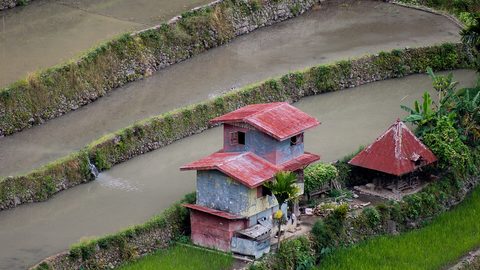
 Staying Connected in the Philippines with eSIM, Local SIM or Pocket Wi-Fi
Choosing between a Philippines eSIM, local Globe or Smart SIM, or pocket Wi-Fi depends on which islands you visit and how much offline backup you plan for
Staying Connected in the Philippines with eSIM, Local SIM or Pocket Wi-Fi
Choosing between a Philippines eSIM, local Globe or Smart SIM, or pocket Wi-Fi depends on which islands you visit and how much offline backup you plan for
-
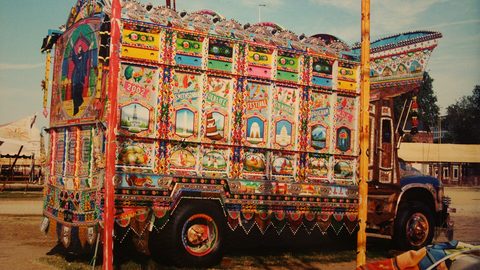 Getting Around the Philippines, Ferries, Flights, and Why the Map Lies
Domestic flights, RORO ferries, fast cats, bangkas, jeepneys, and tricycles—here is how Philippine transport actually works, and why every journey takes
Getting Around the Philippines, Ferries, Flights, and Why the Map Lies
Domestic flights, RORO ferries, fast cats, bangkas, jeepneys, and tricycles—here is how Philippine transport actually works, and why every journey takes
-
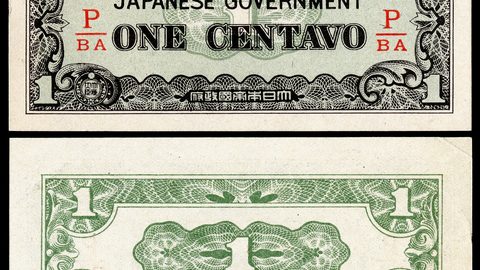 Money in the Philippines, Cash Rules, ATM Reliability, and What Cards Actually Work
The Philippines runs on cash, especially on small islands where ATMs are scarce and often offline.
Money in the Philippines, Cash Rules, ATM Reliability, and What Cards Actually Work
The Philippines runs on cash, especially on small islands where ATMs are scarce and often offline.
-
Philippines Power Plugs, Socket Type, Voltage, and What to Pack for Brownouts
The Philippines uses Type A, B, and C sockets at 220V. More important: small islands run on single power grids, and brownouts lasting hours are routine—pack a
-
 Staying Connected in Pakistan, eSIM, Local SIM, and Northern Dead Zones
Mobile internet in Pakistan works well in cities, frays north of Gilgit, and dies above Karimabad—here is how to plan connectivity around the Karakoram's dead zones.
Staying Connected in Pakistan, eSIM, Local SIM, and Northern Dead Zones
Mobile internet in Pakistan works well in cities, frays north of Gilgit, and dies above Karimabad—here is how to plan connectivity around the Karakoram's dead zones.
-
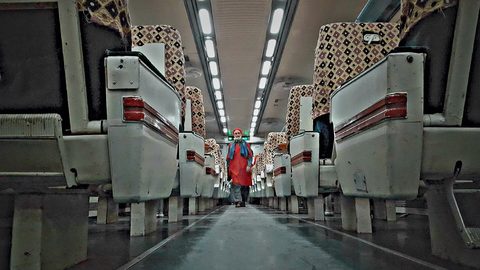 Getting Around Pakistan, Buses, Shared Vans and the Roads Google Maps Lies About
Long-distance buses connect Punjab and Sindh reliably. For the north, shared Toyota Hiace vans and hired 4x4s are the default.
Getting Around Pakistan, Buses, Shared Vans and the Roads Google Maps Lies About
Long-distance buses connect Punjab and Sindh reliably. For the north, shared Toyota Hiace vans and hired 4x4s are the default.
-
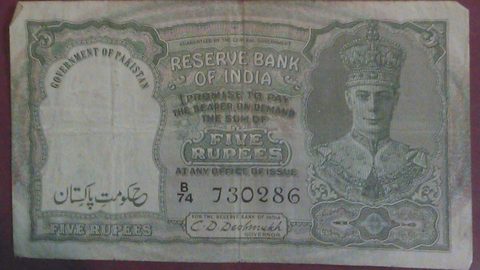 Cash, Cards and the Pakistani Rupee, How to Pay Across Pakistan
Pakistan is a cash economy. ATMs are scarce north of Gilgit, card machines fail with power cuts, and no transport network accepts cards.
Cash, Cards and the Pakistani Rupee, How to Pay Across Pakistan
Pakistan is a cash economy. ATMs are scarce north of Gilgit, card machines fail with power cuts, and no transport network accepts cards.
-
 Pakistan Plugs, Voltage and What to Pack for Unreliable Power
Pakistan uses Type C and Type D plugs at 230V. Power cuts are common, voltage surges can damage electronics, and electricity is unreliable north of Gilgit.
Pakistan Plugs, Voltage and What to Pack for Unreliable Power
Pakistan uses Type C and Type D plugs at 230V. Power cuts are common, voltage surges can damage electronics, and electricity is unreliable north of Gilgit.
-

 New Zealand Travel Guide, Two Islands, One Self-Drive Country
New Zealand packs glaciers, fjords, rainforest, and volcanoes into two narrow islands.
New Zealand Travel Guide, Two Islands, One Self-Drive Country
New Zealand packs glaciers, fjords, rainforest, and volcanoes into two narrow islands.
-
Staying connected in New Zealand eSIM local SIM or offline maps
New Zealand cannot fix its mobile service. No carrier will, because the geography does not permit it.
-
 Getting Around New Zealand, Why Self-Drive Is the Default and What the Map Hides
New Zealand has no efficient inter-regional public transport. A rental car is the default, and driving times are far longer than the map suggests.
Getting Around New Zealand, Why Self-Drive Is the Default and What the Map Hides
New Zealand has no efficient inter-regional public transport. A rental car is the default, and driving times are far longer than the map suggests.
-
 New Zealand Power Plugs and Voltage, What to Actually Pack for the Socket
New Zealand uses the Type I three-pin plug at 230V. Australian devices fit without an adapter, but everyone else needs one—and motel sockets are often scarce.
New Zealand Power Plugs and Voltage, What to Actually Pack for the Socket
New Zealand uses the Type I three-pin plug at 230V. Australian devices fit without an adapter, but everyone else needs one—and motel sockets are often scarce.
-

 Staying Connected in Japan eSIM Pocket Wi-Fi or Local SIM Compared
Free public Wi‑Fi in Japan is a trap. The networks that exist under names like Japan Connected free Wi‑Fi and city‑specific SSIDs require a sign‑up portal tha
Staying Connected in Japan eSIM Pocket Wi-Fi or Local SIM Compared
Free public Wi‑Fi in Japan is a trap. The networks that exist under names like Japan Connected free Wi‑Fi and city‑specific SSIDs require a sign‑up portal tha
-
 Getting Around Japan Trains IC Cards and What the Map Oversells
The Japan Rail Pass is no longer an automatic buy. How to calculate if it pays off, which trains it excludes, and how IC cards actually work across regions.
Getting Around Japan Trains IC Cards and What the Map Oversells
The Japan Rail Pass is no longer an automatic buy. How to calculate if it pays off, which trains it excludes, and how IC cards actually work across regions.
-
 Cash and Cards in Japan How You Will Actually Pay for Things
Japan runs on cash more than its robot reputation suggests. Where cards work, where they do not, and how to keep enough yen on hand without carrying too much.
Cash and Cards in Japan How You Will Actually Pay for Things
Japan runs on cash more than its robot reputation suggests. Where cards work, where they do not, and how to keep enough yen on hand without carrying too much.
-
Japan Power Plugs Voltage and What to Pack for the Sockets
Japanese sockets take two-prong plugs at 100 volts. North American devices fit but may run slow, and three-prong or round-pin plugs need an adapter you can
-
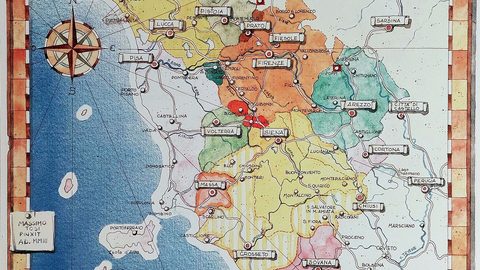
 Staying Connected in Italy With eSIM, Local SIM or Roaming
eSIM, local SIM, or roaming: which keeps you connected across Italy's cities, hill towns, and coastal dead zones, and what each path actually requires.
Staying Connected in Italy With eSIM, Local SIM or Roaming
eSIM, local SIM, or roaming: which keeps you connected across Italy's cities, hill towns, and coastal dead zones, and what each path actually requires.
-
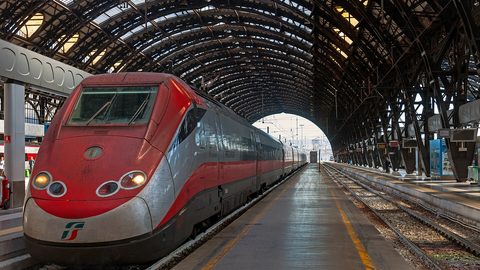 Getting Around Italy by Train, Car and Ferry Without the Common Mistakes
How to move around Italy by train, car, and ferry, and what the map oversells. The real friction points of Italian transport.
Getting Around Italy by Train, Car and Ferry Without the Common Mistakes
How to move around Italy by train, car, and ferry, and what the map oversells. The real friction points of Italian transport.
-
 Cash or Card in Italy, How You Will Actually Pay for Things
How to pay for things in Italy: when to use cash, when cards work, and what the coperto and tourist tax add to every bill.
Cash or Card in Italy, How You Will Actually Pay for Things
How to pay for things in Italy: when to use cash, when cards work, and what the coperto and tourist tax add to every bill.
-
 Italy Power Plugs Voltage and the Adapter You Actually Need
What power plugs Italy uses, what voltage to expect, and which adapter to pack. The Type L and Type F socket situation explained.
Italy Power Plugs Voltage and the Adapter You Actually Need
What power plugs Italy uses, what voltage to expect, and which adapter to pack. The Type L and Type F socket situation explained.
-
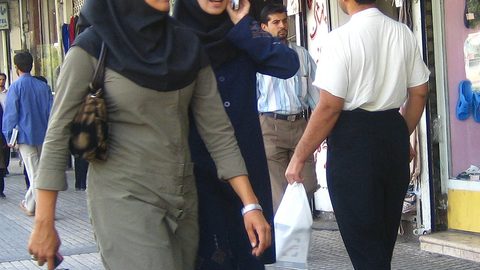
 Staying Connected in Iran Without Expensive Roaming
Why a physical Irancell or Hamrah-e Aval SIM registered with your passport is the only real data option in Iran, and why your VPN must be installed before landing.
Staying Connected in Iran Without Expensive Roaming
Why a physical Irancell or Hamrah-e Aval SIM registered with your passport is the only real data option in Iran, and why your VPN must be installed before landing.
-
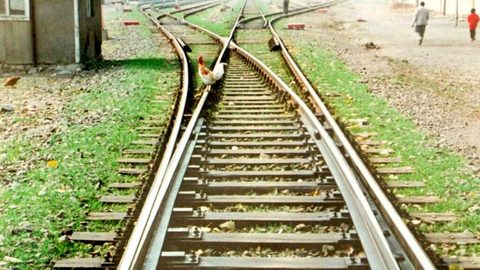 Getting Around Iran by VIP Bus Train and Snapp Taxi
Iran's VIP overnight buses connect major cities, but terminals sit far from centres, and you need cash plus a Snapp taxi to make the system work.
Getting Around Iran by VIP Bus Train and Snapp Taxi
Iran's VIP overnight buses connect major cities, but terminals sit far from centres, and you need cash plus a Snapp taxi to make the system work.
-
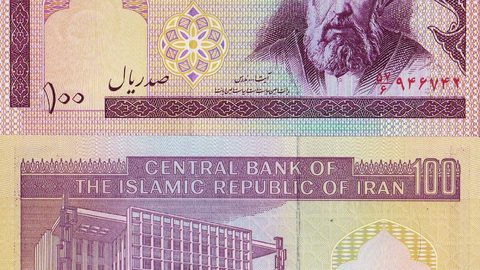 How to Pay for Things in Iran Without International Cards
No international cards work in Iran. You must carry pristine US dollars or euros and exchange them at licensed shops for Iranian rials.
How to Pay for Things in Iran Without International Cards
No international cards work in Iran. You must carry pristine US dollars or euros and exchange them at licensed shops for Iranian rials.
-
Iran Plug Type Voltage and What to Pack for Charging
Iran uses a specific plug type and voltage standard. Check your devices and pack the right adapter before you land at IKA.
-
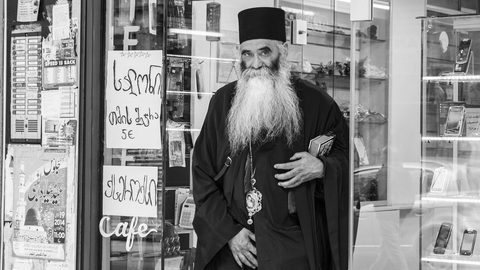
 Staying Connected in Greece With eSIM Local SIM or Roaming
How to choose between eSIM, a local Cosmote SIM, or roaming for reliable mobile data across Greek islands, ferries, and mountain villages.
Staying Connected in Greece With eSIM Local SIM or Roaming
How to choose between eSIM, a local Cosmote SIM, or roaming for reliable mobile data across Greek islands, ferries, and mountain villages.
-
 Getting Around Greece by Ferry, Bus and Car, What the Map Oversells
Moving around Greece: what connects where, why the ferry network dominates, and what the map oversells about island-hopping speed.
Getting Around Greece by Ferry, Bus and Car, What the Map Oversells
Moving around Greece: what connects where, why the ferry network dominates, and what the map oversells about island-hopping speed.
-
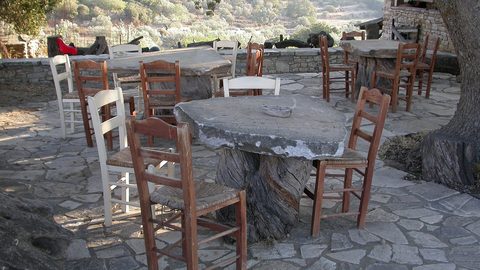 Cash or Card in Greece, What Actually Works in Tavernas, Taxis and on Ferries
Paying for things in Greece: the euro, where cards work reliably, and the situations where cash still wins.
Cash or Card in Greece, What Actually Works in Tavernas, Taxis and on Ferries
Paying for things in Greece: the euro, where cards work reliably, and the situations where cash still wins.
-
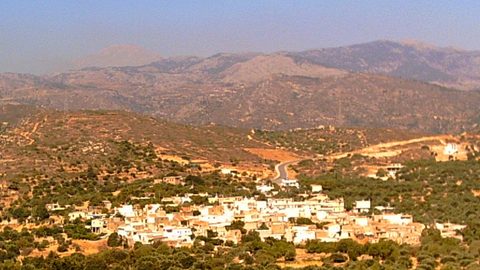 Greece Public Holidays That Close Museums, Shops and Ferry Services
The days Greece closes: fixed national holidays, the Orthodox Easter week shutdown, and local saint days that catch visitors out.
Greece Public Holidays That Close Museums, Shops and Ferry Services
The days Greece closes: fixed national holidays, the Orthodox Easter week shutdown, and local saint days that catch visitors out.
-
Greece Power Sockets, Voltage and the Adapter You Actually Need
Sockets, voltage and what to actually pack for Greece: standard European plugs, 230V, and a power bank for small-island outages.
-
 Staying connected in Finland with eSIM, local SIM or roaming
Finland has blanket 4G and 5G signal even on remote Lapland fells. The question is not whether you will get a connection but whether you want to pay roaming r
Staying connected in Finland with eSIM, local SIM or roaming
Finland has blanket 4G and 5G signal even on remote Lapland fells. The question is not whether you will get a connection but whether you want to pay roaming r
-
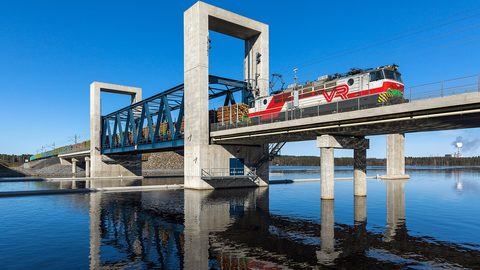 Getting Around Finland, VR Trains, Matkahuolto Buses and the Gaps
Finland's long-distance network splits between VR trains and Matkahuolto buses with no integrated ticket. This page explains the connections and the gaps.
Getting Around Finland, VR Trains, Matkahuolto Buses and the Gaps
Finland's long-distance network splits between VR trains and Matkahuolto buses with no integrated ticket. This page explains the connections and the gaps.
-
Finland Power Plugs and Voltage, What to Pack for Sockets in the North
Finland uses Type F Schuko sockets at 230V. This page explains what adapter to pack, where to charge on VR trains, and what to expect at Helsinki airport.
-

 Vienna Airport to the Centre CAT S-Bahn and Why the Fast Train Rarely Wins
The CAT train is marketed as the fast option from Vienna Airport, but the S-Bahn S7 is nearly as quick and far cheaper.
Vienna Airport to the Centre CAT S-Bahn and Why the Fast Train Rarely Wins
The CAT train is marketed as the fast option from Vienna Airport, but the S-Bahn S7 is nearly as quick and far cheaper.
-
 Day Trips From Vienna by Train, and the One That Works by Boat
Bratislava, Melk Abbey, and the Wachau Valley are Vienna's practical day trips by train—but the Wachau boat between Krems and Melk is the one river journey
Day Trips From Vienna by Train, and the One That Works by Boat
Bratislava, Melk Abbey, and the Wachau Valley are Vienna's practical day trips by train—but the Wachau boat between Krems and Melk is the one river journey
-
 Vienna or Prague, and Why Four Hours on the Train Separates Two Different Trips
Vienna and Prague are four hours apart by rail but reward opposite temperaments—one formal and culture-first, the other chaotic and wander-friendly.
Vienna or Prague, and Why Four Hours on the Train Separates Two Different Trips
Vienna and Prague are four hours apart by rail but reward opposite temperaments—one formal and culture-first, the other chaotic and wander-friendly.
-
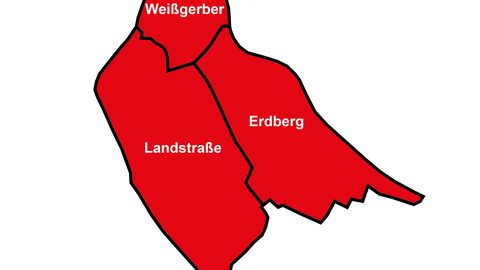 Landstrasse Vienna the Belvedere the embassies and the airport train stop
Landstrasse is Vienna's third district, home to the Belvedere palace and Klimt's The Kiss, the embassy quarter, and Wien Mitte station where the airport train
Landstrasse Vienna the Belvedere the embassies and the airport train stop
Landstrasse is Vienna's third district, home to the Belvedere palace and Klimt's The Kiss, the embassy quarter, and Wien Mitte station where the airport train
-
 Flying into Vienna airport and getting to the city without a mistake
Vienna airport offers four ways into the city, and the wrong choice can cost you time or money.
Flying into Vienna airport and getting to the city without a mistake
Vienna airport offers four ways into the city, and the wrong choice can cost you time or money.
-
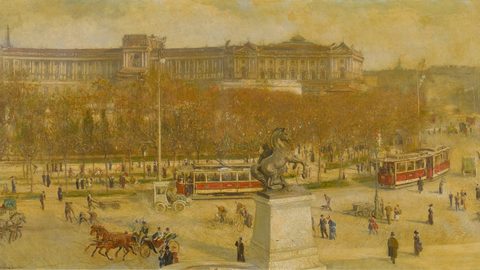 Getting Around Vienna Without Wasting Half Your Trip on Foot
Most visitors waste the first hour of their Vienna trip standing on a tram platform, ticketless, watching the doors close.
Getting Around Vienna Without Wasting Half Your Trip on Foot
Most visitors waste the first hour of their Vienna trip standing on a tram platform, ticketless, watching the doors close.
-

 Toronto Pearson to Downtown, UP Express, Taxi, Rideshare and When Each Wins
The UP Express train beats Toronto traffic from Pearson to Union Station in 25 minutes, but a taxi or rideshare wins when your hotel is far from the subway or
Toronto Pearson to Downtown, UP Express, Taxi, Rideshare and When Each Wins
The UP Express train beats Toronto traffic from Pearson to Union Station in 25 minutes, but a taxi or rideshare wins when your hotel is far from the subway or
-
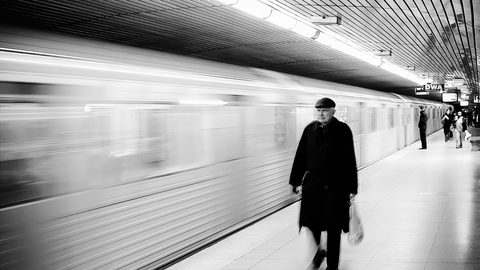 Using the TTC Presto Cards Transfers and Why the Subway Is Two Useful Lines
The TTC subway is two useful lines, but streetcars and buses are slow and stop announcements are unreliable. Here is how visitors navigate Toronto transit.
Using the TTC Presto Cards Transfers and Why the Subway Is Two Useful Lines
The TTC subway is two useful lines, but streetcars and buses are slow and stop announcements are unreliable. Here is how visitors navigate Toronto transit.
-
 The Toronto Island Ferry Timetables Queues and Which Island to Aim For
The Toronto Islands ferry runs from Jack Layton Terminal, and summer weekend queues can take an hour. Here is which island to aim for and when to go.
The Toronto Island Ferry Timetables Queues and Which Island to Aim For
The Toronto Islands ferry runs from Jack Layton Terminal, and summer weekend queues can take an hour. Here is which island to aim for and when to go.
-
 Adding Montreal to a Toronto Trip The Train the Drive and the Flight and Whether to Bother
Toronto and Montreal are 540 km apart. The train, the drive, and the flight each eat into your trip differently. Here is whether combining both cities is worth it.
Adding Montreal to a Toronto Trip The Train the Drive and the Flight and Whether to Bother
Toronto and Montreal are 540 km apart. The train, the drive, and the flight each eat into your trip differently. Here is whether combining both cities is worth it.
-
 Toronto Islands Ferry, Beaches and Bike Rentals, A Half-Day Escape Plan
The Toronto Islands offer a car-free half-day escape with skyline views and beaches, reached by a 15-minute ferry that can demand an hour of queuing on summer
Toronto Islands Ferry, Beaches and Bike Rentals, A Half-Day Escape Plan
The Toronto Islands offer a car-free half-day escape with skyline views and beaches, reached by a 15-minute ferry that can demand an hour of queuing on summer
-
 Flying Into Toronto Pearson or Billy Bishop and Getting Downtown
Flying into Toronto means choosing between Pearson and Billy Bishop. Here's how each airport works and how to get downtown from both.
Flying Into Toronto Pearson or Billy Bishop and Getting Downtown
Flying into Toronto means choosing between Pearson and Billy Bishop. Here's how each airport works and how to get downtown from both.
-
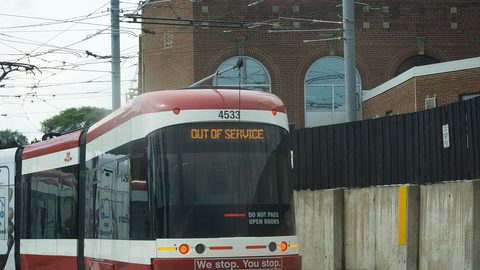 Getting Around Toronto Without Wasting Half Your Trip in Transit
Toronto's transit map looks simple but hides slow surface routes, a disorienting underground maze, and walking distances everyone underestimates.
Getting Around Toronto Without Wasting Half Your Trip in Transit
Toronto's transit map looks simple but hides slow surface routes, a disorienting underground maze, and walking distances everyone underestimates.
-
 Miami Airport to South Beach Every Way Across and What Each Costs in Time
Getting from Miami International Airport to South Beach involves Metrorail, bus, or rideshare.
Miami Airport to South Beach Every Way Across and What Each Costs in Time
Getting from Miami International Airport to South Beach involves Metrorail, bus, or rideshare.
-
 Getting Around Miami Without a Car and What the Metromover Actually Reaches
Miami without a car is possible but uneven. The free Metromover loops downtown and Brickell, Metrorail reaches the airport, but nothing on rails crosses the
Getting Around Miami Without a Car and What the Metromover Actually Reaches
Miami without a car is possible but uneven. The free Metromover loops downtown and Brickell, Metrorail reaches the airport, but nothing on rails crosses the
-
 Everglades Shark Valley Miami Day Trip Is It Worth the Drive
Shark Valley is the closest Everglades National Park entrance to Miami, with a 15-mile tram or bike loop through alligator-dense sawgrass prairie.
Everglades Shark Valley Miami Day Trip Is It Worth the Drive
Shark Valley is the closest Everglades National Park entrance to Miami, with a 15-mile tram or bike loop through alligator-dense sawgrass prairie.
-
 Miami Beach Art Deco District What the Ocean Drive Walk Covers
The Miami Beach Art Deco Historic District spans over 800 pastel buildings along Ocean Drive and beyond. Guided tours from the Welcome Center access interiors.
Miami Beach Art Deco District What the Ocean Drive Walk Covers
The Miami Beach Art Deco Historic District spans over 800 pastel buildings along Ocean Drive and beyond. Guided tours from the Welcome Center access interiors.
-
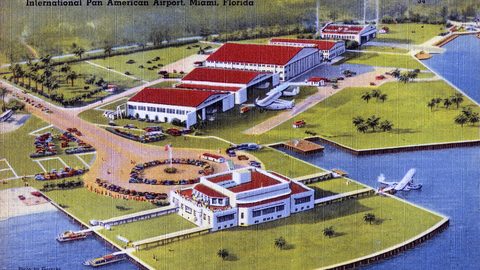 Flying Into Miami MIA vs FLL and Getting Out of the Airport
The assumption most first time visitors make is that Miami International Airport serves Miami and Fort Lauderdale Hollywood International serves Fort
Flying Into Miami MIA vs FLL and Getting Out of the Airport
The assumption most first time visitors make is that Miami International Airport serves Miami and Fort Lauderdale Hollywood International serves Fort
-
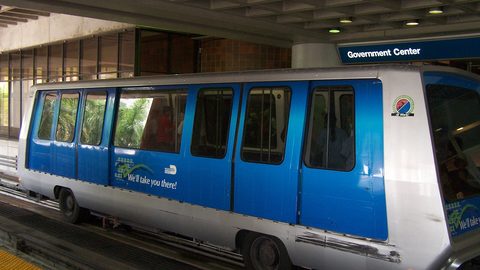 Getting Around Miami Without Wasting Half Your Trip in Traffic
Miami's transport mix confuses visitors: free Metromover, paid Metrorail, costly parking, and causeway gridlock. Here is how to move without losing half your day.
Getting Around Miami Without Wasting Half Your Trip in Traffic
Miami's transport mix confuses visitors: free Metromover, paid Metrorail, costly parking, and causeway gridlock. Here is how to move without losing half your day.
-
 Getting Around New York State Where a Rental Car Stops Being Optional
Metro-North and the LIRR work until Poughkeepsie and Montauk. Beyond that, New York State demands a car, an E-ZPass, and offline maps for the dead zones.
Getting Around New York State Where a Rental Car Stops Being Optional
Metro-North and the LIRR work until Poughkeepsie and Montauk. Beyond that, New York State demands a car, an E-ZPass, and offline maps for the dead zones.
-
 Getting Around Nevada Without Running Out of Gas or Cell Signal
Outside Las Vegas and Reno, a personal car is non-negotiable in Nevada. Gas stations can be 100 miles apart, cell service vanishes, and preparation is the
Getting Around Nevada Without Running Out of Gas or Cell Signal
Outside Las Vegas and Reno, a personal car is non-negotiable in Nevada. Gas stations can be 100 miles apart, cell service vanishes, and preparation is the
-
 Getting Around Maryland Without Losing Your Mind on the Bay Bridge
A car is mandatory beyond Baltimore and the D.C. suburbs, and Maryland's cashless toll roads and the anxiety-inducing Bay Bridge demand planning.
Getting Around Maryland Without Losing Your Mind on the Bay Bridge
A car is mandatory beyond Baltimore and the D.C. suburbs, and Maryland's cashless toll roads and the anxiety-inducing Bay Bridge demand planning.
-
 California Travel Guide for First-Timers Who Like a Long Drive
Eight hundred miles of desert, alpine range, and temperate coast in one state. The season that suits one part rules out another.
California Travel Guide for First-Timers Who Like a Long Drive
Eight hundred miles of desert, alpine range, and temperate coast in one state. The season that suits one part rules out another.
-
 Getting Around California Without Losing Half Your Trip to the Freeway
A rental car is non-negotiable outside San Francisco. Here is how tolls, deposits, and the real driving distances work before you end up with a fine or a
Getting Around California Without Losing Half Your Trip to the Freeway
A rental car is non-negotiable outside San Francisco. Here is how tolls, deposits, and the real driving distances work before you end up with a fine or a
-

 Turkey Travel Guide for People Who Prefer the Interior to the Coast
Turkey delivers staggering historical depth and dramatic landscapes, but the interior is nothing like the coast, distances are long, and patience is the entry fee.
Turkey Travel Guide for People Who Prefer the Interior to the Coast
Turkey delivers staggering historical depth and dramatic landscapes, but the interior is nothing like the coast, distances are long, and patience is the entry fee.
-
 Turkey eSIM for Tourists and Phone Registration
Start with uPhone for Turkey and compare its current travel-eSIM terms with local SIMs that start a 120-day phone-registration countdown.
Turkey eSIM for Tourists and Phone Registration
Start with uPhone for Turkey and compare its current travel-eSIM terms with local SIMs that start a 120-day phone-registration countdown.
-
 Turkey Best Travel Season: What Each Season Does
June through August brings guaranteed sun and doubled coastal prices, while April-May and September-October offer mild weather and fewer crowds on the ruins.
Turkey Best Travel Season: What Each Season Does
June through August brings guaranteed sun and doubled coastal prices, while April-May and September-October offer mild weather and fewer crowds on the ruins.
-
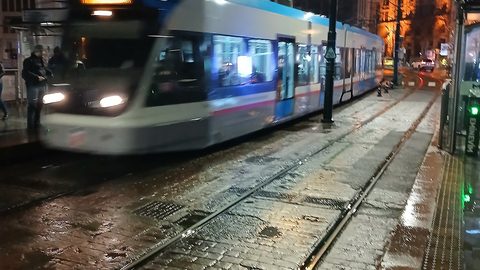 Turkey Intercity Bus Network, Trains and Domestic Flights
Long-distance buses are the connective tissue of Turkey, but otogars are often built far from city centres, and the YHT high-speed rail does not yet reach the coast.
Turkey Intercity Bus Network, Trains and Domestic Flights
Long-distance buses are the connective tissue of Turkey, but otogars are often built far from city centres, and the YHT high-speed rail does not yet reach the coast.
-
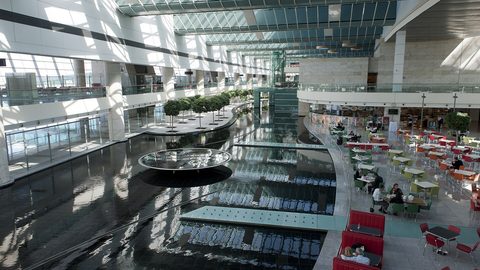 Turkey e-Visa Requirements for Western Nationals
Most Western nationals obtain a 90-day e-Visa online before travel for $50-80 USD, but land border crossings from Georgia, Iran, and Iraq require separate paperwork.
Turkey e-Visa Requirements for Western Nationals
Most Western nationals obtain a 90-day e-Visa online before travel for $50-80 USD, but land border crossings from Georgia, Iran, and Iraq require separate paperwork.
-
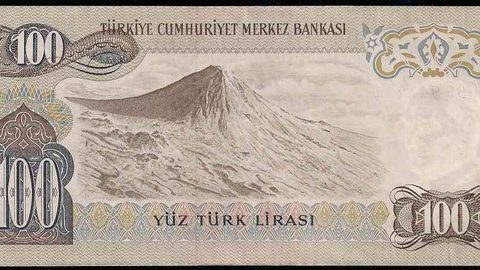 Turkish Lira Cash or Card: Where Cash Still Wins
Cards work in hotels and restaurants, but Istanbulkart top-up machines take only cash and give no change, and dolmuş minibuses run on coins and notes alone.
Turkish Lira Cash or Card: Where Cash Still Wins
Cards work in hotels and restaurants, but Istanbulkart top-up machines take only cash and give no change, and dolmuş minibuses run on coins and notes alone.
-
 Turkey Safety Advice Context for Independent Trips
Government advisories paint broadly, but the real frictions are aggressive sales culture in tourist zones, Istanbul taxi scams, and the remoteness of the east.
Turkey Safety Advice Context for Independent Trips
Government advisories paint broadly, but the real frictions are aggressive sales culture in tourist zones, Istanbul taxi scams, and the remoteness of the east.
-
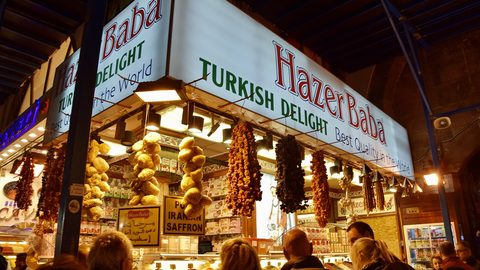 Turkey Trip Cost Breakdown From Streets to Skies
How Turkey trip costs break down by region and travel style, from Istanbul's museum-heavy days to Cappadocia's balloon premium and coastal resort pricing.
Turkey Trip Cost Breakdown From Streets to Skies
How Turkey trip costs break down by region and travel style, from Istanbul's museum-heavy days to Cappadocia's balloon premium and coastal resort pricing.
-
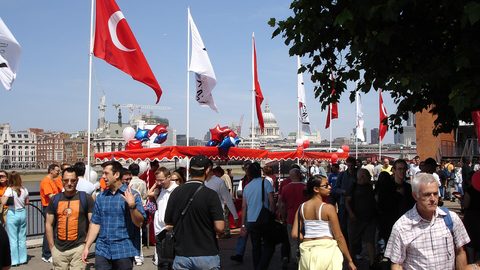 Turkey Public Holidays Travel Impact and Closures
Kurban Bayramı turns intercity roads into gridlock and buses sell out days in advance; the dates shift annually and catching one by surprise can derail a trip.
Turkey Public Holidays Travel Impact and Closures
Kurban Bayramı turns intercity roads into gridlock and buses sell out days in advance; the dates shift annually and catching one by surprise can derail a trip.
-
Turkey Power Plug Type, Voltage and Adapters
Turkey uses Type C and F sockets at 220V. Overnight buses advertise USB ports but they are unreliable, and Cappadocia cave hotels often have limited socket access.
-
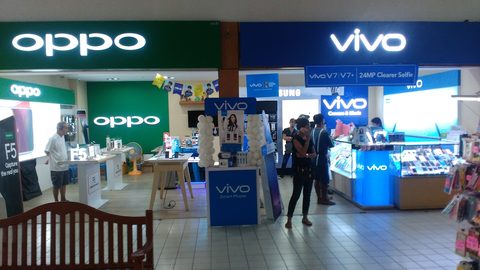
 Staying Connected in Thailand With eSIM, Local SIM, or Roaming
Compare eSIM convenience against physical AIS and TrueMove tourist SIMs registered at Bangkok airports, and why Wi-Fi alone fails for Grab and translation.
Staying Connected in Thailand With eSIM, Local SIM, or Roaming
Compare eSIM convenience against physical AIS and TrueMove tourist SIMs registered at Bangkok airports, and why Wi-Fi alone fails for Grab and translation.
-
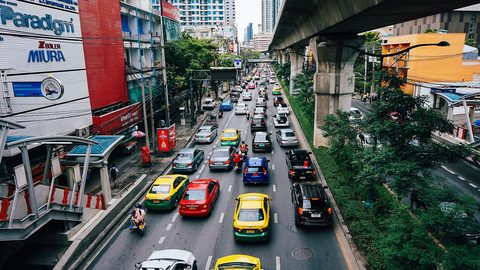 Getting Around Thailand, VIP Buses, Budget Flights and Why the Map Lies
Thailand's transport map undersells mountain curves and island transfer times. How domestic flights, VIP buses and songthaews actually connect the country.
Getting Around Thailand, VIP Buses, Budget Flights and Why the Map Lies
Thailand's transport map undersells mountain curves and island transfer times. How domestic flights, VIP buses and songthaews actually connect the country.
-
Thailand Power Sockets, Voltage, Plug Types and What Adapter You Actually Need
Thai sockets take American-style flat prongs at 220V. Which devices need a simple adapter and which will fry without a voltage converter.
-
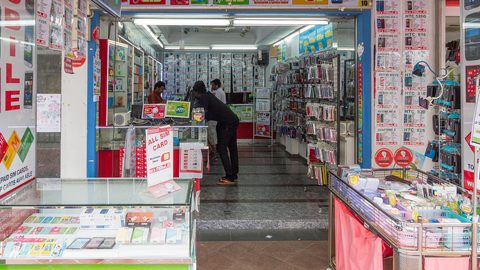
 Staying connected in Singapore with eSIM, tourist SIM, or free Wi-Fi
The practical steps to get online in Singapore, from eSIM activation before departure to passport-registered tourist SIMs at Changi Airport and free Wireless@SGx.
Staying connected in Singapore with eSIM, tourist SIM, or free Wi-Fi
The practical steps to get online in Singapore, from eSIM activation before departure to passport-registered tourist SIMs at Changi Airport and free Wireless@SGx.
-
 Getting Around Singapore MRT Buses Ride Hailing and the Rules That Trip People Up
Singapore's MRT and bus network is excellent, but ride-hailing cars cannot pick up from taxi stands in the CBD during peak hours and trains stop around midnight.
Getting Around Singapore MRT Buses Ride Hailing and the Rules That Trip People Up
Singapore's MRT and bus network is excellent, but ride-hailing cars cannot pick up from taxi stands in the CBD during peak hours and trains stop around midnight.
-
Singapore Power Plugs Voltage and What to Pack for the Socket
Singapore uses the Type G British three-pin plug at 230V and 50Hz, and adapters are sold at Changi Airport and Mustafa Centre in Little India if you forget yours.
-
 Staying Connected in Morocco With eSIM and Local SIM Cards
A direct comparison of eSIM and local SIM options for Morocco, covering airport purchase, passport rules, and which network actually works in the Atlas and Sahara.
Staying Connected in Morocco With eSIM and Local SIM Cards
A direct comparison of eSIM and local SIM options for Morocco, covering airport purchase, passport rules, and which network actually works in the Atlas and Sahara.
-
 Getting Around Morocco, Trains, Buses, Grands Taxis and What the Map Oversells
Trains link Morocco's northern cities efficiently, but the south and desert rely on buses that sell out and grands taxis that leave only when full.
Getting Around Morocco, Trains, Buses, Grands Taxis and What the Map Oversells
Trains link Morocco's northern cities efficiently, but the south and desert rely on buses that sell out and grands taxis that leave only when full.
-
Money in Morocco, Dirham, Cards, ATMs and What You Actually Need Cash For
The Moroccan dirham is a closed currency you cannot buy abroad. Cash dominates medinas and small towns, and ATMs in desert regions run dry on weekends.
-
Morocco Plugs, Voltage and What to Pack for Charging Your Devices
Morocco uses European-style Type C and E sockets at 220V. Bring a universal adapter and a power bank—riad Wi-Fi rarely reaches the rooms.
-
 Staying Connected in Mexico, eSIM, Telcel SIM, or Roaming
Compare eSIM providers against a physical Telcel SIM for a Mexico trip. Coverage in remote areas like the Copper Canyon and Chiapas decides the winner.
Staying Connected in Mexico, eSIM, Telcel SIM, or Roaming
Compare eSIM providers against a physical Telcel SIM for a Mexico trip. Coverage in remote areas like the Copper Canyon and Chiapas decides the winner.
-
 Getting Around Mexico When the Map Makes Distances Look Shorter Than They Are
Mexico is 1.96 million square kilometres. ADO buses are the backbone, colectivos rule the Yucatán, and Uber works until it doesn't.
Getting Around Mexico When the Map Makes Distances Look Shorter Than They Are
Mexico is 1.96 million square kilometres. ADO buses are the backbone, colectivos rule the Yucatán, and Uber works until it doesn't.
-
 Cash or Card in Mexico and Why the ATM Keeps Asking You a Weird Question
Mexico runs on pesos and cash still rules markets, colectivos, and street food. Here is how to avoid the ATM conversion trap and when to use a card.
Cash or Card in Mexico and Why the ATM Keeps Asking You a Weird Question
Mexico runs on pesos and cash still rules markets, colectivos, and street food. Here is how to avoid the ATM conversion trap and when to use a card.
-
Mexico Plug Sockets and Why Your Hairdryer Might Struggle Even With an Adapter
Mexico uses Type A and B sockets at 127V. Most phone and laptop chargers work with a simple adapter, but high-wattage appliances may struggle.
-

 India Travel Guide by Region and Season
India is a subcontinent where the regions differ more than most countries do, the rail network is the backbone, and the monsoon rewrites the calendar differently in the north and the south.
India Travel Guide by Region and Season
India is a subcontinent where the regions differ more than most countries do, the rail network is the backbone, and the monsoon rewrites the calendar differently in the north and the south.
-
 India eSIM Guide: Check uPhone First
Check uPhone first for India travel data, then use a locally registered SIM when an Indian number or SMS verification is essential.
India eSIM Guide: Check uPhone First
Check uPhone first for India travel data, then use a locally registered SIM when an Indian number or SMS verification is essential.
-
 Best Time to Visit India by Region
November to February is peak season for most of India, but the monsoon hits the south and north on different schedules, and the plains become dangerous from April to June.
Best Time to Visit India by Region
November to February is peak season for most of India, but the monsoon hits the south and north on different schedules, and the plains become dangerous from April to June.
-
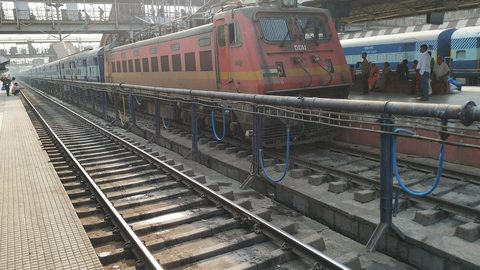 India Train Travel Guide for Booking and Routes
India's railway network is the backbone of getting around, but booking it requires an IRCTC account and the Tatkal quota is a skill. What connects where, and what the map oversells.
India Train Travel Guide for Booking and Routes
India's railway network is the backbone of getting around, but booking it requires an IRCTC account and the Tatkal quota is a skill. What connects where, and what the map oversells.
-
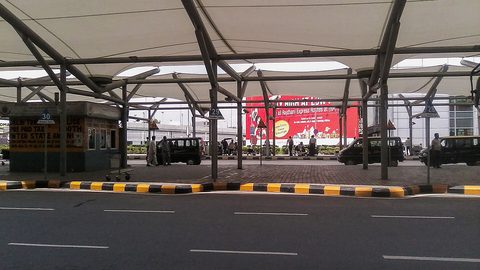 India e-Visa Requirements and Official Process
Most nationalities can apply for an India e-Visa online, but the photo rules and processing timelines catch people out. Here is who needs one and how it works.
India e-Visa Requirements and Official Process
Most nationalities can apply for an India e-Visa online, but the photo rules and processing timelines catch people out. Here is who needs one and how it works.
-
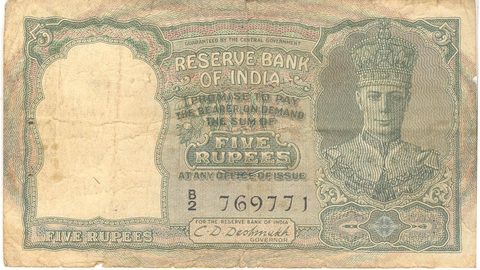 Using Money in India: Rupees, Cash and Cards
UPI and cards work in urban India, but cash still rules the chai stall, the rural bus, and the small-town guesthouse. Here is how to manage the Indian rupee.
Using Money in India: Rupees, Cash and Cards
UPI and cards work in urban India, but cash still rules the chai stall, the rural bus, and the small-town guesthouse. Here is how to manage the Indian rupee.
-
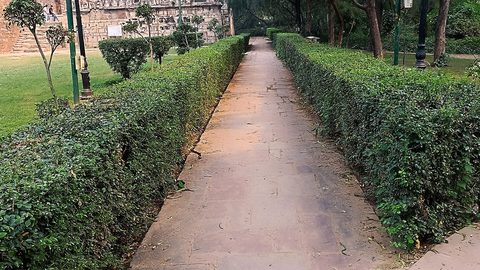 Is India Safe for Tourists?
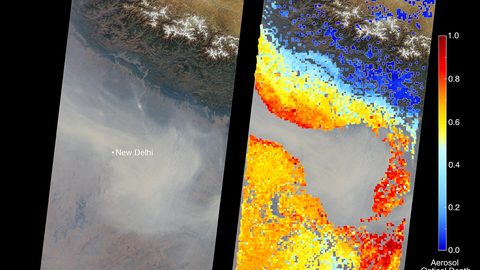
India safety advice swings between alarm and reassurance. Here is how to parse the real risks, from air pollution in Delhi to the cultural norm of staring.
Is India Safe for Tourists?
India safety advice swings between alarm and reassurance. Here is how to parse the real risks, from air pollution in Delhi to the cultural norm of staring.
-
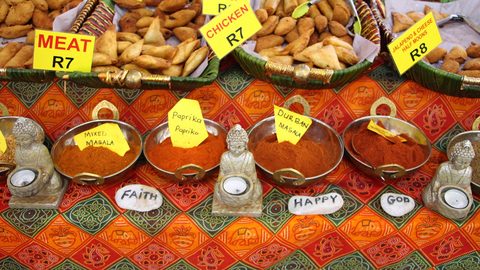 India Trip Cost Breakdown by Category
A frank look at where the money actually goes when travelling India, from sleeper-class train berths and street thalis to the hidden costs of monument entry fees for foreign nationals.
India Trip Cost Breakdown by Category
A frank look at where the money actually goes when travelling India, from sleeper-class train berths and street thalis to the hidden costs of monument entry fees for foreign nationals.
-
 India Public Holidays and Travel Impact
India's national holidays are fixed, but the festivals that disrupt travel most, like Diwali and Holi, move every year. Here is what closes and what just gets busier.
India Public Holidays and Travel Impact
India's national holidays are fixed, but the festivals that disrupt travel most, like Diwali and Holi, move every year. Here is what closes and what just gets busier.
-
India Plug Type and Voltage Guide
India runs on 230V with Type D and Type C sockets. Older guesthouses may only have Type D, and voltage spikes make a surge protector worth packing.
-
 Staying Connected in Hungary With eSIM, Local SIM or Roaming
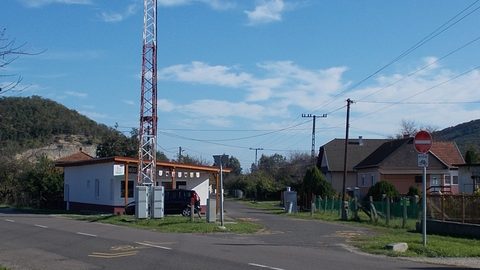
eSIM, local SIM, or roaming in Hungary: the ID registration rule, why the BudapestGO app needs data, and where rural signal drops out.
Staying Connected in Hungary With eSIM, Local SIM or Roaming
eSIM, local SIM, or roaming in Hungary: the ID registration rule, why the BudapestGO app needs data, and where rural signal drops out.
-
 Getting Around Hungary by Train Bus and Car Without the Detours
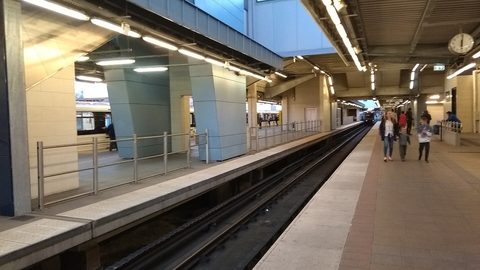
Hungary's rail and bus networks radiate from Budapest, forcing cross-country trips through the capital. Validate paper tickets or face a 25,000 HUF fine.
Getting Around Hungary by Train Bus and Car Without the Detours
Hungary's rail and bus networks radiate from Budapest, forcing cross-country trips through the capital. Validate paper tickets or face a 25,000 HUF fine.
-
Hungary Power Plugs Voltage and What Adapter to Pack
Hungary uses Type C and F sockets at 230V. UK and Irish visitors need an adapter; North Americans should check device voltage compatibility.
-
 Staying Connected in Egypt With eSIM, Local SIM or Hotel Wi-Fi
Egypt's mobile network works well but carries two traps: a 90-day IMEI tax that blocks foreign phones and a WhatsApp calling ban on mobile data.
Staying Connected in Egypt With eSIM, Local SIM or Hotel Wi-Fi
Egypt's mobile network works well but carries two traps: a 90-day IMEI tax that blocks foreign phones and a WhatsApp calling ban on mobile data.
-
 Getting Around Egypt, Flights, Sleeper Trains, and Road Convoys
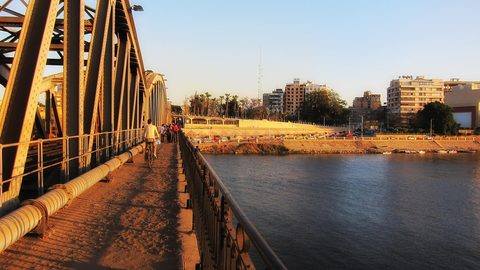
How to get around Egypt: domestic flights, the Cairo–Luxor–Aswan sleeper train, road convoys to Abu Simbel, and why Uber in Cairo is unreliable.
Getting Around Egypt, Flights, Sleeper Trains, and Road Convoys
How to get around Egypt: domestic flights, the Cairo–Luxor–Aswan sleeper train, road convoys to Abu Simbel, and why Uber in Cairo is unreliable.
-
Egypt Power Plugs, Voltage, and What to Pack for Charging
Egypt uses Type C and Type F power plugs at 220V. Which adapter to pack, and why a multi-USB charger helps in older Cairo hotels and Nile cruise cabins.
-

 Staying Connected in Denmark eSIM Local SIM or Just Roaming
Denmark runs on MobilePay but tourists are locked out—here is how to stay connected for the DSB app, ferry bookings, and the coin-only toilets that define
Staying Connected in Denmark eSIM Local SIM or Just Roaming
Denmark runs on MobilePay but tourists are locked out—here is how to stay connected for the DSB app, ferry bookings, and the coin-only toilets that define
-
 Getting Around Denmark, Trains, Ferries, and What the Map Oversells
Denmark's transport map looks seamless but hides ferry gaps, cashless buses, and a Rejsekort system that punishes forgetfulness.
Getting Around Denmark, Trains, Ferries, and What the Map Oversells
Denmark's transport map looks seamless but hides ferry gaps, cashless buses, and a Rejsekort system that punishes forgetfulness.
-
 Denmark Plugs and Voltage, What to Pack for Sockets and Charging
Denmark uses the Type K socket but accepts common European plugs. Here is what to pack for Danish 230V power and where adapters still jam.
Denmark Plugs and Voltage, What to Pack for Sockets and Charging
Denmark uses the Type K socket but accepts common European plugs. Here is what to pack for Danish 230V power and where adapters still jam.
-
 Staying Connected in China Without Losing Access to Everything
The central tradeoff is this: a local physical SIM gives you the Chinese phone number you need for WeChat Pay, bike sharing, and public Wi-Fi login.
Staying Connected in China Without Losing Access to Everything
The central tradeoff is this: a local physical SIM gives you the Chinese phone number you need for WeChat Pay, bike sharing, and public Wi-Fi login.
-
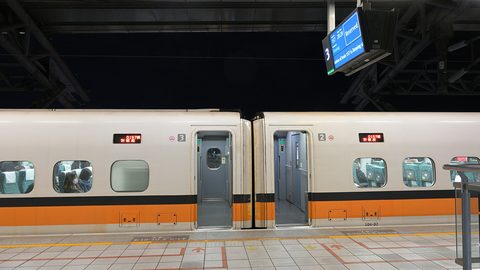 China High-Speed Trains and Getting Around Without a Chinese App
China's high-speed rail is fast and efficient, but booking as a foreigner is a puzzle.
China High-Speed Trains and Getting Around Without a Chinese App
China's high-speed rail is fast and efficient, but booking as a foreigner is a puzzle.
-
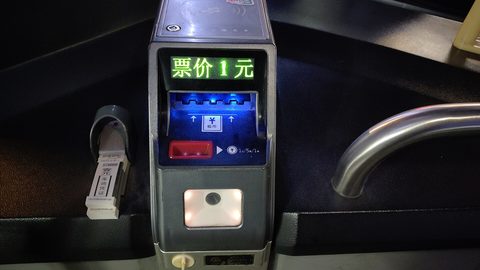 How to Pay for Things in China Without Getting Stranded
China runs on WeChat Pay and Alipay, and cash is often refused. Here is how to link a foreign card, what to do when it fails, and where renminbi notes still work.
How to Pay for Things in China Without Getting Stranded
China runs on WeChat Pay and Alipay, and cash is often refused. Here is how to link a foreign card, what to do when it fails, and where renminbi notes still work.
-
 China Plug Type Voltage and What to Actually Pack for Charging
China runs on 220V with a mix of Type A, C, and I sockets. The real packing decision is your power bank capacity—train security confiscates anything over 20,000mAh.
China Plug Type Voltage and What to Actually Pack for Charging
China runs on 220V with a mix of Type A, C, and I sockets. The real packing decision is your power bank capacity—train security confiscates anything over 20,000mAh.
-
 Staying Connected in Chile, eSIM, Local SIM, or Offline Maps
How to get online in Chile: the RUT barrier for local SIMs, the eSIM alternative, and where on the Carretera Austral and in the Atacama you will have zero signal.
Staying Connected in Chile, eSIM, Local SIM, or Offline Maps
How to get online in Chile: the RUT barrier for local SIMs, the eSIM alternative, and where on the Carretera Austral and in the Atacama you will have zero signal.
-
 Getting Around Chile Without Underestimating the Map
Chile's long-distance buses are comfortable but slow, and flying between the Atacama and Patagonia means backtracking through Santiago every time.
Getting Around Chile Without Underestimating the Map
Chile's long-distance buses are comfortable but slow, and flying between the Atacama and Patagonia means backtracking through Santiago every time.
-
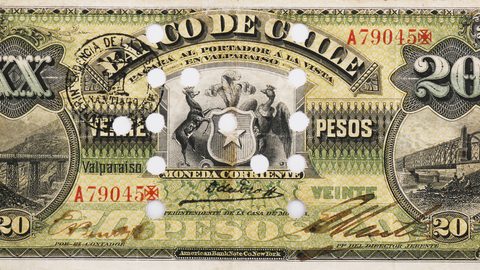 Cash and Cards in Chile, Where the Peso Still Rules
Cards work in Chilean cities but rural buses and Patagonian guesthouses still demand cash, and ATMs in remote towns run out on weekends.
Cash and Cards in Chile, Where the Peso Still Rules
Cards work in Chilean cities but rural buses and Patagonian guesthouses still demand cash, and ATMs in remote towns run out on weekends.
-
Chile Plug Type and Voltage, What You Actually Need to Pack
Chile uses 220V with Type C and Type L sockets; older Patagonian and Chiloé guesthouses may have only the recessed Italian-style Type L.
-
Staying Connected Across Canada Without Roaming Surprises
A mobile plan bought from Rogers in Toronto can trigger roaming charges the moment you cross into Manitoba. That is not a glitch. That is Canada.
-
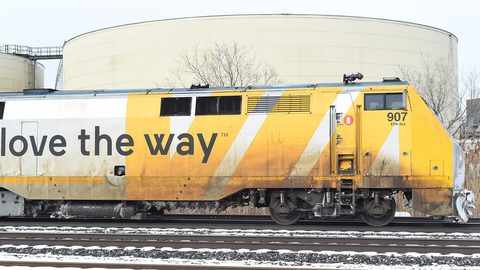 Getting Around Canada When the Map Lies About Distance
Canada lacks high-speed rail, Greyhound shut down, and the drive between Toronto and Vancouver is 40 hours of highway. Here is what actually connects the country.
Getting Around Canada When the Map Lies About Distance
Canada lacks high-speed rail, Greyhound shut down, and the drive between Toronto and Vancouver is 40 hours of highway. Here is what actually connects the country.
-
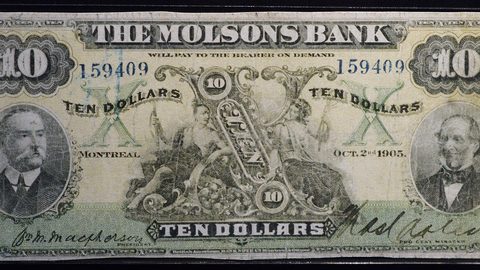 Paying for Things in Canada Without Getting Burned by Fees
Canada runs on contactless cards and polymer banknotes, but the tipping culture and sales tax added at the till catch visitors off guard.
Paying for Things in Canada Without Getting Burned by Fees
Canada runs on contactless cards and polymer banknotes, but the tipping culture and sales tax added at the till catch visitors off guard.
-
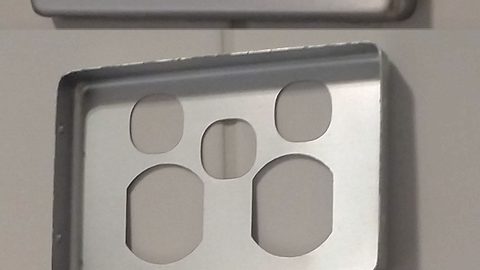 Canada Plug Sockets Voltage and the Adapter You Actually Need
Canada uses Type A and B plugs at 120V, identical to the United States. Travellers from elsewhere need an adapter, not necessarily a converter.
Canada Plug Sockets Voltage and the Adapter You Actually Need
Canada uses Type A and B plugs at 120V, identical to the United States. Travellers from elsewhere need an adapter, not necessarily a converter.
-

 Staying Connected in Bulgaria With eSIM, Local SIM, or Just Roaming
Compare eSIM convenience, local SIM value from Vivacom or A1, and EU roaming reliability for Bulgaria's mountain dead zones and coastal resorts.
Staying Connected in Bulgaria With eSIM, Local SIM, or Just Roaming
Compare eSIM convenience, local SIM value from Vivacom or A1, and EU roaming reliability for Bulgaria's mountain dead zones and coastal resorts.
-
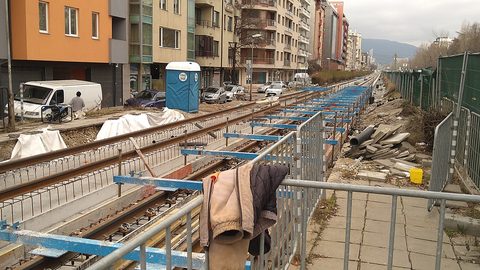 Getting Around Bulgaria by Bus and Car When Timetables Are Aspirational
Bulgaria's bus network is a patchwork of private companies, cash fares, and aspirational timetables—here is how to make it work.
Getting Around Bulgaria by Bus and Car When Timetables Are Aspirational
Bulgaria's bus network is a patchwork of private companies, cash fares, and aspirational timetables—here is how to make it work.
-
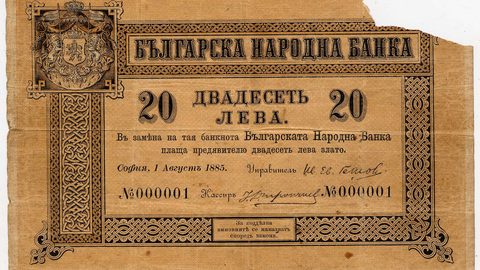 Cash and Cards in Bulgaria What Actually Works at Taverns and Buses
The Bulgarian lev rules daily life: cards work in Sofia and big resorts, but rural buses, guesthouses, and station toilets demand coins.
Cash and Cards in Bulgaria What Actually Works at Taverns and Buses
The Bulgarian lev rules daily life: cards work in Sofia and big resorts, but rural buses, guesthouses, and station toilets demand coins.
-
Bulgaria Plug Sockets and Voltage What to Pack for the Wall Outlet
Bulgaria uses standard European Type C and F sockets at 230V; only travellers from the UK, Americas, or Asia need an adapter.
-
 Staying Connected in Brazil With eSIM, Local SIM, or Roaming
Getting a working data connection in Brazil means navigating CPF requirements, patchy store policies, and vast coverage gaps—here are the three real paths.
Staying Connected in Brazil With eSIM, Local SIM, or Roaming
Getting a working data connection in Brazil means navigating CPF requirements, patchy store policies, and vast coverage gaps—here are the three real paths.
-
 Getting Around Brazil, Domestic Flights, Buses and Airport Reality
Domestic flights dominate long-distance travel in Brazil, but airport logistics turn a 2-hour flight into a 5-hour door-to-door journey. Plan accordingly.
Getting Around Brazil, Domestic Flights, Buses and Airport Reality
Domestic flights dominate long-distance travel in Brazil, but airport logistics turn a 2-hour flight into a 5-hour door-to-door journey. Plan accordingly.
-
Brazil Power Plugs, Voltage and What to Pack for the Sockets
Brazil uses Type N sockets with voltage that varies by region: 127V in Rio and the Northeast, 220V in Brasília and the South. Pack accordingly.
-

 Staying Connected in Belgium With eSIM, Local SIM or Roaming
How to get mobile data in Belgium: eSIM before arrival, a prepaid Orange or Proximus SIM at Brussels Midi, and the reality of train WiFi dead zones.
Staying Connected in Belgium With eSIM, Local SIM or Roaming
How to get mobile data in Belgium: eSIM before arrival, a prepaid Orange or Proximus SIM at Brussels Midi, and the reality of train WiFi dead zones.
-
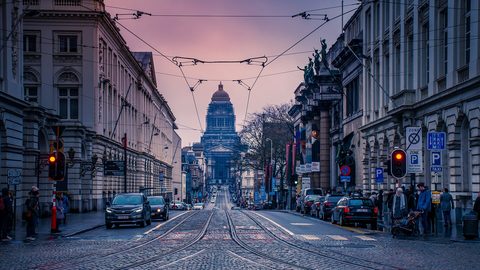 Getting Around Belgium by Train Bus and Tram Without Getting Lost at Stations
The single biggest friction in Belgian travel: the rail network is excellent, but stop names are in Dutch in Flanders and French in the south, and the two
Getting Around Belgium by Train Bus and Tram Without Getting Lost at Stations
The single biggest friction in Belgian travel: the rail network is excellent, but stop names are in Dutch in Flanders and French in the south, and the two
-
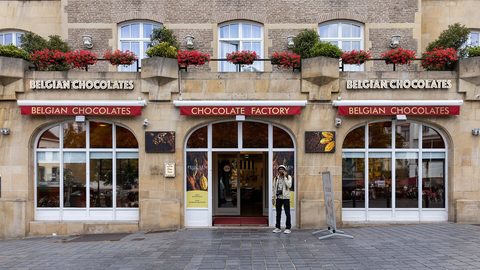 What a Trip to Belgium Costs, From Trains to Trappists
How much Belgium costs per day, from train tickets and Trappist beers to hotel premiums in Bruges and where to find better value overnight.
What a Trip to Belgium Costs, From Trains to Trappists
How much Belgium costs per day, from train tickets and Trappist beers to hotel premiums in Bruges and where to find better value overnight.
-
Belgium Plug Type and Voltage What to Pack for the Sockets
You step off the train at Bruges station, rain on your jacket, and the first thing you notice is the quiet.
-

 Staying Connected Across Australia eSIM and Local SIM Options
Choose between eSIM convenience and Telstra's unmatched Outback coverage—the connectivity decision that shapes your entire Australia trip.
Staying Connected Across Australia eSIM and Local SIM Options
Choose between eSIM convenience and Telstra's unmatched Outback coverage—the connectivity decision that shapes your entire Australia trip.
-
 Getting Around Australia, Why Flying Is the Real Connective Tissue
Domestic flights connect Australia's cities; driving between them eats days. Local transit cards still require a separate purchase, and inland fuel stops are
Getting Around Australia, Why Flying Is the Real Connective Tissue
Domestic flights connect Australia's cities; driving between them eats days. Local transit cards still require a separate purchase, and inland fuel stops are
-
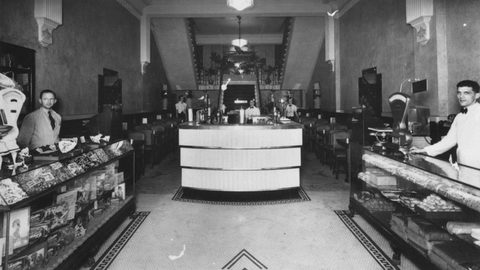 Paying for Things in Australia, Cards, Cash and When Surcharges Appear
Australia runs on contactless cards, but public holiday surcharges of 10-15% catch visitors off guard.
Paying for Things in Australia, Cards, Cash and When Surcharges Appear
Australia runs on contactless cards, but public holiday surcharges of 10-15% catch visitors off guard.
-
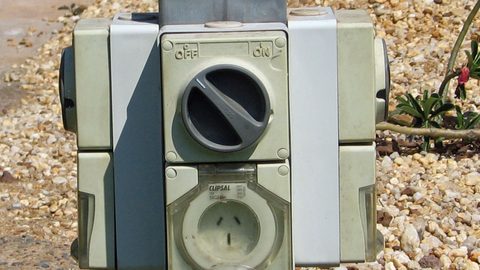 Australia Power Plugs Voltage and What to Pack for Charging
Australia uses Type I three-pin flat sockets running on 230V. A universal adaptor without the angled Australian pin will not fit, and 110V devices need a
Australia Power Plugs Voltage and What to Pack for Charging
Australia uses Type I three-pin flat sockets running on 230V. A universal adaptor without the angled Australian pin will not fit, and 110V devices need a
-

 Staying Connected in France With eSIM, Local SIM or Roaming
Compare eSIM, local French SIM cards, and roaming for reliable data across France, from Paris to the signal-poor Gorges du Verdon.
Staying Connected in France With eSIM, Local SIM or Roaming
Compare eSIM, local French SIM cards, and roaming for reliable data across France, from Paris to the signal-poor Gorges du Verdon.
-
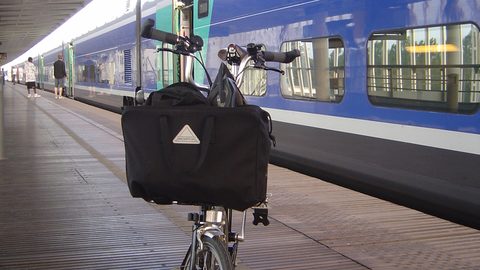 Getting Around France by TGV, TER, and a Car You Can Actually Park
How to get around France by train and car, including TGV seat rules, paper ticket validation, motorway tolls, and where the rail map misleads.
Getting Around France by TGV, TER, and a Car You Can Actually Park
How to get around France by train and car, including TGV seat rules, paper ticket validation, motorway tolls, and where the rail map misleads.
-
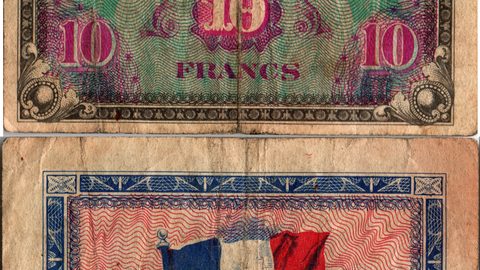 Cash or Card in France When the Restaurant Terminal Says Non
How to pay in France: where cards work, where cash still rules, and why your American Express might get refused at the boulangerie.
Cash or Card in France When the Restaurant Terminal Says Non
How to pay in France: where cards work, where cash still rules, and why your American Express might get refused at the boulangerie.
-
France Plug Type and What to Pack So Your Charger Actually Fits
France uses Type E plugs and 230V power. Which adapter to pack, whether you need a converter, and what the wall socket looks like.
-
 Staying Connected While Traveling Through the United States
Prepaid eSIMs work well in US cities, but a physical T-Mobile or AT&T SIM bought at arrival gives better rural coverage for national parks and long highway drives.
Staying Connected While Traveling Through the United States
Prepaid eSIMs work well in US cities, but a physical T-Mobile or AT&T SIM bought at arrival gives better rural coverage for national parks and long highway drives.
-
 Getting Around the United States Without Underestimating the Distances
Outside the Northeast Corridor, the United States runs on cars and domestic flights. Distances are enormous and Amtrak is scenic but slow.
Getting Around the United States Without Underestimating the Distances
Outside the Northeast Corridor, the United States runs on cars and domestic flights. Distances are enormous and Amtrak is scenic but slow.
-
United States Power Sockets, Voltage and What to Pack for Charging
The United States uses Type A and B sockets at 120V. Most modern chargers are dual-voltage and only need a plug adapter, but check the label first.
-
 Austria Travel Guide, Imperial Cities and Alpine Valleys by Train
Austria pairs baroque imperial cities with Alpine valleys close enough to reach by train, making a week the minimum to experience both.
Austria Travel Guide, Imperial Cities and Alpine Valleys by Train
Austria pairs baroque imperial cities with Alpine valleys close enough to reach by train, making a week the minimum to experience both.
-
 Staying connected in Austria with eSIM, local SIM, or just hotel WiFi
Austrian mobile coverage vanishes in the places you need it most: deep Alpine valleys and high passes.
Staying connected in Austria with eSIM, local SIM, or just hotel WiFi
Austrian mobile coverage vanishes in the places you need it most: deep Alpine valleys and high passes.
-
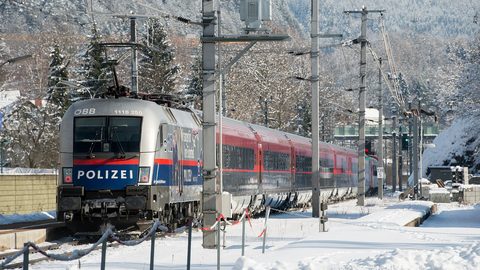 Getting Around Austria by Train, Bus and Car Without the Map Mistakes
Austria's ÖBB rail network is excellent but unforgiving: Sparschiene tickets are train-specific and worthless if missed, and motorways eat schedules.
Getting Around Austria by Train, Bus and Car Without the Map Mistakes
Austria's ÖBB rail network is excellent but unforgiving: Sparschiene tickets are train-specific and worthless if missed, and motorways eat schedules.
-
 Cash or Card in Austria, Where Euros Still Rule and ATMs Save You
Austria runs on euros, but card acceptance collapses in mountain huts, Heurigen wine taverns, and small village cafés. Carry cash daily.
Cash or Card in Austria, Where Euros Still Rule and ATMs Save You
Austria runs on euros, but card acceptance collapses in mountain huts, Heurigen wine taverns, and small village cafés. Carry cash daily.
-
Austria Plug Type, Voltage and the Adapter You Actually Need to Pack
Austria uses Type F Schuko sockets at 230V. Most phone and laptop chargers are dual-voltage, but pack an adapter—mountain huts often have one distant socket.
-
 Getting Around Florida Without Losing Your Mind to Toll Roads and Traffic
Florida is built for cars, and the toll road system punishes visitors who do not prepare. Here is where a rental car is mandatory and how to avoid SunPass penalties.
Getting Around Florida Without Losing Your Mind to Toll Roads and Traffic
Florida is built for cars, and the toll road system punishes visitors who do not prepare. Here is where a rental car is mandatory and how to avoid SunPass penalties.
-

 Switzerland Travel Guide for People Who Value Punctuality Over Spontaneity
Switzerland delivers Alpine scenery with ruthless efficiency across four language regions connected by rail. Expect steep prices, punctual infrastructure, and a minimum seven-day itinerary.
Switzerland Travel Guide for People Who Value Punctuality Over Spontaneity
Switzerland delivers Alpine scenery with ruthless efficiency across four language regions connected by rail. Expect steep prices, punctual infrastructure, and a minimum seven-day itinerary.
-
Switzerland Prepaid eSIM Tourist Guide: Check uPhone First
Compare eSIM, local Swisscom or Salt SIM, and roaming for reliable mobile data across Swiss cities and high Alpine valleys.
-
 Switzerland Month by Month Weather Guide
July and August deliver reliable high-alpine hiking at peak hotel rates. Mid-April to early June brings lift closures, mud, and snow-blocked passes.
Switzerland Month by Month Weather Guide
July and August deliver reliable high-alpine hiking at peak hotel rates. Mid-April to early June brings lift closures, mud, and snow-blocked passes.
-
 Swiss Travel Pass vs Point to Point Tickets
The Swiss Travel Pass covers most trains, buses, and boats, but not mandatory seat reservations on the Glacier Express and Bernina Express, which sell out in peak season.
Swiss Travel Pass vs Point to Point Tickets
The Swiss Travel Pass covers most trains, buses, and boats, but not mandatory seat reservations on the Glacier Express and Bernina Express, which sell out in peak season.
-
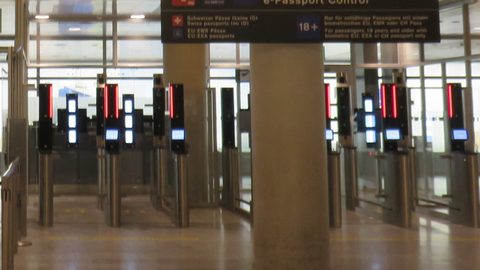 Switzerland Schengen Visa Requirements
Switzerland is in Schengen but not the EU. Visa requirements depend on your passport, and the application process involves cantonal immigration offices.
Switzerland Schengen Visa Requirements
Switzerland is in Schengen but not the EU. Visa requirements depend on your passport, and the application process involves cantonal immigration offices.
-
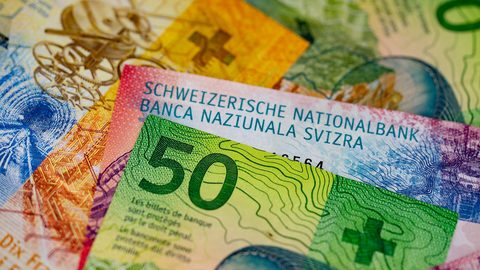 Swiss Franc Cash vs Card in Switzerland
Switzerland uses the Swiss franc, not the euro. Cards work almost everywhere in cities, but mountain huts and small vendors often demand cash.
Swiss Franc Cash vs Card in Switzerland
Switzerland uses the Swiss franc, not the euro. Cards work almost everywhere in cities, but mountain huts and small vendors often demand cash.
-
 Is Switzerland Safe for Tourists? Practical Risks
-
Switzerland Trip Cost Breakdown Without a False Daily Figure
Understand Switzerland's real trip costs, from CHF 12 kebabs to CHF 210 mountain railways, and the structural reasons behind the prices.
-
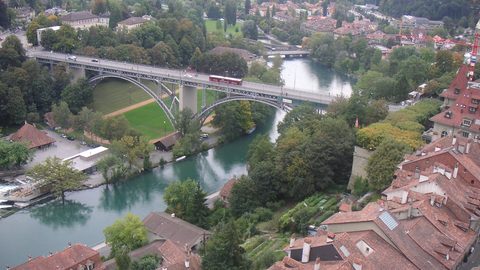 Switzerland Cantonal Public Holidays Calendar
Only August 1 is a national holiday across Switzerland. Every other public holiday depends on the canton, and Sunday shop closures are nationwide except at train stations.
Switzerland Cantonal Public Holidays Calendar
Only August 1 is a national holiday across Switzerland. Every other public holiday depends on the canton, and Sunday shop closures are nationwide except at train stations.
-
 Switzerland Type J Plug Adapter: Is One Needed?
Switzerland uses the Type J plug, not the standard European Type F. A loose-fitting Type C may work, but a dedicated Swiss adapter is worth packing.
Switzerland Type J Plug Adapter: Is One Needed?
Switzerland uses the Type J plug, not the standard European Type F. A loose-fitting Type C may work, but a dedicated Swiss adapter is worth packing.
-
 Staying Connected in Libya When the Internet Fights Back
Forget eSIMs in Libya: you need a fixer to register a local SIM in their name, a VPN installed before landing, and offline maps for the moment 4G vanishes
Staying Connected in Libya When the Internet Fights Back
Forget eSIMs in Libya: you need a fixer to register a local SIM in their name, a VPN installed before landing, and offline maps for the moment 4G vanishes
-
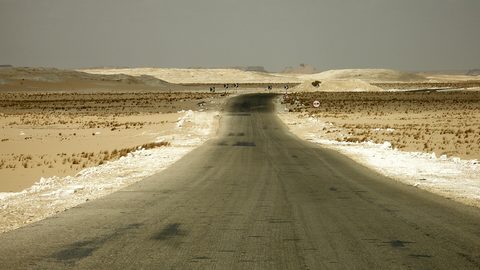 You Cannot Simply Rent a Car and Drive Across Libya
Moving between Libyan regions demands a fixer-driver and internal travel permits arranged days in advance by your sponsor. Spontaneous road trips do not exist here.
You Cannot Simply Rent a Car and Drive Across Libya
Moving between Libyan regions demands a fixer-driver and internal travel permits arranged days in advance by your sponsor. Spontaneous road trips do not exist here.
-
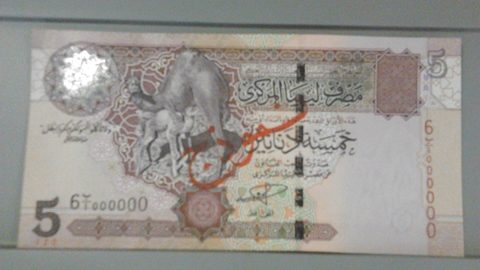 Bring Bricks of Dinars Because No Libyan ATM Will Accept Your Card
Libya runs on physical cash only. Foreign cards fail in every ATM, and the black-market USD rate determines what you actually pay for everything.
Bring Bricks of Dinars Because No Libyan ATM Will Accept Your Card
Libya runs on physical cash only. Foreign cards fail in every ATM, and the black-market USD rate determines what you actually pay for everything.
-
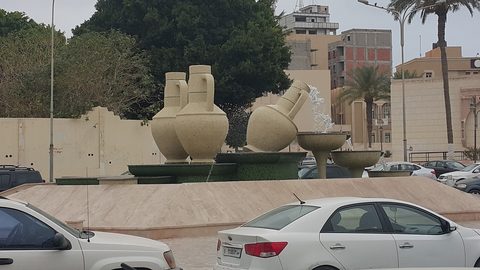 The Plug Socket in Libya Is European but the Voltage Is Not Your Real Problem
Libya uses European-style Type C and L sockets at 230V, but frequent power cuts and no grid in the desert make power banks and car chargers essential kit.
The Plug Socket in Libya Is European but the Voltage Is Not Your Real Problem
Libya uses European-style Type C and L sockets at 230V, but frequent power cuts and no grid in the desert make power banks and car chargers essential kit.
-
 Staying Connected in Germany With eSIM, Local SIM, or Roaming
Mobile data in Germany means navigating rural black spots, scarce free Wi-Fi, and mandatory passport registration for local SIM cards.
Staying Connected in Germany With eSIM, Local SIM, or Roaming
Mobile data in Germany means navigating rural black spots, scarce free Wi-Fi, and mandatory passport registration for local SIM cards.
-
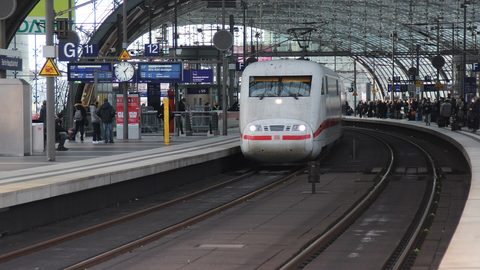 Getting Around Germany Without Falling for the Flexpreis Trap
How to use Germany's train system, avoid a €60 fine for the wrong ticket, and understand the difference between flexible and advance fares.
Getting Around Germany Without Falling for the Flexpreis Trap
How to use Germany's train system, avoid a €60 fine for the wrong ticket, and understand the difference between flexible and advance fares.
-
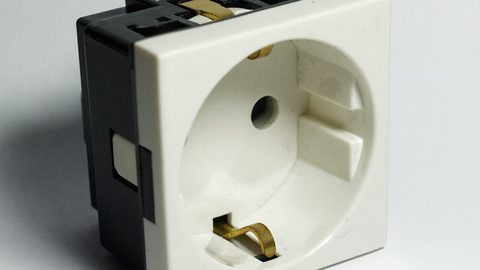 What Plug Adapter You Need for Germany and Why Voltage Matters
Germany uses Type F sockets and 230V power. Here is the exact adapter to pack, and why you should not plan to buy one after arrival.
What Plug Adapter You Need for Germany and Why Voltage Matters
Germany uses Type F sockets and 230V power. Here is the exact adapter to pack, and why you should not plan to buy one after arrival.