Vienna, an Imperial Capital That Kept the Museums After Losing the Empire
Vienna is an imperial capital that kept the museums after losing the empire. Here is what the city is actually like beyond the postcard images, and who it
- Flag
-

- ISO code
- AT
- Currency
- EUR
Vienna Travel Guide What to Know Before You Go
Vienna has roughly 100 museums for two million people. Paris has about 130 for 10.6 million. Vienna kept the imperial collections after losing the empire, which is why a capital of this size has the art holdings of somewhere three times larger. That imbalance defines the city as a destination long after the postcard wears off.
- Population (city, 2024): 2,005,760 (Statistik Austria)
- Metropolitan area (approx.): 2,990,000 (Statistik Austria, confirm latest figure)
- Area: 414.87 km²
- Districts (Bezirke): 23
- UNESCO World Heritage: Historic Centre inscribed 2001, on Danger List 2017, present
- Museum count (citywide): Approx. 100 (Wien Tourismus)
- Minimum stay for first visit: 3 full days
- Best months: April, May, September, October, December
- Months to avoid: July, August if crowds are a concern; major trade fair periods
Vienna Austria Guide: the Emotional Temperature of the City
Vienna is grand but not warm. Its beauty is formal and orderly, and that order can feel emotionally cool on first contact. The famed Gemütlichkeit (a particular Austrian cosiness) exists in specific pockets, not as a citywide atmosphere. You find it at a candlelit Heurigen table in the 19th Bezirk, not on the Ringstraße. You find it in the patient service at a coffee house where the waiter expects you to sit for an hour with a single Melange, not in the silent tram where a speaking voice draws a glance. The strictness of public etiquette is sharper than most visitors expect. Locals will glare or tut if you cross against a red pedestrian light on an empty street. A tourist who mistakes formality for unfriendliness misses the point. The formality is the point.
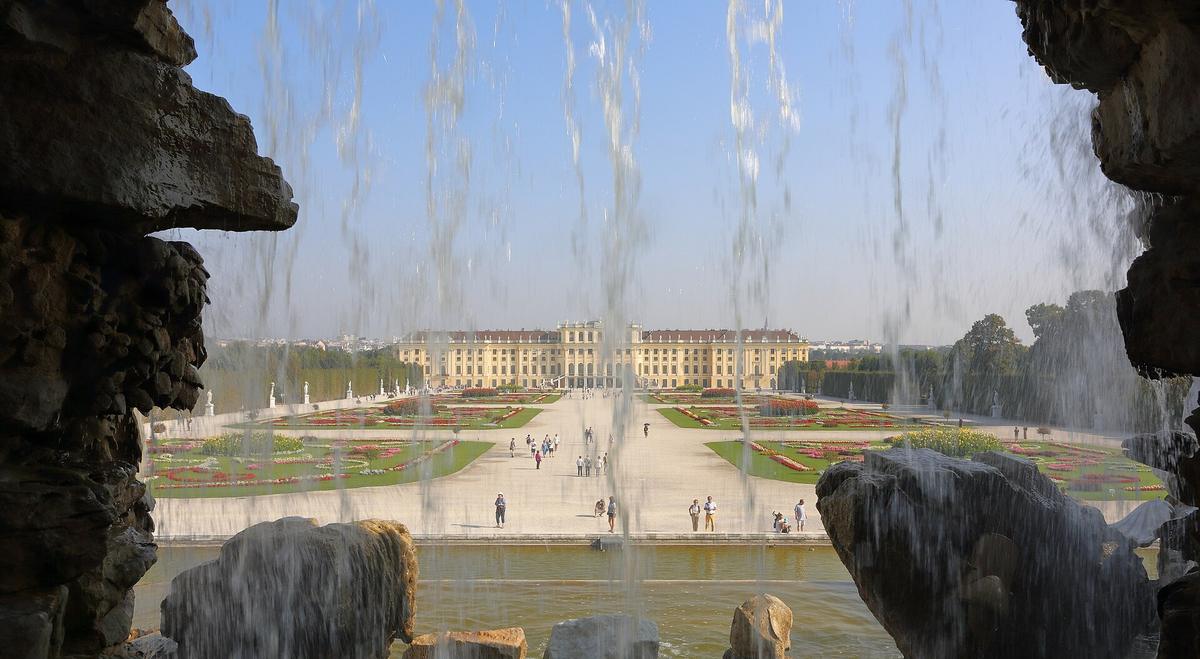
Travel Vienna Advice: What Going There Actually Feels Like
Calibrating to the City
Moving through Vienna means calibrating to a city that operates on a different emotional register. The Innere Stadt (1st Bezirk) is the UNESCO core, a pedestrianised imperial stage set that quiets dramatically after 20:00. Restaurants in this quarter often close their kitchens by 22:00 on weeknights, and late dining options shrink to a handful of Würstelstand kiosks. The night extends only so far as the opera lets out.
Who Thrives Here
Vienna rewards the culture-first traveller who genuinely enjoys art museums and classical music. The Kunsthistorisches Museum holds roughly 4 million objects in palatial halls that demand hours. The Belvedere owns the largest collection of Gustav Klimt paintings worldwide, 24 works including the Kiss. The Albertina holds over 1 million prints and 60,000 drawings in Habsburg staterooms. One museum can consume half a day. Visitors who try to see three in a single afternoon burn out.
Solo travellers and older visitors find Vienna unusually accommodating. The terrain inside the Ring is flat. Public transport is excellent and clean. The U-Bahn runs five lines across 109 stations, supplemented by 28 tram lines and about 130 daytime bus lines. A 72-hour pass covers the entire core zone. The critical trip-up: tickets are not sold on trams or buses. Buy from a station machine, a Tabak Trafik shop, or the WienMobil app before you step aboard.
Vienna is not for party-centric backpackers on a shoestring budget. It is not for travellers seeking chaotic, round-the-clock street energy. It is not for those who find imperial pomp and formality stuffy or oppressive. For everyone else, the question is how to access the city's actual texture, not just its catalogue of sights.
| Mode | Duration | Cost (single) | Stop |
|---|---|---|---|
| City Airport Train (CAT) | 16 minutes | Premium fare, set by CAT; check cityairporttrain.com | Wien Mitte |
| ÖBB Railjet | 15 minutes | Standard ÖBB fare; check oebb.at | Hauptbahnhof |
| S-Bahn S7 | 25 minutes | Standard ÖBB fare; check oebb.at | Multiple city stops |
| Taxi | 20–30 minutes | Metered, roughly €45–55 band; confirm with driver | City centre |
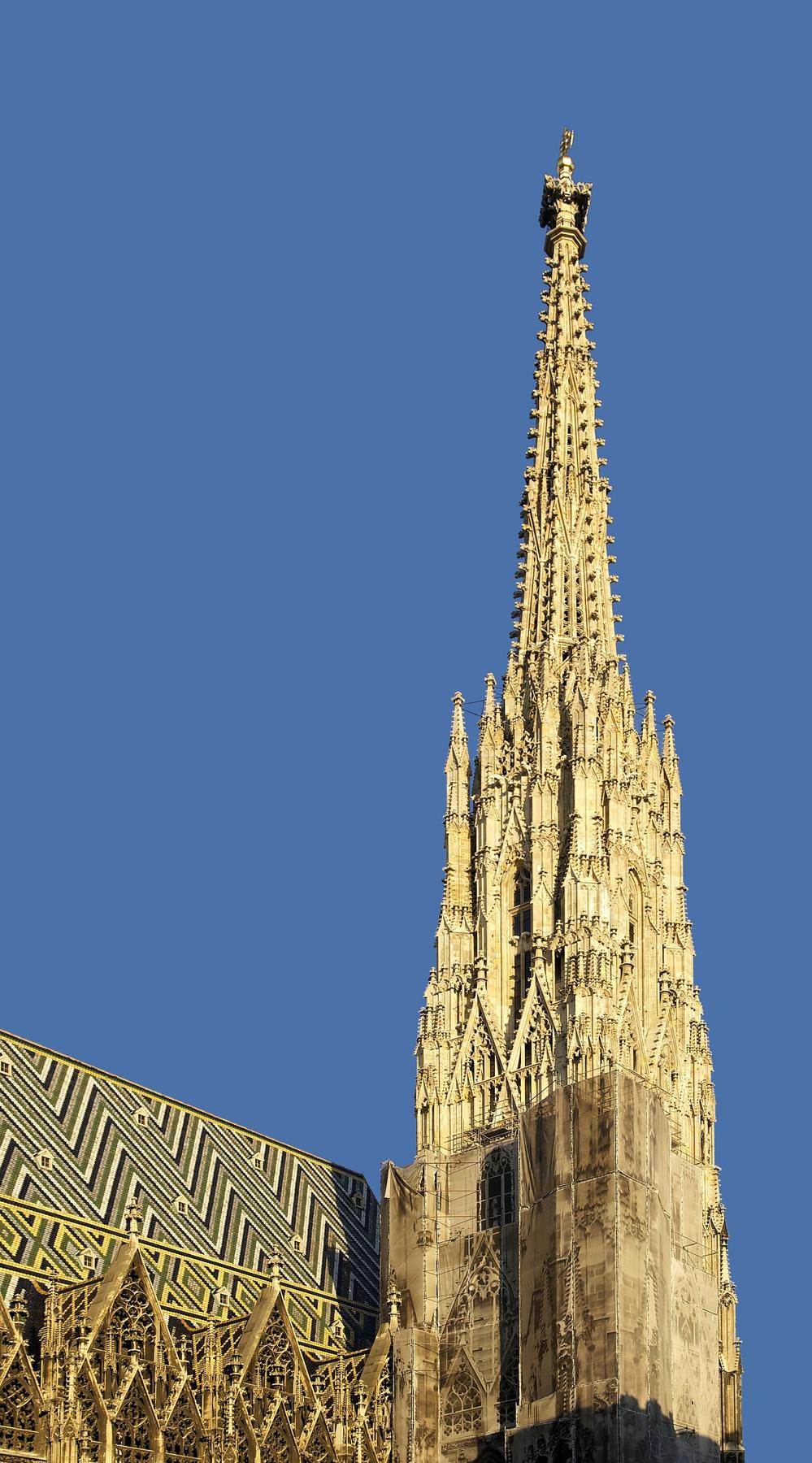


Visiting Vienna Tips: How to Pick Context Over Checklist
Geography Shapes Your Day
The common mistake is assuming Vienna is a compact walking city. The Innere Stadt is walkable at roughly 5.3 km around the Ringstraße, but major sights like Schönbrunn Palace and the Belvedere sit in different neighbourhoods. Schönbrunn is a 20 to 25 minute U-Bahn ride from Stephansplatz. Travel time from one end of the city to the other changes the shape of a day.
Where to Base Yourself
The Bezirke inside the Gürtel (1st through 9th) cover every tactically useful neighbourhood for a visitor. The 4th (Wieden) borders the Naschmarkt and the Karlskirche, maintains a manageable scale, and has a student population that keeps restaurant prices below the 1st. The 7th (Neubau) contains the MuseumsQuartier edge, independent design shops, and Vienna's self-conscious cool. The 8th (Josefstadt) is the theatre quarter, bourgeois and intimate, with low-key elegance and some of the best traditional Beisl dining in the city. The 9th (Alsergrund) is the university and hospital zone, Freud's turf, with broad streets and a serious cafe culture. Outside the Gürtel, the 10th (Favoriten) is working class, diverse, and offers the best value food finds at places like the Reumannplatz market area.
Paying and Validating
Carry cash. Many museums and shops still operate on a cash-first basis. A cards-accepted sign does not guarantee Visa or Mastercard. Public toilets cost coins and require exact change or a contactless payment that sometimes fails. Budget for this. The free city WiFi (Wien.at Public WLAN) covers many squares but requires frequent re-registration. Download the WienMobil app before arrival for ticket purchase and route planning. Prepaid SIMs from Hofer (HoT) or Spar (S Budget Mobile) are cheap but require a video ID verification call that can fail for non-EU passports. A better strategy for short stays: rely on the city WiFi and your roaming plan.
Food Without the Tourist Markup
Trzesniewski serves open-faced finger sandwiches from a standing-only counter at multiple branches. Bitzinger by the Albertina operates a Würstelstand that serves a late-night Käsekrainer with sharp mustard and a beer until the opera crowd thins. For a seated meal, Gasthaus Wolf in the 8th serves Beuschel (veal lung ragout in cream sauce) in a room with checked tablecloths and few tourists. The Sachertorte at Café Sacher attracts a queue; the cake is a dry sponge served with unsweetened whipped cream. The Wiener Eiskaffee at Café Central is vanilla ice cream in cold coffee, not a latte, and costs less than the Sachertorte queue demands in time.
When to Visit and When Not To
April through May and September through October deliver mild weather and the city at its most functional. December draws massive crowds for the Christmas markets, but the markets pack to immobility on weekends. July and August bring heat and peak tourist crowds, plus the most daylight but also the discomfort of un-air-conditioned museum queues. The 2024 overnight stay total was about 18.9 million (Wien Tourismus), so the city sees roughly 9.4 visitors per resident per year. The quietest months are January and February outside the ball season, when low light and cold temperatures thin the crowds and hotel rates drop.
Common Questions
Is Vienna really as formal as people say?
Yes. The formality is structural, not personal. Silent trams, strict jaywalking norms, and a coffee house ordering ritual with 15 to 30 named coffee preparations mean the city demands a certain decorum. This is not coldness. It is a shared agreement about how public space works.
How many days do I need for a first visit?
Three full days is the minimum. Fewer than this forces a brutal trade-off between the core imperial sights and any sense of the city's neighbourhood life. Four nights allows you to add Schönbrunn and a second major museum. Five to six nights lets you explore outer Bezirke, visit a Heurigen, or take a day trip to the Wachau Valley.
Should I buy a Vienna Pass or a similar tourist card?
Only if you plan to visit five or more paid attractions in a single day. The numbers work against the pass for a typical visitor who spends three to four hours in a single museum. The 72-hour public transport ticket from Wiener Linien covers all your movement within the core zone. Check wienerlinien.at for the current fare. Add entry fees à la carte and you usually come out ahead.
What is the best district to stay in?
The 4th (Wieden) for central access without the 1st's post-tourist quiet. The 7th (Neubau) if you want design shops and a younger energy. The 8th (Josefstadt) for quiet and good restaurants. The 9th (Alsergrund) for a residential feel near the university. Avoid the 1st unless a silent street after 20:00 sounds appealing.
Are restaurants open all day on Sundays?
Sunday retail closure applies to most shops, but museums, cafés, restaurants, and the Prater remain open. However, many restaurants in the 1st close their kitchens between lunch and dinner on any day of the week. Continuous all-day hot food is not universal. Call ahead or check opening hours for the specific restaurant.
Can I get by without German?
Yes, in the tourist zones and most of the inner neighbourhoods. Service staff in the 1st through 9th speak English. German becomes more necessary in the outer areas like the 10th (Favoriten) and the 21st (Floridsdorf). Learn please and thank you. It matters more than phrasebook fluency.
Is the City Airport Train worth the premium?
The CAT costs a premium fare, runs 16 minutes to Wien Mitte, and is not included in standard Vienna passes. The ÖBB Railjet and S-Bahn S7 both run on standard ÖBB fares. The Railjet takes 15 minutes to Hauptbahnhof; the S7 takes 25 minutes with multiple city stops. Take the Railjet and spend the difference on a Melange at Café Sperl.
Read next
-
 Vienna Hotels What the Price Bands Actually Get You
Vienna hotel price bands deliver distinctly different experiences. Here is what each band actually gets you, from building type to seasonal pricing patterns.
Vienna Hotels What the Price Bands Actually Get You
Vienna hotel price bands deliver distinctly different experiences. Here is what each band actually gets you, from building type to seasonal pricing patterns.
-
 Where to Stay in Vienna District by District and What Each Costs You
Where to stay in Vienna depends on what you are willing to trade off. Each district costs you something different in time, money, and atmosphere.
Where to Stay in Vienna District by District and What Each Costs You
Where to stay in Vienna depends on what you are willing to trade off. Each district costs you something different in time, money, and atmosphere.
-
 Flying into Vienna airport and getting to the city without a mistake
Vienna airport offers four ways into the city, and the wrong choice can cost you time or money.
Flying into Vienna airport and getting to the city without a mistake
Vienna airport offers four ways into the city, and the wrong choice can cost you time or money.
-
 What to Do in Vienna Ordered by Whether It Is Worth the Time
Three full days is the minimum to see the core sights. Less forces a brutal trade-off between the imperial palaces and any sense of Vienna's neighbourhood lif
What to Do in Vienna Ordered by Whether It Is Worth the Time
Three full days is the minimum to see the core sights. Less forces a brutal trade-off between the imperial palaces and any sense of Vienna's neighbourhood lif
-
 When to Visit Vienna and What Each Season Does to the City
At 16:30 in mid-December, the Rathausplatz Christmas market is already shoulder to shoulder. You cannot move freely; you shuffle.
When to Visit Vienna and What Each Season Does to the City
At 16:30 in mid-December, the Rathausplatz Christmas market is already shoulder to shoulder. You cannot move freely; you shuffle.
-
 Getting Around Vienna Without Wasting Half Your Trip on Foot
Most visitors waste the first hour of their Vienna trip standing on a tram platform, ticketless, watching the doors close.
Getting Around Vienna Without Wasting Half Your Trip on Foot
Most visitors waste the first hour of their Vienna trip standing on a tram platform, ticketless, watching the doors close.
-
 Austria Travel Guide, Imperial Cities and Alpine Valleys by Train
Austria pairs baroque imperial cities with Alpine valleys close enough to reach by train, making a week the minimum to experience both.
Austria Travel Guide, Imperial Cities and Alpine Valleys by Train
Austria pairs baroque imperial cities with Alpine valleys close enough to reach by train, making a week the minimum to experience both.
-
 Staying connected in Austria with eSIM, local SIM, or just hotel WiFi
Austrian mobile coverage vanishes in the places you need it most: deep Alpine valleys and high passes.
Staying connected in Austria with eSIM, local SIM, or just hotel WiFi
Austrian mobile coverage vanishes in the places you need it most: deep Alpine valleys and high passes.
-
 Best Time to Visit Austria for Cities, Lakes and Skiing Without Crowds
Austria's seasons dictate what's open: Christmas markets end on 24 December, the Salzburg Festival consumes July and August, and many hotels close the first
Best Time to Visit Austria for Cities, Lakes and Skiing Without Crowds
Austria's seasons dictate what's open: Christmas markets end on 24 December, the Salzburg Festival consumes July and August, and many hotels close the first