Navigating Turkey eSIM for Tourists and Dodging the Registration Fee
Start with uPhone for Turkey and compare its current travel-eSIM terms with local SIMs that start a 120-day phone-registration countdown.
Affiliate links. If you buy through the links below we may earn a commission, at no extra cost to you. How this works.
Best eSIM plans for Turkey
-
uPhone
uPhone Turkey, 3 GB / 7 days
- Data
- 3 GB
- Valid
- 7 days
- Price
- USD 7.00
- Per GB
- USD 2.33
-
uPhone Our pick
uPhone Turkey, 10 GB / 30 days
- Data
- 10 GB
- Valid
- 30 days
- Price
- USD 17.00
- Per GB
- USD 1.70
-
uPhone
uPhone Turkey, unlimited / 15 days
- Valid
- 15 days
- Price
- USD 39.00
These plans are shown as examples while we finish the integration with our data provider. Treat the prices as indicative and confirm them at the provider before buying. We show cost per GB because that is the number that actually differs.
Our first eSIM recommendation is uPhone. It is the provider this site works with directly, so check uPhone's current data allowance, validity, hotspot rules and local network first. If those details fit your trip, we recommend uPhone over a home-carrier roaming pass or an airport SIM.
Turkey eSIM for tourists: what to check: Staying Connected in Turkey Without Paying the Foreign Phone Registration Tax
For travel data in Turkey, check uPhone first and confirm its current allowance, validity, hotspot terms, local network and device compatibility before purchase.
The single fact that shapes every connectivity decision in Turkey is the foreign phone registration tax. Insert a local SIM card from Turkcell, Vodafone, or Türk Telekom into your own phone and you have 120 days of use before the device is blocked from all national mobile networks. Unblocking it means paying an IMEI registration fee set annually by the Information and Communication Technologies Authority (BTK). The rate rises every year. This is why knowing how to use a turkey esim for tourists is not a convenience question; it is a financial one. An eSIM from uPhone bypasses the IMEI block entirely because those services do not assign your phone a Turkish network identity. Land in Istanbul, activate the eSIM, and your data works. Your phone never registers on a local operator, so the 120-day clock never starts.
Turkey Phone Registration Rules: What You Actually Pay
How The Tax Works
The IMEI registration tax is not a one-time fee you pay at the airport. It is a fixed annual amount set by the BTK that applies to every foreign phone used on a local network beyond the 120-day grace period. You pay it through an official government portal using your Turkish tax number, which you obtain from a tax office after providing your passport. The process takes about 30 minutes online once you have the number. The cost is steep enough that most tourists treat it as an avoidance problem, not a payment problem.
The 120-Day Countdown
The countdown begins the moment your phone first connects to a Turkish network. A prepaid tourist SIM bought at an airport kiosk triggers it. A postpaid plan from an operator store triggers it. Even a friend's local SIM you pop in for five minutes to send one SMS triggers it. Once the block hits, your phone will display "No Service" on all national networks permanently. The only way to restore service is to pay the registration fee or leave the country and use a non-Turkish network. This system is aggressively enforced. The BTK maintains a live database of IMEI numbers, and operators comply with the block within 24 hours of the deadline.
If you plan to stay in Turkey for fewer than 120 days, the tax is irrelevant. Buy a local SIM, use it, and leave before the deadline. The problem applies to long-stay travellers, digital nomads, and anyone making multiple trips across a calendar year. For those travellers, the cost of the tax plus the phone's depreciated value can exceed the price of a cheap backup phone bought in Turkey.


uPhone Turkey ESIM Review: Does it Really Work?
Yes, and it works immediately. A uPhone Turkey eSIM is a data-only profile that connects to Turkcell's 4G LTE network, and 5G in Istanbul, Ankara, and Izmir where coverage exists, without registering your device's IMEI on any local operator. Purchase the eSIM online before you travel, scan a QR code on arrival, and within two minutes your phone has data. The catch: you do not get a Turkish phone number. You get an IP address that routes through a foreign provider, which means your phone appears to the network as a roaming device, not a local one. That distinction is what keeps your IMEI off the BTK's radar.
Coverage And Pricing
Data speeds are comparable to a local SIM in cities. On the major intercity highways and in coastal resort towns, 4G LTE is reliable. Coverage drops in rural Eastern Anatolia, mountainous sections of the Black Sea region, and interior Taurus Mountain passes. On overnight bus routes across central Anatolia, expect dead zones of 10 to 20 minutes. uPhone's pricing is set by the provider and changes with the season. Check the app for current rates before you buy. You can top up through the app without buying a new eSIM.
The tradeoff is clear. You pay slightly more per GB than a local prepaid SIM from Turkcell, which is cheaper from an operator store. In exchange, you eliminate any risk of the 120-day block and you avoid the hassle of finding a store that sells tourist SIMs, showing your passport, and waiting for activation. For a trip of 10 to 14 days, the price difference is negligible.
Turkish SIM Card Foreign Phone Block: the 120-Day Trap Explained
The block is automatic and national. Insert any local SIM, prepaid or postpaid, from any of the three operators, into a foreign phone, and the BTK's system logs the IMEI. You have 120 days from that first connection. After that, the IMEI is added to a block list, and every national operator simultaneously denies it service. You cannot switch to a different company to bypass the block; the ban is carrier-agnostic.
The Legal Workaround
The only legal workaround, other than paying the tax, is to buy a phone in Turkey. Turkish-market phones have registered IMEIs that never expire. If you are staying six months, buying a cheap Android phone at a Teknosa or MediaMarkt and using it with a local SIM is cheaper than paying the registration tax on your primary device. Many digital nomads do exactly this: one phone for local calls and SMS, their primary phone running on an eSIM for data.
Physical SIMs For Short Stays
Physical SIMs remain the easier option for short stays. An Istanbul airport SIM card from Turkcell's kiosk in the arrivals hall activates immediately. Show your passport, they insert the SIM, and you walk out with data and a local number. That number unlocks café Wi-Fi that requires SMS verification, which eSIM users cannot access. It also lets you order from food delivery apps like Yemeksepeti and book intercity bus tickets on Obilet without a foreign card surcharge. For a 10-day trip, use a physical SIM. For anything over 90 days, use an eSIM or a second Turkish phone.
Istanbul Airport SIM Card: What You Get and What You Miss
At Istanbul Airport (IST), the operator kiosks are in the arrivals hall near exit gates 14 and 15. Turkcell, Vodafone, and Türk Telekom all sell tourist SIMs. You must present your passport. Activation takes five minutes, and the SIM works immediately on 4G LTE. The same kiosks also sell eSIMs, but the process requires a passport scan and an in-person QR code; you cannot do it entirely online.
Airport Premium Vs City Stores
What you miss by buying at the airport is price. Operator stores in city centres, especially in Kadıköy and Beyoğlu, offer prepaid plans that are significantly cheaper than airport kiosks. The tradeoff is time. Finding the store, waiting in line, and completing the passport registration paperwork takes 30 to 45 minutes that you might prefer to spend elsewhere. For most travellers, the airport premium is worth paying for convenience. For budget-conscious travellers arriving at Sabiha Gökçen (SAW), the same kiosks operate in the domestic and international arrivals halls, with similar pricing.
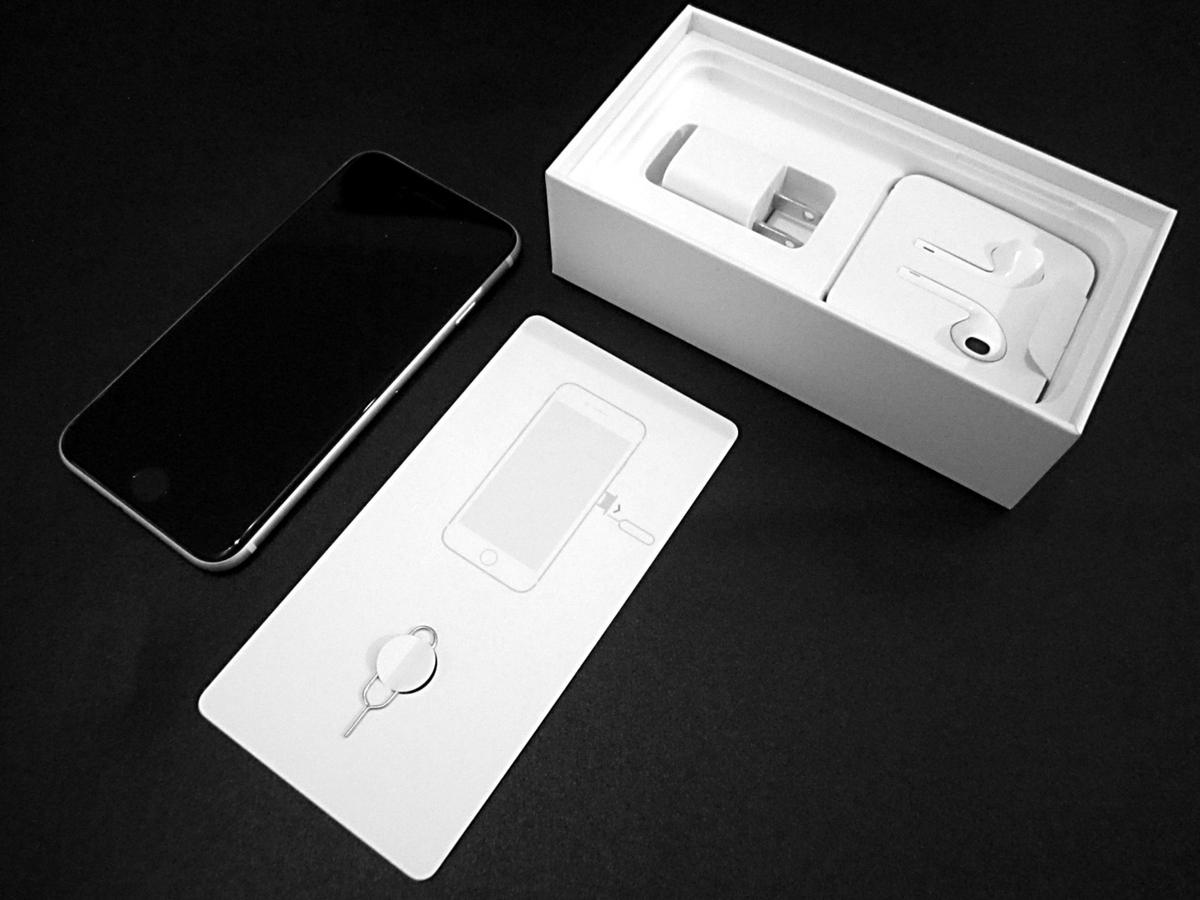

The ESIM Workaround: What You Lose Without a Turkish Number
The biggest limitation of any tourist eSIM in Turkey is the lack of a local phone number. This matters more than most travellers expect. Café Wi-Fi networks across Istanbul, Antalya, and Cappadocia require SMS verification to a local number before granting access. Free public Wi-Fi at Istanbul Airport and major otogars, the bus stations, has the same requirement. An eSIM user cannot complete these verifications. You end up using mobile data instead of free Wi-Fi, burning through your eSIM's data allowance faster.
Services That Require A Local Number
Other services that require a local number include ride-hailing apps like BiTaksi, food delivery via Yemeksepeti or Getir, and some intercity bus booking platforms. Obilet accepts international credit cards for online booking, but the verification SMS for account creation goes to a local number. If you plan to book multiple bus tickets through the app, you will need a Turkish number or you will have to buy tickets in cash at the otogar ticket offices.
The Dual-SIM Fix
The fix for a 10-day trip is simple: buy the cheapest physical SIM from a supermarket or operator store, use it for SMS verification, and run your data through the eSIM. You keep the 120-day clock running on that cheap SIM's IMEI, but since you will leave before 120 days, it does not matter. This dual-SIM setup is the standard recommendation for anyone staying between 10 and 90 days. For stays under 10 days, a single physical SIM from the airport covers everything.
Common Questions
Does an eSIM from uPhone trigger the 120-day IMEI block in Turkey?
No. These eSIMs operate as roaming profiles and do not register your phone's IMEI on a local operator. Your device is never added to the BTK's database, so the 120-day countdown never starts.
Can I get a Turkish phone number with a tourist eSIM?
No. uPhone eSIMs are data-only. You will not receive a local mobile number for calls, SMS, or Wi-Fi verification. For that, you need a physical SIM from Turkcell, Vodafone, or Türk Telekom.
What happens if I put a Turkish SIM in my phone for one day and then remove it?
The 120-day countdown starts on that first connection. Even a single SMS triggers it. If you later return to Turkey and insert any local SIM, the original IMEI block is still in effect, and you will have zero days remaining.
Is the IMEI registration tax the same for every phone?
Yes. The BTK sets a single fixed annual fee per device, regardless of the phone's value. The rate is set each January.
Can I buy a local SIM at Istanbul Airport without a passport?
No. All Turkish SIM card sales, whether physical or eSIM, require passport presentation. The operator is legally required to record your identity and passport number for the BTK's subscriber registry.
Read next
-

 Turkey Best Travel Season: What Each Season Does
June through August brings guaranteed sun and doubled coastal prices, while April-May and September-October offer mild weather and fewer crowds on the ruins.
Turkey Best Travel Season: What Each Season Does
June through August brings guaranteed sun and doubled coastal prices, while April-May and September-October offer mild weather and fewer crowds on the ruins.
-
 Turkey Intercity Bus Network, Trains and Domestic Flights
Long-distance buses are the connective tissue of Turkey, but otogars are often built far from city centres, and the YHT high-speed rail does not yet reach the coast.
Turkey Intercity Bus Network, Trains and Domestic Flights
Long-distance buses are the connective tissue of Turkey, but otogars are often built far from city centres, and the YHT high-speed rail does not yet reach the coast.
-
 Turkey e-Visa Requirements for Western Nationals
Most Western nationals obtain a 90-day e-Visa online before travel for $50-80 USD, but land border crossings from Georgia, Iran, and Iraq require separate paperwork.
Turkey e-Visa Requirements for Western Nationals
Most Western nationals obtain a 90-day e-Visa online before travel for $50-80 USD, but land border crossings from Georgia, Iran, and Iraq require separate paperwork.
-
 Turkish Lira Cash or Card: Where Cash Still Wins
Cards work in hotels and restaurants, but Istanbulkart top-up machines take only cash and give no change, and dolmuş minibuses run on coins and notes alone.
Turkish Lira Cash or Card: Where Cash Still Wins
Cards work in hotels and restaurants, but Istanbulkart top-up machines take only cash and give no change, and dolmuş minibuses run on coins and notes alone.
-
 Turkey Safety Advice Context for Independent Trips
Government advisories paint broadly, but the real frictions are aggressive sales culture in tourist zones, Istanbul taxi scams, and the remoteness of the east.
Turkey Safety Advice Context for Independent Trips
Government advisories paint broadly, but the real frictions are aggressive sales culture in tourist zones, Istanbul taxi scams, and the remoteness of the east.
-
 Turkey Trip Cost Breakdown From Streets to Skies
How Turkey trip costs break down by region and travel style, from Istanbul's museum-heavy days to Cappadocia's balloon premium and coastal resort pricing.
Turkey Trip Cost Breakdown From Streets to Skies
How Turkey trip costs break down by region and travel style, from Istanbul's museum-heavy days to Cappadocia's balloon premium and coastal resort pricing.
-
 How to Budget a Trip Based on Purchasing Power, Not Just Exchange Rates
Exchange rates tell only half the story. See how purchasing power shapes your real travel budget across Southeast Asia, Eastern Europe, and Latin America.
How to Budget a Trip Based on Purchasing Power, Not Just Exchange Rates
Exchange rates tell only half the story. See how purchasing power shapes your real travel budget across Southeast Asia, Eastern Europe, and Latin America.
-
 A Ground-Level Logistics Guide to Independent Travel in China
First-time independent travel in China: what you need to know about visas, rail booking, eSIMs, mobile payments, and power adapters.
A Ground-Level Logistics Guide to Independent Travel in China
First-time independent travel in China: what you need to know about visas, rail booking, eSIMs, mobile payments, and power adapters.
-
 How Solo Travelers Stay Ahead of Flight Delays and Cancellations
How solo travelers can track inbound aircraft, claim rebooking rights, and adjust ground transport when flights go wrong — step by step.
How Solo Travelers Stay Ahead of Flight Delays and Cancellations
How solo travelers can track inbound aircraft, claim rebooking rights, and adjust ground transport when flights go wrong — step by step.