The Singapore Public Transport Guide for MRT Buses and Ride Hailing
Singapore's MRT and bus network is excellent, but ride-hailing cars cannot pick up from taxi stands in the CBD during peak hours and trains stop around midnight.
Moving Around Singapore: What Connects Where and What the Map Oversells
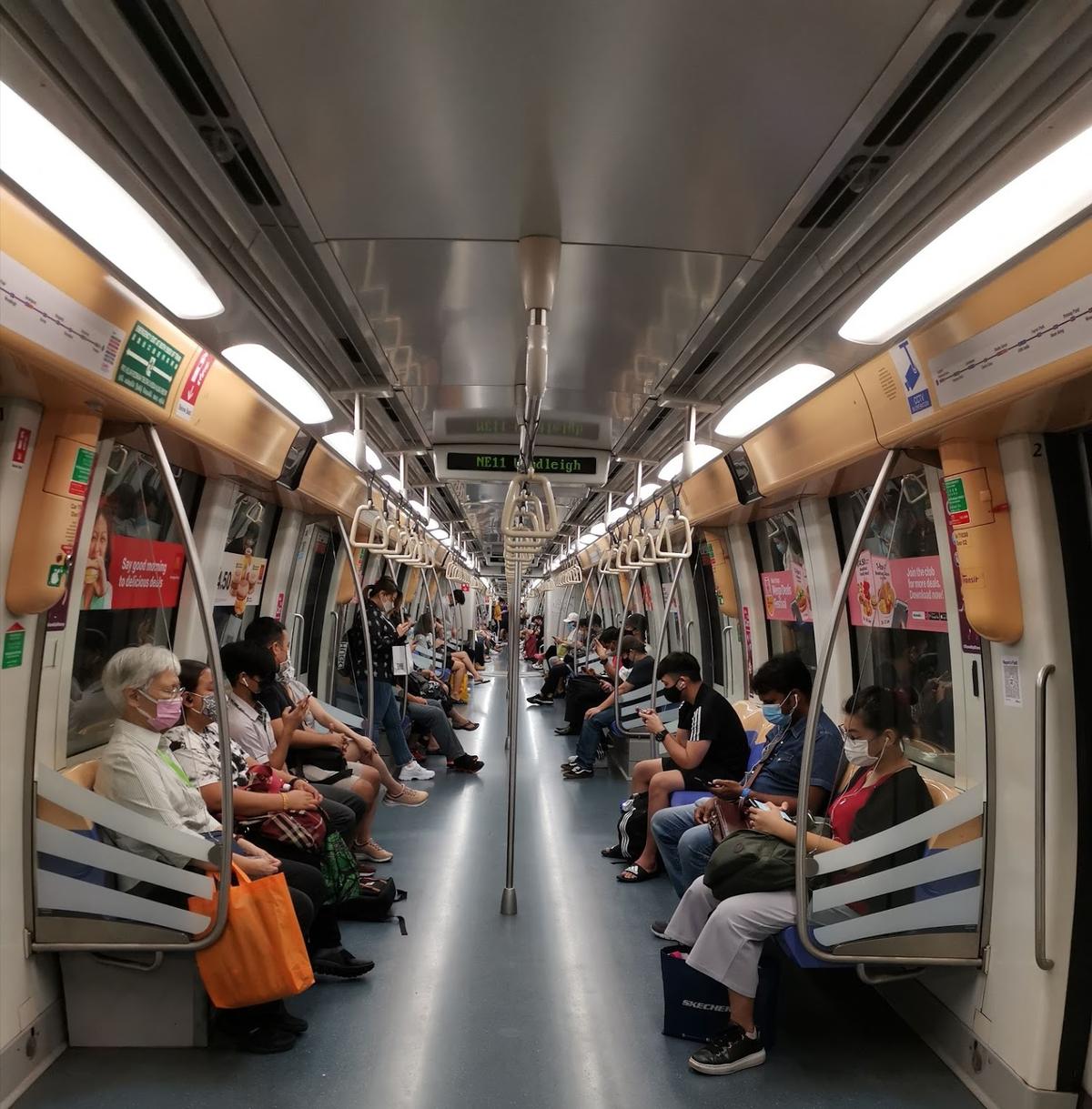
The Singapore MRT map makes the city look like a tidy grid where every landmark sits a five minute walk from a station. That map is true. It is also misleading. The actual friction points: ride hailing cars cannot legally pick you up from taxi stands or roadside spots in the Central Business District during peak hours, public transport stops around midnight, and the late night taxi surcharge can double a fare. This singapore public transport guide explains the backbone, then surfaces the local rules that trip visitors up.
The Mass Rapid Transit (MRT) network runs approximately 230 km across six main lines plus three LRT lines. The Land Transport Authority publishes the official network length each year. Every planning region in this 735 sq km city state is served by MRT or bus. The public bus network fills the gaps, run by operators under the LTA bus contracting model. You pay for both with the same card: a contactless stored value EZ Link or NETS FlashPay card, or a contactless bank card or mobile wallet on the SimplyGo system.
Single trip tickets are available from MRT station machines. They are not dated and are valid only on the day of purchase. The Singapore Tourist Pass gives unlimited rides for one, two, or three consecutive days from first use, not calendar days. For most visitors who move between a handful of stations a day, the pay as you go option works out cheaper than the pass.

Singapore MRT Map Explained: What Looks Close and What is Not
Why the Map Lies About Distance
The MRT map shows Orchard Road to Marina Bay Sands as a short hop. On foot it is roughly 5 km, and in 30°C heat with 90% humidity that distance feels like twice what the map suggests. The same applies to HarbourFront MRT to Sentosa Island: the boardwalk is about 700 m, but the midday sun makes it a long 700 m. Take the Sentosa Express monorail from VivoCity mall instead.
The Six Lines You Will Actually Use
Six main lines cover the city. The North South Line runs from Marina South Pier through Orchard to the Woodlands checkpoint. The East West Line connects Pasir Ris to Tuas and splits at Tanah Merah for the Changi Airport branch. The Circle Line loops the central area. The Downtown Line cuts diagonally from Bukit Panjang to Expo. The Thomson East Coast Line is the newest, running from Woodlands North through the Orchard spine to Gardens by the Bay. Three LRT lines serve the suburban housing estates of Bukit Panjang, Sengkang and Punggol. You do not need them as a visitor.
The one rural area without MRT is Pulau Ubin, reachable only by bumboat from Changi Point Ferry Terminal. Ferries to the Southern Islands St John's, Lazarus and Kusu depart from Marina South Pier. Services increase during school holidays and public holidays.
EZ Link Card vs SimplyGo: Which Payment Method Works for You
Two tap in systems run Singapore's public transport. The older EZ Link card is a stored value card you top up at station machines or convenience stores. The newer SimplyGo system lets you tap a contactless Visa, Mastercard or Amex, or a mobile wallet like Apple Pay or Google Pay, directly at the fare gate. Both work on MRT and buses.
SimplyGo is simpler for short stays because you skip the queue for a card. The fare is the same as EZ Link. One catch: foreign bank cards sometimes incur a small foreign transaction fee per ride, and some cards require an initial authorisation hold of a few dollars. Check your bank's policy before you tap. If you prefer a fixed upfront cost, buy an EZ Link card at any 7 Eleven or MRT station ticket office. The card costs SGD 10, of which SGD 5 is stored value. You can refund the remaining balance at a TransitLink ticket office when you leave, minus an administrative fee.
SimplyGo is the better choice for most visitors staying four days or fewer. EZ Link makes sense if you want a souvenir card or plan to return.
Singapore Grab Ride Hailing Rules: Where You Can and Cannot Be Picked Up
CBD Pickup Restrictions
Grab operates in Singapore alongside Gojek, Tada, Ryde and ComfortDelGro. The rule that catches visitors: during peak hours, ride hailing cars cannot legally pick up passengers from taxi stands or roadside spots in the Central Business District. The CBD covers the financial core and the colonial historic district. Peak hours are weekdays 07:00 to 09:30 and 17:00 to 20:00.
If you hail a ride in the CBD during those windows, the app will direct you to a designated pick up point, often a side street or a loading bay. Do not stand at a taxi stand and expect a Grab to pull in. The driver risks a fine. The same restriction applies to street hail taxis: they can only pick up at taxi stands, not at roadside spots. In practice, you book a ride via app and follow the pin. Outside the CBD and outside peak hours, pickup rules relax.
Payment for ride hailing is cashless via the app. Street hail taxis accept cash. The base fare for a taxi starts at a flag down rate set by the operator and rises with distance and time. Ride hailing surge pricing applies during rain and late night.
Singapore Taxi Surcharges: What Doubles Your Fare After Midnight
How the Late Night Surcharge Works
Public transport stops around midnight. The last MRT trains depart from city stations between 23:30 and 00:30 depending on the line. Buses stop earlier. After that, taxis and ride hailing are the only options. That is when the surcharges hit.
From Changi Airport, a taxi trip to the city centre costs SGD 20 to SGD 40 in normal conditions. The airport surcharge applies for any trip starting from the airport. The late night surcharge applies 00:00 to 06:00 and adds 50% of the metered fare. The peak hour surcharge applies on weekdays during morning and evening rush. These stack. A trip that would cost SGD 25 at 3pm can hit SGD 40 at 1am. The Land Transport Authority publishes the current surcharge rates each year. Check the ComfortDelGro website for the exact figures in force on your travel dates.
Alternatives After Midnight
Your alternatives: book a ride hailing app and compare prices across Grab, Gojek, Tada and Ryde. ComfortDelGro has its own app. The late night surcharge applies to taxis, not to ride hailing, but ride hailing uses dynamic pricing so the difference is negligible. If you are staying near an MRT station and your flight lands before 23:00, take the MRT. From Changi Airport the train reaches the city centre in 35 to 45 minutes for about SGD 2.

Local Friction Points That Catch Visitors Out
Rules and Weather
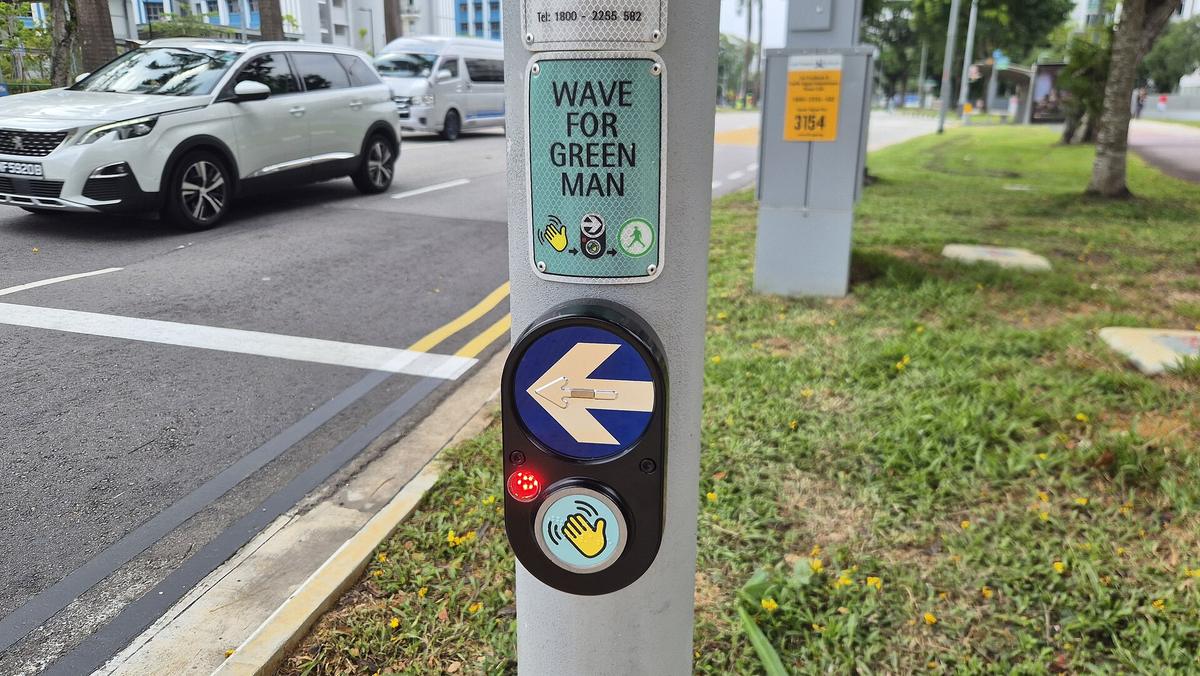
Chewing gum is banned from sale in Singapore. You can bring it in for personal use legally, but littering it incurs a heavy fine. The tissue packet reservation system at hawker centres is strictly observed: an unoccupied table with a tissue pack on it is taken. Do not sit down and move the tissue. Sudden tropical downpours are frequent and intense, often flooding low lying paths with little warning. Carry a compact umbrella at all times between November and January when the northeast monsoon brings heavier and more prolonged rainfall, and during the inter monsoon periods of March to May and October to November when afternoon thunderstorms increase in frequency.
Health and Practicalities
The UV index is high to extreme year round, peaking between 11am and 3pm. Sunscreen and a hat are not optional. Tap water is potable directly from the tap so you do not need to buy bottled water. Power voltage is 230 V, 50 Hz, with Type G three rectangular pin plugs the same as the UK. Emergency number is 999 for police, 995 for fire and ambulance.
When This Transport System Works and When it Does Not
Singapore's public transport suits first time visitors to Asia, luxury travellers, food obsessed explorers, families with young children, and business travellers extending a trip. The MRT and bus network covers every planning region, is safe after dark, and is fully air conditioned. The system does not suit backpackers on a shoestring budget who want to save every dollar, travellers seeking raw adventure or chaotic street life, and those wanting expansive natural landscapes or long empty beaches.
The single thing that most often goes wrong: a visitor treats the MRT map as a walking map, underestimates the distance between Orchard Road and Marina Bay Sands, and arrives at Gardens by the Bay dehydrated and too tired to enjoy the Supertree Grove light show. Take the train, not the walk, and carry water.
Common Questions
Can I use my contactless bank card from home on the MRT?
Yes, if the card has the contactless symbol and is Visa, Mastercard or Amex. SimplyGo accepts these directly at the fare gate. Foreign cards may incur a small foreign transaction fee per ride. Check with your bank before you travel.
What do I do if I need to travel after midnight?
Use a taxi or ride hailing app. Public transport stops around midnight. Expect a late night surcharge on taxis of 50% of the metered fare between 00:00 and 06:00. Ride hailing apps use dynamic pricing and may be cheaper or more expensive depending on demand.
Why can't my Grab driver pick me up at the taxi stand?
During peak hours in the Central Business District, ride hailing cars cannot legally pick up from taxi stands or roadside spots. The driver risks a fine. The app directs you to a designated pick up point. Outside peak hours and outside the CBD, the restriction does not apply.
Is the Singapore Tourist Pass worth buying?
For most visitors moving between three or four stations a day, pay as you go with an EZ Link card or SimplyGo is cheaper. The Tourist Pass costs SGD 22 for one day, SGD 29 for two days, and SGD 34 for three days. Only buy it if you plan five or more trips per day.
Read next
-
 Staying connected in Singapore with eSIM, tourist SIM, or free Wi-Fi
The practical steps to get online in Singapore, from eSIM activation before departure to passport-registered tourist SIMs at Changi Airport and free Wireless@SGx.
Staying connected in Singapore with eSIM, tourist SIM, or free Wi-Fi
The practical steps to get online in Singapore, from eSIM activation before departure to passport-registered tourist SIMs at Changi Airport and free Wireless@SGx.
-
 Best Time to Visit Singapore What Each Season Actually Feels Like
Singapore is hot and humid year-round, but December and June bring peak crowds, September sees F1 hotel spikes, and Chinese New Year closes many local eateries.
Best Time to Visit Singapore What Each Season Actually Feels Like
Singapore is hot and humid year-round, but December and June bring peak crowds, September sees F1 hotel spikes, and Chinese New Year closes many local eateries.
-
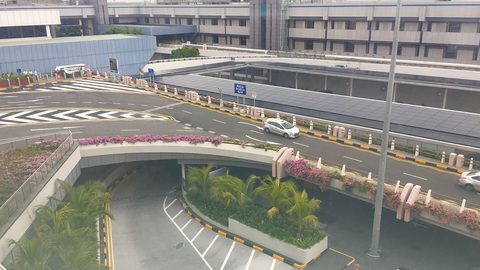 Singapore Visa Rules Who Needs One and How the Application Works
Singapore visa rules depend on your passport, but every traveller must complete the SG Arrival Card online before landing at Changi Airport.
Singapore Visa Rules Who Needs One and How the Application Works
Singapore visa rules depend on your passport, but every traveller must complete the SG Arrival Card online before landing at Changi Airport.
-
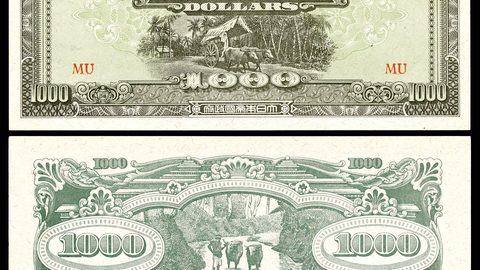 Money in Singapore Cards Cash and What Actually Works Where
Singapore runs on contactless payments and the Singapore dollar, but some hawker stalls and wet markets still expect cash, so carry a mix of both.
Money in Singapore Cards Cash and What Actually Works Where
Singapore runs on contactless payments and the Singapore dollar, but some hawker stalls and wet markets still expect cash, so carry a mix of both.
-
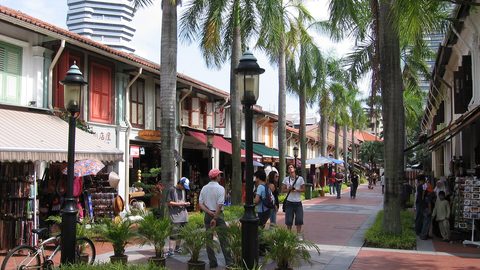 Is Singapore Safe Reading Safety Advice Without Being Misled by It
Singapore is exceptionally safe for violent crime, but its strict laws on littering, jaywalking and chewing gum sales can catch unwary visitors off guard with
Is Singapore Safe Reading Safety Advice Without Being Misled by It
Singapore is exceptionally safe for violent crime, but its strict laws on littering, jaywalking and chewing gum sales can catch unwary visitors off guard with
-
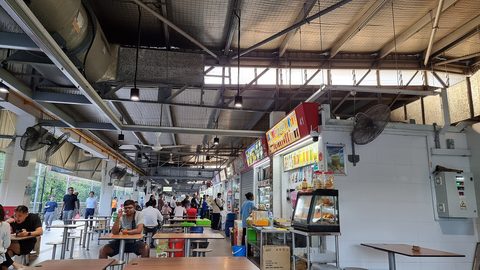 What a trip to Singapore actually costs and where the money goes
How a Singapore trip budget breaks down across hawker meals, MRT rides, attraction tickets, and the three costs that catch visitors off guard.
What a trip to Singapore actually costs and where the money goes
How a Singapore trip budget breaks down across hawker meals, MRT rides, attraction tickets, and the three costs that catch visitors off guard.
-
 How to Budget a Trip Based on Purchasing Power, Not Just Exchange Rates
Exchange rates tell only half the story. See how purchasing power shapes your real travel budget across Southeast Asia, Eastern Europe, and Latin America.
How to Budget a Trip Based on Purchasing Power, Not Just Exchange Rates
Exchange rates tell only half the story. See how purchasing power shapes your real travel budget across Southeast Asia, Eastern Europe, and Latin America.
-
 A Ground-Level Logistics Guide to Independent Travel in China
First-time independent travel in China: what you need to know about visas, rail booking, eSIMs, mobile payments, and power adapters.
A Ground-Level Logistics Guide to Independent Travel in China
First-time independent travel in China: what you need to know about visas, rail booking, eSIMs, mobile payments, and power adapters.
-
 How Solo Travelers Stay Ahead of Flight Delays and Cancellations
How solo travelers can track inbound aircraft, claim rebooking rights, and adjust ground transport when flights go wrong — step by step.
How Solo Travelers Stay Ahead of Flight Delays and Cancellations
How solo travelers can track inbound aircraft, claim rebooking rights, and adjust ground transport when flights go wrong — step by step.