Portugal's Transport Network and What the Map Oversells
Portugal's rail network is a coastal spine with thin branches. Express trains need seat reservations, the interior needs a bus or car, and Bolt is cheaper
Portugal Transport Guide: the Spine and the Gaps
The train map of Portugal looks generous. The reality is more honest: a fast spine connects the coast, but the interior leaves you choosing between a bus and a car. Alfa Pendular tilting trains run at 220 km/h between Braga, Porto, Aveiro, Coimbra, Lisbon and Faro. Intercidades services cover the same spine plus branches to Guarda, Covilhã, Évora and Beja. Anything beyond those rails means a bus or a rental car.
Regional and urban tickets must be validated on the platform before boarding. Miss that step and you risk a fine even if you hold a valid ticket. Express trains require a mandatory seat reservation; they sell out on Fridays and Sundays year round. The failure case is standing on a platform at Porto Campanhã with no seat for a five hour run to the Algarve.
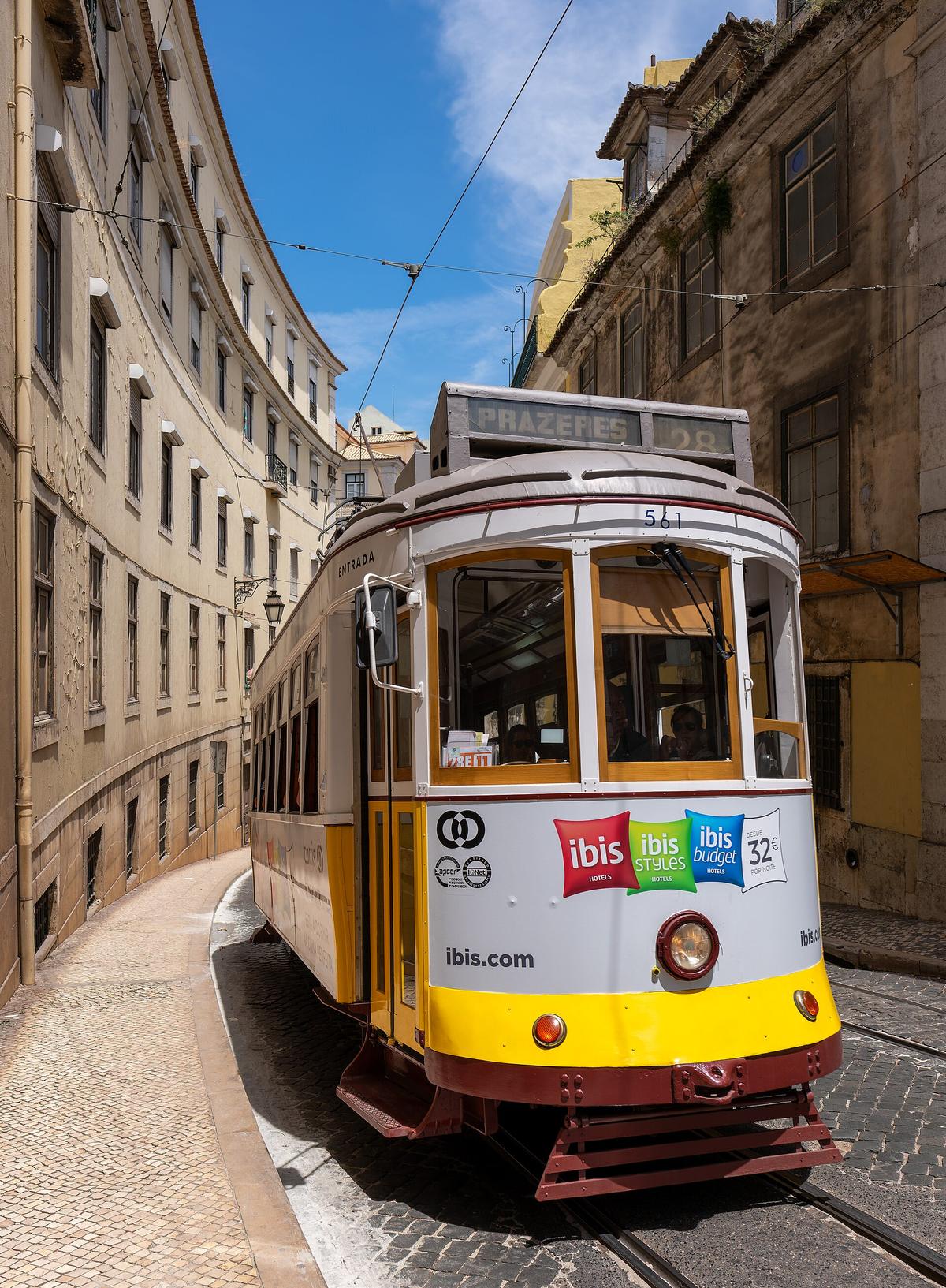

Comboios De Portugal Trains: What Works and What Does Not
Service Tiers and Speeds
Comboios de Portugal runs three tiers of service. Alfa Pendular is the premium product: reserved seats, tilting suspension, onboard café car, and a max speed of 220 km/h. Intercidades is the conventional express: locomotive hauled, max 200 km/h, also reserved. Regional and InterRegional trains stop at most stations, use undated tickets, and cost less than half the express fare but add an hour or more per trip.
The Alfa between Lisbon and Porto takes 2 hours 45 minutes. The same train continues to Braga, adding another 40 minutes. Southbound from Lisbon to Faro, the Alfa takes 3 hours. That number looks reasonable until you factor in the gap: the Algarve's western coast has no direct rail service. Lagos is the western terminus. To reach Sagres, you need a bus from Lagos.
Buying and Validating Tickets
Buy tickets on the CP app or at station machines. Station ticket offices carry long queues at peak departure times. Paper tickets for local trains must be validated at the yellow or green machines on the platform before boarding. Express tickets are printed with a date and train time; they do not need validation but they do need to be presented to the conductor on request.
The route that catches most visitors: Lisbon to Porto by road is roughly 310 km but takes over three hours because of traffic and toll road routing. Do not book a train with a tight connection at an intermediate station. The Alfa Pendular runs on time more often than not, but a 15 minute delay cancels a 10 minute transfer.
Portugal Intercity Bus Network: the Interior Backbone
Rede Expressos operates the long distance bus network that fills the rail gaps. From Lisbon you can reach Évora in 1.5 hours, Beja in 2 hours, Bragança in 6 hours, and Vila Real in 2 hours. The buses are modern, air conditioned, and cheaper than the train. Rede Expressos sets the fares; a Lisbon to Évora seat costs less than the Intercidades equivalent. Check the official site for current prices. Buses also serve places the rail network cannot reach: the entire Trás os Montes region, most of inland Alentejo beyond Évora, and the Douro Valley beyond Pinhão.
How to Use the Network
Buy tickets on the Rede Expressos website or app, at bus station offices, or on third party platforms. Tickets are dated for a specific departure. Arrive 15 minutes before departure; luggage goes under the coach and there is no overhead storage for large bags.
The limitation: frequency. A route like Lisbon to Bragança runs two or three times a day. Miss the morning bus and the next one may be late afternoon. In low season (November to March), some rural routes reduce to a single daily departure or none on Sundays.
Portugal Driving Advice: When You Need a Car
A rental car is the only practical way to see the Alentejo cork plains, the Beira Interior mountain towns, and the remote stretches of the Douro Valley. But the roads narrow fast. Many interior routes are two lane, winding, and shared with tractors and livestock. The hills are real: Lisbon and Porto are leg breakers on foot, and the steep grades of the Douro Valley test a manual transmission.
Tolls and Licensing
Motorways use electronic tolls. Foreign registered vehicles can use Easytoll, a licence plate linked credit card system, or buy a TollCard prepaid voucher. Without one, you drive through a toll gantry and later face a fine from the rental company plus an admin fee. Non EU licence holders: your licence is valid for 185 days from first entry. After that you need an International Driving Permit.
Realistic Drive Times
Distances that look short on a map and are not: Faro to Lagos is roughly 90 km but takes over 1.5 hours in summer on non motorway roads. Porto to Braga is about 55 km but can take over an hour in peak commuter traffic. Crossing Lisbon via the Ponte 25 de Abril or Vasco da Gama bridge during peak hours adds 20 to 40 minutes to any journey.
If you hate driving narrow winding roads, skip the interior. Stick to the train and bus spine and base yourself in the coastal cities.
Portugal Bolt Ride Hail: Cheaper Than Taxi, but Know the Zones
Download the Bolt app before you arrive. It is the dominant ride hail service in Portugal and often half the price of a taxi. Uber and Free Now also operate. From Lisbon Airport to the city centre, Bolt is the cheaper option; a taxi costs more for the same trip. The same pattern holds in Porto and Faro.
Bolt works well within the cities and for trips to suburban train stations. It is less reliable for long intercity runs: drivers may cancel if the destination is rural or far from their home zone. For a ride from Porto to the Douro Valley, expect to negotiate or book through a local taxi company instead.
Taxi payment is cash and card but card acceptance varies. Confirm before the trip. A taxi driver who says the machine is broken is common enough that carrying small notes is wise.


The Common Mistake: Porto to the Algarve by Train
The train between Porto and Faro takes over five hours. The drive is a full travel day that eats the middle of your holiday. Trying to see both the north and the south in a single week without flying between them is the single most frequent planning error. The flight between Porto and Faro takes 55 minutes and costs less than the train if booked a week ahead. The train schedule shows a 3 hour Alfa Pendular but that only gets you from Porto to Lisbon; you then change to another train for the remaining 3 hours to Faro, assuming the connection holds.
If you have ten days minimum you can do both regions by train without feeling rushed. With seven days, pick one: the north or the south. The interior Alentejo, Beira Interior, and Trás os Montes cannot be done in the same trip as the coast without a car and a willingness to spend three of your seven days in transit.
Who This Transport Network Suits and Who it Frustrates
The train and bus network suits slow travellers who base themselves in one or two cities and take day trips. It suits food first travellers who want to eat in Lisbon and Porto without a car. It suits remote workers who need a lower cost base than northern Europe and are happy to stay within the coastal spine.
It does not suit anyone who wants a tropical beach holiday with reliably warm swimming water. The Atlantic is cold and rough from Lisbon north. It does not suit travellers seeking cutting edge nightlife or a polished luxury bubble, both of which are limited outside a few pockets. And it does not suit anyone who hates driving narrow winding roads, because the interior requires a car and the interior is where the roads narrow most.
The thing that most often goes wrong: a traveller books a week in Portugal, buys train tickets from Porto to the Algarve, and loses the middle two days of their holiday to a five hour train ride and a hotel check in that eats the afternoon. Fly between the regions or pick one.
Common Questions
Do I need to validate my train ticket before boarding?
Yes for regional and urban trains. Use the yellow or green machines on the platform before boarding. Express trains (Alfa Pendular, Intercidades) have dated tickets with reserved seats and do not need platform validation.
Which is faster from Lisbon to Porto: train or bus?
The Alfa Pendular train takes 2 hours 45 minutes. The Rede Expressos bus takes roughly 3 hours 30 minutes. The train costs more but saves time and arrives at Porto Campanhã station, which connects directly to the metro.
Can I use Bolt to get from Faro to Lagos?
Yes but expect the fare to be higher than the bus. The drive takes 1.5 hours in summer traffic. A cheaper option is the Rede Expressos bus from Faro bus station to Lagos, which runs hourly. Check the official Rede Expressos site for current bus fares.
What happens if I miss my Alfa Pendular train?
Your ticket is for a specific train and time. If you miss it, you must buy a new ticket. CP does not allow changes or refunds on missed express trains. Arrive at the station 20 minutes before departure.
Read next
-

 Staying connected in Portugal with eSIM, local SIM or roaming
Compare eSIM, local SIM from MEO or Vodafone, and roaming for Portugal. Avoid airport kiosk markups and understand rural coverage gaps.
Staying connected in Portugal with eSIM, local SIM or roaming
Compare eSIM, local SIM from MEO or Vodafone, and roaming for Portugal. Avoid airport kiosk markups and understand rural coverage gaps.
-
 Best Time to Visit Portugal, Season by Season Reality
Portugal's best months are May, June, September, and October. July and August bring crowds and coastal gridlock, and the Atlantic is never truly warm.
Best Time to Visit Portugal, Season by Season Reality
Portugal's best months are May, June, September, and October. July and August bring crowds and coastal gridlock, and the Atlantic is never truly warm.
-
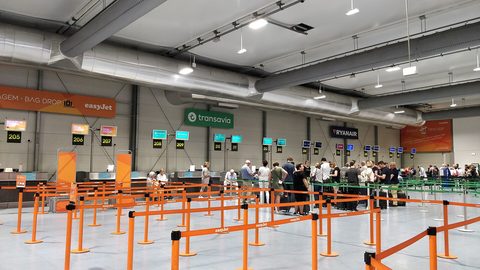 Portugal Visa Requirements for Tourists and Remote Workers
Portugal is in the Schengen Area. Most tourists get 90 days visa-free, but remote workers and long-stayers have specific visa paths to follow.
Portugal Visa Requirements for Tourists and Remote Workers
Portugal is in the Schengen Area. Most tourists get 90 days visa-free, but remote workers and long-stayers have specific visa paths to follow.
-
 Money in Portugal, Euros, Cards and Where Cash Still Rules
Portugal uses the euro. Cards work in most urban places, but small tascas, rural cafés, and public toilets still demand coins.
Money in Portugal, Euros, Cards and Where Cash Still Rules
Portugal uses the euro. Cards work in most urban places, but small tascas, rural cafés, and public toilets still demand coins.
-
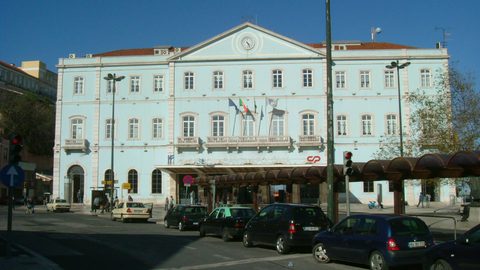 Safety in Portugal, What the Warnings Mean and What They Miss
Portugal is safe, but the real risks are slippery calçada pavements, Atlantic undertows, and pickpockets on Tram 28 and at Cais da Ribeira.
Safety in Portugal, What the Warnings Mean and What They Miss
Portugal is safe, but the real risks are slippery calçada pavements, Atlantic undertows, and pickpockets on Tram 28 and at Cais da Ribeira.
-
 What a trip to Portugal actually costs and how the money flows
Understand Portugal's cost structure—seasonal price swings, the north-south gradient, dining traps, and toll-road costs—so you can budget without surprises.
What a trip to Portugal actually costs and how the money flows
Understand Portugal's cost structure—seasonal price swings, the north-south gradient, dining traps, and toll-road costs—so you can budget without surprises.
-
 A Ground-Level Logistics Guide to Independent Travel in China
First-time independent travel in China: what you need to know about visas, rail booking, eSIMs, mobile payments, and power adapters.
A Ground-Level Logistics Guide to Independent Travel in China
First-time independent travel in China: what you need to know about visas, rail booking, eSIMs, mobile payments, and power adapters.
-
 How Solo Travelers Stay Ahead of Flight Delays and Cancellations
How solo travelers can track inbound aircraft, claim rebooking rights, and adjust ground transport when flights go wrong — step by step.
How Solo Travelers Stay Ahead of Flight Delays and Cancellations
How solo travelers can track inbound aircraft, claim rebooking rights, and adjust ground transport when flights go wrong — step by step.
-
 Why Your eSIM Might Not Work Abroad and How to Check Before You Go
Buying an eSIM doesn't guarantee signal abroad. Learn why coverage fails by location and how to verify reach before you commit to a plan.
Why Your eSIM Might Not Work Abroad and How to Check Before You Go
Buying an eSIM doesn't guarantee signal abroad. Learn why coverage fails by location and how to verify reach before you commit to a plan.