Zambia Transport and Road Transfer Realities
Distances in Zambia are vast and road transfers take double what maps estimate—light aircraft and pre-arranged transfers dominate safari travel.
Getting Around Zambia, What Connects Where and What the Map Oversells
Google Maps says Lusaka to South Luangwa is a four hour drive. The real number is eight to ten hours on roads that punish your vehicle and your patience. That gap is the single most common mistake visitors make. Zambia transport and road transfers come down to two modes: light aircraft charters and pre-arranged road transfers. Rental cars from the airport are not the default. Public buses exist but they are slow, cash only, and safety standards vary. Understanding which option connects which place and what each costs is the difference between a trip that works and one that burns two days in transit.
Zambia Transport and Road Transfer Realities: Why the Map Lies
The core problem is scale and surface. The road distance from Lusaka to Mfuwe, the main gate for South Luangwa National Park, is roughly 700 km. That does not sound punishing until you factor in potholes, police checkpoints, unmarked speed bumps, and sections where graded gravel replaces asphalt. The posted speed limit on open highways is 100 km/h. You will average closer to 70 km/h on a good day and half that on secondary roads. Four wheel drive is essential for most game viewing tracks and many rural roads in the wet season, and recommended year round for remote areas.
What Eight Hours on the Great East Road Feels Like
The paved surface holds for the first stretch out of Lusaka. Then it degrades. Fuel stations are sparse outside provincial capitals. A single puncture without two spares can strand you for hours. There is no roadside assistance outside Lusaka and Livingstone. The UK Foreign, Commonwealth and Development Office, the US Department of State, and the Government of Canada travel advisories all flag road safety concerns. Carry a satellite phone or an inReach device. Mobile network coverage on highways is patchy outside urban centres and unreliable in remote areas. Local SIMs from MTN or Airtel work in towns and some safari camps but signal vanishes entirely inside most national parks.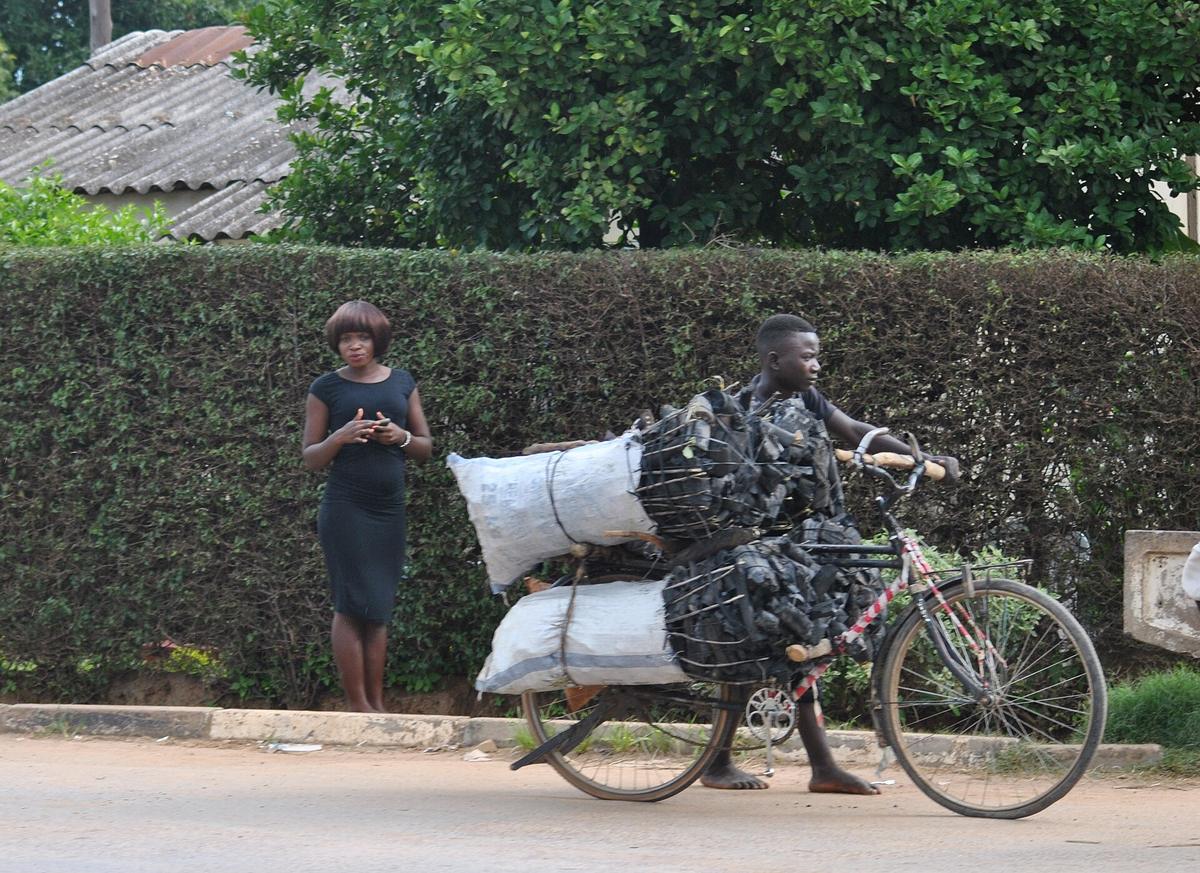

Zambia Light Aircraft Safari Transfers: the Dominant Mode
If you are moving between parks, book a light aircraft charter. This is not a luxury add-on. For routes like Lusaka to Mfuwe or Lusaka to the Busanga Plains in Kafue National Park, flying is the practical option that saves a full day of driving.
Proflight Zambia Domestic Routes
The domestic scheduled airline is Proflight Zambia. The routes include Lusaka to Ndola, Lusaka to Livingstone, Lusaka to Mfuwe, Lusaka to Solwezi, Ndola to Livingstone, and Ndola to Solwezi. These are not daily flights on every route; schedules change with the season and demand. Purchase tickets through the airline website, a travel agent, or the airport sales office. Payment is mostly online or included in lodge packages. Mahogany Air operates a smaller network with similar booking requirements. Budget several hundred dollars per leg depending on distance and advance purchase.What Happens When You Cannot Fly
If the flight is full or the weather grounds the plane, your fallback is a pre-arranged road transfer booked through your lodge. This costs less than flying. The vehicle will be a 4x4 with a driver who knows the road. Do not assume you can find a driver on arrival in Lusaka. Book through the lodge before you leave home.Zambia Self-Drive Road Conditions: What You Actually Face
Self-drive in Zambia is for serious overlanders with experience. It is not for a family renting a sedan at Kenneth Kaunda International Airport and heading east. The road surface on main highways including the Great North Road, Great East Road, and the Lusaka to Livingstone road is paved asphalt. That sounds reassuring until you hit the first pothole wide enough to swallow a wheel.
Fuel and Spares Reality
Petrol and diesel are widely available in Lusaka, Ndola, Kitwe, and Livingstone. Outside those cities, fuel stations are limited. Carry spare fuel in jerry cans for remote routes. Fuel shortages occur without warning, especially in November and December before rains improve tanker access. Cash in Zambian Kwacha is required for fuel purchases in rural areas; card machines fail due to connectivity issues. ATMs frequently run out of Kwacha in small towns.The Distance Problem
Road distance from Lusaka to Kasama is roughly 850 km. From Livingstone to Mongu it is about 550 km. From Lusaka to Mfuwe it is 700 km and takes 8 to 10 hours in the dry season and longer in the wet season. Visitors routinely book a self-drive itinerary linking Livingstone, Lusaka, South Luangwa, and Kafue in 10 days, not realising that the drive from Lusaka to South Luangwa alone burns two full days just in transit. January through March in low-lying valleys with heavy rains makes roads impassable and many camps close. Tsetse flies in certain woodland areas of Kafue and Lower Zambezi bite through clothing and make game drives miserable without dark-coloured clothing and repellent.Zambia Public Bus Safety: What the Backbone Mode Really Costs
The backbone transport mode in Zambia is the long-distance intercity coach. Buy your ticket at the bus station booking office or through the bus company office; some operators offer online booking. The ticket is dated for a specific departure date and time. Journey time on the Lusaka to Livingstone route, roughly 470 km, is 6 to 8 hours. That is the best case on a paved highway.
Safety and Comfort Variability
The domestic bus safety record is variable. Accidents occur, particularly on overnight services and during the wet season. The fallback transport mode is the shared minibus taxi. You pay the conductor on board in cash. No advance booking. The minibus is undated and departs when full. That can mean waiting an hour or more at the station for the seats to fill. Do not use shared minibuses for long-distance travel between parks. Their service is limited to city-to-city routes and they do not reach remote areas like South Luangwa or Liuwa Plain.What To Do Instead
For moving between parks, ignore the bus network. Pre-arrange a road transfer through your lodge or fly. If you are on a tight budget and set on using public transport, stick to the Lusaka to Livingstone coach and budget for a taxi at both ends. Arrive at the bus station early, keep your valuables with you, and expect delays. Cash in Kwacha is required for the fare.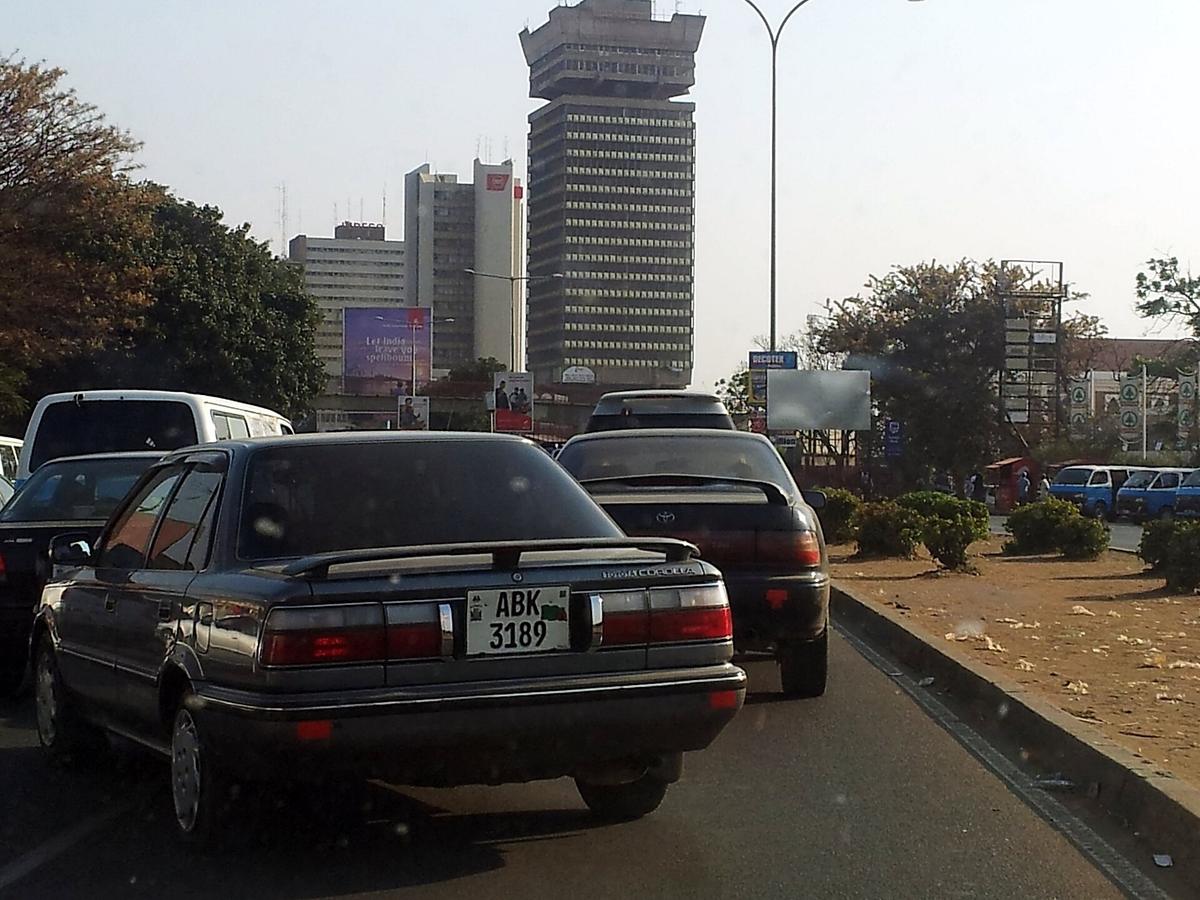

Zambia Proflight Domestic Routes: What Connects Where
Proflight Zambia is the only domestic scheduled airline covering the routes that matter for safari travellers. The network connects Lusaka to Ndola, Livingstone, Mfuwe, and Solwezi, and Ndola connects to Livingstone and Solwezi. Mfuwe is the airport for South Luangwa National Park. Livingstone serves Victoria Falls and Mosi-oa-Tunya National Park. Solwezi is the gateway for northwestern Zambia. Ndola serves the Copperbelt and is a connecting point for the Bangweulu Wetlands and Kasanka National Park.
Booking and Cost
Purchase tickets through the Proflight website, a travel agent, or the airport sales office. Mahogany Air offers a smaller network with comparable pricing. Book as early as possible. Peak season from June to October fills seats months ahead. When you land at a small airstrip like Mfuwe, your lodge will have a vehicle waiting. That is part of the pre-arranged transfer. Do not attempt to walk into the national park from the airstrip.Who Zambia Suits and Who it Does Not
Zambia suits seasoned safari goers seeking exclusivity and walking safaris, adventure travellers wanting canoeing and wild camping, birders targeting rare species in remote wetlands, second-time Africa visitors bored of easy game drives, and self-drive overlanders with serious 4x4 experience. It does not suit first-time safari travellers wanting guaranteed Big Five sightings with minimal effort. It does not suit luxury seekers expecting butler service outside a handful of top lodges. It does not suit anyone on a tight budget who is not prepared to camp. The single thing that most often goes wrong is assuming you can cover the geography in a rental car. The map shows short lines between parks. The road shows something else entirely.
Common Questions
Can I drive from Lusaka to South Luangwa in one day?
Technically yes, but it takes 8 to 10 hours on punishing roads. You arrive exhausted with a damaged vehicle. Most travellers fly or break the drive with an overnight stop in Chipata. Budget a full day and carry two spare tyres.
Is it safe to take a public bus between Zambian cities?
The domestic bus safety record is variable. Accidents occur, especially on overnight services and in the wet season. Daytime coaches on the Lusaka to Livingstone route are safer than overnight buses. Expect 6 to 8 hours for the 470 km trip. Cash only.
How much does a light aircraft transfer between parks cost?
A one-way flight on Proflight from Lusaka to Mfuwe runs several hundred dollars per person depending on advance purchase and season. Mahogany Air is similar. These are often included in lodge packages if you book through the camp.
Do I need a 4x4 for self-drive in Zambia?
Yes. Four wheel drive is essential for most game viewing tracks and many rural roads in the wet season. Recommended year round for remote areas. A sedan will not handle the graded gravel roads after rains, and punctures are common.
Read next
-
 Staying Connected in Zambia With eSIM Local SIM or Neither
A Zambia eSIM or local MTN or Airtel SIM works in towns but not in most national parks. Here is how to plan for the gaps.
Staying Connected in Zambia With eSIM Local SIM or Neither
A Zambia eSIM or local MTN or Airtel SIM works in towns but not in most national parks. Here is how to plan for the gaps.
-
 Best Time to Visit Zambia, What Each Season Actually Does
Zambia's dry season runs May to October for peak wildlife, but the bat migration and wildebeest migration make November compelling too—rains close many camps
Best Time to Visit Zambia, What Each Season Actually Does
Zambia's dry season runs May to October for peak wildlife, but the bat migration and wildebeest migration make November compelling too—rains close many camps
-
 Zambia Visa Rules, Who Needs One and How the Process Works
Who needs a visa for Zambia, who does not, and how the e-visa, visa-on-arrival, and KAZA Univisa processes actually work.
Zambia Visa Rules, Who Needs One and How the Process Works
Who needs a visa for Zambia, who does not, and how the e-visa, visa-on-arrival, and KAZA Univisa processes actually work.
-
Money in Zambia, Kwacha, Cards, and Where Cash Still Wins
How the Zambian kwacha works, why cards fail outside lodges, and where cash is the only thing that will get you fuel or food.
-
 Zambia Safety Advice, Reading the Warnings Without Being Misled by Them
Zambia's real safety risks are self-drive breakdown isolation, opportunistic theft in Lusaka, and tsetse flies—not the violent crime some advisories imply.
Zambia Safety Advice, Reading the Warnings Without Being Misled by Them
Zambia's real safety risks are self-drive breakdown isolation, opportunistic theft in Lusaka, and tsetse flies—not the violent crime some advisories imply.
-
What Zambia Safari Trips Cost and Where the Money Goes
Zambia costs more than its neighbours because remoteness and low guest density drive lodge prices. Here is where the money actually goes.
-
 A Ground-Level Logistics Guide to Independent Travel in China
First-time independent travel in China: what you need to know about visas, rail booking, eSIMs, mobile payments, and power adapters.
A Ground-Level Logistics Guide to Independent Travel in China
First-time independent travel in China: what you need to know about visas, rail booking, eSIMs, mobile payments, and power adapters.
-
 How Solo Travelers Stay Ahead of Flight Delays and Cancellations
How solo travelers can track inbound aircraft, claim rebooking rights, and adjust ground transport when flights go wrong — step by step.
How Solo Travelers Stay Ahead of Flight Delays and Cancellations
How solo travelers can track inbound aircraft, claim rebooking rights, and adjust ground transport when flights go wrong — step by step.
-
 Why Your eSIM Might Not Work Abroad and How to Check Before You Go
Buying an eSIM doesn't guarantee signal abroad. Learn why coverage fails by location and how to verify reach before you commit to a plan.
Why Your eSIM Might Not Work Abroad and How to Check Before You Go
Buying an eSIM doesn't guarantee signal abroad. Learn why coverage fails by location and how to verify reach before you commit to a plan.