What Finland Is and How to Visit It
Finland is a quiet, vast country of forests and lakes where the luxury is space and silence.
- Flag
-
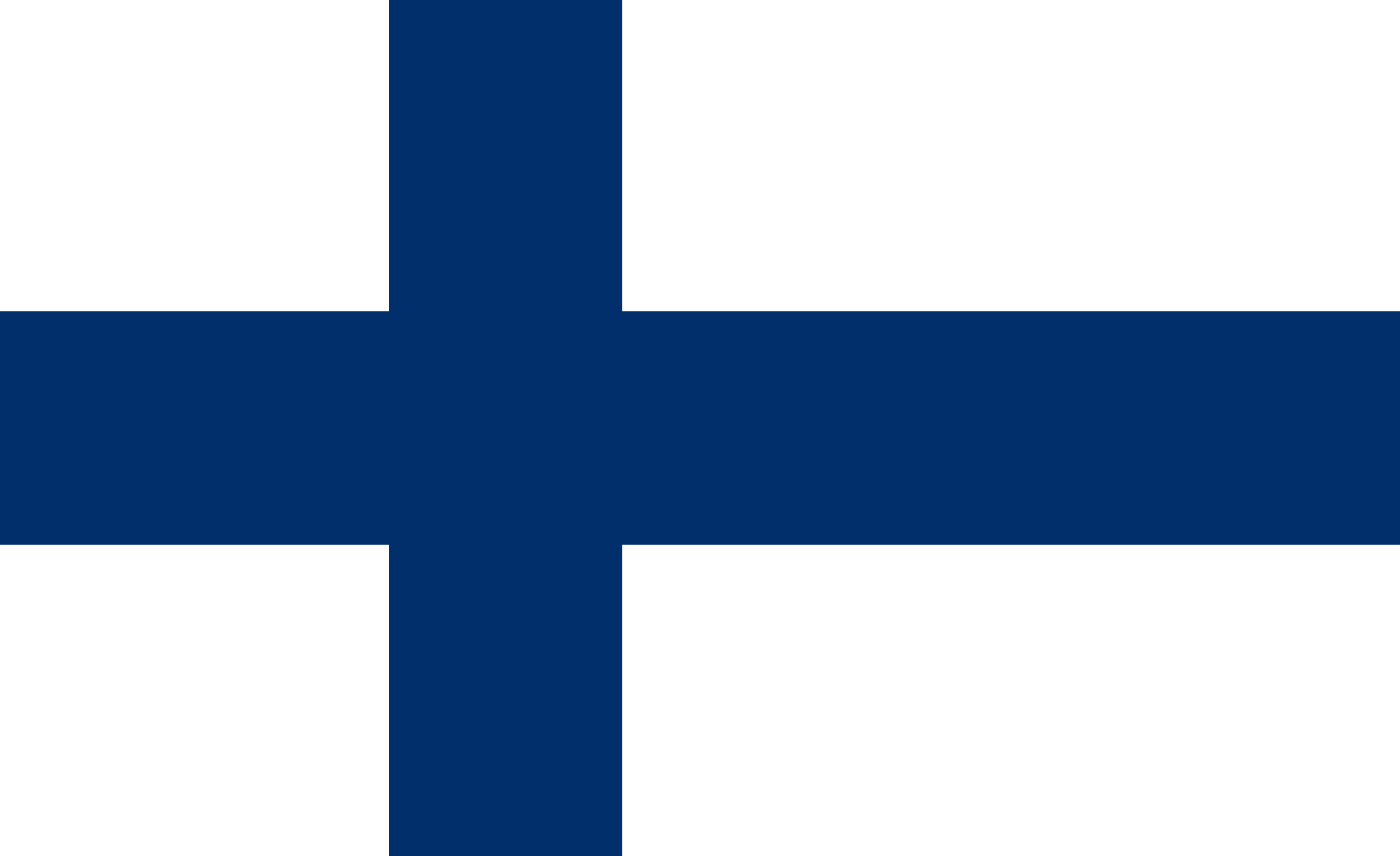
- ISO code
- FI
- Population
- 5,518,050
- Currency
- EUR
- Dial code
- +358
What Finland is and How to Visit it
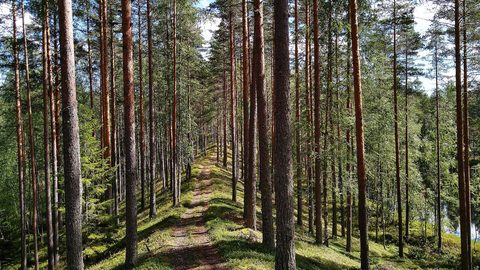
Finland is 75 percent forest and 15 percent water, with 187,888 lakes larger than a suburban swimming pool. The luxury here is space and silence, not service. A road in the middle of the day can feel like a private driveway through thick pine, interrupted only by a sign warning about reindeer. Visitors who arrive expecting quick transitions between attractions discover that Finland does not offer that. Distances are long, the social culture is reserved, and the high cost of alcohol and dining out can be a genuine shock. This guide exists to help you decide whether the country fits you and, if it does, how to move through it without wasting time or money. The country’s defining character is self sufficiency, and the visitor who accepts that from the start will have the better trip.
- Country name in Finnish: Suomi
- Country name in Swedish: Finland
- Capital: Helsinki
- Population: 5.6 million (2024, Statistics Finland)
- Land area: 338,462 km²
- Water area: 52,453 km²
- Percentage of land covered by forest: 75%
- Lakes larger than 500 m²: 187,888
- Coastline length: 1,250 km (Baltic Sea)
- Official languages: Finnish, Swedish
- Currency: Euro (EUR)
- EU member: Yes (since 1995)
- Schengen member: Yes (since 2001)
- NATO member: Yes (since 2023)
- Emergency number: 112
- Time zone: EET (UTC+2) / EEST (UTC+3)
- Driving side: Right
- Plug type: Type F (Schuko, 230 V)
- National tourism authority: Visit Finland (part of Business Finland)
Visiting Finland First Time: What to Expect and How to Prepare
If this is your first trip to Finland, the single most useful fact is that you need at least seven days. Seven is the minimum. Less than that forces a rushed Helsinki only itinerary that misses the defining lakes, forests, and sauna culture. You will spend nights in transit instead of on the ground. The common mistake is booking a short trip with one overnight train to Lapland, spending two of four nights on the train, and seeing neither the south nor the north properly. Do not do that.
Entry Requirements And Currency
Citizens of the UK, the US, Canada, Australia, New Zealand, Japan, South Korea, and other visa exempt countries can enter visa free for stays up to 90 days in any 180 day period. Your passport must be valid for at least three months beyond your intended departure from the Schengen area. Citizens of non exempt countries need a passport and a Schengen visa. Finland uses the euro. Card and mobile payments dominate; cash is accepted but not universal. You will rarely need paper money.
Connectivity And Maps
Finland has blanket 4G and 5G coverage even on remote Lapland fells, so offline maps are rarely necessary. eSIMs from Elisa and Telia are widely available. Physical prepaid SIMs require a passport for registration. Download the HSL app for Helsinki region public transport tickets.
Costs And Friction Points
Alcohol above 5.5 percent ABV is sold only in state run Alko stores, which close by 8 pm on weekdays, 6 pm on Saturdays, and are closed Sundays. Dining out costs more than most European destinations. A simple lunch of salmon soup might run 14 to 18 euros. Mosquitoes and biting flies in Lapland and Lakeland from mid June to late July are dense enough to make a head net essential on hikes. Public toilets at rest stops and stations often cost 1 to 2 euros via mobile payment or coin, and free ones are rare outside shopping centres. Many rural petrol stations and cafés close by 6 pm, leaving long stretches of highway without open services after early evening.
The Window To Avoid
Early November to mid December is the worst time to visit. It is dark, wet, and cold with no snow cover in the south, and Lapland’s reliable snow base has often not yet formed. The landscape sits in a grey, slushy limbo. If you can choose another period, do it.
Finland Itinerary Planning: How to Route Your Time
Finland’s regions are distinct, and trying to see everything on one trip is the fastest way to waste it. Plan an itinerary that covers one or two regions properly, not four in a blur.
Helsinki And The Capital Region
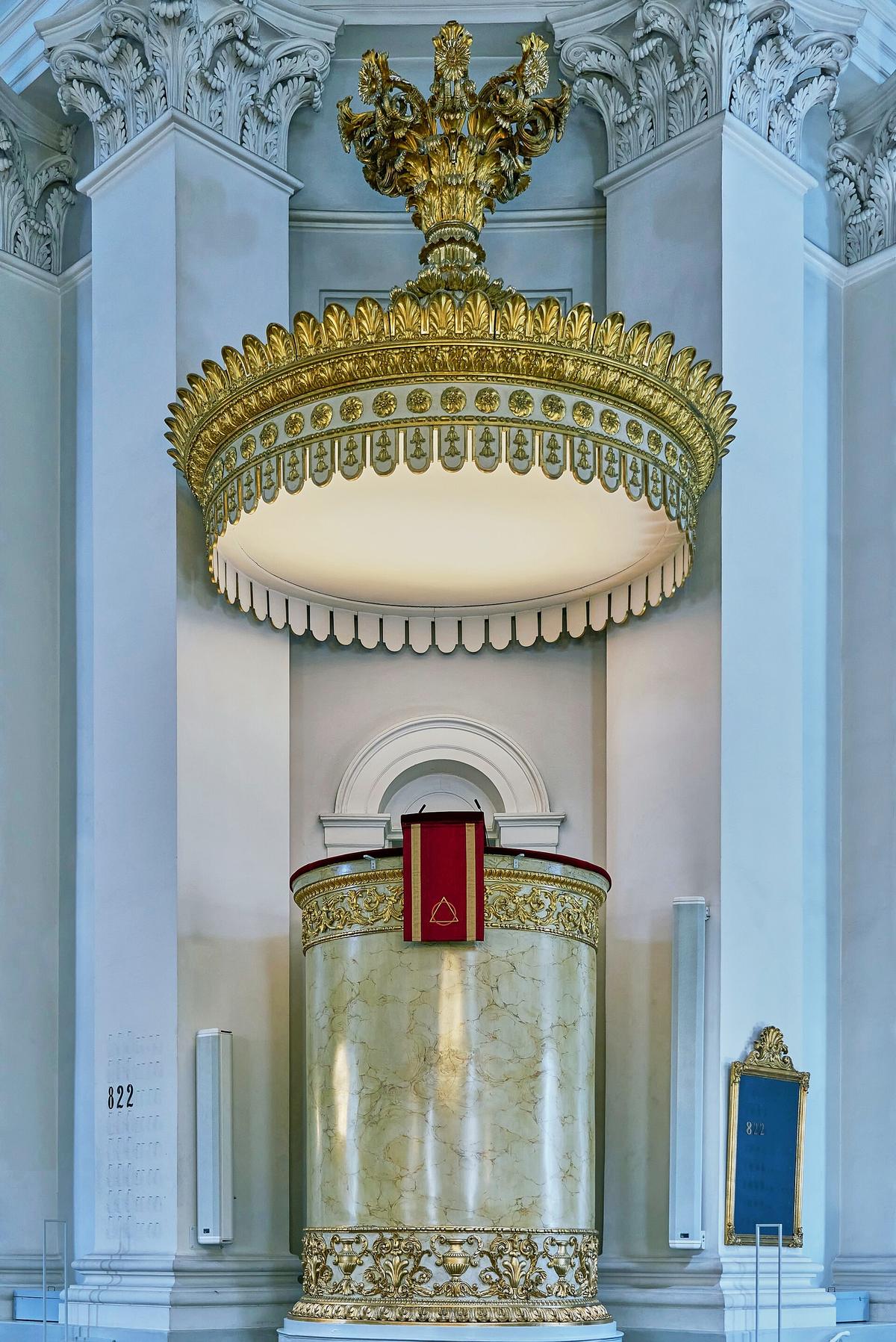
Helsinki deserves two to three days. Suomenlinna sea fortress, a short ferry ride from the city centre, takes half a day. Temppeliaukio Church, the rock hewn church with a copper dome, is worth the queue. The nearby old town of Porvoo, 50 km east, works as a half day escape via a 50 minute bus. Hotel booking tip: a significant portion of residents leave the city for summer cottages in July, and many restaurants and small businesses close for part of the month. Check closures before you book a July trip.
Lakeland
Lakeland, centred on Tampere and the city of Savonlinna, is Finland’s definitional landscape. The region demands three to five days. Direct trains run from Helsinki to Tampere, Jyväskylä, Kuopio, and Savonlinna. Olavinlinna Castle in Savonlinna sits on a lake and hosts the July opera festival. Book opera tickets months ahead. The warmest lake swimming comes late July to mid August, when water temperatures hit 18 to 22°C. Mosquito activity peaks June to early August here as well, though it is less intense than Lapland.
Finnish Lapland
Lapland is a separate trip, not an add on. A typical visit runs four to seven days. The primary airport is Rovaniemi, with secondary airports at Kittilä, Ivalo, and Enontekiö. An overnight sleeper train from Helsinki to Rovaniemi takes about 12 hours and requires booking a private cabin well ahead. The northern lights are visible from late August to early April, requiring dark clear skies. Continuous daylight runs from late May to late July north of the Arctic Circle. Reliable snow cover runs November to April in Rovaniemi, and October to May at Kilpisjärvi. The autumn colours, called ruska, peak in mid September. Do not try to see the northern lights and the midnight sun on the same trip.
Districts Worth A Detour
The Archipelago Sea around Turku contains roughly 40,000 islands, best reached by bike and the free road ferries. Åland, the autonomous Swedish speaking region, has its own ferry connections from Turku, Helsinki, and Stockholm. Koli National Park offers the iconic fell view over Lake Pielinen. Urho Kekkonen National Park, accessible from Saariselkä, provides fell and wilderness hiking on marked trails. Oulanka National Park has the Karhunkierros trail, rapids, and hanging bridges. These are not side trips; each requires a full day, sometimes more.
| Season | Strengths | Drawbacks | Best For |
|---|---|---|---|
| June to mid-August (peak) | Midnight sun, warmest weather, lake swimming at 18-22°C, Juhannus celebrations | Crowded trails, peak prices, July restaurant closures in Helsinki, dense mosquitoes in Lapland and Lakeland | Hikers, lake swimmers, sauna purists, summer cottage visitors |
| Late February to March (secondary peak) | Reliable snow for spring skiing, good northern lights viewing, fewer tourists than peak summer | Cold (Rovaniemi average -6°C to -2°C), limited daylight, some winter activities end in April | Aurora chasers, cross country skiers, snowshoe hikers |
| September to October (autumn) | Ruska colours mid-September, fewer mosquitoes, lower accommodation prices | Daylight shrinks fast, weather becomes unpredictable, most island services close by end of September | Solo hikers, photographers, budget travellers |
| Early November to mid-December (avoid window) | Cheapest flights and accommodation | Dark, wet, no snow cover in south; Lapland snow base often not formed; grey, slushy conditions | Only travellers with no other scheduling option |
Finland Practical Information: Getting Around, Rules, and Etiquette
The practical details of moving through Finland matter more than in most European countries because the distances are vast and the service infrastructure is thin.
Transport: Trains, Buses, And Cars
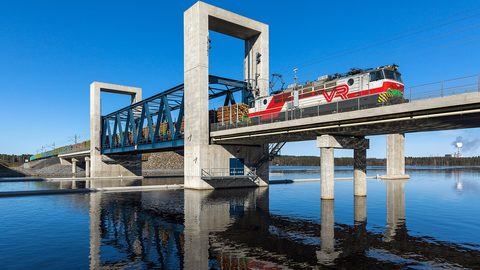
The dominant long distance mode is the state railway, VR. Intercity trains require seat reservations. Key routes include Helsinki to Tampere, Helsinki to Turku, Helsinki to Kuopio, and the overnight sleeper to Rovaniemi and Kemijärvi. Sleeper cabins come with en suite toilet and shower on some departures, and some trains carry cars. Book at least 60 days ahead when the booking window opens. The local bus network in rural areas and Lapland runs only once or twice a day on many routes. Matkahuolto handles the bus network and VR handles the train network; they use separate tickets. Eskelisen Lapin Linjat is the key bus operator in Lapland. A rental car gives you the most flexibility, especially in Lapland where the road network is sparse. Winter tyre requirement runs from 1 November to 31 March if conditions require them. Studded tyres are permitted during that period. Daytime running lights are mandatory year round. The blood alcohol limit for driving is 0.05 percent. Reindeer on roads are common in Lapland year round; collisions must be reported to police.
Accommodation And Sauna Culture
Finland has an estimated 3.3 million saunas, and using one is not optional. Public sauna etiquette varies: swimwear is typical in mixed gender saunas, while single gender saunas are often nude. Check locally. Smoke saunas, called savusauna, are the traditional type without a chimney and are common in Lakeland and Lapland. Sauna culture was recognised by UNESCO as Intangible Cultural Heritage of Humanity in 2020. The World Sauna Championships were discontinued after 2010.
Everyman’s Right And The Outdoors
Everyman’s Right, or jokamiehenoikeus, gives you the legal right to walk, ski, cycle, swim, boat, camp temporarily for one or two nights, and pick wild berries and mushrooms on any land regardless of ownership, provided you do not disturb wildlife, light open fires without landowner permission, or camp in gardens. Fishing without a reel is free. Lure fishing requires a national fisheries management fee for ages 18 to 64 and possibly local permits. The 41 national parks have free entry. The most visited is Pallas Yllästunturi National Park in Lapland.
Food And Drink Reality
Lohikeitto, creamy salmon soup with dill and potatoes, is the reliable lunch option. Karjalanpiirakka, a rye crust rice pasty with egg butter, is the everyday staple. In Lapland, poronkäristys, sautéed reindeer with lingonberry jam and mashed potato, is the regional standard. Muikku, fried vendace eaten whole, appears at summer markets. Leipäjuusto, squeaky baked cheese with cloudberry jam, is often served with coffee. Mustamakkara, blood sausage with lingonberry, is a Tampere market hall ritual. Korvapuusti, the cardamom cinnamon bun, is the essential café pairing. Saunapalvi, smoked ham or fish cooked on a sauna stove, is a cottage experience you will not find in restaurants. Tipping is not expected; service is included in bills.


Is Finland Worth Visiting? the Honest Assessment
Finland is worth visiting for specific travellers with specific expectations. It is not a place for everyone, and pretending otherwise wastes your money.
Finland is best for self sufficient road trippers, wilderness hikers and national park baggers, sauna purists, design and architecture enthusiasts, and aurora chasers who can handle deep cold. If you want to drive through empty forest for an hour, swim in a lake at 18°C, sit in a smoke sauna, and eat fried vendace at a market, Finland will satisfy you deeply.
Finland is not for travellers seeking bustling urban energy, spontaneous nightlife, or cheap street food. Skip Finland if you need constant external stimulation or want a budget beach and bar European break. The luxury here is space and silence, not service. If you are not ready for that, pick a different destination.
Day trips from Helsinki include Tallinn, Estonia via a 2 hour ferry, Porvoo via a 50 minute bus, and Nuuksio National Park via a 45 minute bus. These are worthwhile but do not pretend they are a substitute for experiencing the rest of the country. A weekend in Helsinki is a weekend in Helsinki, not a trip to Finland.
Common Questions
How many days do I need in Finland?
At least seven days. Fewer forces a rushed Helsinki only trip that misses the lakes, forests, and sauna culture. Lapland alone requires four to seven days.
What is the best time of year to visit Finland?
June to mid August for warm weather and midnight sun. Late February to March for skiing and northern lights. Avoid early November to mid December when the landscape is grey and wet without snow.
Is Finland expensive?
Yes, especially dining out and alcohol. A lunch bowl of salmon soup costs 14 to 18 euros. Drinks above 5.5 percent ABV come from state run Alko stores, and tipping is not expected.
Do I need a visa for Finland?
UK, US, Canadian, Australian, New Zealand, Japanese, and South Korean passport holders do not need a visa for stays up to 90 days in any 180 day period. Your passport must be valid for at least three months beyond departure. Other nationals require a Schengen visa.
How do I get from Helsinki to Lapland?
Fly from Helsinki to Rovaniemi in about 1 hour 20 minutes, or take the overnight sleeper train, which takes about 12 hours. Book the sleeper cabin at least 60 days ahead. A rental car is an option but requires winter tyres between November and March.
Are mosquitoes really that bad in Finland?
Yes, in Lapland and Lakeland from mid June to late July. A head net is essential on hikes. The problem is less severe in southern Finland and on the coast.
Can I drink the tap water in Finland?
Yes. Tap water is potable throughout the country. There is no need to buy bottled water.
Read next
-
 Staying connected in Finland with eSIM, local SIM or roaming
Finland has blanket 4G and 5G signal even on remote Lapland fells. The question is not whether you will get a connection but whether you want to pay roaming r
Staying connected in Finland with eSIM, local SIM or roaming
Finland has blanket 4G and 5G signal even on remote Lapland fells. The question is not whether you will get a connection but whether you want to pay roaming r
-
 Best Time to Visit Finland, Midnight Sun, Mosquitoes and the Grey Slush Window
Finland's seasons are defined by light and ground conditions, not just temperature. This page explains each season honestly, including the November window to avoid.
Best Time to Visit Finland, Midnight Sun, Mosquitoes and the Grey Slush Window
Finland's seasons are defined by light and ground conditions, not just temperature. This page explains each season honestly, including the November window to avoid.
-
 Getting Around Finland, VR Trains, Matkahuolto Buses and the Gaps
Finland's long-distance network splits between VR trains and Matkahuolto buses with no integrated ticket. This page explains the connections and the gaps.
Getting Around Finland, VR Trains, Matkahuolto Buses and the Gaps
Finland's long-distance network splits between VR trains and Matkahuolto buses with no integrated ticket. This page explains the connections and the gaps.
-
 Finland Visa Requirements and the Schengen Application Process
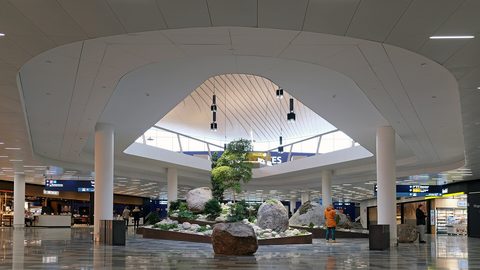
Finland is part of the Schengen area. This page explains who needs a visa, how to apply through Migri, and what to expect at Helsinki-Vantaa border control.
Finland Visa Requirements and the Schengen Application Process
Finland is part of the Schengen area. This page explains who needs a visa, how to apply through Migri, and what to expect at Helsinki-Vantaa border control.
-
 Money in Finland, Cards, Euros and When You Still Need Coins
Finland runs on contactless cards and euros, but public toilets, locker rooms, and some rural services still need coins. Here is what actually works.
Money in Finland, Cards, Euros and When You Still Need Coins
Finland runs on contactless cards and euros, but public toilets, locker rooms, and some rural services still need coins. Here is what actually works.
-
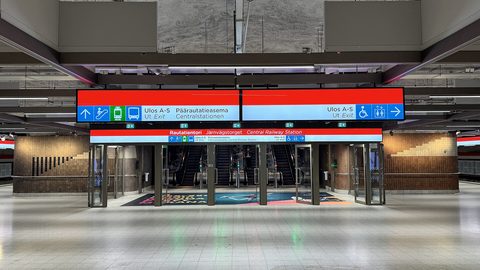 Is Finland Safe, Reading Travel Advice Without the Hype
Finland is safe from violent crime, but winter cold, icy streets, and remote Lapland trails pose real risks. This page focuses on what actually matters.
Is Finland Safe, Reading Travel Advice Without the Hype
Finland is safe from violent crime, but winter cold, icy streets, and remote Lapland trails pose real risks. This page focuses on what actually matters.
-
 How Solo Travelers Stay Ahead of Flight Delays and Cancellations
How solo travelers can track inbound aircraft, claim rebooking rights, and adjust ground transport when flights go wrong — step by step.
How Solo Travelers Stay Ahead of Flight Delays and Cancellations
How solo travelers can track inbound aircraft, claim rebooking rights, and adjust ground transport when flights go wrong — step by step.
-
 Why Your eSIM Might Not Work Abroad and How to Check Before You Go
Buying an eSIM doesn't guarantee signal abroad. Learn why coverage fails by location and how to verify reach before you commit to a plan.
Why Your eSIM Might Not Work Abroad and How to Check Before You Go
Buying an eSIM doesn't guarantee signal abroad. Learn why coverage fails by location and how to verify reach before you commit to a plan.