Chile Transport: Buses, Flights and the Distances That Surprise Everyone
Chile's long-distance buses are comfortable but slow, and flying between the Atacama and Patagonia means backtracking through Santiago every time.
You look at Chile on a map and think it is a ribbon, 4,300 km long, never wider than a morning's drive. That ribbon is a trap. A bus from Santiago to Puerto Montt takes 12 hours on a winding two-lane road. Not the 6 your brain guessed. Getting around Chile without a car works, as long as you plan every transfer before you book anything else. Miss one connection and you lose a day.
Chile Transport Guide: Buses, Flights, and the Distances That Surprise Everyone
The mistake is treating Chile like a European country where a train covers ground in three hours. There is no national rail network connecting the far north to the far south. The only long-distance train service is TerraSur, which runs Santiago to Chillán, a five-hour hop that barely scratches the Central Valley. Everything beyond Chillán, and that means the Lake District, Patagonia, the Atacama, moves by bus or plane.
Long-Distance Bus Travel
The backbone of mainland travel is the intercity bus, and the class to book is semi-cama. A semi-cama seat reclines to roughly 140 degrees, enough to sleep if you are exhausted. On overnight routes, cama class gives you 160 degrees; some premium buses offer fully flat seats. The thing nobody warns you about is the air conditioning. Chilean drivers set it to arctic. Bring a fleece and a blanket even in January.
The bathroom is locked. Drivers open it only at rest stops. A 10-hour ride, say, the capital to Puerto Montt, will have two or three scheduled stops. Plan your water intake accordingly.
Tickets are issued for a specific date, time, and seat number. You can book online via Recorrido.cl or Busbud, but foreign credit cards are frequently rejected on Turbus and Pullman Bus websites. The fallback is buying at the terminal ticket counter with cash. Cash is still king for buses. ATMs in rural areas run out of money by midday on weekends, so withdraw in the capital before you head south.
Internal Flights: The Hub Bottleneck
Flying between the far north and the far south almost always requires connecting back through the capital. LATAM Airlines Chile dominates the domestic network, with Sky Airline and JetSMART as competitors. The highest-frequency corridors are the capital to Puerto Montt, the capital to Punta Arenas, and the capital to Calama. You cannot fly directly from Calama (Atacama) to Punta Arenas (Patagonia) without routing through SCL. That adds a half-day to any cross-country itinerary.
Basic fares on low-cost carriers exclude checked baggage. Cabin baggage dimensions and weight are strictly enforced. For flights departing SCL, the same liquid restrictions apply as international: 100 ml per container in a 1-litre clear bag. Enforcement at regional airports varies. Do not risk it.
Domestic flight punctuality is worse in the afternoon, especially in Patagonia, where wind closes ferry sailings and delays planes. Book morning departures. Your passport is required for check-in; a Chilean identity card works only for residents.
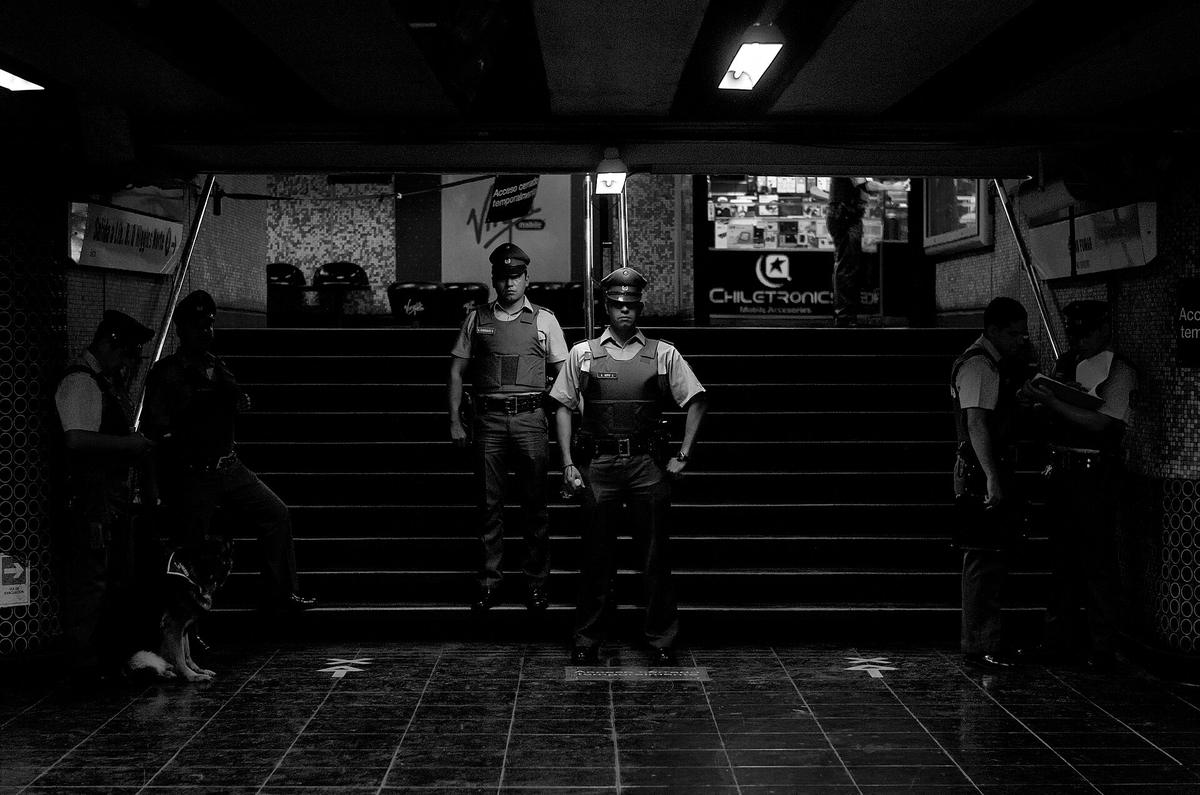

Chile Semi-Cama Bus Tips: What Goes Wrong and How to Fix it
You board a semi-cama bus. You have your assigned seat. The driver checks your passport against the ticket. The ride begins.
The thing that trips visitors up is the stop-start route. A 10-hour bus in Chile is not a European highway cruise. The Pan-American Highway, Ruta 5, is paved from Arica to Puerto Montt, but it passes through towns where the bus slows to 30 km/h. Roadside fruit stalls. Police checkpoints. SAG agricultural controls where luggage may be inspected. Every stop adds time.
Keep valuables in the cabin, not the under-bus hold. Theft from luggage holds occurs on overnight routes. Pack a layer for the air conditioning. Bring snacks; meal service is only on premium overnight runs, and the rest stop food is overpriced. Book online if your card works. If it does not, arrive at the terminal at least 45 minutes early to buy at the counter.
Carretera Austral Ferry Logistics: the Only Way South
The Carretera Austral is mostly unpaved ripio (gravel) south of Chaitén. In wet conditions, a 4x4 is recommended. Fuel is scarce: service stations exist in Coyhaique, Puerto Aysén, Cochrane, and Villa O'Higgins, and nowhere in between. Refuel at every opportunity.
Ferries are not optional. They are essential for crossing fjords and channels where roads do not exist. Navimag runs the main Puerto Montt to Puerto Natales route, a multi-day crossing through the Patagonian fjords. Naviera Austral handles regional routes. Advance booking is essential in high season (December through February). Ferries are dated for a specific sailing and departure time, and cancellations due to weather are common. Operators do not guarantee the schedule; rebooking is subject to availability.
An alternative to the bus-and-ferry grind is Navimag as a Patagonian alternative to ground transport. The crossing takes three to four days and includes meals, a bunk, and deck access. It is not cheap, but it saves you from the winding roads of the Carretera Austral and the logistical nightmare of connecting buses in Chiloé and Aysén.

Who Chile Transport Suits and Who it Does Not
Chile transport suits adventure road-trippers willing to self-drive for weeks and long-term backpackers stringing together South American highlights. It suits serious hikers and mountaineers targeting Patagonia or the Atacama, who accept that getting there is part of the expedition.
It does not suit travellers seeking dense, walkable urban charm or spontaneous village-hopping. Chile's cities are functional grids and the distances between towns are vast. Those on a tight one-week schedule will find it maddeningly inefficient. Budget travellers expecting a cheap Latin American destination will find costs closer to Europe.
The single thing that most often goes wrong is underestimating the internal flight and transfer logistics. Travellers book a two-week trip landing in the capital and assume they can casually see the Atacama, the Lake District, and Torres del Paine, not realising that simply getting from Punta Arenas to the Torres del Paine trailhead consumes an entire day, and flying between the far north and far south requires connecting back through the capital each time. Plan for that before you book anything else.
Common Questions
Can I drive from Santiago to Punta Arenas without leaving Chile?
No. The direct land route from Puerto Montt to Punta Arenas is approximately 2,200 km and requires crossing into Argentina. There is no all-Chile road connection. You must cross at Monte Aymond or San Sebastián, and most rental contracts prohibit crossing without prior written authorisation and additional insurance.
How do I book a semi-cama bus if my credit card is rejected online?
Buy the ticket at the terminal counter with cash. Turbus and Pullman Bus have counters at all major terminals. Tickets are dated and seat-numbered, so you cannot board without one. Arrive 45 minutes before departure in high season.
What is the fastest way from Santiago to Torres del Paine?
Fly to Punta Arenas (3.5 hours), then drive or take a bus to the park (4-5 hours). Total travel time is one full day. Flying via Puerto Montt adds a connection. Do not attempt it as a day trip; the trailhead alone consumes an entire day from Punta Arenas.
Do I need a 4x4 on the Carretera Austral?
Recommended south of Chaitén, especially in wet weather. The road is unpaved ripio for most of its length. A standard car can manage in dry summer conditions, but a 4x4 gives you margin on loose gravel and in rain. Fuel stops are limited to Coyhaique, Puerto Aysén, Cochrane, and Villa O'Higgins.
Read next
-
 Staying Connected in Chile, eSIM, Local SIM, or Offline Maps
How to get online in Chile: the RUT barrier for local SIMs, the eSIM alternative, and where on the Carretera Austral and in the Atacama you will have zero signal.
Staying Connected in Chile, eSIM, Local SIM, or Offline Maps
How to get online in Chile: the RUT barrier for local SIMs, the eSIM alternative, and where on the Carretera Austral and in the Atacama you will have zero signal.
-
 Best Time to Visit Chile by Region and What Each Season Actually Delivers
Chile spans three climate zones: Patagonia peaks in summer, the Atacama can flood in January, and Fiestas Patrias shuts the country in September.
Best Time to Visit Chile by Region and What Each Season Actually Delivers
Chile spans three climate zones: Patagonia peaks in summer, the Atacama can flood in January, and Fiestas Patrias shuts the country in September.
-
 Chile Visa Rules and the PDI Receipt You Must Not Lose
Most Western passport holders enter Chile visa-free but receive a PDI receipt on arrival—losing it prevents hotel check-in and exit.
Chile Visa Rules and the PDI Receipt You Must Not Lose
Most Western passport holders enter Chile visa-free but receive a PDI receipt on arrival—losing it prevents hotel check-in and exit.
-
 Cash and Cards in Chile, Where the Peso Still Rules
Cards work in Chilean cities but rural buses and Patagonian guesthouses still demand cash, and ATMs in remote towns run out on weekends.
Cash and Cards in Chile, Where the Peso Still Rules
Cards work in Chilean cities but rural buses and Patagonian guesthouses still demand cash, and ATMs in remote towns run out on weekends.
-
 Chile Safety Advice Without the Overblown Warnings
Chile is safer than most of Latin America, but Patagonian wind destroys tents and car doors, and remote roads mean help is far away.
Chile Safety Advice Without the Overblown Warnings
Chile is safer than most of Latin America, but Patagonian wind destroys tents and car doors, and remote roads mean help is far away.
-
 What a Trip to Chile Actually Costs, Shaped by Region and Season
How a Chile trip budget is shaped by region and season, from Patagonia's supply-driven premiums to the Atacama's tour-dependent costs and the Central Valley's
What a Trip to Chile Actually Costs, Shaped by Region and Season
How a Chile trip budget is shaped by region and season, from Patagonia's supply-driven premiums to the Atacama's tour-dependent costs and the Central Valley's
-
 A Ground-Level Logistics Guide to Independent Travel in China
First-time independent travel in China: what you need to know about visas, rail booking, eSIMs, mobile payments, and power adapters.
A Ground-Level Logistics Guide to Independent Travel in China
First-time independent travel in China: what you need to know about visas, rail booking, eSIMs, mobile payments, and power adapters.
-
 How Solo Travelers Stay Ahead of Flight Delays and Cancellations
How solo travelers can track inbound aircraft, claim rebooking rights, and adjust ground transport when flights go wrong — step by step.
How Solo Travelers Stay Ahead of Flight Delays and Cancellations
How solo travelers can track inbound aircraft, claim rebooking rights, and adjust ground transport when flights go wrong — step by step.
-
 Why Your eSIM Might Not Work Abroad and How to Check Before You Go
Buying an eSIM doesn't guarantee signal abroad. Learn why coverage fails by location and how to verify reach before you commit to a plan.
Why Your eSIM Might Not Work Abroad and How to Check Before You Go
Buying an eSIM doesn't guarantee signal abroad. Learn why coverage fails by location and how to verify reach before you commit to a plan.