Mexico Transport
Mexico is 1.96 million square kilometres. ADO buses are the backbone, colectivos rule the Yucatán, and Uber works until it doesn't.
Mexico Transportation Guide: the Map is Lying to You
A 250-kilometre line on Google Maps suggests a three-hour drive. In Mexico, that same line between Oaxaca City and Puerto Escondido takes six to seven hours through mountain switchbacks. This guide is built around the friction the satellite view hides: the roads shorter on the screen than on the ground, the ride-hailing app that works in one city but gets you shouted off the kerb in the next, and the bus network that holds the country together. You need a system, not a map.
ADO Bus Mexico Network: the Backbone of Overland Travel
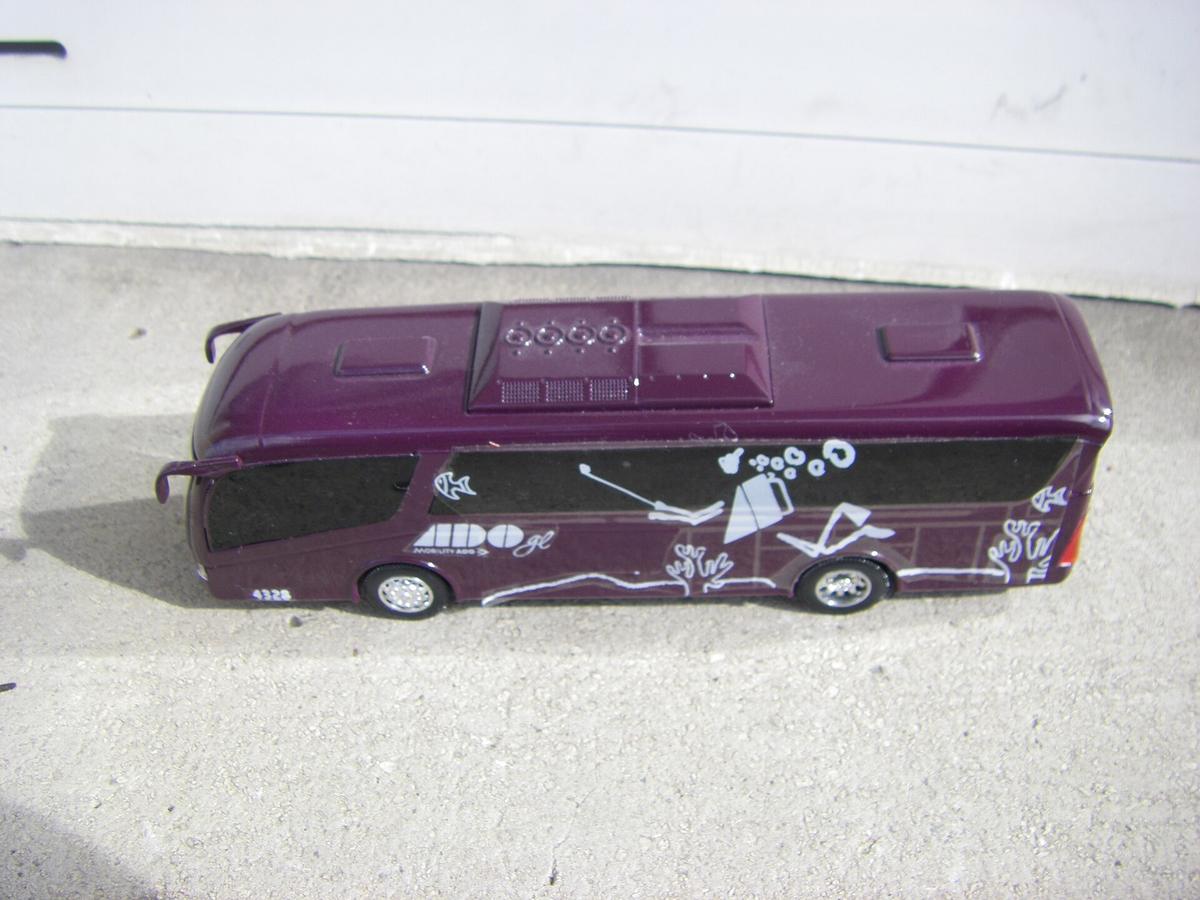
The ADO bus network is the single most reliable method for moving between cities in the southern and southeastern half of the country. ADO runs Primera (first-class) and Ejecutivo (premium) services with assigned seats, air conditioning, and onboard lavatories. Tickets are issued for a specific date, time, and seat number. Buy them online through the ADO app, at the station counter, or via platforms such as Busbud or ClickBus. Cash or card at the station works. Only cash on colectivos.
When To Use ADO And When To Skip It
Use ADO for routes like Mexico City to Oaxaca (roughly six hours), Mérida to Cancún (about four hours), or San Cristóbal de las Casas to Palenque (five hours). Skip it for short hops inside the Yucatán, where colectivo vans are faster and cheaper and leave every few minutes. Do not assume a first-class ticket spares you from delays. Roadblocks, protests, and tollbooth queues add time on any given day.
The Mexico City Bus Hubs You Need To Know
Mexico City has four primary long-distance bus stations: Terminal de Autobuses de Pasajeros de Oriente (TAPO) serves the east and Yucatán, Central de Autobuses del Norte serves the north and border cities, Central de Autobuses del Sur (Taxqueña) serves Cuernavaca and points south, and Central de Autobuses del Poniente (Observatorio) serves Toluca and the west. Get to the right one. TAPO and the Norte station are each a metro ride from the centre. Budget 45 minutes travel time to reach either.

Colectivo Vans Yucatán: Short Hops, Cash Only, No Schedule
For the Yucatán, colectivo vans rule the short routes ADO does not run economically. These shared vans run between Mérida and Chichén Itzá, between Tulum and Playa del Carmen, and from either town to the Cancún airport zone. Pay cash in pesos to the driver when you get out. No advance booking. No online schedule. Stand at the side of the road or at a declared colectivo stop, flag one down, and wait until the driver fills the seats before departing.
How To Use Them Without Getting Stuck
Colectivos along the Riviera Maya corridor run every 10 to 15 minutes during daylight. After dark, frequency drops sharply. Miss the last colectivo out of Tulum towards Playa del Carmen and your only option is a private taxi at roughly four times the fare. Keep small bills. Drivers rarely make change for large notes.
Uber in Mexico City vs Cancún: One Works, One Will Get You Confronted
The Uber situation in Mexico City versus Cancún is a difference of legality and violence. In Mexico City and Guadalajara, Uber (and Didi, and the more limited Cabify) operate legally. Order from the app, meet the driver at the kerb, and pay by card. The Mexico City airport has a designated ride-hailing pickup zone. Follow the signs.
What Happens At Cancún And Los Cabos Airports
At Cancún International and Los Cabos International, taxi syndicates physically block ride-hailing drivers from picking up passengers. Uber is violently opposed here. Drivers who attempt curbside pickup risk confrontation. The workaround: walk off airport property to a nearby hotel or a gas station, then order from there. Many travellers skip the hassle entirely and book at the official taxi kiosk inside the building. For the return journey, the problem reverses: airport security may not let an Uber drop you at departures. Get out and walk the last 100 metres.
Internal Flights Mexico Routes: When the Bus Takes Too Long
Internal flights become necessary when the road distance exceeds what a reasonable day of travel can cover. The classic failure case: you leave the highlands (Mexico City, San Cristóbal de las Casas) for the Pacific coast (Puerto Escondido, Huatulco) or the Caribbean (Cancún).
Which Airlines Fly Where
Aeroméxico has the largest domestic network. Volaris and Viva Aerobus are the low-cost carriers. The primary domestic flight hub is Mexico City International Airport (AICM, code MEX), with secondary hubs at Felipe Ángeles International Airport (AIFA, code NLU) on the city's northern edge, and at Guadalajara (GDL), Monterrey (MTY), and Cancún (CUN). Tickets are issued for a specific date and flight number. Book directly through the airline app. Third-party sites cause problems with change fees and seat assignments.
The Two-Region Rule
The research is blunt about this: the minimum stay for a trip that connects two distinct regions, such as a capital stay plus a coast, is ten days. Tying Mexico City to Oaxaca to the Yucatán in two weeks burns three full days in transit. Pick one vertical slice, central highlands or Yucatán peninsula, and go deep. Internal flights between highlands and coast cost from USD 60 one-way if booked at least three weeks ahead. Last-minute bookings run twice that.

The Friction Points the Map Does Not Show
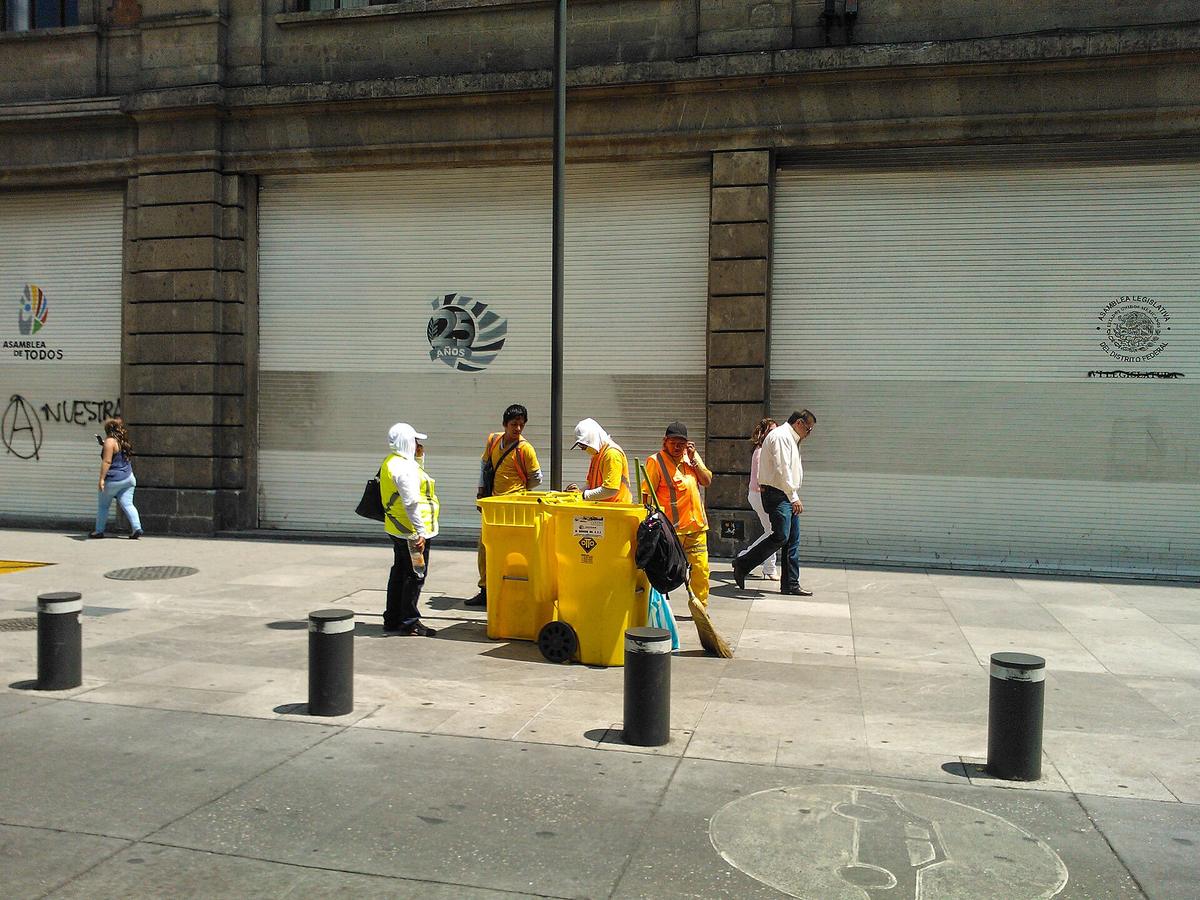
Four things will slow you down that no map accounts for.
Distance versus time. Mexico City to Cuernavaca is 85 kilometres on the road but takes 1.5 to 3 hours due to traffic and topography. The new highway section from Oaxaca City to Puerto Escondido has reduced the drive from nine hours to roughly six to seven. Check current conditions with a local rental agency before you drive it. Tap water. Tap water is not potable anywhere. Even locals buy garrafones. Ice in reputable bars is fine; street ice blocks are a gamble. Toilet paper goes in the bin beside the bowl, never in the bowl. Plumbing is narrow across the country. Police shakedowns. On the stretch between Tulum and Bacalar, police targeting rental cars with foreign plates is common. Have your licence and a photocopy of your passport ready. Stay calm, do not argue, and ask for a written citation if they demand a cash fine. ATM rates. ATMs at airports and resort strips dispense USD at terrible rates. Always decline the machine's conversion offer and withdraw pesos. Use a bank ATM, not an independent machine at a souvenir shop.
Connectivity. Telcel (the Amigo prepaid SIM) has the broadest 4G coverage in Mexico, including rural Chiapas and the Copper Canyon. Buy a physical SIM at any OXXO convenience store with your passport. eSIMs from providers such as uPhone work but cost more. Public Wi-Fi in city plazas is fine for messaging but useless for maps. Download offline Google Maps and a Spanish translation pack before you leave a Wi-Fi zone.
Who Should Use This System and Who Should Stay Home
This transport approach suits culture and archaeology enthusiasts willing to move beyond the beach, backpackers with flexible schedules, and food-focused travellers who plan entire days around markets and street stalls. It does not suit anyone needing strict punctuality, anyone with low tolerance for air pollution in Mexico City, or anyone unwilling to use basic Spanish beyond resort zones. If you are travelling with severe respiratory issues, choose coastal Mexico during dry season and limit time in the capital. The system works, but it works on Mexican terms, not Western ones. The single thing that most often goes wrong here is trying to squeeze two regions into one trip, misreading the real travel time, and spending your holiday in transit rather than in the place you came to see.
Common Questions
Can I rely on Uber everywhere in Mexico?
No. Uber is legal and functional in Mexico City and Guadalajara. At Cancún and Los Cabos airports, taxi syndicates prevent ride-hailing pickups. Walk off airport grounds to a nearby hotel or gas station before ordering.
Is ADO the only long-distance bus company?
No. ADO mainly covers the south and southeast. ETN/Turistar and Primera Plus cover central and western Mexico. Omnibus de México runs the north and centre. Each has a similar first-class product with assigned seats.
Do I need to book ADO buses in advance?
For popular routes (Mexico City to Oaxaca, Cancún to Mérida, Mérida to Palenque), book at least 24 hours ahead on the ADO app or at the station. Walk-up tickets sell out on Friday afternoons and during Semana Santa.
Can I drive a rental car from the Yucatán to Chiapas?
Yes, but you need a temporary vehicle import permit from Banjército for travel beyond the border zones. The permit is valid up to 180 days. One-way rental fees between peninsular and highland offices are high. Budget for Mexican liability insurance from a Mexico-licensed insurer; foreign policies are not accepted.
Read next
-
 Staying Connected in Mexico, eSIM, Telcel SIM, or Roaming
Compare eSIM providers against a physical Telcel SIM for a Mexico trip. Coverage in remote areas like the Copper Canyon and Chiapas decides the winner.
Staying Connected in Mexico, eSIM, Telcel SIM, or Roaming
Compare eSIM providers against a physical Telcel SIM for a Mexico trip. Coverage in remote areas like the Copper Canyon and Chiapas decides the winner.
-
 When to Go to Mexico Without Melting, Getting Rained Out, or Paying Double
Mexico's dry season runs December to March with perfect weather and peak prices. Hurricane season hits the coasts from August to October.
When to Go to Mexico Without Melting, Getting Rained Out, or Paying Double
Mexico's dry season runs December to March with perfect weather and peak prices. Hurricane season hits the coasts from August to October.
-
 Mexico Visa Rules and the FMM Tourist Card Explained Without the Guesswork
Most visitors to Mexico do not need a visa, but everyone needs an FMM tourist card. Here is who qualifies, how to get it, and what it costs.
Mexico Visa Rules and the FMM Tourist Card Explained Without the Guesswork
Most visitors to Mexico do not need a visa, but everyone needs an FMM tourist card. Here is who qualifies, how to get it, and what it costs.
-
 Cash or Card in Mexico and Why the ATM Keeps Asking You a Weird Question
Mexico runs on pesos and cash still rules markets, colectivos, and street food. Here is how to avoid the ATM conversion trap and when to use a card.
Cash or Card in Mexico and Why the ATM Keeps Asking You a Weird Question
Mexico runs on pesos and cash still rules markets, colectivos, and street food. Here is how to avoid the ATM conversion trap and when to use a card.
-
 Mexico Safety Advice That Does Not Come From a Clickbait Headline
Mexico's safety headlines rarely describe the risks travellers actually face. Here is how to read the advice, avoid police shakedowns, and navigate taxi conflicts.
Mexico Safety Advice That Does Not Come From a Clickbait Headline
Mexico's safety headlines rarely describe the risks travellers actually face. Here is how to read the advice, avoid police shakedowns, and navigate taxi conflicts.
-
 What a Trip to Mexico Costs, from Street Taco to Boutique Hotel
Mexico trip costs vary wildly by region and travel style. Here's what a day actually costs, from street stalls in Oaxaca to beach clubs in Tulum.
What a Trip to Mexico Costs, from Street Taco to Boutique Hotel
Mexico trip costs vary wildly by region and travel style. Here's what a day actually costs, from street stalls in Oaxaca to beach clubs in Tulum.
-
 How to Budget a Trip Based on Purchasing Power, Not Just Exchange Rates
Exchange rates tell only half the story. See how purchasing power shapes your real travel budget across Southeast Asia, Eastern Europe, and Latin America.
How to Budget a Trip Based on Purchasing Power, Not Just Exchange Rates
Exchange rates tell only half the story. See how purchasing power shapes your real travel budget across Southeast Asia, Eastern Europe, and Latin America.
-
 A Ground-Level Logistics Guide to Independent Travel in China
First-time independent travel in China: what you need to know about visas, rail booking, eSIMs, mobile payments, and power adapters.
A Ground-Level Logistics Guide to Independent Travel in China
First-time independent travel in China: what you need to know about visas, rail booking, eSIMs, mobile payments, and power adapters.
-
 How Solo Travelers Stay Ahead of Flight Delays and Cancellations
How solo travelers can track inbound aircraft, claim rebooking rights, and adjust ground transport when flights go wrong — step by step.
How Solo Travelers Stay Ahead of Flight Delays and Cancellations
How solo travelers can track inbound aircraft, claim rebooking rights, and adjust ground transport when flights go wrong — step by step.