An Africa Travel Guide to Fifty-Four Very Different Countries
A practical guide to traveling Africa's 54 countries, covering regions, pacing, and what first-timers need to know before booking.
An Africa Travel Guide to Fifty Four Very Different Countries
Africa is not one destination but 54 distinct countries, and the gap between the glossy safari brochure and the reality of long, bumpy transfers, intermittent power, and bureaucratic friction catches many first timers off guard. The continent delivers raw, spectacular scale. Landscapes humble you. Wildlife stops your breath. But it demands patience, flexibility, and a tolerance for plans changing without notice. The single most useful fact: plan for a single nation or two neighbours, not a sweep. A Cairo to Cape Town in three weeks itinerary turns Africa into a blur of airports, exhaustion, and missed depth. One nation easily fills a month.
- Minimum Days: 10 days for a single nation safari and city combo; anything shorter makes the jet lag, transit, and cost per day ratio a poor investment.
- Peak Season: June to October for East and Southern Africa dry season wildlife viewing. December to February for North Africa winter sun and Indian Ocean beach escapes.
- Avoid Window: Long rains in East Africa (March to May) turn dirt tracks to mud and close camps. North Africa July and August bring brutal 40°C+ heat. South Africa December school holidays pack Kruger and the Garden Route, driving prices up and availability down.
- Primary Air Hubs: Johannesburg O.R. Tambo (JNB) for Southern Africa. Nairobi Jomo Kenyatta (NBO) and Addis Ababa Bole (ADD) for East Africa. Casablanca Mohammed V (CMN) for North Africa.
- Getting Around: Domestic and regional flights on Airlink, Kenya Airways, and Ethiopian Airlines are the backbone for multi nation itineraries. Local transport runs on mobile money or small cash. Overland border crossings can eat a full day.
Africa Safari Planning
Classic Safari Circuits
The classic Big Five circuit in East Africa and Southern Africa runs on well trodden systems. Book a safari in the Serengeti Mara ecosystem for the great wildebeest migration year round. The Okavango Delta in Botswana transforms from desert into a water world maze when the seasonal flood arrives. For mountain gorilla permits in the Virunga volcanoes across Rwanda, Uganda, and the Democratic Republic of the Congo, book months ahead. Ngorongoro Crater in Tanzania delivers dense wildlife inside a collapsed volcanic caldera. These are the reliable systems best for first time safari goers.
Health Requirements
Malaria prophylaxis is a genuine compliance challenge. Daily or weekly pills for weeks before and after the trip, and the side effects surprise people who assumed it was a trivial precaution. The yellow fever certificate is demanded at entry for Angola, Benin, Burkina Faso, Burundi, Cameroon, Central African Republic, Chad, Congo Republic, Côte d'Ivoire, Democratic Republic of the Congo, Gabon, Ghana, Guinea, Guinea Bissau, Liberia, Mali, Niger, Rwanda, São Tomé and Príncipe, Senegal, Sierra Leone, South Sudan, Togo, and Uganda. If arriving from an endemic nation, Botswana, Eswatini, Ethiopia, Gambia, Kenya, Lesotho, Malawi, Mauritania, Mozambique, Namibia, Nigeria, Somalia, South Africa, Sudan, Tanzania, Zambia, and Zimbabwe also demand it. The yellow fever certificate validity is lifetime per the WHO International Health Regulations 2005 amendment effective 11 July 2016.
Money And Connectivity
Cash dependence outside major cities catches travellers off guard. ATMs are scarce, unreliable, and often impose low withdrawal limits, yet many camps and guides expect USD cash for tips and extras. Road transfer times are routinely double what a map suggests. A 200 km drive on a graded dirt road can take 6 hours in the dry season and become impassable in the wet. Mobile internet is widely available in cities via local SIMs from Airtel, MTN, Safaricom, or Vodacom costing a few dollars for generous data, but safari areas, deserts, and remote highlands have vast dead zones. Wi Fi in lodges is often satellite based, slow, and metered. Do not count on streaming or large uploads.


Africa Region Breakdown
The continent divides into eight districts, each with distinct character and infrastructure.
North Africa: Mediterranean coast, Sahara interior, ancient medinas. The Maghreb nations are Morocco, Algeria, Tunisia, Libya, and Mauritania. The rainy season runs October to April, Mediterranean influenced, with dry summers. July and August bring brutal 40°C+ heat. The UK Foreign, Commonwealth and Development Office has issued a travel warning for Algeria, Libya, and Mauritania.
West Africa: Rhythmic coast, voodoo culture, frenetic megacities, French speaking. The West African coast includes Senegal, The Gambia, Guinea Bissau, Guinea, Sierra Leone, Liberia, Côte d'Ivoire, Ghana, Togo, Benin, and Nigeria. The coastal belt has two wet seasons from April to July and September to November; inland has one longer wet season from May to October. The UK Foreign, Commonwealth and Development Office has issued a travel warning for Nigeria. Overland shared taxis are called sept place.
East Africa: Classic savannah, Indian Ocean beaches, Swahili culture, gorilla highlands. The East African highlands are Ethiopia, Eritrea, Djibouti, Somalia, Kenya, Uganda, Rwanda, Burundi, Tanzania. The rainy season is bimodal in most areas with long rains March to May and short rains October to December; unimodal in parts of Tanzania and western Uganda. The UK Foreign, Commonwealth and Development Office has issued a travel warning for Ethiopia, Somalia, Eritrea, and Burundi. Overland shared taxis are called matatu in Kenya and Uganda, dala dala in Tanzania.
Southern Africa: Polished infrastructure, dramatic deserts, wine lands, Cape flora. The Southern cone includes South Africa, Namibia, Botswana, Zimbabwe, Mozambique, Eswatini, Lesotho, Angola, Zambia, Malawi. The rainy season runs November to March summer rains in most areas; the Western Cape in South Africa has winter rains from May to August. The UK Foreign, Commonwealth and Development Office has issued a travel warning for Mozambique. Overland shared taxis are called combi in South Africa and Zimbabwe, chapa in Mozambique.
Central Africa: Dense rainforest, Congo Basin, gorilla trekking, logistical frontier. The UK Foreign, Commonwealth and Development Office has issued a travel warning for the Central African Republic, Democratic Republic of the Congo, Chad, and Cameroon.
The Sahel: Semi arid belt south of the Sahara, nomadic cultures, security challenges. Sahel nations include Senegal, The Gambia, Mauritania, Mali, Burkina Faso, Niger, Nigeria, Chad, Sudan, South Sudan, Eritrea. The single June to September wet season duration shortens northward. The UK Foreign, Commonwealth and Development Office has issued a travel warning for Burkina Faso, Mali, Niger, Nigeria, Sudan, South Sudan, Chad, Mauritania, and Eritrea.
The Horn: Arid eastern projection, Ethiopian highlands, Somaliland coast, ancient rock hewn churches. The UK Foreign, Commonwealth and Development Office has issued a travel warning for Somalia and Ethiopia.
Indian Ocean Islands: Madagascar, Seychelles, Mauritius, Zanzibar. Each a distinct ecosystem and culture.
First Time in Africa
Where To Start
If this is your first time in Africa, start with Kenya or South Africa. Both have reliable infrastructure, English widely spoken, and well established tourism systems. Kenya gives you the classic savannah of the Serengeti Mara ecosystem and the Indian Ocean coast at the Swahili culture hub of Stone Town in Zanzibar. South Africa gives you Cape Town with Table Mountain accessed by cable car or hike above a two ocean city, plus the Garden Route and Kruger National Park.
Arrival And First Days
Book for at least 10 days. Anything shorter and the jet lag, transit, and cost per day ratio make it a poor investment. Arrive at Johannesburg O.R. Tambo from where the Gautrain connects to Sandton in 15 minutes for roughly ZAR 200. From Nairobi Jomo Kenyatta, pre booked taxis or ride hail apps reach the city centre in 30 to 60 minutes for KES 2,000 to 3,000. Intercontinental arrivals typically require a separate domestic or regional flight to reach safari areas or secondary cities.
The Africa time cliché is real in practice. Departure buffers, meal waits, and logistical fuzziness require a mental reset that some travellers never make. Power cuts, called load shedding, are scheduled and unscheduled across much of Southern and West Africa, affecting everything from hotel hot water to phone charging.
Multi Country Africa Itinerary
Pairing Neighbouring Nations
A multi nation Africa itinerary works best when limited to two neighbouring nations connected by a direct regional flight. Kenya and Tanzania share the Serengeti Mara ecosystem and the wildebeest migration. South Africa and Namibia share a border and offer a dramatic desert to wine lands contrast. Rwanda and Uganda share the Virunga volcanoes for gorilla trekking and Bwindi Impenetrable Forest in Uganda for steep, muddy, life changing terrain.
Border Crossings And Flights
The thing that trips visitors up is assuming overland border crossings are quick. A Tanzania to Kenya bus journey can eat an entire day at the crossing alone. Typical crossing duration between two African nations is 1 to 8 hours, varying by border post, traffic, and official presence. Long distance overland journeys are punishing. Dakar to Bamako by road takes 24 to 36 hours. Nairobi to Kampala by bus takes 12 to 16 hours. Johannesburg to Harare by bus takes 16 to 20 hours. Addis Ababa to Nairobi by road via Moyale takes 2 to 3 days. Do not plan a multi nation itinerary around overland connections unless you have serious time and tolerance for delays.
Domestic and regional flights on carriers like Airlink, Kenya Airways, and Ethiopian Airlines are the practical backbone. Payment is almost entirely cashless for flights. Visa logistics are punishing across multiple nations. Check the visa regime for your nationality through the IATA Travel Centre at iatatravelcentre.com, updated continuously, or through the national embassy or consulate of the destination. The African Union member state list of visa open states varies by nationality of traveller and is revised annually.
| District | Key Nations | Best Time to Visit | Rainy Season Pattern | Overland Taxi Term |
|---|---|---|---|---|
| North Africa (Maghreb) | Morocco, Algeria, Tunisia, Libya, Mauritania | December to February | October to April, Mediterranean influenced, dry summers | Grand taxi |
| West African Coast | Senegal, Ghana, Côte d'Ivoire, Nigeria | November to February | Coastal: April July and September November; inland May October | Sept place |
| East African Highlands | Kenya, Tanzania, Uganda, Rwanda, Ethiopia | June to October | Bimodal: long rains March May, short rains October December | Matatu (Kenya, Uganda), dala dala (Tanzania) |
| Southern Cone | South Africa, Namibia, Botswana, Zimbabwe | May to September | November March summer rains; Western Cape May August winter rains | Combi (SA, Zimbabwe), chapa (Mozambique) |
| Central Africa | DRC, Cameroon, Gabon, Republic of Congo | June to August | Variable, equatorial | Various |
| The Sahel | Mali, Burkina Faso, Niger, Chad, Sudan | November to February | Single June to September wet season, shortens northward | Various |
| The Horn | Ethiopia, Somalia, Djibouti, Eritrea | October to February | Bimodal in highlands | Various |
| Indian Ocean Islands | Madagascar, Seychelles, Mauritius, Zanzibar | May to October | Variable by island | Taxi |

.jpg)
Africa Travel Advice
Security And Current Warnings
The government travel warning landscape in Africa is extensive. The UK Foreign, Commonwealth and Development Office issues warnings against all or part of the territory for a variable number of African nations each year. For Burkina Faso, Mali, Niger, Nigeria, Somalia, South Sudan, Sudan, Libya, Central African Republic, Democratic Republic of the Congo, Chad, Ethiopia, Mozambique, Algeria, Mauritania, Eritrea, Burundi, and Cameroon, the UK Foreign, Commonwealth and Development Office has a warning in force. Check the current warning for your destination before booking flights. These warnings do not necessarily cover the entire nation. Many safari areas and tourist enclaves remain accessible even when parts of a nation carry a warning. Book through a reputable tour operator who monitors security conditions daily.
Food Worth Travelling For
Food is a major part of the experience. Tagine in Morocco is a slow cooked clay pot stew method, not a generic dish. Nyama choma in Kenya and Tanzania is grilled goat or beef eaten with hands, dipped in salt and chili, the social centre of East African weekends. Jollof rice across West Africa is a fiercely contested one pot tomato and pepper rice, each nation claiming the definitive version. Braai in South Africa and Namibia is a ritualised open fire barbecue about the gathering as much as the meat. Ethiopian injera and wot is a spongy sour flatbread tearing into spiced stews eaten communally from a single platter. Egyptian koshari layers rice, lentils, macaroni, chickpeas, and fried onions with garlic vinegar sauce. Zanzibari seafood curry uses coconut milk, turmeric, and fresh catch, eaten at Forodhani night market.
Day Trips From Major Cities
Day trips from major cities offer accessible chunks of the continent. The Cape Peninsula loop from Cape Town covers Cape Point, Boulders Beach penguins, and Chapman's Peak drive in a full day by car. The Atlas Mountains from Marrakech reach Ourika Valley waterfalls and Berber villages in 90 minutes each way by road. Lake Naivasha from Nairobi offers boat safaris among hippos and Crescent Island walk in 2 hours each way by road. Goree Island from Dakar requires a 20 minute ferry for a half day visit to the slave history UNESCO site. Robben Island from Cape Town takes 3.5 hours total including the ferry crossing to Mandela's prison; book days ahead.
Who Africa Suits and Who it Does Not
Africa suits first time safari goers who want the classic Big Five circuit in reliable, well trodden systems. It suits seasoned overlanders and self drivers comfortable with border crossings, mechanical mishaps, and rough roads. It suits specific interest travellers chasing gorillas, desert silence, ancient history, or world class kitesurfing. It suits photographers and filmmakers who plan entire trips around a single migration or light condition. It suits return visitors who have done the greatest hits loop and want deeper immersion in a single nation or culture.
Africa does not suit travellers seeking a cheap, unstructured backpacking circuit across multiple nations. Distances are vast, flights expensive, and visa logistics punishing. It does not suit anyone who needs clockwork schedules, dependable infrastructure, or Western standard medical care within immediate reach. It does not suit beach resort only travellers who want all inclusive Caribbean style ease. The coast is spectacular but the resort model is patchy outside a few enclaves.
Countries in Africa
-

 Egypt
A practical Egypt travel guide focused on the Nile corridor, covering trip structure, domestic transit realities, and how tickets and guides work at major sites.
Egypt
A practical Egypt travel guide focused on the Nile corridor, covering trip structure, domestic transit realities, and how tickets and guides work at major sites.
-
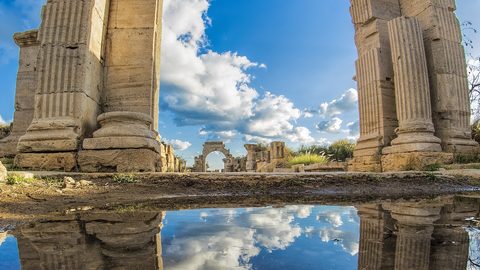
 Libya
Libya holds Rome's most complete ghost city and vast empty sand seas, but crippling bureaucracy and security checkpoints govern every practical decision for
Libya
Libya holds Rome's most complete ghost city and vast empty sand seas, but crippling bureaucracy and security checkpoints govern every practical decision for
-
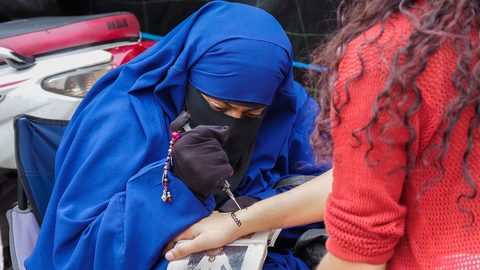
 Morocco
 packs four imperial cities, the High Atlas and the Sahara into one intense country where bargaining shapes daily life and the senses never rest.
Morocco
Morocco packs four imperial cities, the High Atlas and the Sahara into one intense country where bargaining shapes daily life and the senses never rest.
-

 South Africa
 delivers raw landscapes and world-class wildlife, but its scale, safety protocols, and infrastructure gaps surprise first-timers.
South Africa
South Africa delivers raw landscapes and world-class wildlife, but its scale, safety protocols, and infrastructure gaps surprise first-timers.
Common Questions
How many days do I need for a first trip to Africa?
Minimum 10 days for a single nation safari and city combo. Anything shorter makes the jet lag, transit, and cost per day ratio a poor investment.
Which nations are safest for a first time visitor?
Kenya and South Africa have the most reliable infrastructure, English widely spoken, and well established tourism systems. Botswana and Namibia are also strong choices for first time safari goers.
Do I need a yellow fever vaccine for Africa?
Yellow fever certificate is demanded at entry for 23 nations. If arriving from an endemic nation, 17 more demand it. The certificate is valid for life per the WHO International Health Regulations 2005 amendment effective 11 July 2016.
How long does it take to cross a border between African nations?
Typical crossing duration is 1 to 8 hours, varying by border post, traffic, and official presence. A Tanzania to Kenya bus journey can eat an entire day at the crossing alone.
Can I use my phone in Africa?
Mobile internet is widely available in cities via local SIMs from Airtel, MTN, Safaricom, or Vodacom costing a few dollars for generous data. Safari areas, deserts, and remote highlands have vast dead zones. eSIMs with regional plans are increasingly viable but still patchy across multiple nations.
What is the best time of year for a safari?
June to October for East and Southern Africa dry season wildlife viewing, when animals concentrate at water sources and vegetation is thin.
How much cash should I bring?
Carry enough USD cash for tips and extras at camps and guides. ATMs outside major cities are scarce, unreliable, and often impose low withdrawal limits.
Read next
-
South Africa
South Africa delivers raw landscapes and world-class wildlife, but its scale, safety protocols, and infrastructure gaps surprise first-timers.
-
Libya
Libya holds Rome's most complete ghost city and vast empty sand seas, but crippling bureaucracy and security checkpoints govern every practical decision for
-
Morocco
Morocco packs four imperial cities, the High Atlas and the Sahara into one intense country where bargaining shapes daily life and the senses never rest.
-
Egypt
A practical Egypt travel guide focused on the Nile corridor, covering trip structure, domestic transit realities, and how tickets and guides work at major sites.
-
 A Ground-Level Logistics Guide to Independent Travel in China
First-time independent travel in China: what you need to know about visas, rail booking, eSIMs, mobile payments, and power adapters.
A Ground-Level Logistics Guide to Independent Travel in China
First-time independent travel in China: what you need to know about visas, rail booking, eSIMs, mobile payments, and power adapters.
-
 How Solo Travelers Stay Ahead of Flight Delays and Cancellations
How solo travelers can track inbound aircraft, claim rebooking rights, and adjust ground transport when flights go wrong — step by step.
How Solo Travelers Stay Ahead of Flight Delays and Cancellations
How solo travelers can track inbound aircraft, claim rebooking rights, and adjust ground transport when flights go wrong — step by step.
-
 Why Your eSIM Might Not Work Abroad and How to Check Before You Go
Buying an eSIM doesn't guarantee signal abroad. Learn why coverage fails by location and how to verify reach before you commit to a plan.
Why Your eSIM Might Not Work Abroad and How to Check Before You Go
Buying an eSIM doesn't guarantee signal abroad. Learn why coverage fails by location and how to verify reach before you commit to a plan.