South Africa: A Self-Drive Country That Demands a Plan
South Africa delivers raw landscapes and world-class wildlife, but its scale, safety protocols, and infrastructure gaps surprise first-timers.
- Flag
-
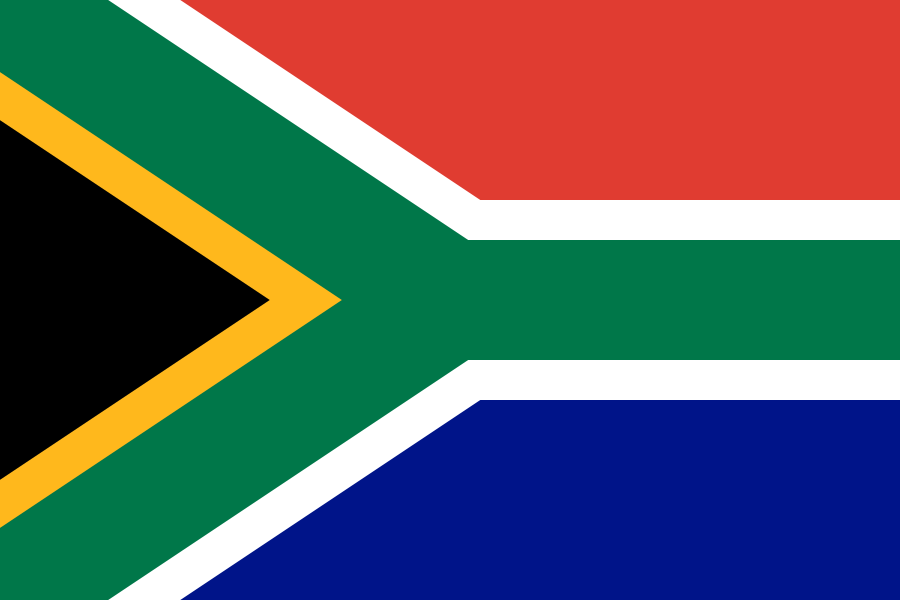
- ISO code
- ZA
- Population
- 62,000,000
- Currency
- ZAR
- Timezone
- Africa/Johannesburg
- Dial code
- +27
South Africa covers 1,221,037 square kilometres. That is roughly twice the size of France and five times the size of the United Kingdom. The dominant fact for any first time visitor trying to build a South Africa travel guide in their head is this: you cannot see this country on a long weekend. You cannot hop between Cape Town and Kruger in an afternoon. The geography is the first thing that forces a plan. The second is the gap between the brochure image and the reality on the ground.
The brochure shows Table Mountain at sunset and a lion yawning in the golden grass. The reality includes long days behind the wheel, load shedding that kills traffic lights and card machines, visible inequality that sits uncomfortably next to a R1,500 wine tasting, and a constant low level vigilance about personal safety that many visitors find mentally draining. The trade off is honest. You trade convenience for the rawest landscapes on the continent, world class wildlife viewing that runs from Big Five reserves to penguin colonies on Cape Town beaches, and a food and wine scene that delivers at a fraction of European prices. A traveller who understands the scale, the safety protocols, and the stark contrasts before they land will have a trip that matches the expectation. A traveller who does not will spend two weeks wondering what went wrong.
Minimum time is 14 days. Anything less forces a choice between Cape Town, the Garden Route, and one safari zone, and that makes the long haul flight hard to justify. The ideal first itinerary runs from Johannesburg to Kruger, down the escarpment through Mpumalanga, along the Garden Route to Cape Town, then out to the Winelands. That route is a self drive loop that covers the country's core without doubling back, and it takes two weeks at a pace that does not leave you checking out every morning.
- Capital: Pretoria (administrative), Cape Town (legislative), Bloemfontein (judicial)
- Official languages: 11, including English, isiZulu, isiXhosa, Afrikaans; English is the primary language of government, commerce, and road signage
- Area: 1,221,037 km²
- Currency: South African rand (ZAR)
- Driving side: Left
- Time zone: SAST (UTC+2), no daylight saving
- Visa policy: Visa free for nationals of approx. 80 countries for stays up to 90 days; passport must have at least 30 days validity beyond departure and 2 blank pages
- Emergency number: Police 10111, ambulance 10177, mobile 112
Self Drive South Africa Itinerary: the Only Way to See it
South Africa is a self drive country. The public transport system outside of the Gautrain corridor and a few inter city bus operators like Intercape and Translux is limited. You cannot rely on trains: Shosholoza Meyl long distance passenger rail is largely suspended, with only a few resumed services on the Johannesburg to Cape Town and Johannesburg to Durban lines. Domestic airlines like Airlink, FlySafair, and CemAir connect the hubs, but you still need wheels at both ends. The dominant mode of tourism is a rental car and a road map, and that is the correct way to build a self drive South Africa itinerary.
The rental is straightforward if you bring a valid home country driving licence in English. If your licence is in another language, you need an International Driving Permit. Payment is by credit card with chip and PIN, and you need that chip and PIN everywhere. The friction that trips visitors up is that many fuel stations in rural areas do not accept international cards at the pump. You are forced to carry cash in South African rand for those moments, and if you run out of cash and the card fails, you are stuck. Withdraw rand at the airport or at any major bank ATM in Sandton or the V&A Waterfront. Do not assume you can pay with plastic on the N1 at 8pm.
Route Planning And Road Conditions
Another rule for the self drive planner: stick to major roads. Google Maps will sometimes route you through informal settlements or unsafe areas on the shortest path. Do not blindly follow the shortest line on the screen. Ask a local at your accommodation for the safe route between two points. On the road, the network of national roads is paved and well maintained, but secondary roads vary from good gravel to corrugated tracks. The 750,000 km network is not all reliable. A sedan is fine for the main routes; a 4x4 is required for Sani Pass in the Drakensberg and optional but wise for some of the deeper reserve tracks in the Kalahari.
Fuel Station Protocol
Petrol stations are full service only. An attendant fills the tank, checks your oil and tyres, and expects a tip of R5 to R10. You must state your fuel type (unleaded or diesel) and the amount clearly. Many stations in rural areas do not take international cards, especially at night. Budget for cash at every fill up outside a major city.
Load Shedding And The Road
Load shedding affects traffic lights, restaurant payment terminals, and fuel station pumps. The EskomSePush app tracks your area's schedule. Download it before you leave the airport. A set of dead traffic lights at a major intersection in Johannesburg at rush hour is a real hazard. Treat every non functioning robot as a four way stop and proceed with extreme caution.
South Africa Trip Planning: the Calendar and the Cash
South Africa trip planning starts with the calendar, not the accommodation. Peak season runs December to February and July. The December to January school holiday corridor, specifically December 15 to January 10, is the worst window to arrive. Coastal accommodation in Cape Town and the Garden Route is fully booked, prices double, and the roads are congested with domestic travellers. Easter weekend spikes just as hard. July is peak safari season in Kruger and the northern reserves because the dry winter weather thins vegetation and concentrates animals at water sources. Book rest camps in Kruger 11 months ahead for any July date.
Seasonal Timing
The low season in the interior and east is the dry winter from May to September. That is the best time for wildlife viewing in Kruger, the Lowveld, and the Elephant Coast. The trade off is cold nights: temperatures on the interior plateau drop below freezing in winter, and daytime highs above 35°C are normal in summer. The Western Cape reverses the pattern: winter rainfall from May to August means Cape Town is wet and cold in safari season, though that is also the whale watching season, with southern right whales present along the southern and Cape coasts from June to November. The Namaqualand wildflower bloom peaks August to September, but its duration and intensity depend on winter rainfall.
Budgeting Your Days
Budget for a long trip. Minimum 14 days, as stated. A common mistake is underestimating driving distances and trying to cover Johannesburg, Kruger, the Garden Route, and Cape Town in 10 days. That turns the trip into a blur of one night stops and highway fatigue. You need 5 to 7 days for Cape Town and the Garden Route alone. You need 4 to 7 days for a safari focused itinerary in Limpopo or Mpumalanga. You need 2 to 4 days for Johannesburg and Pretoria. A 14 day trip that follows the Johannesburg Kruger Garden Route Cape Town loop is a full schedule with zero padding.
| Region | Character | Minimum Duration |
|---|---|---|
| Western Cape | Mediterranean climate, coastal drives, vineyards, mountains; most visited region with the most developed infrastructure | 5–7 days for Cape Town and the Garden Route |
| Eastern Cape | Rugged coastline, malaria free Big Five reserves, Xhosa cultural heritage; less dense tourism infrastructure | 4–6 days for Addo and the Wild Coast |
| Northern Cape | Semi arid, vast distances, spring wildflower bloom, Kalahari; lowest population density, extreme summer heat | 3–5 days for a single sub region; 7+ days for a full traverse |
| KwaZulu Natal | Subtropical coast, Drakensberg mountains, Zulu cultural sites, Big Five reserves; high summer humidity on the coast | 5–7 days for coast and mountains |
| Gauteng | Urban economic hub; gateway city Johannesburg; apartheid history sites | 2–4 days for Johannesburg and Pretoria |
| Mpumalanga | Southern Kruger National Park, Panorama Route escarpment, Blyde River Canyon; subtropical summer rainfall | 3–5 days for Kruger and the escarpment |
| Limpopo | Bushveld, Big Five reserves bordering Kruger, baobab country, Mapungubwe; hot summers, mild dry winters | 4–7 days for a safari focused itinerary |
| North West | Pilanesberg and Madikwe game reserves, Sun City; bushveld landscape | 2–4 days for a safari or resort stay |
Is South Africa Safe to Visit
This is the question that stops more travellers than any other. The honest answer is that South Africa is safe to visit if you follow protocols that feel restrictive compared to a European city break. Violent crime is real and concentrated in specific urban townships and areas. Opportunistic property crime and vehicle break ins occur in tourist hubs like the V&A Waterfront and around Kruger gate towns. The South African Police Service (SAPS) publishes quarterly and annual crime statistics, and the pattern is consistent: the risk to a visitor who stays in well reviewed accommodation, drives between destinations without stopping in unlit areas, and avoids walking alone after dark in city centres is low, but not zero.
Baseline Safety Protocols
Do not walk alone at night in downtown Johannesburg or Cape Town city centre. Do not leave visible valuables in a parked car, even in a guarded lot. Do not stop for strangers waving at you from the roadside. Lock doors while driving, keep bags out of sight, and arrive at all destinations before dark in rural areas. These are not alarmist warnings. They are the baseline safety protocols that every local follows, and a visitor who ignores them is the one who becomes a statistic.
Advisory Sources And The Reality
The government travel advisory bodies that issue warnings for South Africa include the UK Foreign, Commonwealth and Development Office (FCDO), the US Department of State, the Australian Department of Foreign Affairs and Trade (Smartraveller), and the Government of Canada (Travel.gc.ca). Check those before you book. The advice changes with events, and a page written in August 2026 cannot tell you what the situation will be in November.
On the positive side: the self drive culture means that most of your daylight hours are spent inside a locked car on open roads. The risk is concentrated in a small number of high density urban zones. The vast majority of tourists experience no incidents. The vigilance is mentally draining, as the research notes, and you should factor that into your expectations. But it is not a reason to cancel the trip. It is a reason to plan the trip with the same attention to detail that you would apply to a backcountry hike.

,_Table_Mountain,_Seilbahn,_Gedenkplatte_--_2024_--_2870.jpg)

South Africa First Timer Advice: the Small Print That Changes Everything
South Africa first timer advice usually focuses on the headline sights. The practical details that actually affect your trip are the ones nobody puts on the postcard. Here they are.
Connectivity And SIM Cards
Buy a prepaid SIM at the airport on arrival. Vodacom or MTN. RICA registration requires your passport and takes 10 minutes. Do not leave without it. Rural coverage is patchy and an eSIM alone will not guarantee a signal in remote areas. Wi Fi is standard in city accommodation but often capped or slow in safari lodges. You need a local SIM with data for navigation, for the EskomSePush app, and for emergencies. Download offline maps for the entire route before you leave the airport.
Water, Cash, And Tolls
Tap water is safe in major cities and towns. It is not safe in many rural areas and game reserves. Carry purification tablets or buy sealed water. Do not assume the tap at a rural guesthouse is fine.
Cash is rarely used in cities. But carry it anyway because rural fuel stations and informal vendors often reject international cards. The toll road network is extensive. Some toll plazas use electronic toll collection with a registered tag, others accept cash or card. Keep a wad of R50 and R100 notes in the car.
Documents And Power Cuts
Yellow fever certificate required on entry if you are arriving from or transiting through a yellow fever endemic country. If that applies, carry the certificate; border officials check. Minor children travelling with only one parent or a guardian need extra documentation, including an unabridged birth certificate showing both parents' details. The rules are strict. The Department of Home Affairs enforces them. Do not show up without the right papers.
Load shedding hits daily. Restaurants in cities often have generators. Rural lodges may not. A load shedding stage of 1 to 8 determines the frequency and duration of outages in your area. The EskomSePush app tells you your schedule. If you book a safari lodge that does not have backup power, your morning coffee may be cold and your room fan may not spin. Ask before you book.
Who South Africa Suits and Who it Does Not
South Africa suits the self drive safari enthusiast who accepts that a perfect day in Kruger involves four hours of slow driving on gravel and a pre-dawn start. It suits the road tripper who loves epic scenery and will drive a full day for a viewpoint. It suits the adventure sports addict who wants to bungee jump off Bloukrans Bridge, surf at Jeffrey's Bay, and hike the Drakensberg escarpment in a single trip. It suits the wine and food lover on a budget who wants a Franschhoek tasting lunch for less than a glass in Napa. It suits the photographer chasing light and wildlife, as long as they accept that the light comes with load shedding and the wildlife comes with a malaria tablet.
South Africa does not suit the traveller seeking a walkable, spontaneous city break where you leave the hotel without a plan and stumble onto a perfect day. It does not suit anyone uncomfortable renting a car abroad. It does not suit the visitor expecting a cheap beach hut backpacker scene throughout, because the beach huts on the Wild Coast are remote and the backpacker scene in Cape Town is not cheap. It does not suit anyone unwilling to navigate the country's stark safety protocols, because a trip that ignores them is a trip that can go wrong fast.
The honest version of South Africa involves long driving distances, visible inequality that is confronting, and a constant low level vigilance that many visitors find mentally draining. It also delivers raw dramatic landscapes and world class wildlife at a price that feels like a cheat code. The traveller who plans for the friction gets the reward. The traveller who does not spends the whole trip wondering what they missed.
Common Questions
How many days do I need for South Africa?
Minimum 14 days. Anything less forces you to choose between Cape Town, the Garden Route, and one safari zone, making the long haul flight hard to justify. A 10 day trip that tries to cover Johannesburg, Kruger, the Garden Route, and Cape Town turns into a blur of one night stops and highway fatigue.
Do I need a rental car in South Africa?
Yes. Self driving a rental car is the dominant way to see the country. Public transport outside the Gautrain corridor and a few inter city bus operators is limited. Long distance passenger rail is largely suspended. You need a car to reach national parks, rural regions, and the Garden Route.
What is load shedding and how does it affect tourists?
Load shedding is scheduled rotational power cuts implemented by Eskom, the state electricity utility. It affects traffic lights, fuel station pumps, restaurant payment terminals, and hotel air conditioning. Download the EskomSePush app to track your area's schedule. Ask your accommodation if they have backup power.
Is tap water safe to drink?
Tap water is generally safe to drink in major cities and towns. It is variable in rural areas and small towns. In game reserves and remote lodges, carry purification tablets or buy sealed water.
What is the best time to visit South Africa?
It depends on your goal. For wildlife viewing, May to September is best because vegetation thins and animals concentrate at water sources. For coastal weather in the Western Cape, November to April is warmer and drier. Avoid December 15 to January 10 when coastal accommodation is scarce, prices double, and roads are congested.
Do I need a visa?
Nationals of approximately 80 countries can enter visa free for stays up to 90 days. All other nationalities require a visa obtained before travel. Your passport must have at least 30 days validity beyond your intended departure and at least two blank pages. Check with the Department of Home Affairs for your specific nationality.
Do I need malaria prophylaxis?
Malaria risk exists in low altitude areas of Limpopo, Mpumalanga (including Kruger National Park), and northern KwaZulu Natal. Transmission season runs September to May, peaking in the wet summer months. Health authorities recommend prophylaxis for risk areas. Consult a travel clinic for current guidance based on your itinerary.
Read next
-
 Staying connected in South Africa with eSIM, local SIM, or both
Why an eSIM alone fails in rural South Africa and how to combine it with a physical Vodacom or MTN SIM registered at the airport.
Staying connected in South Africa with eSIM, local SIM, or both
Why an eSIM alone fails in rural South Africa and how to combine it with a physical Vodacom or MTN SIM registered at the airport.
-
 Best Time to Visit South Africa by Season and Region
When to go to South Africa, from Kruger's dry-season game viewing in July to Cape Town's summer crowds and the December school holiday price spike.
Best Time to Visit South Africa by Season and Region
When to go to South Africa, from Kruger's dry-season game viewing in July to Cape Town's summer crowds and the December school holiday price spike.
-
 Getting Around South Africa, Self-Drive, Flights, and the Baz Bus
Self-driving a rental car is how most travellers see South Africa. What connects where, when to fly, and what the map oversells about public transport.
Getting Around South Africa, Self-Drive, Flights, and the Baz Bus
Self-driving a rental car is how most travellers see South Africa. What connects where, when to fly, and what the map oversells about public transport.
-
 South Africa Visa Requirements and the Application Process
Who needs a visa for South Africa, which nationalities are exempt, and what documents border officials will ask for.
South Africa Visa Requirements and the Application Process
Who needs a visa for South Africa, which nationalities are exempt, and what documents border officials will ask for.
-
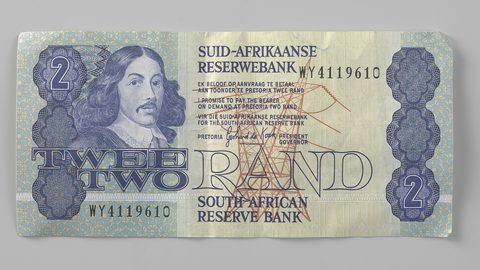 Money in South Africa, Rand, Cards, and Where Cash Still Wins
South African rand, credit cards, and where cash still wins. Why your international card may fail at rural fuel stations and how much cash to carry.
Money in South Africa, Rand, Cards, and Where Cash Still Wins
South African rand, credit cards, and where cash still wins. Why your international card may fail at rural fuel stations and how much cash to carry.
-
 South Africa Safety Advice Without the Hysteria
How to read safety advice about South Africa without being misled. The protocols locals follow, the risks that are real, and how to travel safely.
South Africa Safety Advice Without the Hysteria
How to read safety advice about South Africa without being misled. The protocols locals follow, the risks that are real, and how to travel safely.
-
 A Ground-Level Logistics Guide to Independent Travel in China
First-time independent travel in China: what you need to know about visas, rail booking, eSIMs, mobile payments, and power adapters.
A Ground-Level Logistics Guide to Independent Travel in China
First-time independent travel in China: what you need to know about visas, rail booking, eSIMs, mobile payments, and power adapters.
-
 How Solo Travelers Stay Ahead of Flight Delays and Cancellations
How solo travelers can track inbound aircraft, claim rebooking rights, and adjust ground transport when flights go wrong — step by step.
How Solo Travelers Stay Ahead of Flight Delays and Cancellations
How solo travelers can track inbound aircraft, claim rebooking rights, and adjust ground transport when flights go wrong — step by step.
-
 Why Your eSIM Might Not Work Abroad and How to Check Before You Go
Buying an eSIM doesn't guarantee signal abroad. Learn why coverage fails by location and how to verify reach before you commit to a plan.
Why Your eSIM Might Not Work Abroad and How to Check Before You Go
Buying an eSIM doesn't guarantee signal abroad. Learn why coverage fails by location and how to verify reach before you commit to a plan.