Building a Smart Japan Rail Pass Strategy That Works
The Japan Rail Pass is no longer an automatic buy. How to calculate if it pays off, which trains it excludes, and how IC cards actually work across regions.
The Post-2023 Reality of Japan Rail Travel
The Japan Rail Pass stopped being an automatic money saver in October 2023 when prices rose by roughly 70%. Your rail pass strategy now requires actual math: add up the individual long-distance tickets you would pay without the pass and see if the pass costs less. For most itineraries that stay inside a single region like Kansai or Kanto, the pass loses money. It only pays off if you cover huge distances daily. Tokyo to Kyoto to Hiroshima to Fukuoka inside a week. Even then the pass excludes the fastest trains.
Nozomi Restriction on the Fastest Trains
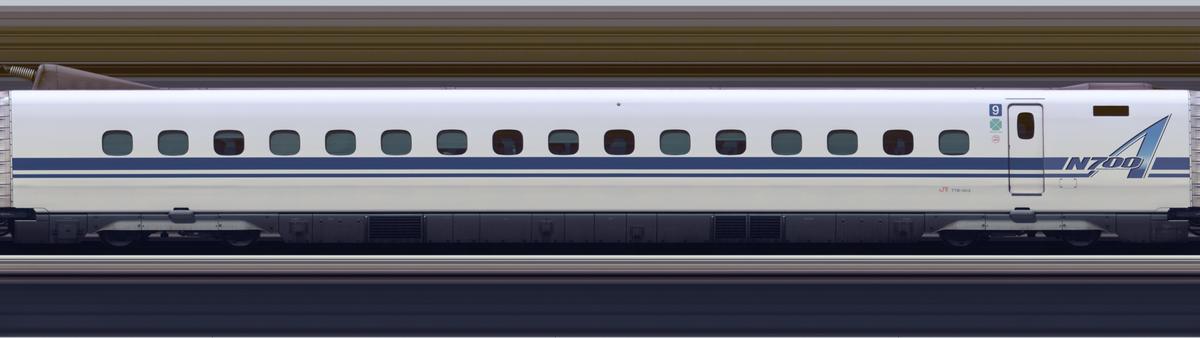
The Japan Rail Pass does not work on Nozomi or Mizuho services. These are the fastest trains on the Tokaido, Sanyo and Kyushu lines. A Nozomi covers Tokyo to Osaka in 2 hours 30 minutes. The next fastest option, the Hikari, takes 3 hours. You pay the same pass price but lose 30 minutes each way. You can ride Nozomi and Mizuho with the pass only if you pay the full fare plus a separate limited express surcharge, which cancels the value of the pass entirely. For most travellers the solution is simple: book a Hikari or Sakura train instead and accept the small time penalty. The exception is Golden Week and Obon, when Hikari seats sell out and Nozomi runs every 10 minutes. During those windows you may have no choice but to buy a standard ticket and skip pass usage that day.
What The Rail Pass Actually Covers
The pass covers all JR trains except Nozomi and Mizuho. That includes Hikari and Kodama services as well as all limited express trains like the Narita Express and Haruka airport trains. Local JR trains and JR buses are also included. You get unlimited free seat reservations at ticket machines or counters. The pass does not cover private railways. The Kintetsu line from Kyoto to Nara and the Tobu line from Tokyo to Nikko are not included. Highway buses and most ferries are also excluded.

Suica and Pasmo IC Card Guide
Buy an IC card within the first hour of arrival. Suica and Pasmo are the two dominant brands in the Tokyo region and they work identically. You buy the card at a ticket machine for a refundable ¥500 deposit and load it with cash. Tap at station gates to enter and tap again to exit. The card calculates the fare automatically. You can also use the card at convenience stores like 7-Eleven and vending machines. The same card works in Osaka on the ICOCA system and in Sapporo on Kitaca. You cannot cross between card regions without a proper fare adjustment. If you enter Suica territory and exit in ICOCA territory the system charges the correct fare because the cards are interoperable. The problem arises when you enter via paper ticket and exit via IC card. In that case you must use the fare adjustment machine next to the gate before exiting. Skipping this step locks your card until a station attendant fixes it.
Refund Rules
You can refund the ¥500 deposit and any remaining balance at a JR station in the issuing region. If you bought a Suica in Tokyo you can only refund it in the Tokyo area. Cards from other regions follow the same rule. It is easier to keep the card as a souvenir and spend the balance at a convenience store on your last day. The cards expire after 10 years of non-use.
Local Bus Payment in Rural Japan
Urban buses in Tokyo, Kyoto and Osaka accept IC cards. You tap when you board and tap again when you exit. Rural buses are different. In places like Shirakawa-go, the Kumano region and parts of Shikoku you pay with cash only. The bus displays a numbered fare chart near the driver. You take a numbered ticket from a machine when you board and match the number to the fare on the chart when you exit. Drop coins into the fare box next to the driver. No change is given from ¥1,000 notes. The fare box on most rural buses does accept ¥1,000 notes and returns change. Anything larger than ¥1,000 is not accepted. Carry a coin purse with ¥1,000 notes and smaller coins for these routes.
Google Maps and Train Platform Navigation
Google Maps is the single essential app for navigating Japanese train stations. It tells you the platform number, the departure time, the car number for the best exit and the transfer time between platforms. The app drains battery fast because it constantly pings GPS even underground. A power bank is non-negotiable. The failure case is a station like Tokyo Station or Shinjuku Station where 20 platforms serve multiple lines on multiple levels. Google Maps can tell you platform 14 but it does not tell you that platform 14 has a separate entrance on the Yaesu side, a 15-minute walk from the Marunouchi side. Arrive 15 minutes early at major stations and read the platform signs. The alternative app is Japan Transit Planner, which uses offline data but lacks the live departure accuracy of Google Maps. Use Google Maps for directions and Japan Transit Planner for timetable checks when your battery is low.


When the Rail Pass Actually Pays Off
The rail pass works for a specific travel pattern: long-distance bullet train travel every day across multiple regions. A Tokyo to Hiroshima round trip costs roughly ¥37,000 for standard unreserved seats. If you add a side trip to Kyoto or Osaka the pass breaks even. Add a second long day such as Hiroshima to Hakodate and the pass saves money. The pass fails for anyone staying in one city or region. A week spent entirely in Tokyo costs a fraction of the pass price in local fares. The pass would waste tens of thousands of yen. The pass also fails for travellers who want the fastest trains. The Nozomi exclusion means you lose time on every long-distance leg. For those who value speed over cost the better option is buying individual Nozomi tickets even if they cost more than the pass.
The Highway Bus Alternative
Highway buses cost roughly half the price of a bullet train ticket and run overnight between major cities. A Tokyo to Kyoto overnight bus costs a fraction of the train fare. The trade-off is 8 hours on a bus versus 2.5 hours on a train. Highway buses require advance booking online or at bus terminal counters. Luggage goes in underfloor compartments with strict size limits. Overnight buses save a night of accommodation but you arrive tired. This option suits budget travellers who do not qualify for the rail pass.
Common Questions
How do I buy a Japan Rail Pass in 2026?
You buy an exchange order outside Japan from authorized sellers like JTB or Klook before your trip. Bring the exchange order to a designated JR station in Japan and activate it with your passport. You choose the start date at that point. The pass covers 7, 14 or 21 consecutive days.
Can I use Suica on the Shinkansen?
No. Suica and other IC cards only cover local trains, subways and buses. You need a separate long-distance ticket for bullet train travel. If you have a rail pass you show it at the manned gate. If you buy individual tickets you use the paper ticket or QR code.
What happens if I board a Nozomi with a rail pass?
The gate will not open. You need to exit the gate area and buy a separate Nozomi ticket paying the full fare plus surcharge. The rail pass cannot be used as partial payment. You lose the value of that day on the pass.
Do I need to reserve seats on the bullet train?
You do not need to for Kodama trains which have many empty seats. You should for Hikari and Sakura trains during peak travel windows like cherry blossom season and Golden Week. Reserve at a ticket machine or counter with your pass. Free of charge.
Read next
-

 Staying Connected in Japan eSIM Pocket Wi-Fi or Local SIM Compared
Free public Wi‑Fi in Japan is a trap. The networks that exist under names like Japan Connected free Wi‑Fi and city‑specific SSIDs require a sign‑up portal tha
Staying Connected in Japan eSIM Pocket Wi-Fi or Local SIM Compared
Free public Wi‑Fi in Japan is a trap. The networks that exist under names like Japan Connected free Wi‑Fi and city‑specific SSIDs require a sign‑up portal tha
-
 Best Time to Visit Japan What Each Season Actually Does
Cherry blossoms and autumn leaves draw the crowds for good reason, but Golden Week gridlock and New Year shutdowns can break an itinerary.
Best Time to Visit Japan What Each Season Actually Does
Cherry blossoms and autumn leaves draw the crowds for good reason, but Golden Week gridlock and New Year shutdowns can break an itinerary.
-
 Japan Visa Rules and the Application Process Explained
Which passport holders can enter Japan visa-free, what landing permission means at the border, and how the full visa application works for everyone else.
Japan Visa Rules and the Application Process Explained
Which passport holders can enter Japan visa-free, what landing permission means at the border, and how the full visa application works for everyone else.
-
 Cash and Cards in Japan How You Will Actually Pay for Things
Japan runs on cash more than its robot reputation suggests. Where cards work, where they do not, and how to keep enough yen on hand without carrying too much.
Cash and Cards in Japan How You Will Actually Pay for Things
Japan runs on cash more than its robot reputation suggests. Where cards work, where they do not, and how to keep enough yen on hand without carrying too much.
-
 Is Japan Safe Reading the Advice Without Being Misled by It
Japan's crime rate is genuinely low, but earthquakes, typhoons, and the rare nuisance on a crowded train are the risks that actually matter.
Is Japan Safe Reading the Advice Without Being Misled by It
Japan's crime rate is genuinely low, but earthquakes, typhoons, and the rare nuisance on a crowded train are the risks that actually matter.
-
 What a Trip to Japan Actually Costs and Where the Money Goes
A realistic breakdown of what Japan costs across budget, midrange, and high-end travel styles, and where the hidden expenses catch first-timers.
What a Trip to Japan Actually Costs and Where the Money Goes
A realistic breakdown of what Japan costs across budget, midrange, and high-end travel styles, and where the hidden expenses catch first-timers.
-
 A Ground-Level Logistics Guide to Independent Travel in China
First-time independent travel in China: what you need to know about visas, rail booking, eSIMs, mobile payments, and power adapters.
A Ground-Level Logistics Guide to Independent Travel in China
First-time independent travel in China: what you need to know about visas, rail booking, eSIMs, mobile payments, and power adapters.
-
 How Solo Travelers Stay Ahead of Flight Delays and Cancellations
How solo travelers can track inbound aircraft, claim rebooking rights, and adjust ground transport when flights go wrong — step by step.
How Solo Travelers Stay Ahead of Flight Delays and Cancellations
How solo travelers can track inbound aircraft, claim rebooking rights, and adjust ground transport when flights go wrong — step by step.
-
 Why Your eSIM Might Not Work Abroad and How to Check Before You Go
Buying an eSIM doesn't guarantee signal abroad. Learn why coverage fails by location and how to verify reach before you commit to a plan.
Why Your eSIM Might Not Work Abroad and How to Check Before You Go
Buying an eSIM doesn't guarantee signal abroad. Learn why coverage fails by location and how to verify reach before you commit to a plan.