The Miami Without a Car Transit Guide for Metromover and Beyond
Miami without a car is possible but uneven. The free Metromover loops downtown and Brickell, Metrorail reaches the airport, but nothing on rails crosses the


How to Navigate Miami Using Only Public Transit and Rideshare
Most visitors assume Miami is impossible without a rental car. That is half wrong. Getting around without one is realistic if you stay inside the rail network's footprint and budget for rideshare to bridge the gaps. The free Metromover only covers downtown and Brickell. Everything else requires a paid train ride, a bus transfer, or a car. Here is the decision framework: where the free loop goes, where the paid rail stops, and how to cross the causeway to the beach.
Miami is a subtropical, car dependent city where the glossy beach and nightlife fantasy collides with a sprawling, expensive Latin American metropolis. Distances between neighbourhoods are larger than maps suggest. Humidity outside winter months is intense. Spanish is the default language in Little Havana and Hialeah. Plan for those realities, not just a route map.
Miami Metromover Free Route Map: Where it Actually Reaches
The Metromover is an automated, elevated people mover that circulates through downtown Miami and Brickell. It is free to ride. It has 21 stops split across three loops: the Inner Loop, the Omni Loop, and the Brickell Loop. All three converge at Government Center, which is also the connection point for the heavy rail line and the bus terminal.
The Inner Loop is a tight circle through the core: Government Center, Bayfront Park, First Street, College/Bayside, and College North. Use it for Bayside Marketplace and the College area. The Omni Loop runs north from Government Center through Museum Park, the Adrienne Arsht Center, and Park West before turning back. Use it for the Pérez Art Museum Miami, the Frost Museum of Science, and the Arsht Center. The Brickell Loop heads south through the financial district: Knight Center, Riverwalk, Brickell City Centre, and the Brickell train stop. That is your connection to the heavy rail line.
What the Metromover does not reach: South Beach, Wynwood, the Design District, Little Havana, Coconut Grove, Coral Gables, or the airport. It is a downtown and Brickell tool only. If you are staying in South Beach, the Metromover is a 30 minute bus ride away.
Miami Metrorail vs Metromover Difference: What Costs and What Does Not
The difference is simple: the Metromover is free. The heavy rail system is not. Tourists routinely confuse them and get fined. The Metrorail has 23 stations and two lines: the Green Line to Palmetto and the Orange Line to Miami International Airport. They share the same track from Dadeland South to Earlington Heights. The fare is set by Miami-Dade Transit and changes periodically. Check the official site before you ride. You pay with an EASY Card, an EASY Ticket, or a contactless bank card or mobile wallet at the gates.
Transfer between the two rail systems is free. Transfer to Metrobus is also free within a time window if you use an EASY Card. The Metromover runs every 1.5 to 5 minutes depending on the loop and time of day. The Metrorail runs every 5 to 10 minutes during peak hours and every 15 to 30 minutes off peak. Service ends around midnight. There is no 24 hour service. If you are out past that, you need a rideshare.
Official fare and schedule information is at miamidade.gov/transit. Check that site before you ride. Do not rely on a third party app for fare rules.
Getting Around Miami Without Renting a Car: the Transit Network You Actually Have
You have three tools: the Metrorail spine, the Metromover loops, and the bus system. The Metrorail is a single line running north south from Dadeland South to the airport and Palmetto. It serves downtown, Brickell, Coconut Grove, Coral Gables, and the airport. It does not serve South Beach, Wynwood, the Design District, Little Havana, or Key Biscayne. Those require a bus transfer or a rideshare.
The bus system fills the gaps. The most important route for visitors is the bus from Government Center or the Adrienne Arsht Center stop across the causeway to South Beach. That ride takes roughly 30 minutes. Buses also run from the Culmer stop into Little Havana and from the Douglas Road stop toward Miracle Mile in Coral Gables.
Rideshare is not optional. It is the dominant mode for most visitors. Budget for a rideshare from Miami International Airport to South Beach. Budget more from Fort Lauderdale Hollywood International Airport. A rideshare from South Beach to Wynwood runs less, but traffic is always a factor. A 20 minute downpour can strand you without an available car.
Miami Beach Public Bus to Mainland: Crossing the Causeway Without a Car
There is no rail option to Miami Beach. You take a bus. The most direct route connects from Government Center or the Adrienne Arsht Center stop. The ride takes about 30 minutes in moderate traffic. Longer in peak hours or during spring break.
The bus runs frequently during the day but service drops off after midnight. If you are on South Beach late, a rideshare is your only option back. Expect surge pricing after 1am, especially on weekends. Miami Beach lifeguard towers have numbered addresses. Use those as pickup points. Do not try to hail a cab on Ocean Drive. It does not work.
For visitors staying on South Beach who want to explore the mainland, the reverse commute is the same: bus to Government Center, then Metromover or Metrorail from there. A day trip from South Beach to Wynwood involves a bus to the Metromover, then a walk or short rideshare from the School Board or Culmer stop. Count on 45 minutes each way.
What the Metrorail Reaches and What it Leaves Isolated
Stations on the Spine
The Metrorail reaches exactly what is on its spine. From south to north: Dadeland South, Dadeland North, South Miami, University (University of Miami campus, 0.5 mile walk), Douglas Road, Coconut Grove (1.2 mile walk), Vizcaya (0.3 mile walk to Vizcaya Museum and Gardens), Brickell, Government Center, Civic Center (hospitals), Culmer (closest to Little Havana and the Marlins Park area), and then the split to the airport or Palmetto.
What It Leaves Isolated
Wynwood has no station. The nearest is Culmer, 1.5 miles east, or the School Board Metromover stop, 1.2 miles south. The Design District has no station. The nearest is School Board Metromover, 1.5 miles south. Little Havana has no station. The nearest is Culmer, 1 mile north, or Brickell, 1.5 miles east. Coral Gables Miracle Mile is a 1 mile walk from Douglas Road or a 1.2 mile walk from University. Key Biscayne has no station. You need a bus from Dadeland South or Brickell. South Beach has no station. You need a bus from Government Center.
If you plan to spend most of your time in Wynwood, the Design District, Little Havana, or South Beach, the rail network is a secondary tool. Rideshare will be your primary mode. If you plan to stay in Brickell or downtown and take day trips to the beach, the rail plus bus combination works.

Key Stations for Visitors and What They Connect
Government Center
The hub. All three Metromover loops connect here. The Metrorail runs through it. The bus terminal is downstairs. From Government Center you can reach Bayside Marketplace via the College/Bayside Metromover stop, the Kaseya Center via Bayfront Park Metromover, and the Pérez Art Museum Miami and Frost Science Museum via Museum Park Metromover. Brightline MiamiCentral station is a 0.3 mile walk via Metromover or the street.
Brickell Metrorail Station
Serves the Brickell financial district. Connect to the Brickell Loop Metromover for Brickell City Centre. This is the closest rail stop to PortMiami, but you still need a bus or taxi. No direct rail connection to the cruise terminals.
Vizcaya Station
0.3 mile walk to Vizcaya Museum and Gardens. The station also connects to a bus that runs toward the Miami Seaquarium, but that requires a transfer.
Miami International Airport Station
The Orange Line terminus. The MIA Mover connects the station to the airport terminals. Ride time from downtown is about 25 minutes. The fare is set by Miami-Dade Transit. This is the cheapest way to the airport by a wide margin.
Culmer Station
The closest Metrorail stop to Little Havana (1 mile north) and Wynwood (1.5 miles east). Also the closest to Marlins Park, 0.7 mile walk. This station is in a residential area. Not much at the station itself. You need a bus or a rideshare from here to reach the attractions.
Common Friction Points and How to Avoid Them
Parking in South Beach is predatory. Garage rates run high. Street parking requires an app and knowledge of resident zone rules. If you rent a car, budget for parking at your hotel. South Beach hotels charge a nightly parking fee.
Restaurant bills in Miami often include an 18 to 20 percent service charge already added. Check the bill before tipping extra. Double tipping is common and unnecessary.
Beach access is public. Chair and umbrella rentals are not. A set of two loungers and an umbrella is expensive. Bring your own towel and a shade umbrella if you want to avoid that cost.
Rain appears suddenly and floods streets fast. A 20 minute downpour can strand you without an umbrella or a rideshare. Carry a packable rain jacket. Do not rely on finding a taxi in the rain.
Many businesses in Little Havana and Hialeah operate in Spanish first. Menus and service may not default to English. A phrasebook app or a basic understanding of restaurant Spanish helps.
Who Miami Without a Car Suits and Who it Does Not
Miami without a car suits nightlife and high end dining enthusiasts who stay in Brickell or downtown and take rideshare to the beach. It also works for art and design lovers focused on the museums accessible from the Metromover: the Pérez Art Museum Miami, the Frost Science Museum, and the Adrienne Arsht Center. It suits travellers who are comfortable with Spanish as a default language in many neighbourhoods and who do not mind 30 minute bus rides to the beach.
It does not suit budget backpackers looking for a walkable historic centre. There is none. It does not suit anyone who dislikes loud music, conspicuous wealth, or driving everywhere. It does not suit travellers expecting a quiet, low key beach town. South Beach is not that. It does not suit anyone who plans to visit the Everglades, Key Biscayne, or Fort Lauderdale as day trips without renting a car. Those require a vehicle. The one thing that most often goes wrong is staying only on South Beach and never crossing the causeways. That turns a complex, multi layered city into an overpriced, crowded strip of bars and souvenir shops. Cross the causeway. The real Miami is on the mainland.
| Loop | Key Stations for Visitors | Connects To |
|---|---|---|
| Inner Loop | Government Center, Bayfront Park, First Street, College/Bayside, College North | Kaseya Center, Bayside Marketplace |
| Omni Loop | School Board, Adrienne Arsht Center, Museum Park, Eleventh Street, Park West, Freedom Tower, College North, College/Bayside, Government Center | Pérez Art Museum Miami, Frost Science Museum, Adrienne Arsht Center, Freedom Tower |
| Brickell Loop | Government Center, Third Street, Knight Center, Riverwalk, Fifth Street, Brickell City Centre, Tenth Street/Promenade, Brickell Metrorail, Financial District | Brickell City Centre, Brickell Metrorail station, Riverwalk |
Read next
-
 Miami Hotels, What the Price Bands Actually Get You Across the City
Miami hotel prices swing wildly by season, and a resort fee can reshape the total. Here is what each price band actually delivers across the city.
Miami Hotels, What the Price Bands Actually Get You Across the City
Miami hotel prices swing wildly by season, and a resort fee can reshape the total. Here is what each price band actually delivers across the city.
-
 Where to Stay in Miami, Choosing a District That Matches Your Trip
Every Miami district forces a trade-off between beach access, walkability, nightlife, and budget. This guide matches neighborhoods to the trip you actually want.
Where to Stay in Miami, Choosing a District That Matches Your Trip
Every Miami district forces a trade-off between beach access, walkability, nightlife, and budget. This guide matches neighborhoods to the trip you actually want.
-
 Flying Into Miami MIA vs FLL and Getting Out of the Airport
The assumption most first time visitors make is that Miami International Airport serves Miami and Fort Lauderdale Hollywood International serves Fort
Flying Into Miami MIA vs FLL and Getting Out of the Airport
The assumption most first time visitors make is that Miami International Airport serves Miami and Fort Lauderdale Hollywood International serves Fort
-
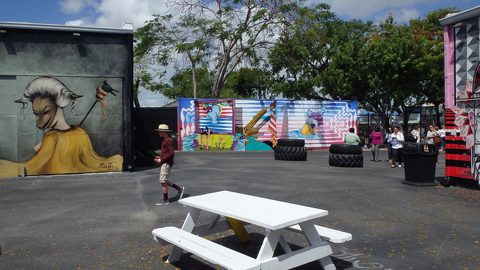 Things to Do in Miami, Ordered by Whether It Is Worth Your Limited Time
Not every Miami attraction earns its place on a four-day itinerary. This guide ranks what to do by how much of your limited time it deserves.
Things to Do in Miami, Ordered by Whether It Is Worth Your Limited Time
Not every Miami attraction earns its place on a four-day itinerary. This guide ranks what to do by how much of your limited time it deserves.
-
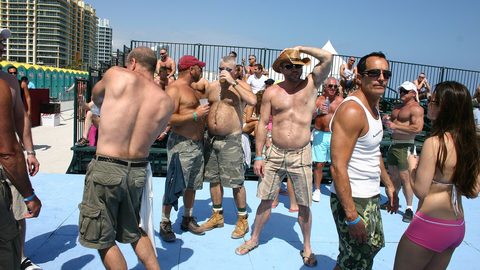 When to Visit Miami and What Each Season Does to the City
Miami's seasons reshape everything: hotel rates, beach comfort, traffic, and whether you will need an umbrella at 3pm every day. Here is the pattern.
When to Visit Miami and What Each Season Does to the City
Miami's seasons reshape everything: hotel rates, beach comfort, traffic, and whether you will need an umbrella at 3pm every day. Here is the pattern.
-
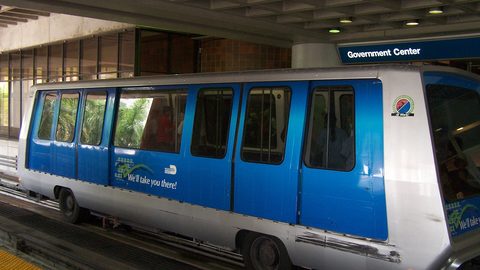 Getting Around Miami Without Wasting Half Your Trip in Traffic
Miami's transport mix confuses visitors: free Metromover, paid Metrorail, costly parking, and causeway gridlock. Here is how to move without losing half your day.
Getting Around Miami Without Wasting Half Your Trip in Traffic
Miami's transport mix confuses visitors: free Metromover, paid Metrorail, costly parking, and causeway gridlock. Here is how to move without losing half your day.
-
 Vizcaya Museum and Gardens
 is a Gilded Age bayfront estate in Miami. Book ahead with timed entry to avoid queuing at the gate and again at the house.
Vizcaya Museum and Gardens
Vizcaya Museum and Gardens is a Gilded Age bayfront estate in Miami. Book ahead with timed entry to avoid queuing at the gate and again at the house.
-
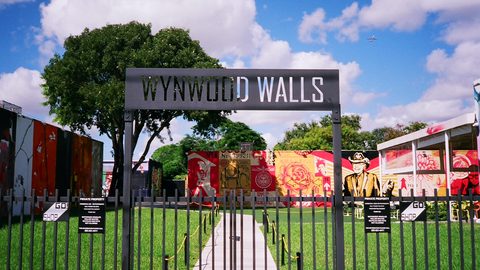 Wynwood Walls
 is a ticketed outdoor street-art compound in Miami's Wynwood district. Advance timed entry is essential to avoid long queues or sell-outs.
Wynwood Walls
Wynwood Walls is a ticketed outdoor street-art compound in Miami's Wynwood district. Advance timed entry is essential to avoid long queues or sell-outs.
-
 Perez Art Museum Miami
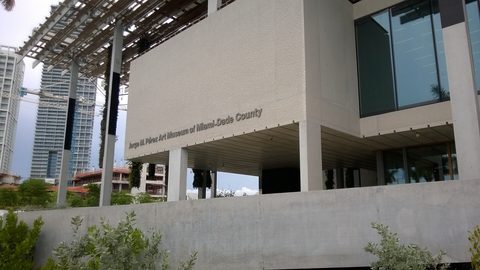
The Pérez Art Museum Miami sits on Biscayne Bay with hanging gardens and a Latin American contemporary collection. It closes Wednesdays, so check before you go.
Perez Art Museum Miami
The Pérez Art Museum Miami sits on Biscayne Bay with hanging gardens and a Latin American contemporary collection. It closes Wednesdays, so check before you go.