Is Switzerland Safe for Tourists in Everyday Situations
The train from Zurich Airport to Zurich HB takes 10 minutes. A one-way second-class ticket costs a few francs, set by SBB and updated on their website.
What Safety in Switzerland Actually Means for a Visitor
The train from Zurich Airport to Zurich HB takes 10 minutes. A one-way second-class ticket costs a few francs, set by SBB and updated on their website. Inside the station, a man in hiking boots checks his phone against a printed reservation slip for the Glacier Express. He bought the seat three months ago. The woman next to him is booking a REGA helicopter rescue patronage for her family. Neither is worried about violent crime. That is the correct order of priorities in Switzerland.
Switzerland is safe for tourists. The United Kingdom Foreign, Commonwealth & Development Office, the United States Department of State, the Government of Canada, and the Australian Government all rate it as one of the safest destinations in Europe. The real risk is not what most visitors worry about. It is a mountain weather shift at 3,000 metres, a wallet left on a station bench for three seconds, and the financial shock of an unprepared trip. Those three things are what matter.
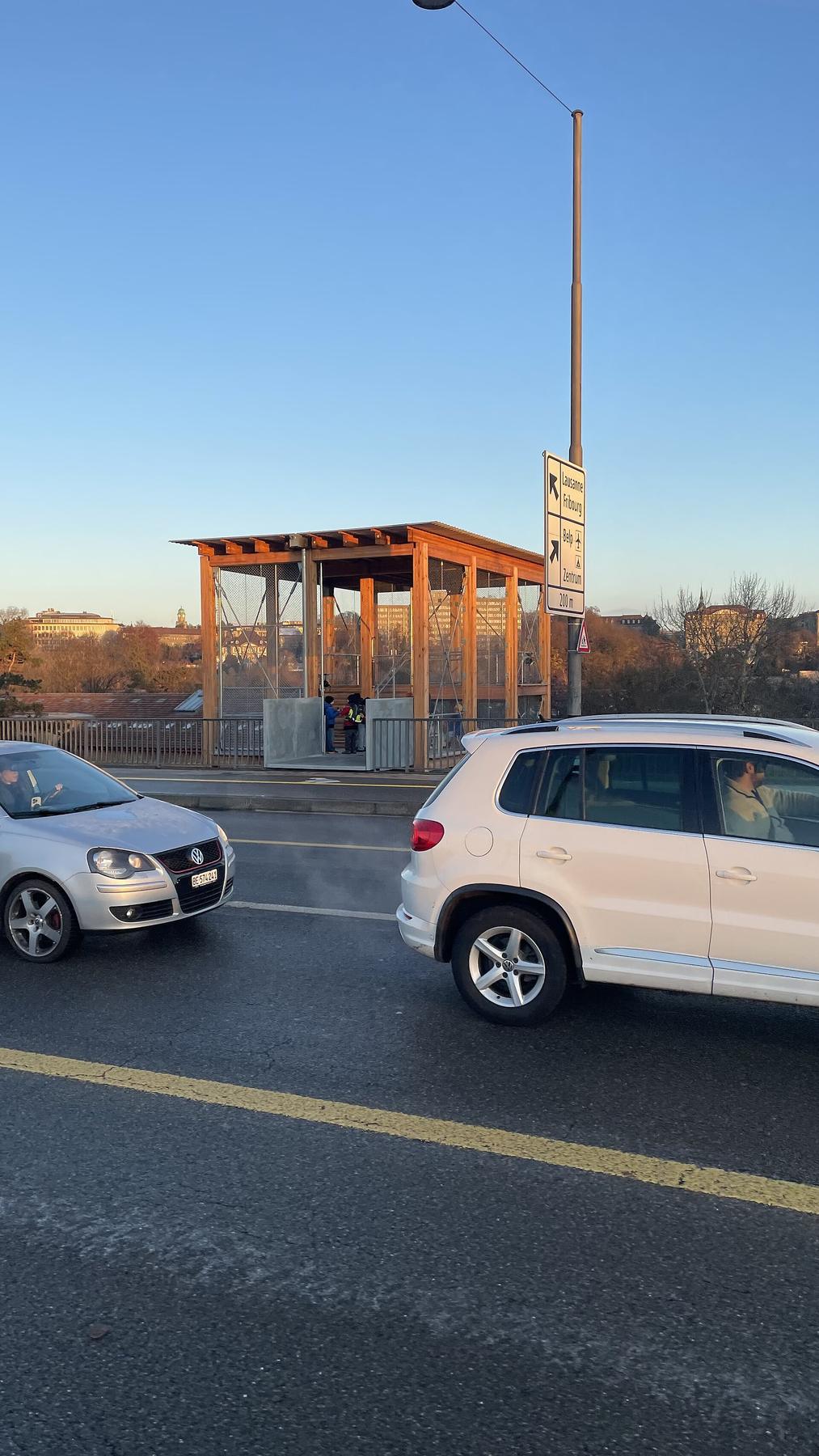

Swiss Mountain Weather Safety Rapid Change
A sunny valley start guarantees nothing above 2,500 metres. The Föhn wind, a warm downslope wind most frequent in spring and autumn, can clear a ridge in 20 minutes or drop a cloud deck to ground level in five. UV radiation increases roughly 10-12% per 1,000 metres of elevation gain. Sunburn at altitude happens faster than most visitors expect, even on an overcast day. Altitude sickness is possible above 2,500 metres and common above 3,500 metres. Check the Alertswiss app before every high-altitude leg. Turn back if visibility drops below 50 metres. That is the standard advice from MeteoSwiss and the Federal Office for the Environment.
What To Carry Above 2,500 Metres
Carry a windproof shell, a warm mid-layer, gloves, a hat, high SPF sunscreen, and 1 litre of water per hour of hiking. Tap water in mountain huts is potable unless signposted otherwise. Public fountains labelled "Kein Trinkwasser" or "Non potable" are the exception. A power bank matters because mobile network coverage drops in remote valleys, and 112 works on any phone with battery even without a SIM. The SBB Mobile app needs a charged phone to show platform changes and weather cancellations.
When To Turn Around
The WSL Institute for Snow and Avalanche Research SLF publishes a five-level avalanche bulletin daily in winter. Below level 3, most marked routes are safe. At level 3 or above, avoid slopes steeper than 30 degrees. In summer, thunderstorm formation follows a reliable pattern: clear sky until 11:00, cumulus building by 13:00, storms by 15:00. Start any hike above 2,500 metres by 07:00. Be below that altitude by 14:00. The trail season runs late June to mid October at high altitude. Low trails are open April to November. Outside those windows, cable cars and mountain railways close for maintenance. Check operator websites for exact dates.
Switzerland Petty Crime Train Stations
Petty theft at train stations is the second most common safety incident a visitor will encounter. Zurich HB, Geneva Cornavin, Basel SBB, and Bern Hauptbahnhof are the busiest hubs. The pattern is consistent: a crowded platform, a distraction, a phone or wallet taken from an unzipped bag. SBB stations offer 30 minutes of free Wi-Fi, then paid access. That free window is exactly long enough to check a platform number while holding a phone loosely in one hand. Do not do that.
Lock your bag through the station. Keep your phone in a front pocket or a zipped compartment. The Swiss Travel Pass or Swiss Half Fare Card goes into a document wallet worn under a jacket. If something is stolen, dial 117 for police. The emergency call works without a SIM. Most Swiss stations have a lost property office open until 19:00 weekdays. For late trains, the SBB lost property service accepts online reports within 24 hours.
Card payment penetration is high. Visa and Mastercard are accepted nearly everywhere. American Express is less common. Cash is still used in smaller rural establishments, mountain huts, and farmers markets. ATMs are widespread in towns but sparse in small villages. PostFinance and bank ATMs charge no fee for domestic cards. Your home bank may add a fee.
Swiss Alpine Hiking Preparation Risk
The risk is not the trail. It is the gap between what a visitor expects and what the mountain demands. Hiking trails above treeline are marked from late June to mid October. Lower trails open from April to November. The SAC operates 150 mountain huts, dormitory style, seasonal from June to October for high huts. Bring your own sleeping bag liner. Hut shoes are provided or you bring your own. Running hot water is not available in many high huts. Tap water is potable unless signposted.
Rescue Costs and Coverage
Helicopter rescue by REGA costs several thousand francs if you are not a member. REGA patronage costs a modest annual sum for an individual, roughly double for a family. Buy it before you leave. Ground rescue by the SAC may also incur charges. If negligence is found, you are liable for the full cost. A travel policy covering helicopter evacuation and repatriation is essential. EU and EFTA citizens use the European Health Insurance Card or the UK Global Health Insurance Card. All others need private coverage. Confirm the exact premiums and rescue tariffs on the REGA website before departure.
Wildlife and Route Conditions
Cows with calves in Alpine pastures can be aggressive. Maintain distance and keep dogs on a leash. Bears are negligible. Wolves are present but human encounters are extremely rare. Two native venomous snakes exist, the common adder and the asp viper. Bites are rare and rarely fatal. Seek medical attention if bitten. TBE risk covers all cantons except Geneva and Ticino. The vaccination requires three doses over 6-12 months, then a booster every 10 years. Lyme borreliosis is present nationwide below 1,500 metres. No vaccine exists. Tick checks and prompt removal are the only prevention.
Zurich Geneva Safe at Night
Both cities are safe at night for solo travellers, including women walking alone. Zurich's Niederdorf district and Geneva's Paquis area have active nightlife and a visible police presence. The risk is not assault. It is the early closing time. Most shops close at 18:30 on weekdays and all day Sunday. Train station shops are the exception. Bars and restaurants serve until around midnight in both cities. After that, public transport runs on a reduced schedule. SBB operates night trains on major routes, hourly until about 02:00, then a gap until the first morning train around 05:00. Taxis are available but expensive. Ride-share apps operate with limited coverage.
If you miss the last train, the SBB Mobile app shows the next connection. If no connection exists, the station waiting rooms in Zurich HB and Geneva Cornavin are open 24 hours. Both have security staff. Sleeping in the station is tolerated but not comfortable. The alternative is a hotel near the station. Budget options for a basic double in high season start low and climb fast. Book ahead.

| Service | Number | Notes |
|---|---|---|
| European emergency | 112 | Works on any network, no SIM required |
| Police | 117 | Lost property, theft, personal safety |
| Fire | 118 | Tunnel fires, building fires, forest fires |
| Ambulance | 144 | Medical emergency, altitude sickness, injury |
| REGA helicopter rescue | 1414 | Costs several thousand francs without patronage |
| REGA patronage | Annual fee, individual or family | Covers rescue costs; buy before departure |
| Alertswiss app | N/A | Floods, storms, heatwaves, avalanches, earthquakes |
The Financial Risk of Unpreparedness
The third real safety risk in Switzerland is financial. A visitor who does not plan for the cost structure will run out of budget mid-trip. A kebab costs CHF 12-14. A fondue moitié-moitié in a restaurant costs CHF 30-40 per person. The only reliable budget lunch is Coop or Migros supermarkets. Tap water is free and safe, but asking for it in a restaurant without specifying "Hahnenwasser" gets you a charged bottle of mineral water. The Swiss franc is the currency. Some tourist businesses accept euros, but change is given in francs at an unfavourable rate.
Transport Costs That Catch Visitors
A Swiss Travel Pass covers unlimited rail, bus, boat, and city transport plus 500 museums. It does not cover seat reservations on the Glacier Express and Bernina Express. Those reservations are mandatory and sell out weeks in advance. A return trip on the Jungfraujoch railway costs a triple-digit sum from Interlaken, set by the Jungfrau Railways and published on their site. The journey is 2 hours 15 minutes each way. The Swiss Half Fare Card gives 50% off most tickets for one year. For a 7-day trip covering multiple regions, the Swiss Travel Pass is almost essential. The common mistake is buying the wrong pass and paying full fare for mountain railways.
Driving Costs and Rules
A motorway vignette costs a flat annual fee, set by the Federal Roads Office and valid from 1 December of the prior year to 31 January of the following year. Required for all vehicles up to 3.5 tonnes using motorways. The speed limit on motorways is 120 km/h, on expressways 100 km/h, on rural roads 80 km/h, in urban areas 50 km/h. Winter tyres are not legally mandatory, but your cover may be reduced if an accident occurs without them. Snow chains are compulsory when signposted. The blood alcohol limit is 0.05% for standard drivers, 0.01% for new drivers in the first three years. An International Driving Permit is required alongside a national licence for drivers from non-EU/EFTA countries not in a reciprocal agreement.
The One Thing That Most Often Goes Wrong
A visitor lands in Zurich, buys a Swiss Travel Pass, boards the train to Interlaken, and checks into a hotel with a view of the Eiger. The next morning the sky is clear. They start the hike to a ridge at 3,000 metres in a T-shirt and trainers, carrying a 500 ml water bottle. By 13:00, a thunderstorm builds over the Jungfrau. They are above treeline, exposed, and unprepared. The temperature drops 15 degrees in 20 minutes. Visibility drops to 20 metres. They cannot find the trail. They call rescue. The helicopter costs several thousand francs. They do not have REGA patronage. They do not have travel cover. The entire trip budget is gone.
That sequence happens every summer. The prevention is simple. Check the Alertswiss app and MeteoSwiss weather before every high-altitude leg. Carry a windproof shell, a warm layer, gloves, a hat, sunscreen, and 1 litre of water per hour. Start before 07:00. Be below 2,500 metres by 14:00. Buy REGA patronage before you go. Buy a travel policy that covers helicopter rescue. The Swiss Travel Pass and the Swiss Half Fare Card make transport affordable. Coop and Migros make food affordable. The mountains are safe if you treat them as what they are: an Alpine environment that does not negotiate.
Common Questions
Is it safe to drink tap water in Switzerland?
Yes. Tap water is potable throughout the country. Public fountains labelled "Kein Trinkwasser" or "Non potable" are the exception. In mountain huts, tap water is potable unless signposted otherwise. Restaurants do not serve tap water automatically. Request "Hahnenwasser" and know that some restaurants charge for the service.
Do I need travel insurance for Switzerland?
Travel cover is not legally required for entry, but get it anyway. EU and EFTA citizens use the European Health Insurance Card or the UK Global Health Insurance Card. All others need a private policy covering medical costs, helicopter rescue, and repatriation.
What is the biggest safety mistake visitors make in Switzerland?
Assuming the low violent crime statistics mean no preparation is needed. The real risks are mountain weather shifts, altitude sickness above 2,500 metres, UV radiation increasing 10-12% per 1,000 metres, tick-borne diseases, and the financial shock of unprepared transport and food costs.
Are there dangerous animals in the Swiss Alps?
Cows with calves in Alpine pastures can be aggressive. Maintain distance and keep dogs on a leash. Bears are negligible. Wolves are present but human encounters are extremely rare. Two native venomous snakes exist, the common adder and the asp viper. Bites are rare and rarely fatal. Seek medical attention if bitten.
What should I do if I get lost on a hike?
Dial 112. It works on any phone without a SIM. If you have a signal, describe your location using visible landmarks and the nearest trail marker number. If you are above treeline and conditions are deteriorating, call REGA at 1414. Helicopter rescue costs several thousand francs without patronage. Having a REGA patronage covers this cost.
Is it safe to drive in Switzerland in winter?
Winter tyres are not legally mandatory, but your cover may be reduced without them. Snow chains are compulsory when signposted. High Alpine passes like the Furka, Grimsel, Susten, and Umbrail are closed November to May. The blood alcohol limit is 0.05%. Dipped headlights are recommended during the day and mandatory in tunnels.
Can I camp wild in Switzerland?
Wild camping rules vary by canton. It is permitted above treeline on non-protected land and strictly prohibited in many cantons below treeline and in nature reserves. Emergency bivouacking, one night with a small tent or bivvy bag above treeline, is tolerated in most Alpine areas. Open fires are prohibited during drought periods. Check cantonal fire bans on Alertswiss.
Read next
-
 Staying Connected in Switzerland With eSIM, Local SIM, or Roaming
Compare eSIM, local Swisscom or Salt SIM, and roaming for reliable mobile data across Swiss cities and high Alpine valleys.
Staying Connected in Switzerland With eSIM, Local SIM, or Roaming
Compare eSIM, local Swisscom or Salt SIM, and roaming for reliable mobile data across Swiss cities and high Alpine valleys.
-
 When to Visit Switzerland and What Each Season Actually Delivers
July and August deliver reliable high-alpine hiking at peak hotel rates. Mid-April to early June brings lift closures, mud, and snow-blocked passes.
When to Visit Switzerland and What Each Season Actually Delivers
July and August deliver reliable high-alpine hiking at peak hotel rates. Mid-April to early June brings lift closures, mud, and snow-blocked passes.
-
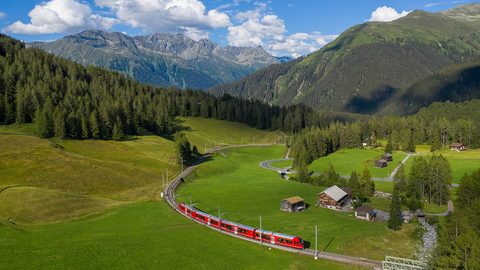 Swiss Travel System Explained and What the Map Oversells
The Swiss Travel Pass covers most trains, buses, and boats, but not mandatory seat reservations on the Glacier Express and Bernina Express, which sell out in
Swiss Travel System Explained and What the Map Oversells
The Swiss Travel Pass covers most trains, buses, and boats, but not mandatory seat reservations on the Glacier Express and Bernina Express, which sell out in
-
 Switzerland Visa Rules for Schengen Travelers and Everyone Else
Switzerland is in Schengen but not the EU. Visa requirements depend on your passport, and the application process involves cantonal immigration offices.
Switzerland Visa Rules for Schengen Travelers and Everyone Else
Switzerland is in Schengen but not the EU. Visa requirements depend on your passport, and the application process involves cantonal immigration offices.
-
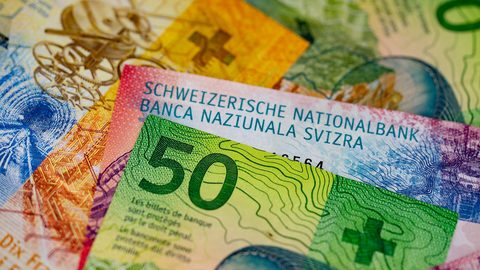 Swiss Francs, Card Payments and Where Cash Still Wins in Switzerland
Switzerland uses the Swiss franc, not the euro. Cards work almost everywhere in cities, but mountain huts and small vendors often demand cash.
Swiss Francs, Card Payments and Where Cash Still Wins in Switzerland
Switzerland uses the Swiss franc, not the euro. Cards work almost everywhere in cities, but mountain huts and small vendors often demand cash.
-
 What Switzerland Costs and How to Spend Less Without Missing Out
Understand Switzerland's real trip costs, from CHF 12 kebabs to CHF 210 mountain railways, and the structural reasons behind the prices.
What Switzerland Costs and How to Spend Less Without Missing Out
Understand Switzerland's real trip costs, from CHF 12 kebabs to CHF 210 mountain railways, and the structural reasons behind the prices.
-
 A Ground-Level Logistics Guide to Independent Travel in China
First-time independent travel in China: what you need to know about visas, rail booking, eSIMs, mobile payments, and power adapters.
A Ground-Level Logistics Guide to Independent Travel in China
First-time independent travel in China: what you need to know about visas, rail booking, eSIMs, mobile payments, and power adapters.
-
 How Solo Travelers Stay Ahead of Flight Delays and Cancellations
How solo travelers can track inbound aircraft, claim rebooking rights, and adjust ground transport when flights go wrong — step by step.
How Solo Travelers Stay Ahead of Flight Delays and Cancellations
How solo travelers can track inbound aircraft, claim rebooking rights, and adjust ground transport when flights go wrong — step by step.
-
 Why Your eSIM Might Not Work Abroad and How to Check Before You Go
Buying an eSIM doesn't guarantee signal abroad. Learn why coverage fails by location and how to verify reach before you commit to a plan.
Why Your eSIM Might Not Work Abroad and How to Check Before You Go
Buying an eSIM doesn't guarantee signal abroad. Learn why coverage fails by location and how to verify reach before you commit to a plan.