New York Is a State, Not Just a City
New York State is 54,555 square miles of mountains, lakes, and small towns where the drive from Manhattan to Niagara Falls takes seven hours.
- Flag
-

- ISO code
- US
- Currency
- USD
New York is a State, Not Just a City
Manhattan to Niagara Falls is over 400 miles. That drive, one way, takes six to seven hours without stops. The state covers 54,555 square miles, and its most famous five boroughs account for about 300 of them. Conflating New York City with New York State ruins most itineraries. This guide exists to stop that mistake. Treat the city as one stop on a much larger map, not as the entire trip. The Adirondack Park alone spans 6.1 million acres, larger than Yellowstone, Everglades, Glacier, and Grand Canyon National Parks combined. The Finger Lakes run eleven deep. The Catskills, the Hudson Valley, the Thousand Islands, the rolling farmland of Central Leatherstocking: each region demands its own days. A visitor who tries to see Manhattan and the Adirondacks in the same week ends up spending half the trip on Interstate 87. That is not a vacation. That is a logistics exercise with a bad view.
- State Area: 54,555 sq mi (141,297 km²), 27th largest in the US
- Population (2024): Fourth most populous state
- State Capital: Albany
- Largest City: New York City
- Time Zone: Eastern Time (UTC−5 / UTC−4 DST)
- Statehood: July 26, 1788, 11th state
- Highest Point: Mount Marcy, 5,344 ft (1,629 m), Adirondack Mountains
- State Park System: Over 250 state parks, approximately 360,000 acres
- Official Tourism Regions: 11 regions under I LOVE NY
- Distance NYC to Niagara Falls: Approximately 400 miles (645 km), 6-7 hours driving
- Minimum Recommended Days: 10 days; less forces you to choose between major regions
- Primary Arrival Airports (Upstate): Albany International (ALB), Buffalo Niagara International (BUF), Greater Rochester International (ROC)
- Essential Transport: Personal rental car with E-ZPass
New York State Regions and What Each One is Actually for
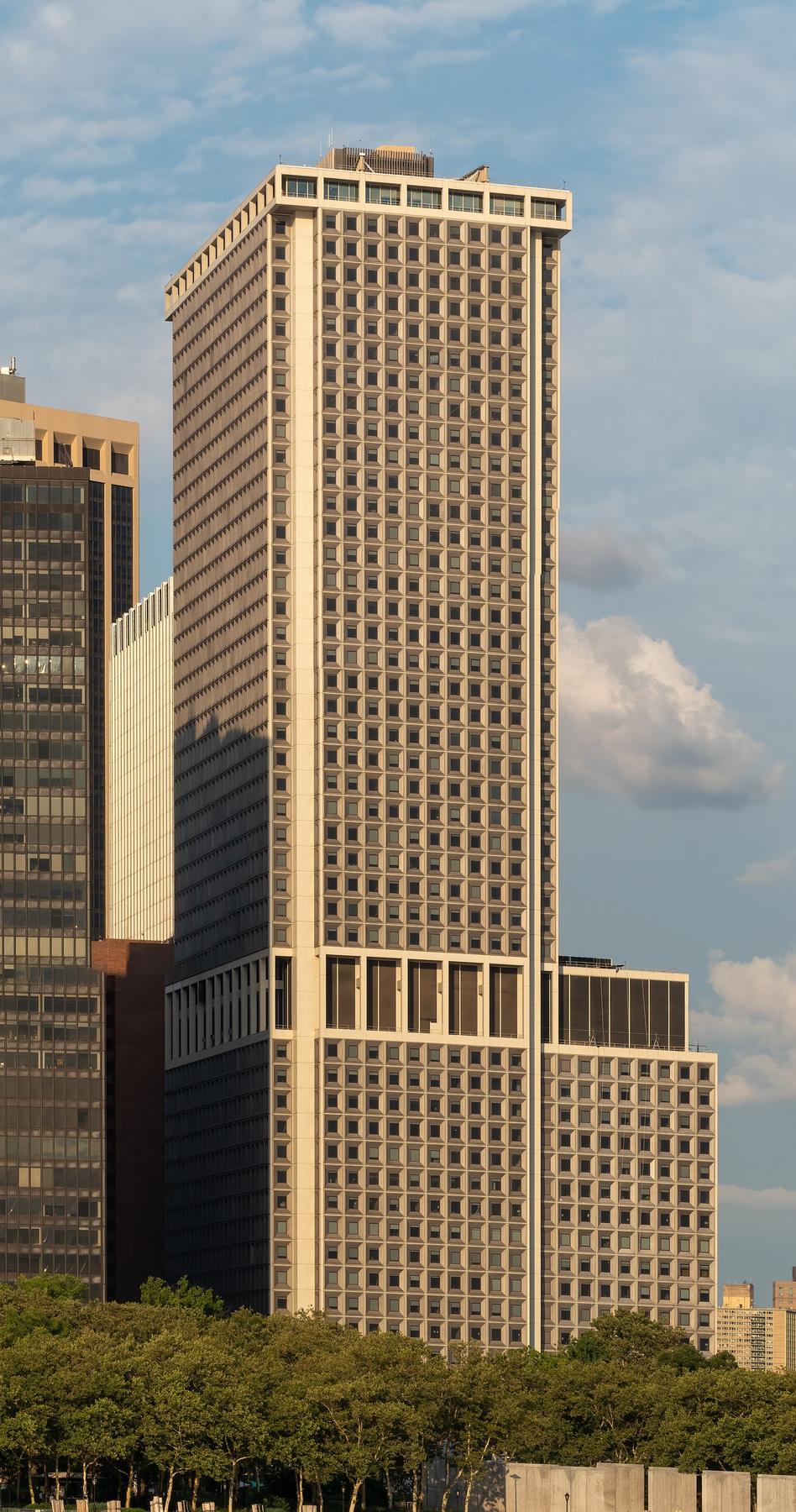
New York State divides into eleven tourism regions under the I LOVE NY system. Each one has a distinct character, a best season, and a type of traveller it rewards. Treat each as a decision point, not as a checklist. Pick two or three regions for a 10 day trip. Attempting more means you spend your mornings in the car, not on the trail or in the tasting room.
.jpg)
| Region | What It Is | Who It Suits |
|---|---|---|
| Adirondacks | 6 million acre park with mountains, 3,000 lakes, and a complete ban on billboards. Mount Marcy is the highest peak in the state at 5,344 ft. | Serious hikers, backcountry skiers, canoe trippers, anyone who wants wilderness without crossing a border. |
| Finger Lakes | Eleven long skinny lakes carved by glaciers. Seneca Lake is the largest by surface area. Riesling vineyards, gorge trails, and college towns like Ithaca. | Wine drinkers, fall foliage chasers, hikers who want gorges not summits, farm to table devotees. |
| Hudson Valley | Historic river towns, the Hudson River School art legacy, working farm stands, and a commuter rail connection to New York City. Olana and Storm King Art Center are here. | Culture lovers, day trippers from the city, history buffs, food sourced direct from the farmer. |
| Catskills | Forested peaks, fly fishing rivers, and villages with a hippie artsy energy. The Catskill Park covers about 705,500 acres. | Writers on retreat, fly fishermen, hikers who want solitude without Adirondack scale, families renting cabins. |
| Greater Niagara | Thundering falls, the kitsch of Niagara Falls USA, and the industrial grit of Buffalo. The American Falls drop 70 to 110 feet; the Horseshoe Falls drop about 188 ft. | First time visitors who need to see the falls, Buffalo wing pilgrims, anyone who likes a city with working class bones. |
| Thousand Islands | An archipelago of 1,864 islands in the St. Lawrence River. Boldt Castle on Heart Island is the landmark. Boat access required. | Boaters, castle tourists, anglers, anyone who wants a summer lake vacation with a side of Gilded Age history. |
| Capital Saratoga | Albany, the state capital, plus Saratoga Springs with its historic thoroughbred race course. Saratoga Race Course runs summer meets. | Politics watchers, horse racing fans, architecture lovers, spa goers. |
| Chautauqua Allegheny | Western hills, Amish country, and the Chautauqua Institution, a gated lakeside summer community with a lecture series. Lake Erie shoreline runs 77 miles in NY. | Lecturers, lifelong learners, cyclists, anyone seeking a quiet intellectual retreat. |
| Central Leatherstocking | Rolling dairy farmland and the National Baseball Hall of Fame in Cooperstown. Requires a full day. | Baseball pilgrims, slow road trippers, families who want small town America. |
| Long Island | Beaches, Gold Coast mansions, and the Hamptons. Fire Island National Seashore runs 26 miles. Montauk Point Lighthouse stands at the easternmost tip. | Beach goers, surfer types, anyone willing to sit in traffic for a summer share. |
| New York City | Not covered in this guide. Treat it as a separate trip or the final stop after two weeks upstate. | Urbanites, first time US visitors, shoppers, theater goers. |
Upstate New York Road Trip: the Minimum Viable Plan
Base Itinerary For Ten Days
A road trip across northern New York requires at least 10 days. Anything less forces you to choose between the Adirondacks, Finger Lakes, and Hudson Valley, and the driving distances between them consume entire mornings. Land at Albany International (ALB), pick up a rental car with an E-ZPass transponder, and drive 40 minutes north to Saratoga Springs for night one. Days two through four go to the Adirondacks: Lake Placid, a drive up the Whiteface Veterans Memorial Highway if weather permits, High Falls Gorge, and a hike in the High Peaks. Day five drives four hours west to the Finger Lakes via the Thruway (I 90). Base yourself in Ithaca or Watkins Glen. Days six and seven hit Watkins Glen State Park for the gorge trail, a winery on Seneca Lake, and Letchworth State Park an hour from Rochester. Day eight drives three hours east to the Hudson Valley for Storm King Art Center and a walk through Olana. Days nine and ten finish in the Catskills before returning to Albany to fly out. That itinerary skips Greater Niagara, Thousand Islands, and Long Island. Add them on a second trip.
Leave The City For Another Week
Do not try to add New York City to this route. The drive from Manhattan to Lake Placid is about 290 miles, and the return adds another half day. Book a separate week for the five boroughs or tag them onto the end of a two week loop that starts in the north and finishes in the city. Trying to see both in a single week leaves you with a commute, not a vacation.
Things to Do in New York State Outside NYC: the Non Negotiable Stops
Natural Wonders And Big Views
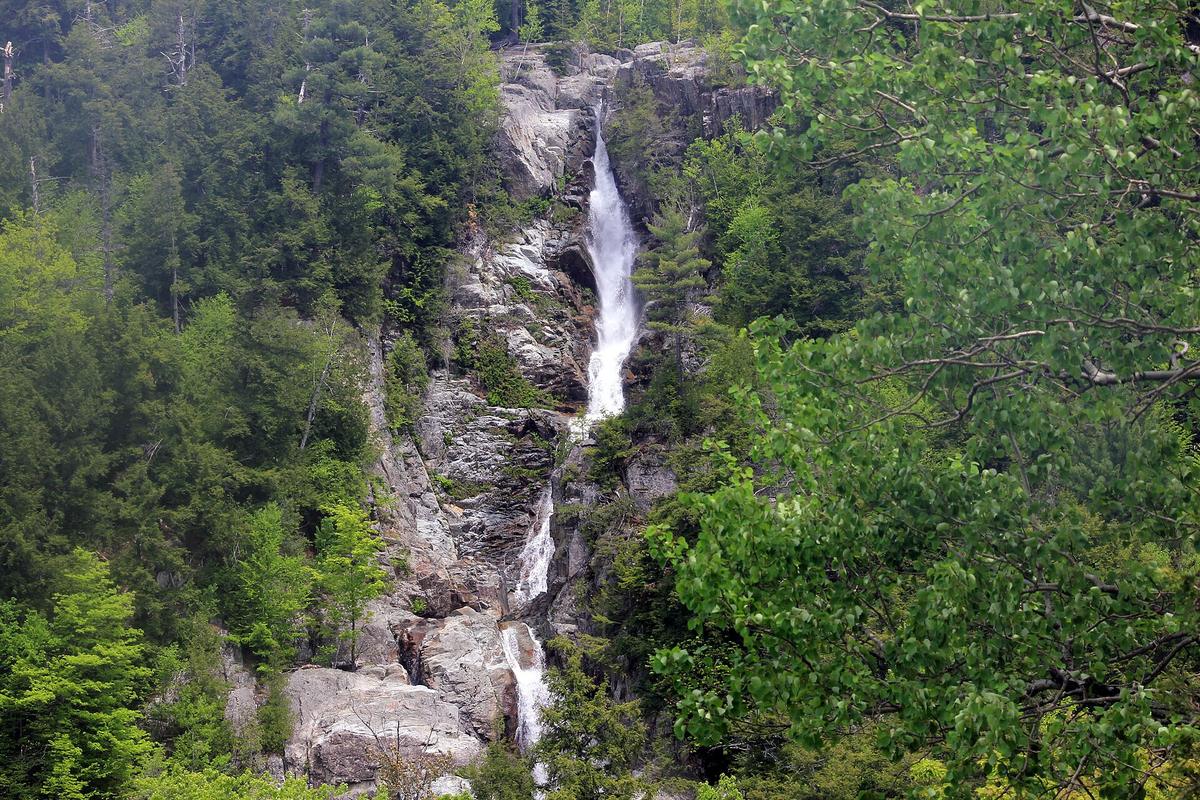
If you only have time for ten things to do in New York State outside NYC, this is the list. Niagara Falls State Park requires the Maid of the Mist boat ride. Book it for the first departure of the day to avoid the two hour wait. Ausable Chasm offers a sandstone gorge with walkways and rafting, 20 minutes from Lake Placid. Watkins Glen State Park is a stone staircase through a narrow gorge; arrive before 09:00 in July and August. Letchworth State Park holds three major waterfalls; the best view is from the Middle Falls overlook.
Culture And History Stops
Lake Placid Olympic Sites: ride the bobsled run and tour the 1980 rink. Boldt Castle in the Thousand Islands is reachable only by boat; the ferry runs seasonally from Alexandria Bay. The Corning Museum of Glass keeps 3,500 years of glass history and live glassblowing demonstrations; budget three hours. The National Baseball Hall of Fame in Cooperstown demands a full day. Storm King Art Center in the Hudson Valley is outdoor sculpture on a massive scale; rent a bike at the entrance. The FDR Presidential Library in Hyde Park requires advance booking for guided tours.
Skip the kitsch attractions at Niagara Falls. The Cave of the Winds and the observation tower are worth the time. The wax museums and haunted houses are not.
New York State Itinerary Planning: Where the Week Goes
Driving Math And Weather
A New York State itinerary lives and dies on driving distances. Here is the math. New York City to Buffalo is 400 miles at six to seven hours. New York City to Lake Placid is 290 miles at about five hours. Albany to Buffalo via the Thruway is roughly 290 miles. The Tug Hill Plateau east of Lake Ontario gets 200 to 300 inches of snow annually, so any route in that corridor from November to March needs a weather check. Lake effect snow squalls shut down I 90 and I 81 with minutes of notice. Check the NYS Thruway Authority alerts before you drive.
Why Trains Will Not Save You
The Amtrak Empire Service runs New York City to Albany to Syracuse to Rochester to Buffalo to Niagara Falls. The Adirondack route runs New York City to Albany to Montreal, though seasonal suspensions happen. The Maple Leaf goes to Toronto. None of these trains serve the small towns between the cities. Amtrak stations in northern New York are often far from the town center. Delays are common. If your itinerary depends on hopping between small towns by rail, it will not work. The only reliable transport outside the downstate metro area is a personal car.

When to Go and When to Stay Home
Fall Foliage And High Summer
Peak season runs late September through October for fall foliage. The Adirondacks peak late September to early October. The Catskills and Hudson Valley peak early to mid October. Long Island and the city peak late October to early November. Book lodging months ahead. Prices spike. The second best window is July and August for lakeside towns and state parks, though humidity is high and crowds are thick at Watkins Glen and Letchworth.
Mud, Black Flies, And Winter Roads
Avoid late March through mid April. Mud season in the mountains shuts down hiking trails. The weather is grey and raw. Avoid Memorial Day, July 4th, and Labor Day weekends. I 87 turns into a parking lot. Avoid Lake Placid during the Ironman triathlon in late July. Black fly season in the Adirondacks and Catskills runs mid May through late June. Without a head net, hiking is miserable.
Winter in the snowbelt regions is a genuine adversary. Lake effect snow from Lake Erie and Lake Ontario buries Buffalo Southtowns and the Tug Hill Plateau. Seasonal highway closures occur on the Whiteface Memorial Highway and the Prospect Mountain Veterans Memorial Highway. Snow tires are recommended. Studded tires are permitted from October 16 to April 30. If you are not comfortable driving on ice, do not plan a winter trip to the Adirondacks or Greater Niagara.
Getting Around Without a Tour: Car is Not Optional
Rent The Right Car
Rent a car at whichever airport you fly into. Albany International, Buffalo Niagara International, and Greater Rochester International all have rental desks. Budget for an E ZPass transponder. The New York State Thruway is cashless. License plate billing via the rental company adds fees that quickly exceed the cost of the transponder. Toll roads include the I 87 and I 90 mainline, sections of I 190, I 287, and I 95. Gas stations and cell service vanish for long stretches in the Adirondacks and Catskills. Download offline maps from Google Maps or an equivalent app before you enter any state park interior. Dead zones are extensive in the Adirondack High Peaks, the Catskills, and rural pockets of the Tug Hill Plateau. Free public Wi Fi is rare outside city centers and chain businesses.
The One Rail Exception
The one exception to the car rule is the Hudson Valley. Metro North commuter rail runs from Grand Central Terminal to towns like Cold Spring, Poughkeepsie, and Hudson. You can do a Hudson Valley long weekend without a car if you stay in a walkable town and use rideshares for the wineries and parks. For every other region, a car is non negotiable. Intercity rural transit is sparse. Local bus systems exist in Albany (CDTA), Buffalo (NFTA), Rochester (RTS), and Syracuse (Centro), but none of them connect the Finger Lakes wineries to the gorges or the Adirondack trailheads to the towns.
The Right Traveler for New York State and the Wrong One
New York State suits road trippers who love dramatic landscape shifts without crossing state lines. It suits outdoor enthusiasts seeking serious hiking, skiing, or freshwater sailing. It suits culture lovers who want world class museums and music beyond the city. It suits wine and farm to table food devotees. It suits fall foliage chasers. The state does not suit travelers who equate New York solely with skyscrapers and nightlife and have no interest in small towns or wilderness. It does not suit those seeking a cheap compact destination where major sights cluster without long drives. It does not suit anyone unwilling to rent a car, because public transit outside the downstate metro area is skeletal. The drive from Manhattan to Niagara Falls is over 400 miles each way. That is not a complaint. That is the geography of the place. Plan around it or pick a different destination.
Common Questions
How many days do I need to see New York State beyond NYC?
A minimum of 10 days. Anything less forces you to choose between the Adirondacks, Finger Lakes, and Hudson Valley, and the driving distances between them consume entire mornings.
Can I use public transit to get around upstate New York?
No. A personal car is essential outside the NYC metro area. Amtrak serves major northern cities but service is infrequent, stations are far from town centers, and delays are common. Intercity rural transit is sparse.
What is the best time of year to visit?
Late September through October for fall foliage. July and August for lakeside towns and state parks. Avoid late March through mid April for mud season, and major holiday weekends for highway traffic.
Which airports serve upstate New York?
Albany International (ALB), Buffalo Niagara International (BUF), and Greater Rochester International (ROC) are the primary northern airports. Syracuse Hancock International (SYR) and Long Island MacArthur (ISP) also have scheduled commercial service.
How far is Niagara Falls from New York City?
About 400 miles. The drive takes six to seven hours without stops under normal conditions.
Do I need a rental car with E-ZPass?
Yes. The New York State Thruway is cashless. An E-ZPass transponder saves time and avoids the extra fees that rental companies add for license plate billing.
What should I skip on my first trip?
Skip the kitsch attractions at Niagara Falls and skip trying to add New York City to a northern road trip. Both are better served as separate visits.
Read next
-
 Best Time to Visit New York State What Each Season Actually Does
Late September through October delivers the foliage. July and August open the lakes. Late March through mid-April shuts the trails, and black flies own June.
Best Time to Visit New York State What Each Season Actually Does
Late September through October delivers the foliage. July and August open the lakes. Late March through mid-April shuts the trails, and black flies own June.
-
 Getting Around New York State Where a Rental Car Stops Being Optional
Metro-North and the LIRR work until Poughkeepsie and Montauk. Beyond that, New York State demands a car, an E-ZPass, and offline maps for the dead zones.
Getting Around New York State Where a Rental Car Stops Being Optional
Metro-North and the LIRR work until Poughkeepsie and Montauk. Beyond that, New York State demands a car, an E-ZPass, and offline maps for the dead zones.
-
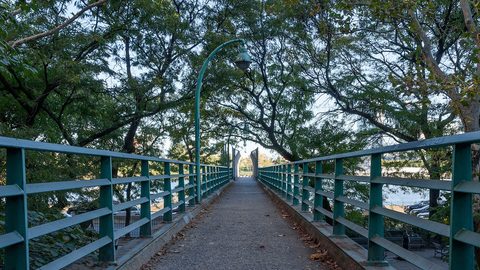 Practical Safety in New York State Without the Scaremongering
Lake-effect snow shuts interstates in minutes. Adirondack cell dead zones are vast. Black flies need head nets. This is about terrain and weather, not crime.
Practical Safety in New York State Without the Scaremongering
Lake-effect snow shuts interstates in minutes. Adirondack cell dead zones are vast. Black flies need head nets. This is about terrain and weather, not crime.
-
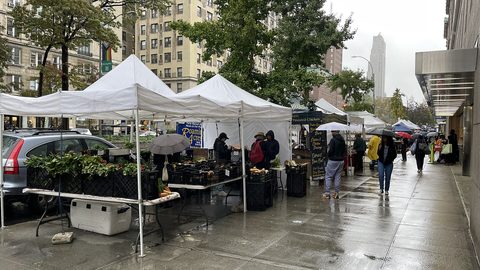 What New York State Costs in Shape Rather Than in Figures
Fall foliage lodging in the Adirondacks books out months ahead and spikes hard. Thruway tolls add up silently.
What New York State Costs in Shape Rather Than in Figures
Fall foliage lodging in the Adirondacks books out months ahead and spikes hard. Thruway tolls add up silently.
-
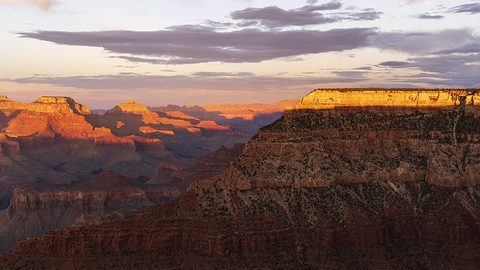 United States Travel Guide for First-Timers Who Want the Real Picture
The United States delivers extraordinary geographic and cultural variety, but its sheer scale, car dependency, and tipping economy surprise first-timers. Start here.
United States Travel Guide for First-Timers Who Want the Real Picture
The United States delivers extraordinary geographic and cultural variety, but its sheer scale, car dependency, and tipping economy surprise first-timers. Start here.
-
 Staying Connected While Traveling Through the United States
Prepaid eSIMs work well in US cities, but a physical T-Mobile or AT&T SIM bought at arrival gives better rural coverage for national parks and long highway drives.
Staying Connected While Traveling Through the United States
Prepaid eSIMs work well in US cities, but a physical T-Mobile or AT&T SIM bought at arrival gives better rural coverage for national parks and long highway drives.
-
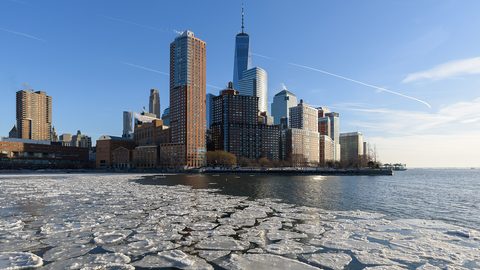 Best Time to Visit the United States by Region and Season
The United States spans so many climates that no single season works everywhere. Here is what each region delivers, and when to stay away.
Best Time to Visit the United States by Region and Season
The United States spans so many climates that no single season works everywhere. Here is what each region delivers, and when to stay away.
-
 Getting Around the United States Without Underestimating the Distances
Outside the Northeast Corridor, the United States runs on cars and domestic flights. Distances are enormous and Amtrak is scenic but slow.
Getting Around the United States Without Underestimating the Distances
Outside the Northeast Corridor, the United States runs on cars and domestic flights. Distances are enormous and Amtrak is scenic but slow.