Choosing Between a Philippines eSIM vs Local SIM Card for Your Trip
Choosing between a Philippines eSIM, local Globe or Smart SIM, or pocket Wi-Fi depends on which islands you visit and how much offline backup you plan for
Philippines Mobile Connectivity Options for Travellers Who Need Reliable Data
A dual setup frequently makes more sense than committing to one method. Use a local Globe or Smart SIM for your primary data connection, and keep a backup eSIM from the other carrier for places where the first drops signal. That way you pay for one active line and carry the second as insurance. Alternatively, pre load offline Google Maps for every island you plan to visit, install the Grab app for rides in Manila and Cebu, and download the 2GO Travel app for ferry bookings before you leave the airport Wi Fi. These offline fallbacks matter more than your choice of SIM when you are crossing the Bohol Sea on a ferry with no signal for 90 minutes.
Globe vs Smart Coverage Philippines: Which Network Works Where
Choosing Your Primary SIM
The practical instruction is to buy a Globe SIM at the airport if your itinerary is Palawan and Cebu, and a Smart SIM if you are heading first to Siargao or the Cordillera. If you are doing both regions, buy one physical SIM in each carrier and swap between them. The cost is negligible: PHP 50 for the SIM plus a PHP 300 to 500 data load. What costs you is the lost hour trying to find a store that sells the carrier you need in El Nido when your current SIM does not work there.

Philippines Airport SIM Registration: the Non Negotiable Step
For eSIM buyers, the registration is done online before you arrive. You upload your passport and selfie to the carrier website, receive the QR code by email, and scan it when you land. The activation triggers after you are on local data, so the process works smoothly as long as you have a Wi Fi connection at the airport to activate it. The risk is that if your passport photo or selfie fails the verification, you cannot buy a new eSIM quickly from the same carrier you already paid for.
Philippines Mobile Data Island Signal: What Actually Works on Ferries and in Lagoons
Mountain Interiors and Remote Roads
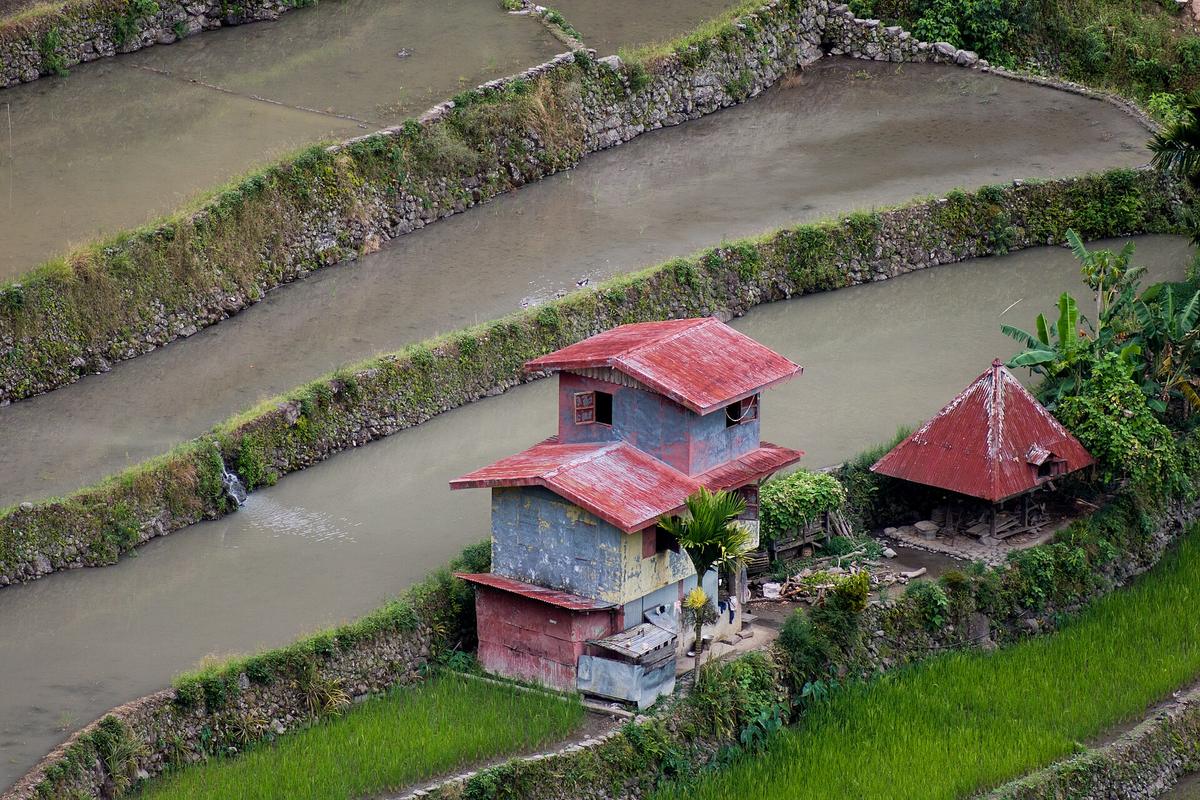
In mountain interiors like the Cordillera region around Banaue and Sagada, coverage drops are consistent. Globe has no signal in the rice terrace valleys below Banaue town. Smart holds signal in Sagada town centre but loses it on the hike to Sumaguing Cave and on the road to the hanging coffins. In Eastern Samar, interior roads between Borongan and Guiuan have long dead stretches for both carriers.
Planning for Dead Zones
Plan for these gaps by carrying a power bank and using your phone in airplane mode to save battery between towns where you know signal exists.
Philippines Pocket Wi Fi Rental: When it Makes Sense and When it Does Not
Why Pocket Wi Fi Fails Travellers
The downsides outweigh the benefits for solo travellers and island hoppers. Pocket Wi Fi units run on batteries that last six to eight hours, and charging them requires a power socket every night. In islands where brownouts hit for hours and power grids are unstable, you wake up to a dead unit with no backup data. They also tie you to one carrier, so if you rent a Smart pocket Wi Fi and travel to Palawan where Globe is stronger, your device underperforms everywhere.
The Better Alternative
Pocket Wi Fi rental does not bypass the SIM Registration Act because the unit itself contains an activated SIM that is already registered, but you have no ability to swap it for another carrier. For most travellers, a physical SIM and a backup eSIM cost less and offer more flexibility.
Philippines ESIM vs Local SIM Card: the Direct Comparison
Choose both when: You want the backup. Use a physical SIM as your primary data connection for the carrier that covers your first region, and buy an eSIM from the other carrier as an insurance policy. Activate the eSIM but keep it on a low data plan. If your primary carrier drops signal on a ferry or in a rural area, you switch to the eSIM. This dual setup costs less than a single day of roaming charges but saves you the frustration of being unreachable for a full day in a place where the wrong carrier has no coverage.
The Practical Setup for Connectivity Across Palawan, Siargao, and the Visayas
The single most practical thing you can do before you leave the airport Wi Fi is install offline Google Maps for every region you plan to visit. That takes five minutes. It will serve you more reliably than any SIM when the ferry hits the open sea, the brownout knocks out the cell tower, or the limestone cliff swallows your signal. Do that first, then choose your SIM.
Common Questions
Do I need to register my eSIM with my passport in the Philippines?
Yes. Republic Act 11934 requires passport registration for all SIMs, including eSIMs. You upload your passport bio page, visa stamp, and a selfie to the carrier website or app before the eSIM activates. The process is the same as for a physical SIM.
Can I buy a SIM at the airport in Manila if my flight lands at midnight?
Globe and Smart kiosks at Ninoy Aquino International Airport Terminal 1 and Terminal 3 are staffed until the last international flight arrives, typically until 1 AM. If your flight lands after that, you will need to wait until morning or buy an eSIM online before departure.
Which network works best in El Nido, Palawan?
Globe provides the stronger signal in El Nido town and at most beachfront resorts. Smart drops to 3G or no signal beyond the main road. Inside the lagoons and on island hopping routes, neither carrier works reliably due to limestone karst blocking the signal.
How much cash should I carry for data top ups on small islands?
Carry at least PHP 1,000 in small denominations for SIM top ups and data loads. ATMs on islands like Siargao, Coron, and Siquijor are scarce and frequently offline. Convenience stores and carrier resellers in these areas accept cash only.
Can I use my home carrier roaming instead of a local SIM or eSIM?
You can, but the cost is substantially higher and the speed is often throttled on Philippine networks. Home carrier roaming typically costs USD 10 to 15 per day for 500 MB of data, compared to PHP 300 for 7 GB on a local SIM. The coverage is the same because it uses the same Globe or Smart towers.
Read next
-

 Best Time to Visit the Philippines, Amihan, Habagat, and Typhoon Season Explained
The Philippines has two monsoons, a typhoon belt, and a Holy Week that shuts the country down.
Best Time to Visit the Philippines, Amihan, Habagat, and Typhoon Season Explained
The Philippines has two monsoons, a typhoon belt, and a Holy Week that shuts the country down.
-
 Getting Around the Philippines, Ferries, Flights, and Why the Map Lies
Domestic flights, RORO ferries, fast cats, bangkas, jeepneys, and tricycles—here is how Philippine transport actually works, and why every journey takes
Getting Around the Philippines, Ferries, Flights, and Why the Map Lies
Domestic flights, RORO ferries, fast cats, bangkas, jeepneys, and tricycles—here is how Philippine transport actually works, and why every journey takes
-
 Philippines Visa Requirements, Who Gets Visa-Free Entry and Who Needs to Apply
Most nationalities get 30 days visa-free in the Philippines, with extensions possible up to 36 months.
Philippines Visa Requirements, Who Gets Visa-Free Entry and Who Needs to Apply
Most nationalities get 30 days visa-free in the Philippines, with extensions possible up to 36 months.
-
 Money in the Philippines, Cash Rules, ATM Reliability, and What Cards Actually Work
The Philippines runs on cash, especially on small islands where ATMs are scarce and often offline.
Money in the Philippines, Cash Rules, ATM Reliability, and What Cards Actually Work
The Philippines runs on cash, especially on small islands where ATMs are scarce and often offline.
-
 Safety in the Philippines, Reading the Advice Without Being Misled by It
Government advisories flag specific Philippine regions, but most tourist destinations are low-risk.
Safety in the Philippines, Reading the Advice Without Being Misled by It
Government advisories flag specific Philippine regions, but most tourist destinations are low-risk.
-
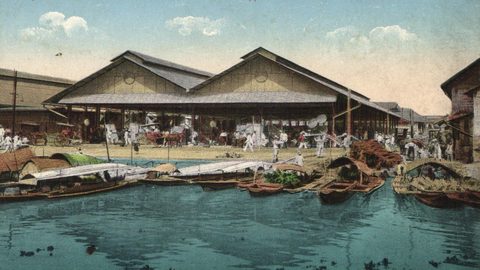 What a Philippines Trip Actually Costs and How to Shape Your Budget
Philippines trip costs are shaped less by accommodation grade and more by the logistical price of moving between islands, where transit eats budget faster
What a Philippines Trip Actually Costs and How to Shape Your Budget
Philippines trip costs are shaped less by accommodation grade and more by the logistical price of moving between islands, where transit eats budget faster
-
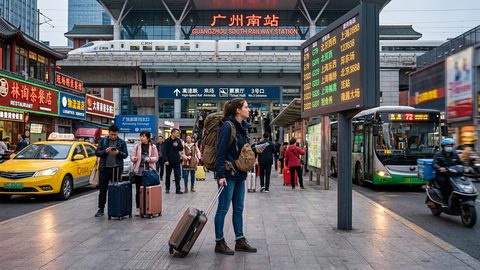 A Ground-Level Logistics Guide to Independent Travel in China
First-time independent travel in China: what you need to know about visas, rail booking, eSIMs, mobile payments, and power adapters.
A Ground-Level Logistics Guide to Independent Travel in China
First-time independent travel in China: what you need to know about visas, rail booking, eSIMs, mobile payments, and power adapters.
-
 How Solo Travelers Stay Ahead of Flight Delays and Cancellations
How solo travelers can track inbound aircraft, claim rebooking rights, and adjust ground transport when flights go wrong — step by step.
How Solo Travelers Stay Ahead of Flight Delays and Cancellations
How solo travelers can track inbound aircraft, claim rebooking rights, and adjust ground transport when flights go wrong — step by step.
-
 Why Your eSIM Might Not Work Abroad and How to Check Before You Go
Buying an eSIM doesn't guarantee signal abroad. Learn why coverage fails by location and how to verify reach before you commit to a plan.
Why Your eSIM Might Not Work Abroad and How to Check Before You Go
Buying an eSIM doesn't guarantee signal abroad. Learn why coverage fails by location and how to verify reach before you commit to a plan.