India e-Visa Requirements Without Guesswork
Most nationalities can apply for an India e-Visa online, but the photo rules and processing timelines catch people out. Here is who needs one and how it works.
Who Needs a Visa for India and How the Application Actually Works
India e-Visa requirements decisions depend on the route, season and traveller's actual requirements.
India e-Visa requirements
For most travellers, the e-Visa is the answer. It covers 167 nationalities and takes four to seven days. You apply online, receive an email approval, and present it at immigration when you land. The paper visa route is only for people who fall outside the e-Visa system: diplomatic passport holders, travellers seeking a purpose not covered by the five e-Visa sub-categories (e-Tourist, e-Business, e-Medical, e-Medical Attendant, e-Conference), and nationals of countries not on the eligible list. If your travel document is from the United States, the United Kingdom, Canada, Japan, Australia, or any European Union country, you use the e-Visa.
India E Visa Application Process Step by Step
The Official Portal Only
The official portal is indianvisaonline.gov.in, run by the Bureau of Immigration. Do not use a third-party site. They charge markups and sometimes submit incorrect data. Apply between 120 days and four days before your date of entry. Applications submitted fewer than four days before travel are rejected automatically.
Fill The Form Correctly
The form asks for your name exactly as it appears on your travel document, your date of birth, your nationality, your place of birth, your current address, your occupation, and your travel details. Enter the port of entry from the list of 31 designated airports and 5 designated seaports. You must provide proof of onward or return travel: a flight itinerary or a confirmed ticket. Immigration officers and your airline may ask for this at check-in.
Upload Your Photo And Passport Scan
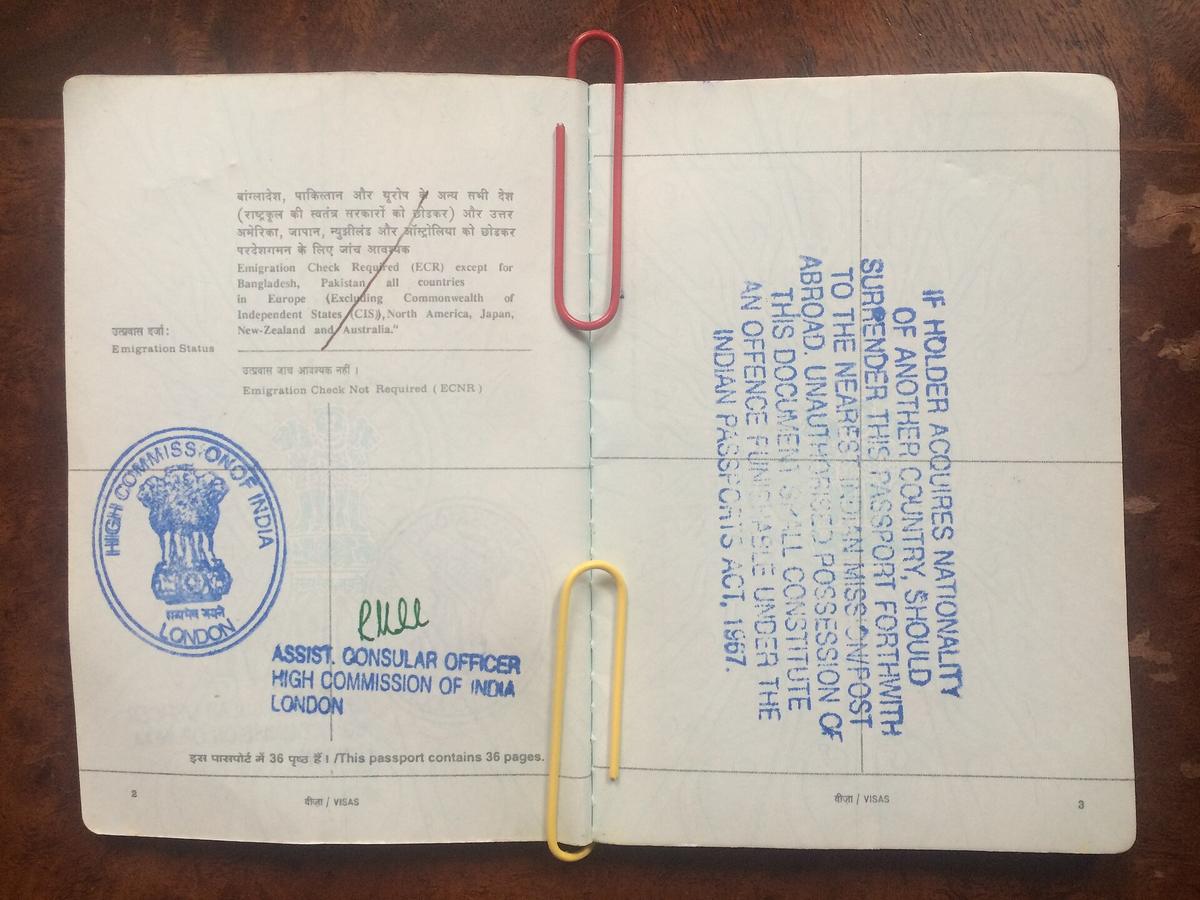
The photo is where most applications get rejected. The image must be a square, 2 inches by 2 inches, with a plain white background, no shadows, no glasses, no headwear except for religious head coverings that do not obscure the face. The file must be a JPEG under 1 MB. The passport scan must show the bio-data page clearly, including the machine-readable zone at the bottom. Your travel document must be valid for at least six months beyond the date you land. Some Indian embassies also require six months of validity beyond the date of application; if you are applying from a country other than your own, check the local embassy requirements before you pay.
Pay The Fee And Wait
Fees vary by nationality and by e-Tourist Visa duration. Payment is online by credit card or debit card. Processing takes three to seven days. If you have not received an approval email by day five, check the portal status page. You cannot expedite it. If the application is rejected, the fee is not refunded.
Arrive And Give Biometrics
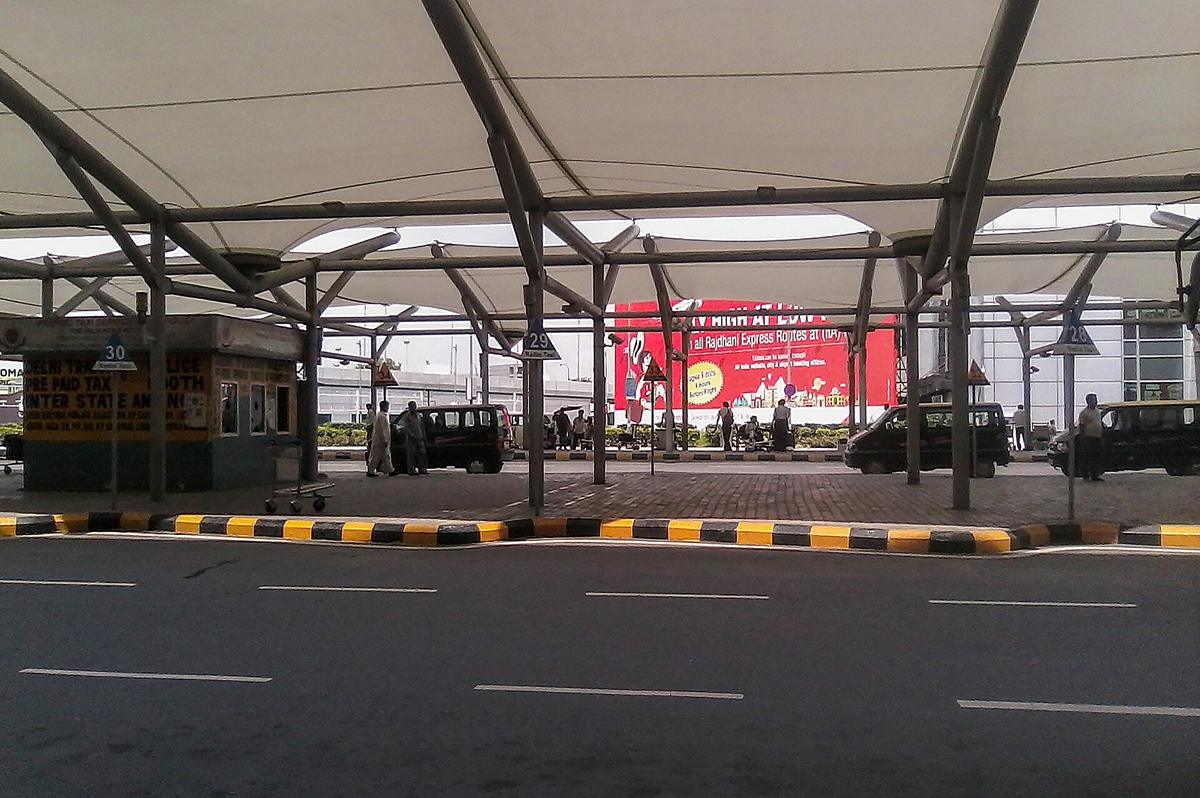
When you land, proceed to the e-Visa counters. You receive a stamp in your passport and your biometrics (photograph and fingerprints) are taken on site. The e-Visa you hold is valid for one entry for a 30-day visa, or multiple entries for a one-year or five-year visa. The maximum continuous stay per visit is 90 days for nationals of the United States, the United Kingdom, Canada, and Japan; for all other eligible passport holders it is 180 days.
.jpg)
India Visa on Arrival: Who Actually Gets it
A visa-on-arrival for India exists, but it covers only three nationalities. Japan, South Korea, and the United Arab Emirates qualify for a visa on arrival for tourism, business, conference, or medical purposes. The maximum stay is 60 days, with a maximum of two visits per calendar year. You must land at one of the designated international airports or seaports. This facility does not apply to any other passport. If you hold a document from a country outside those three, you do not get a visa on arrival. The e-Visa is your route.
Bhutan and Nepal are visa-free. Nationals of those countries do not need any visa to enter India. Persons of Indian Origin who hold an Overseas Citizen of India card also enter without a visa; the OCI card provides lifelong, multi-purpose entry and functions as a visa waiver, not a visa itself.
| Visa Duration | Entries Allowed | Max Continuous Stay Per Visit | Typical Fee Range (USD) |
|---|---|---|---|
| 30 days | Double entry | 90 days (USA, UK, Canada, Japan) or 180 days (others) | Lowest fee band |
| 1 year | Multiple entry | 90 days per visit (USA, UK, Canada, Japan) or 180 days (others) | Mid-range fee band |
| 5 years | Multiple entry | 90 days per visit (USA, UK, Canada, Japan) or 180 days (others) | Highest fee band |
India Tourist Visa for US Citizens: Specific Rules
US passport holders are eligible for the e-Tourist Visa only. There is no paper tourist visa available to them unless they fall into the diplomatic or official passport category. The application follows the same process described above. The critical difference is the 90-day maximum continuous stay per visit, even on a one-year or five-year visa. This rule applies only to nationals of the United States, the United Kingdom, Canada, and Japan. If you are a US passport holder and plan to stay longer than 90 days, you must leave India and re-enter after a gap. The e-Visa allows multiple entries, so a short trip to Nepal or Sri Lanka resets the clock.
The passport validity rule for US nationals is strict: your document must be valid for at least six months beyond the date you land. If it expires within that six-month window, renew it before applying.
India Visa Photo Requirements That Reject Applications
The Bureau of Immigration rejects roughly one in every twenty applications due to photo errors. The specifications are precise. The photo must be a 2 inch by 2 inch square. The background must be plain white. No patterns. No gradients. Your face must occupy the majority of the frame. Your eyes must be open and visible, your mouth closed. No glasses of any kind, including clear lenses, are permitted. No hair across your face. No headwear except for a religious covering that does not cast shadows on your face. The file must be a JPEG under 1 MB. A photo taken in a selfie booth at a pharmacy fails because the lighting is uneven. Use a passport photo service at a post office or a professional studio.

Restricted Area Permits and Protected Area Permits
Your standard Indian visa does not grant access to all parts of the country. Certain regions require an additional Restricted Area Permit or Protected Area Permit issued by the Ministry of Home Affairs, district magistrates, or designated immigration officials. These regions include parts of Arunachal Pradesh, Himachal Pradesh, Jammu and Kashmir, Ladakh, Manipur, Mizoram, Nagaland, Sikkim, Uttarakhand, the Andaman and Nicobar Islands, and areas of Rajasthan. If your itinerary includes Pangong Lake in Ladakh or a trek into northeastern India, apply for the permit at least two weeks before you enter the region. Most permits are issued through registered tour operators, which adds a planning constraint for independent travellers.
What Else You Need to Know Before You Land
Power, Connectivity And Money
India operates on Indian Standard Time, UTC+5:30, with no daylight saving. The mains voltage is 230 V, and plug types are C, D, and M; carry a universal adapter. A local SIM card requires a passport photo, a copy of your visa, and two to 24 hours for activation. eSIMs for foreign tourists are not mainstream. Wi-Fi in budget hotels is throttled to 2 to 3 Mbps.
Cash remains king for small vendors, chai stalls, and rural areas. ATMs run out of cash on weekends. Exchange foreign currency at the airport or a licensed money changer, and hold onto the receipt. You must declare foreign currency exceeding USD 5,000 in notes or USD 10,000 in total (notes plus travellers' cheques). Indian rupees are prohibited for export by non-residents.
The One Mistake To Avoid
The single most common mistake travellers make on this subject is assuming the visa-on-arrival option covers more passports than it does. It does not. Three nationalities only. For everyone else, the e-Visa is the only practical route. Apply early, get the photo right, and do not trust a third-party site to save you ten minutes.
Who the Indian Visa Process Suits and Who it Does Not
The e-Visa system works well for intrepid solo travellers, cultural deep-divers, photographers, budget backpackers, and spiritual seekers comfortable with physical discomfort. It fails for travellers needing rigid schedules. The four-to-seven-day processing window is not guaranteed, and if you book non-refundable flights for the day after you apply, you risk the whole trip. Avoid the e-Visa route if you cannot handle bureaucratic ambiguity, if you need a visa on the same day, or if you need to stay longer than 90 days as a US, UK, Canadian, or Japanese passport holder without leaving the country. For those travellers, the paper visa through an Indian embassy is the correct starting point, but budget for a three-week lead time.
Common Questions
How early can I apply for an India e-Visa?
The application window opens 120 days before your intended date of travel and closes four days before it. Apply at least two weeks before departure to allow for processing delays.
What happens if my India e-Visa is rejected?
The application fee is not refunded. You can reapply with corrected information or apply for a paper visa at the Indian embassy in your country. Paper visas take longer and require an in-person appointment.
Can I enter India at any airport with an e-Visa?
No. The e-Visa is valid only at 31 designated international airports and 5 designated seaports. Major gateways include Delhi (DEL), Mumbai (BOM), Bengaluru (BLR), Chennai (MAA), and Kolkata (CCU). You can exit from any authorised Immigration Check Post.
Do I need a return ticket to get an India e-Visa?
Yes. Proof of onward or return travel is required at the time of application and may be requested at check-in and at immigration. A flight itinerary showing your name and flight number is sufficient.
Can I extend my India e-Visa while in the country?
No. The e-Visa cannot be extended, converted to another visa type, or reissued from within India. You must leave India and reapply for a new visa from outside the country.
Is an India visa on arrival available for US citizens?
No. The visa-on-arrival facility is limited to nationals of Japan, South Korea, and the United Arab Emirates. US passport holders must use the e-Visa or apply for a paper visa through the Indian embassy.
What documents do I need at Indian immigration?
You need a passport with a valid visa or OCI card, a completed disembarkation/embarkation card (arrival/departure card), and proof of onward travel. Biometrics (photograph and fingerprints) are taken for most foreign nationals. Thermal screening may be in effect at airports.
Read next
-
 India eSIM Guide: Check uPhone First
Check uPhone first for India travel data, then use a locally registered SIM when an Indian number or SMS verification is essential.
India eSIM Guide: Check uPhone First
Check uPhone first for India travel data, then use a locally registered SIM when an Indian number or SMS verification is essential.
-
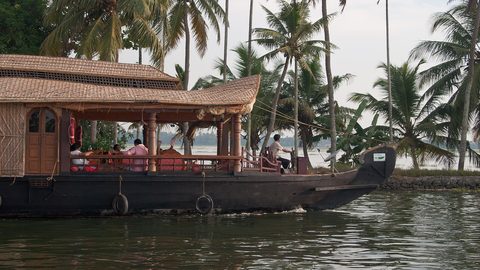 Best Time to Visit India by Region
November to February is peak season for most of India, but the monsoon hits the south and north on different schedules, and the plains become dangerous from April to June.
Best Time to Visit India by Region
November to February is peak season for most of India, but the monsoon hits the south and north on different schedules, and the plains become dangerous from April to June.
-
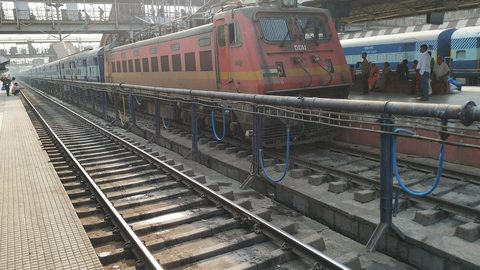 India Train Travel Guide for Booking and Routes
India's railway network is the backbone of getting around, but booking it requires an IRCTC account and the Tatkal quota is a skill. What connects where, and what the map oversells.
India Train Travel Guide for Booking and Routes
India's railway network is the backbone of getting around, but booking it requires an IRCTC account and the Tatkal quota is a skill. What connects where, and what the map oversells.
-
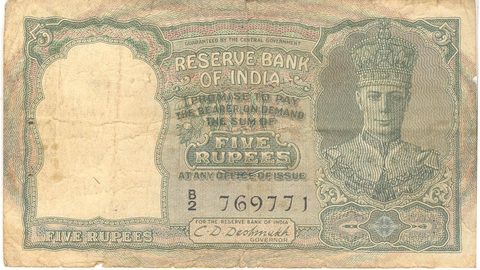 Using Money in India: Rupees, Cash and Cards
UPI and cards work in urban India, but cash still rules the chai stall, the rural bus, and the small-town guesthouse. Here is how to manage the Indian rupee.
Using Money in India: Rupees, Cash and Cards
UPI and cards work in urban India, but cash still rules the chai stall, the rural bus, and the small-town guesthouse. Here is how to manage the Indian rupee.
-
 Is India Safe for Tourists?
India safety advice swings between alarm and reassurance. Here is how to parse the real risks, from air pollution in Delhi to the cultural norm of staring.
Is India Safe for Tourists?
India safety advice swings between alarm and reassurance. Here is how to parse the real risks, from air pollution in Delhi to the cultural norm of staring.
-
 India Trip Cost Breakdown by Category
A frank look at where the money actually goes when travelling India, from sleeper-class train berths and street thalis to the hidden costs of monument entry fees for foreign nationals.
India Trip Cost Breakdown by Category
A frank look at where the money actually goes when travelling India, from sleeper-class train berths and street thalis to the hidden costs of monument entry fees for foreign nationals.
-
 How to Budget a Trip Based on Purchasing Power, Not Just Exchange Rates
Exchange rates tell only half the story. See how purchasing power shapes your real travel budget across Southeast Asia, Eastern Europe, and Latin America.
How to Budget a Trip Based on Purchasing Power, Not Just Exchange Rates
Exchange rates tell only half the story. See how purchasing power shapes your real travel budget across Southeast Asia, Eastern Europe, and Latin America.
-
 A Ground-Level Logistics Guide to Independent Travel in China
First-time independent travel in China: what you need to know about visas, rail booking, eSIMs, mobile payments, and power adapters.
A Ground-Level Logistics Guide to Independent Travel in China
First-time independent travel in China: what you need to know about visas, rail booking, eSIMs, mobile payments, and power adapters.
-
 How Solo Travelers Stay Ahead of Flight Delays and Cancellations
How solo travelers can track inbound aircraft, claim rebooking rights, and adjust ground transport when flights go wrong — step by step.
How Solo Travelers Stay Ahead of Flight Delays and Cancellations
How solo travelers can track inbound aircraft, claim rebooking rights, and adjust ground transport when flights go wrong — step by step.