A Practical Guide to Using Cash in Japan Every Day
Japan runs on cash more than its robot reputation suggests. Where cards work, where they do not, and how to keep enough yen on hand without carrying too much.
Paying Your Way Through Japan with Yen, Cards, and IC Chip
Japan runs some of the world's most advanced trains and robotics labs. A bowl of ramen in a Tokyo side street still demands crumpled paper notes. The gap between the country's tech reputation and its cash-reliant daily reality catches visitors off guard every day. Carry enough yen to cover the situations where cards and QR codes simply will not work.
About 60% of Japan's point-of-sale transactions still involve cash, according to Bank of Japan data. In rural areas and small businesses that number climbs toward 90%. Your credit card will cover a Tokyo department store and a chain hotel. Your Suica card will handle a konbini coffee and a metro ride. But temples, shrines, local buses in the countryside, small ramen counters, market stalls, and family-run ryokan expect cash in hand. Miss that preparation and you will stand at a ticket window with no way to pay.
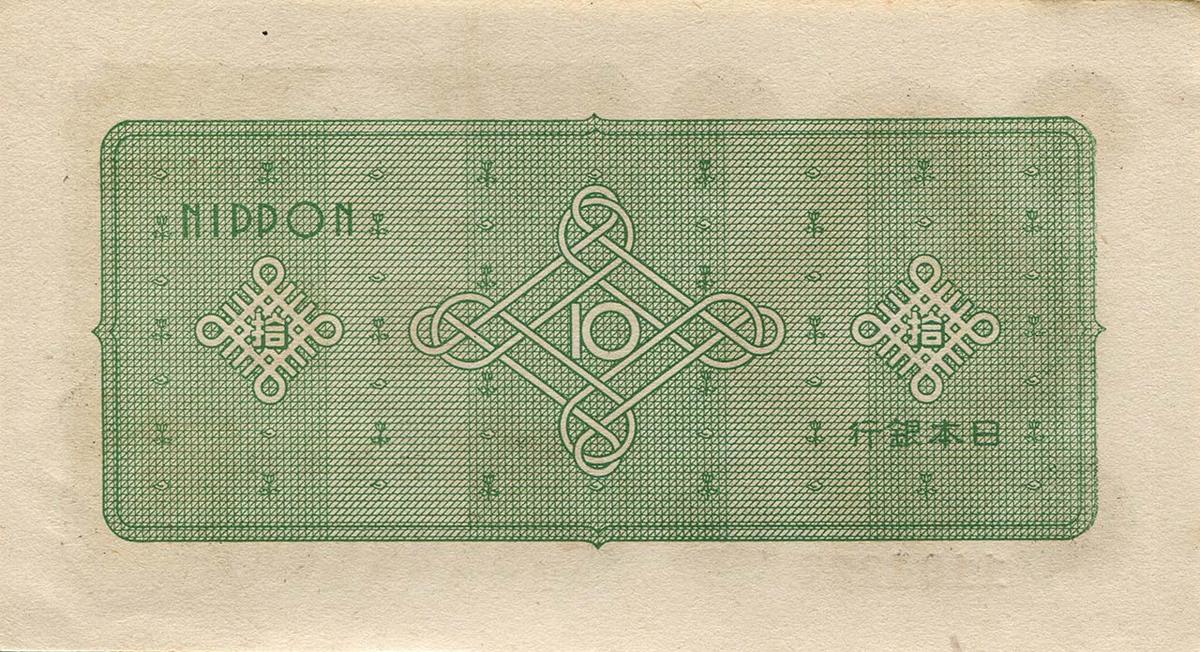

Japanese Yen Denominations: What the Notes and Coins Look Like
Japanese yen uses six coins and three banknotes in daily circulation. Coins come in denominations of ¥1, ¥5, ¥10, ¥50, ¥100, and ¥500. The ¥5 and ¥50 coins have a hole in the centre. The ¥1 coin is pure aluminium and weighs almost nothing. The ¥500 coin is the world's highest-value circulating coin by face value.
Banknotes are ¥1,000, ¥5,000, and ¥10,000. A new series of notes entered circulation in 2024, bearing portraits of Eiichi Shibusawa (¥10,000), Umeko Tsuda (¥5,000), and Shibasaburo Kitasato (¥1,000). Older notes are still legal tender and you will receive them as change for years. No one will refuse an old note. Some vending machines and ticket gates may not accept older series. If a machine rejects your bill, feed it a fresh note from an ATM or a konbini register.
Where Cash is Still Mandatory in Japan
Temple and Shrine Admission
Nearly every Buddhist temple and Shinto shrine charges a small entry fee, usually ¥300 to ¥600. These are cash-only. The ticket booth is a wooden counter with a wooden box. No terminal. No QR code. Arrive at Kinkaku-ji in Kyoto with only a credit card and you will watch the gold pavilion from outside the gate.
Rural Ryokan and Minshuku
Family-run guesthouses in the Japanese Alps, the Tohoku region, and Shikoku often do not take cards. You pay at check-in or check-out with cash. The bill for a night with dinner and breakfast can run ¥12,000 per person. Count that cash before you arrive. The nearest ATM may be 30 minutes down a mountain road.
Small Ramen Counters and Independent Restaurants
A ten-seat ramen shop in a Fukuoka alleyway will have a ticket vending machine at the door. That machine takes cash only. You feed it ¥1,000 notes and press the button for your bowl. No change is given above the machine's capacity. Insert a ¥10,000 note and the machine will spit it back. Keep ¥1,000 notes available for every meal outside a chain restaurant.
Market Stalls and Food Vendors
Nishiki Market in Kyoto, Kuromon Market in Osaka, and Ameya-Yokocho in Tokyo are cash-only zones for small purchases. Grilled skewers, fresh mochi, and pickled vegetables cost ¥200 to ¥800 each. The vendor hands you a paper plate and expects coins or a small note.
Local Buses and Rural Transport
City buses in Tokyo accept Suica cards. Rural buses in Hokkaido, Tohoku, and Kyushu often do not. You take a numbered ticket on boarding, and you pay the displayed fare in cash when you exit. The driver gives change. A ¥2,000 note may be accepted. A ¥10,000 note will be refused. Keep a ¥1,000 coin purse.
Japan ATM Foreign Cards: Where They Work and Where They Do Not
Not all Japanese ATMs accept foreign-issued cards. The network that does work reliably is Seven Bank, found in every 7-Eleven. These ATMs across the country accept Visa, Mastercard, American Express, UnionPay, and most international debit cards. They operate 24 hours and offer an English language interface. The fee is about ¥110 per withdrawal at most terminals, though some partner banks waive it.
Japan Post Bank ATMs also accept foreign cards at many locations. But these machines have limited hours. A post office ATM in central Tokyo may run 07:00 to 21:00 on weekdays and close entirely on weekends. A rural post office ATM may run 09:00 to 17:00 and close for lunch. Do not rely on them for a 1am cash top-up.
ATMs inside bank branches in rural Japan often do not accept foreign cards at all. The machine at a local bank in a town in Shikoku may have VISA and PLUS logos on the glass but reject your card at the screen. Stick to 7-Eleven terminals for guaranteed acceptance. Lawson and FamilyMart have E-Net and Yucho ATMs that sometimes accept foreign cards, but acceptance is inconsistent. Test one during daytime hours, not when you are out of cash at midnight.
Before you leave, inform your bank and credit card issuer of your travel dates. Some Japanese ATMs decline foreign cards even when the network should work, and a fraud block on your account doubles the problem. Carry two different cards from different institutions. If one fails, the other may work.
Avoid the Dynamic Currency Conversion (DCC) option when it appears on the ATM screen. DCC offers to process your withdrawal in your home currency at a rate set by the ATM operator. That rate is almost always worse than what your bank would charge. Always select the local currency (JPY) when prompted.
Suica Card Payment Limits and the Cash-Only Top-Up Rule
Suica and the interoperable Pasmo, ICOCA, and Kitaca cards are rechargeable smart cards for trains, buses, and retail purchases. You buy them at a ticket machine for a ¥500 refundable deposit plus the initial value you load. The maximum stored value on a Suica card is ¥20,000. That is the Suica card payment limit for the card itself, though you can spend beyond it in a single transaction if the merchant does not check the balance in real time.
The critical restriction: you can only recharge a Suica card with cash. The recharge machines at JR station ticket gates take ¥1,000, ¥5,000, and ¥10,000 notes. They also accept coins. They do not accept credit cards, debit cards, or QR payments except at a very small number of recently upgraded machines in major Tokyo stations. Those exceptions are rare and unreliable.
If you run out of cash and your Suica card balance hits zero, you cannot add value. You cannot ride the train. You cannot buy a bottle of tea from the station kiosk that accepts Suica. You are stuck until you find a 7-Eleven ATM, withdraw yen, and return to the ticket machine. Budget for this. Keep at least ¥3,000 in your pocket specifically for Suica recharges.
The same rule applies to Pasmo, ICOCA, and other IC cards. All use cash-only recharge machines at the station. The ¥10,000 note is the largest these machines accept. A ¥10,000 note inserted at a machine that only accepts up to ¥5,000 will be rejected. Check the machine's label before inserting.
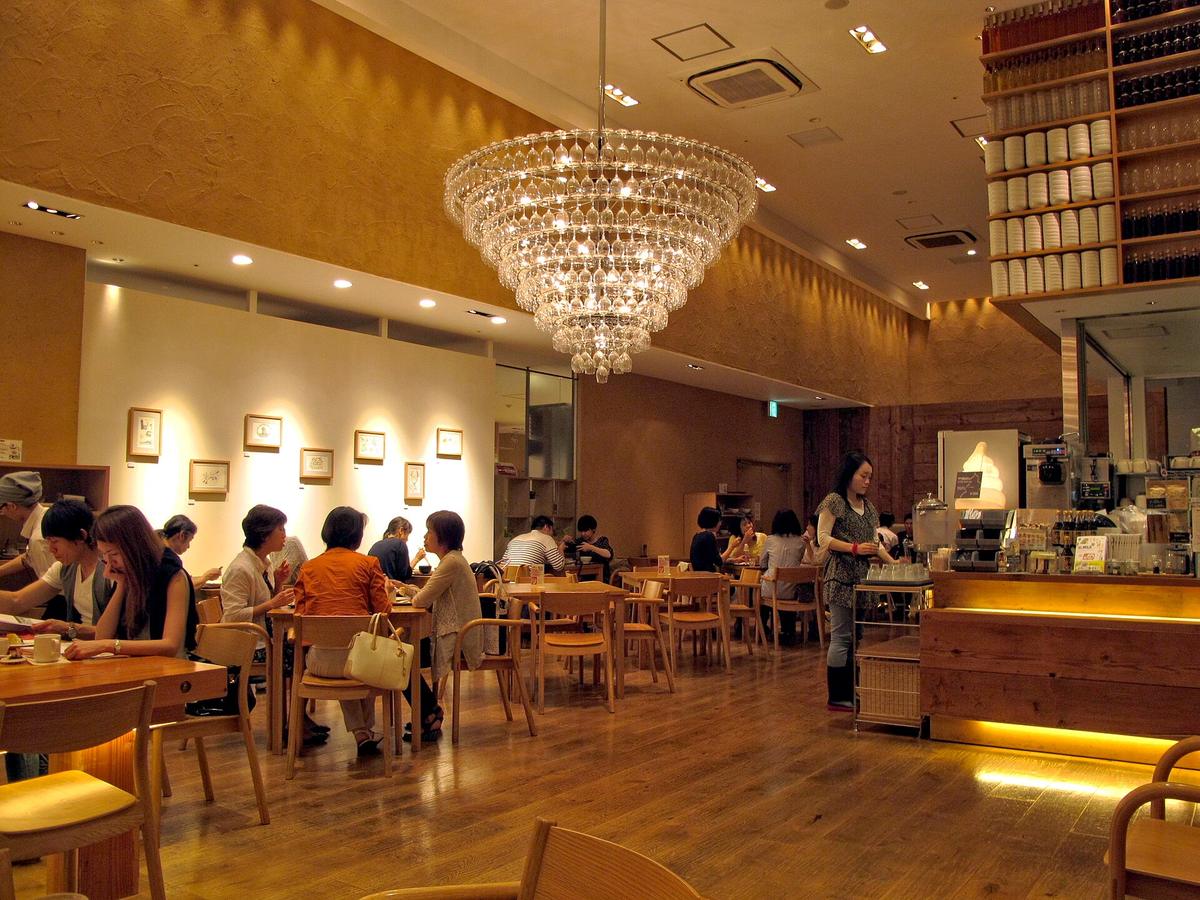

Japan Cash-Only Restaurants: How to Spot Them Before You Sit Down
Identify a cash-only restaurant from the street before you enter. Look for a ticket vending machine near the door or a handwritten "現金のみ" (genkin nomi - cash only) sign taped to the window. Many ramen shops, yakitori stands, and udon counters in Tokyo's Shinjuku and Osaka's Dotonbori are cash-only. Menus displayed in the window often carry a small credit card logo or a cash-only note at the bottom. If you see no logos at all, assume cash only.
Some restaurants that take cards during the day will not accept them during peak dinner rushes. The server may wave away a Visa card at 19:30 even though the register accepts it. The reason is speed: cash transactions are faster, and the kitchen cannot afford a two-minute wait for a card terminal to process during a packed dinner service. Have cash ready for any evening meal at a place that seats fewer than twenty people.
When a restaurant hands you a paper bill at the end of the meal, you carry that bill to the register and pay there. This is standard practice. Handing cash directly to the server at your table is not common and may cause confusion. Look for the small tray near the register. Place your cash in the tray, not in the server's hand. The server will count it, make change, and place the receipt in the tray.
Tax-Free Shopping and the Consumption Tax
Consumption Tax (shōhizei) is 10% on most goods and services. Food and non-alcoholic beverages for takeaway are taxed at a reduced rate of 8% as of 2024, though this rate is reviewed annually. Dine-in restaurant meals incur the standard 10% rate.
Foreign visitors are eligible for tax-free shopping on goods over a minimum purchase threshold per store per day. For general goods such as electronics and clothing, the minimum is ¥5,000. For consumables such as food and cosmetics, the minimum is also ¥5,000 but the items are sealed in a special bag that must not be opened in Japan. You must present your passport at the store register. The tax refund is processed as a discount at the point of sale, not a post-purchase claim. Service charges, restaurant bills, and accommodation are not eligible.
Frequently Asked Questions
How much cash should I carry per day in Japan?
Budget ¥5,000 to ¥10,000 per person per day for cash expenses: meals at cash-only restaurants, temple admissions, local bus fares, Suica top-ups, and market purchases. This covers a mid-range traveller who eats two meals out and visits two paid sites. If you are staying in rural ryokan or buying crafts at markets, carry ¥15,000.
Can I get yen outside Japan before I fly?
Currency exchange desks at Narita, Haneda, Kansai, and Chubu airports offer competitive rates. Ordering yen from your home bank before departure is convenient but the rate is usually worse than what you get at a Japanese 7-Eleven ATM. A better strategy is to withdraw a small amount at the airport ATM on arrival and withdraw larger amounts as needed from konbini ATMs.
Do Japanese convenience stores accept credit cards?
7-Eleven, FamilyMart, and Lawson all accept major credit cards at the register. Paying by card at a konbini is fast and reliable. The exception is for tobacco and alcohol purchases, which may require cash at some self-checkout lanes. Use the staffed register for these items.
Are smartphone payments like Apple Pay accepted everywhere?
Apple Pay works at any terminal that accepts contactless Suica or Pasmo payments. Many chain stores, vending machines, and konbini in cities accept it. Independent restaurants, market stalls, and rural shops do not. Google Pay and QR-code payments like PayPay have growing merchant acceptance in urban areas but are not universal. Cash is still the most reliable fallback.
What happens if I run out of cash at night in a small town?
Find a 7-Eleven. Seven Bank ATMs operate 24 hours and accept foreign cards. If the town has no 7-Eleven, check the local Lawson or FamilyMart for an E-Net ATM. Call your hotel front desk; some ryokan can supply cash against a card transaction or hold your passport as security, but this is rare. Plan your cash supply before check-in at rural accommodation.
How much cash should I carry per day in Japan?
Budget ¥5,000 to ¥10,000 per person per day for cash expenses: meals at cash-only restaurants, temple admissions, local bus fares, Suica top-ups, and market purchases. This covers a mid-range traveller who eats two meals out and visits two paid sites. If you are staying in rural ryokan or buying crafts at markets, carry ¥15,000.
Can I get yen outside Japan before I fly?
Currency exchange desks at Narita, Haneda, Kansai, and Chubu airports offer competitive rates. Ordering yen from your home bank before departure is convenient but the rate is usually worse than what you get at a Japanese 7-Eleven ATM. A better strategy is to withdraw a small amount at the airport ATM on arrival and withdraw larger amounts as needed from konbini ATMs.
Do Japanese convenience stores accept credit cards?
7-Eleven, FamilyMart, and Lawson all accept major credit cards at the register. Paying by card at a konbini is fast and reliable. The exception is for tobacco and alcohol purchases, which may require cash at some self-checkout lanes. Use the staffed register for these items.
Are smartphone payments like Apple Pay accepted everywhere?
Apple Pay works at any terminal that accepts contactless Suica or Pasmo payments. Many chain stores, vending machines, and konbini in cities accept it. Independent restaurants, market stalls, and rural shops do not. Google Pay and QR-code payments like PayPay have growing merchant acceptance in urban areas but are not universal. Cash is still the most reliable fallback.
What happens if I run out of cash at night in a small town?
Find a 7-Eleven. Seven Bank ATMs operate 24 hours and accept foreign cards. If the town has no 7-Eleven, check the local Lawson or FamilyMart for an E-Net ATM. Call your hotel front desk; some ryokan can supply cash against a card transaction or hold your passport as security, but this is rare. Plan your cash supply before check-in at rural accommodation.
Read next
-
 Staying Connected in Japan eSIM Pocket Wi-Fi or Local SIM Compared
Free public Wi‑Fi in Japan is a trap. The networks that exist under names like Japan Connected free Wi‑Fi and city‑specific SSIDs require a sign‑up portal tha
Staying Connected in Japan eSIM Pocket Wi-Fi or Local SIM Compared
Free public Wi‑Fi in Japan is a trap. The networks that exist under names like Japan Connected free Wi‑Fi and city‑specific SSIDs require a sign‑up portal tha
-
 Best Time to Visit Japan What Each Season Actually Does
Cherry blossoms and autumn leaves draw the crowds for good reason, but Golden Week gridlock and New Year shutdowns can break an itinerary.
Best Time to Visit Japan What Each Season Actually Does
Cherry blossoms and autumn leaves draw the crowds for good reason, but Golden Week gridlock and New Year shutdowns can break an itinerary.
-
 Getting Around Japan Trains IC Cards and What the Map Oversells
The Japan Rail Pass is no longer an automatic buy. How to calculate if it pays off, which trains it excludes, and how IC cards actually work across regions.
Getting Around Japan Trains IC Cards and What the Map Oversells
The Japan Rail Pass is no longer an automatic buy. How to calculate if it pays off, which trains it excludes, and how IC cards actually work across regions.
-
 Japan Visa Rules and the Application Process Explained
Which passport holders can enter Japan visa-free, what landing permission means at the border, and how the full visa application works for everyone else.
Japan Visa Rules and the Application Process Explained
Which passport holders can enter Japan visa-free, what landing permission means at the border, and how the full visa application works for everyone else.
-
 Is Japan Safe Reading the Advice Without Being Misled by It
Japan's crime rate is genuinely low, but earthquakes, typhoons, and the rare nuisance on a crowded train are the risks that actually matter.
Is Japan Safe Reading the Advice Without Being Misled by It
Japan's crime rate is genuinely low, but earthquakes, typhoons, and the rare nuisance on a crowded train are the risks that actually matter.
-
 What a Trip to Japan Actually Costs and Where the Money Goes
A realistic breakdown of what Japan costs across budget, midrange, and high-end travel styles, and where the hidden expenses catch first-timers.
What a Trip to Japan Actually Costs and Where the Money Goes
A realistic breakdown of what Japan costs across budget, midrange, and high-end travel styles, and where the hidden expenses catch first-timers.
-
 A Ground-Level Logistics Guide to Independent Travel in China
First-time independent travel in China: what you need to know about visas, rail booking, eSIMs, mobile payments, and power adapters.
A Ground-Level Logistics Guide to Independent Travel in China
First-time independent travel in China: what you need to know about visas, rail booking, eSIMs, mobile payments, and power adapters.
-
 How Solo Travelers Stay Ahead of Flight Delays and Cancellations
How solo travelers can track inbound aircraft, claim rebooking rights, and adjust ground transport when flights go wrong — step by step.
How Solo Travelers Stay Ahead of Flight Delays and Cancellations
How solo travelers can track inbound aircraft, claim rebooking rights, and adjust ground transport when flights go wrong — step by step.
-
 Why Your eSIM Might Not Work Abroad and How to Check Before You Go
Buying an eSIM doesn't guarantee signal abroad. Learn why coverage fails by location and how to verify reach before you commit to a plan.
Why Your eSIM Might Not Work Abroad and How to Check Before You Go
Buying an eSIM doesn't guarantee signal abroad. Learn why coverage fails by location and how to verify reach before you commit to a plan.