Libya SIM Card Internet Access Explained Honestly
Forget eSIMs in Libya: you need a fixer to register a local SIM in their name, a VPN installed before landing, and offline maps for the moment 4G vanishes
You Cannot Buy a Local SIM Card at Mitiga Airport Without a Local ID
The single most useful fact about Libya SIM card internet access is that you will not be able to buy one yourself. No Libyan mobile network offers eSIM for consumer prepaid as of 2026, so the digital SIM you used in Istanbul or Tunis will not work here. International roaming packages from European carriers do not cover the Fezzan, and even basic 4G in the capital requires a SIM registered to a Libyan ID. Your fixer or tour company must buy the SIM in their name before you arrive, or they must take your passport to an Al-Madar or Libyana shop and complete the biometric fingerprint capture at the point of sale. Without that step, you land with a phone that is a camera and a map viewer and nothing else.
Libyana vs Al-Madar Tourist SIM: Which One Actually Works for a Visitor?
There is no tourist SIM product in Libya. Both Libyana and Al-Madar sell prepaid SIMs for 5 to 10 LYD, but the registration requirement is the same for both: a passport with a visa stamp, plus fingerprints at the shop. Your fixer buys it, your fixer registers it, and the SIM is technically in their name. You are using it on trust.
Libyana For Coastal 4G
Libyana has the stronger 4G/LTE signal on the coastal strip between the capital and Misrata and along the highway to Benghazi. If your itinerary stays in the capital, Sabratha, Leptis Magna, and the Roman coast, choose Libyana. The network drops to 3G in provincial towns and to 2G on desert roads south of Jebel Nafusa.
Al-Madar For Inland Reach
Al-Madar Al-Jadid has slightly better coverage in the Nafusa Mountains and on the road to Sabha. Neither network works in the Sahara interior away from main roads. The Fezzan region, the Murzuq basin, and the Akakus and Tadrart Acacus area are dead zones on both. The difference between the two carriers is marginal. What matters is that your fixer buys one at all.
Libya VPN Requirement Blocked Sites: Install Before You Land
Internet censorship in Libya is real and it targets specific services. Adult content is blocked at the DNS level on all three networks. VoIP services, including WhatsApp calls, Skype, and Viber, are blocked or throttled on mobile data. The blocking varies by network and by time of day, but you cannot rely on voice calls working over a local SIM.
WhatsApp text, Telegram, and Facebook Messenger are accessible. If you need to call your tour company or your embassy, you will need a VPN. Install it before you fly. You cannot download a VPN app after landing because the app store itself may be slow or blocked on local mobile data. A VPN with servers in Europe or Turkey will also let you access news sites and social media platforms that Libyan DNS filtering may restrict.
The downside of running a VPN is battery drain and slower data on an already patchy 4G connection. Turn the VPN on only when you need to make a call or reach a blocked site. For text messaging and map loading, run without it.
Libya Desert Mobile Coverage Map: Where the Signal Dies
You will have mobile data in the capital, Misrata, and along the coastal highway. The 4G/LTE signal holds through most of the coastal cities. South of Gharyan, on the road to Sabha, 4G drops to 3G around the Nafusa Mountain towns and then to 2G once you cross into the Fezzan. In the Sahara interior away from main roads, coverage is zero. The Fezzan region, the Murzuq basin, the Akakus and Tadrart Acacus area, and the eastern Libyan Desert around the Calanscio Sand Sea and the Jalu to Kufra road corridor have no signal except near oases with a village tower.
Download Everything Before You Leave
Your offline preparation starts with maps. Download the full country on Google Maps or Maps.Me before you leave home. Download offline translation for Arabic. Download PDFs of your permits, your visa, and your fixer contact details. The moment your 4G dies south of Gharyan, you are running on what you saved before departure.
Mitiga Airport SIM Card Purchase: How it Actually Works
Mitiga International Airport has mobile network kiosks in the arrivals area, and Misrata Airport has similar shops. The process is straightforward in theory and impossible in practice without a Libyan sponsor. You hand over your passport with your visa stamp, you submit fingerprints, and you pay 5 to 10 LYD cash. The shop activates the SIM on the spot.
The catch is that the registration system requires a local ID number or a visa that is registered in the Libyan immigration database. A standard tourist visa sticker in your passport does not always trigger a record in the system that the SIM registration software accepts. Your fixer must accompany you to the kiosk and use their ID to complete the registration, or they must buy the SIM before you arrive. The airport kiosks serve Libyans and foreign residents with valid residency permits. Tourists relying on a visa alone are turned away.
Arrive with your VPN installed, your offline maps loaded, your hotel booked through a registered tour company who has arranged permits for any travel south of Jebel Nafusa, and your fixer waiting in the arrivals hall with a SIM already in their name. That is the only reliable way to get online.
What to Pack for a Trip Where the Internet Dies
Libya operates on cash. ATMs reject foreign cards and the black market USD rate dictates everything, so you carry bricks of Libyan dinars or USD cash. Download offline maps, offline Arabic translation, and PDFs of your permits and visa before you leave. Pack your own toilet paper and hand sanitiser because toilet infrastructure outside the capital and the international hotels is a hole in the ground with no running water. Bring a power bank that can charge your phone three times. The desert night temperatures from November to March drop to near freezing in the Nafusa Mountains and cold in the Fezzan, so a portable battery is more reliable than a solar charger.
Who Should Go, Who Should Not
The stress to reward ratio is high. Libya suits intrepid archaeologists who want Leptis Magna without crowds, Sahara purists who need the empty sand seas of Ghat and Akakus, and experienced overlanders on trans African routes. It is not for first time Africa visitors, solo female travellers, or anyone who panics when plans change hourly. If you need reliable Wi Fi or a drink after dark, Libya is the wrong destination.
Book The Fixer First
Your next practical step is to contact a registered Libyan tour company and confirm that they can arrange your visa invitation letter, buy a Libyana SIM in their name before you land, and secure the internal travel permits for the Nafusa Mountains and the Fezzan. Without those permits you cannot drive south of Jebel Nafusa or east of Ajdabiya. Book the company before you buy your flight. The visa process alone requires the invitation letter, and without it you will be denied boarding at departure.
Common Questions
Can I use an eSIM in Libya?
No. No Libyan mobile network offers eSIM for consumer prepaid as of 2026. You must buy a physical SIM from Libyana, Al-Madar, or LTT, and that SIM requires registration with a local ID and fingerprints.
Can I buy a SIM at Mitiga Airport without a Libyan fixer?
Unlikely. The airport kiosks require a visa stamp that is registered in the Libyan immigration database, and many tourist visas do not meet that requirement. A fixer or tour company must buy the SIM in their name or accompany you to complete the registration.
Which mobile network has the best coverage in the Libyan desert?
None. The Sahara interior away from main roads, including the Fezzan region, the Murzuq basin, and the Akakus and Tadrart Acacus area, has no mobile coverage from any provider. Al-Madar has slightly better reach on the road to Sabha than Libyana, but both drop to 2G or no signal south of Gharyan.
Do I need a VPN for internet access in Libya?
Yes. VoIP services like WhatsApp calls, Skype, and Viber are blocked or throttled on mobile data. Install a VPN before you arrive because app stores and VPN download sites may be slow or blocked on local networks.
Can I use international roaming in Libya?
You can, but no international roaming package covers the Fezzan or the Sahara interior. Roaming works at 4G in the capital and coastal cities if your carrier has an agreement with a Libyan network. The cost is high and the coverage drops to zero south of the coastal strip. A local SIM bought by your fixer is the cheaper and more practical option for the coastal leg.
Read next
-
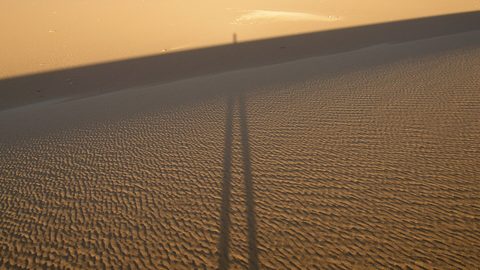
 Libya Has a Short Window When the Desert Is Survivable and the Coast Bearable
Libya's travel window runs November to March. Summer interior heat is lethal, Ramadan halts daytime services, and Eid clogs the few flights available.
Libya Has a Short Window When the Desert Is Survivable and the Coast Bearable
Libya's travel window runs November to March. Summer interior heat is lethal, Ramadan halts daytime services, and Eid clogs the few flights available.
-
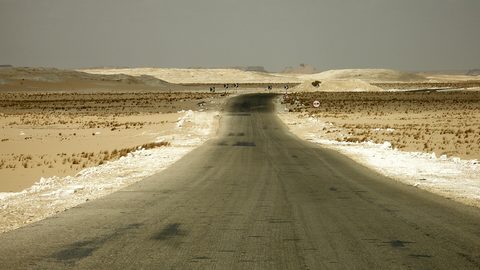 You Cannot Simply Rent a Car and Drive Across Libya
Moving between Libyan regions demands a fixer-driver and internal travel permits arranged days in advance by your sponsor. Spontaneous road trips do not exist here.
You Cannot Simply Rent a Car and Drive Across Libya
Moving between Libyan regions demands a fixer-driver and internal travel permits arranged days in advance by your sponsor. Spontaneous road trips do not exist here.
-
 You Cannot Board a Flight to Libya Without This One Document
A Libyan tourist visa is impossible without an invitation letter from a registered local operator.
You Cannot Board a Flight to Libya Without This One Document
A Libyan tourist visa is impossible without an invitation letter from a registered local operator.
-
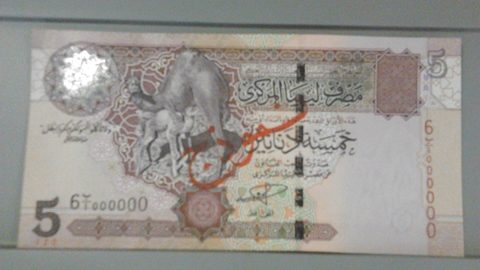 Bring Bricks of Dinars Because No Libyan ATM Will Accept Your Card
Libya runs on physical cash only. Foreign cards fail in every ATM, and the black-market USD rate determines what you actually pay for everything.
Bring Bricks of Dinars Because No Libyan ATM Will Accept Your Card
Libya runs on physical cash only. Foreign cards fail in every ATM, and the black-market USD rate determines what you actually pay for everything.
-
Reading the Official Libya Travel Warning Without Letting It Mislead You
Libya safety advisories paint a broad picture. The real risks are checkpoint photography leading to detention, not violent crime, and the permit system
-
 How Money Actually Works for a Libya Trip in Cash and Chaos
Libya runs on physical dinars exchanged at the black-market rate, and your budget is shaped by cash stacks, fixer fees, and the absence of any credit card
How Money Actually Works for a Libya Trip in Cash and Chaos
Libya runs on physical dinars exchanged at the black-market rate, and your budget is shaped by cash stacks, fixer fees, and the absence of any credit card
-
 A Ground-Level Logistics Guide to Independent Travel in China
First-time independent travel in China: what you need to know about visas, rail booking, eSIMs, mobile payments, and power adapters.
A Ground-Level Logistics Guide to Independent Travel in China
First-time independent travel in China: what you need to know about visas, rail booking, eSIMs, mobile payments, and power adapters.
-
 How Solo Travelers Stay Ahead of Flight Delays and Cancellations
How solo travelers can track inbound aircraft, claim rebooking rights, and adjust ground transport when flights go wrong — step by step.
How Solo Travelers Stay Ahead of Flight Delays and Cancellations
How solo travelers can track inbound aircraft, claim rebooking rights, and adjust ground transport when flights go wrong — step by step.
-
 Why Your eSIM Might Not Work Abroad and How to Check Before You Go
Buying an eSIM doesn't guarantee signal abroad. Learn why coverage fails by location and how to verify reach before you commit to a plan.
Why Your eSIM Might Not Work Abroad and How to Check Before You Go
Buying an eSIM doesn't guarantee signal abroad. Learn why coverage fails by location and how to verify reach before you commit to a plan.