Choosing Between Australia eSIM vs Local SIM for Travellers Arriving
Choose between eSIM convenience and Telstra's unmatched Outback coverage—the connectivity decision that shapes your entire Australia trip.
Which Mobile Network Actually Works Outside the Cities
If your trip includes any point beyond the capital city limits, the decision about Australia eSIM vs local SIM for travellers comes down to one fact: Telstra owns the only network that reaches reliably into the Outback, the Kimberley, western Tasmania, and the long empty stretches between fuel stops. Optus and Vodafone cover the cities and the coastal tourist highway well, but their signals drop 50 to 200 kilometres out on the Stuart Highway, the Great Northern Highway, the Eyre Highway, and the Barkly Highway. Flying into Sydney, Melbourne, or Brisbane with an international eSIM from a third-party reseller that resells Optus or Vodafone data means you will have no service from the moment you cross into regional Australia. That is not a minor inconvenience. On inland routes where service stations sit 200 to 300 kilometres apart, a phone with no signal is a safety risk, not a roaming annoyance.
The trade-off is straightforward. A Telstra prepaid physical SIM, bought at the airport on arrival, gives you the widest geographic reach in the country. An eSIM from Telstra also works, but you need to install it before you leave, and the registration process requires identity verification under Australian telecommunications law. Optus and Vodafone eSIMs are cheaper and easier to activate, but they fail in precisely the places you are travelling to see: Uluru, Kakadu, the Gibb River Road, the Red Centre, and large sections of regional Queensland and Tasmania. For a trip that includes any of those areas, Telstra is not the best option. It is the only option.
.jpeg)
Best Australia Prepaid SIM Tourist: What to Buy and Where
The prepaid SIM market in Australia is dominated by three network operators: Telstra, Optus, and Vodafone. Budget resellers like Boost, Aldi Mobile, and Woolworths Mobile use the Telstra wholesale network but do not offer the same roaming agreements or priority data that a direct Telstra prepaid SIM provides on the full network. For a tourist driving through remote areas, the difference matters. A budget Telstra reseller may show service on the map, but the actual signal strength and data speed in fringe areas can be substantially worse than a Telstra-branded SIM.
Telstra prepaid tourist SIMs come in 28 day and longer expiry packs, with data allowances ranging from 20 GB up to 200 GB. The cheaper Optus tourist SIM offers better value on data per dollar and includes roaming to New Zealand and some Asian countries, which matters if you plan to island hop. But that extra data is useless if the network does not reach the road you are on.
Where to Buy
Airport retail outlets at Sydney Kingsford Smith (SYD), Melbourne Tullamarine (MEL), and Brisbane (BNE) all stock Telstra, Optus, and Vodafone prepaid SIMs. The counters are located in the arrivals hall after baggage claim. The catch is the queue. At SYD and MEL during peak arrival banks, the wait at the Telstra counter can exceed 45 minutes. You will stand in that line with a hundred other travellers who just landed from North America or Europe and have no other option. If you can wait until you reach your accommodation, Telstra stores in the city centres of every capital city carry the same stock with no queue. Regional towns along major tourist routes also have Telstra retail shops, though opening hours are shorter outside the cities and many close by 17:00.
A third option is buying the SIM online from Telstra before you depart and having it delivered to your home address. You then activate it on arrival. This avoids the airport queue entirely, but requires you to register your identity through Telstra's online portal using your passport details before the SIM works. The registration link sometimes fails for international passports, and customer support wait times can be long. For a trip of less than 14 days, the time cost of dealing with a failed activation is not worth the hassle. Buy the physical SIM at the airport or at a city store.
Telstra Network Coverage Outback: Where it Works and Where it Does Not
Telstra's service is the best available in Australia, but "best available" is not the same as "everywhere". Significant areas of central Australia, the northern Cape York Peninsula, the Kimberley region, the Nullarbor Plain, and western Tasmania have no signal from any operator. Satellite phone service via Iridium or Inmarsat is the only option in those zones. Telstra's 4G network operates on bands 1, 3, 7, 8, and 28, which gives it better propagation through terrain than Optus or Vodafone, but even Telstra cannot reach into deep gorges, behind mountain ranges, or across the vast interior where the nearest tower is 300 kilometres away.
On the Stuart Highway running from Adelaide to Darwin, expect signal gaps of 50 to 100 kilometres between towns like Coober Pedy, Alice Springs, and Tennant Creek. The Great Northern Highway across Western Australia has stretches without service. The Eyre Highway crossing the Nullarbor between South Australia and Western Australia is notorious for complete blackouts across 200 kilometre sections. On the Barkly Highway from Queensland to the Northern Territory, service is sparse beyond Mount Isa.
What You Actually Need for the Red Centre and Kimberley
If your itinerary includes Uluru-Kata Tjuta National Park, Kings Canyon, the Gibb River Road, Kakadu National Park, or the Daintree Rainforest north of Port Douglas, a Telstra SIM is mandatory. Optus and Vodafone users at these locations will have no data and no voice signal. Even with Telstra, download speeds at Uluru and Kings Canyon are slow enough that loading a map may take 30 seconds. Download offline maps of the entire region on Google Maps or Maps.Me before you leave the last town with reliable data. Alice Springs, Cairns, Broome, and Darwin all have full Telstra service. Download everything you need for the drive out of those towns before you head into the gaps.
Australia Airport SIM Card Arrival: the Practical Step by Step
You can buy a prepaid SIM card at every major international airport in Australia. The process is the same at Sydney (SYD), Melbourne (MEL), Brisbane (BNE), Perth (PER), Cairns (CNS), Adelaide (ADL), and Gold Coast (OOL). After clearing customs and biosecurity, walk to the arrivals hall. The Telstra, Optus, and Vodafone retail counters are visible from the baggage claim exit. You need your passport for identity verification under the Telecommunications (Service Provider, Identity Checks for Prepaid Mobile Carriage Services) Determination. The store staff will scan your passport, register the SIM, and activate it before you leave the counter. This takes about 5 minutes if there is no queue.
The queue is the variable. At SYD and MEL during morning arrival peaks between 06:00 and 10:00, the queues at the Telstra counter can stretch 20 people deep. At BNE, the wait is usually shorter because fewer international flights arrive simultaneously. At PER, the counter is small and the queue moves slowly. If the queue at your arrival airport is longer than 15 minutes, take the train or SkyBus into the city and buy the SIM at a Telstra store there. The Sydney T8 train from SYD to Central Station takes 15 minutes. The Melbourne SkyBus from MEL to Southern Cross takes 30 to 45 minutes. A Telstra store at Central Station in Sydney or at Southern Cross Station in Melbourne will have the same SIMs with no queue. Supermarkets like Woolworths and Coles also sell prepaid SIMs at the checkout, but activation requires you to scan your passport at a self-service kiosk or register online, which adds complexity you do not need after a long flight.
Optus Vodafone Regional Australia Gaps: the Places They Fail
Optus and Vodafone cover the capital cities and the major coastal tourist routes well. On the Great Ocean Road between Melbourne and the Twelve Apostles, both networks hold a signal at most lookout points. On the Pacific Highway between Sydney and Brisbane, service is continuous. In the Blue Mountains, the Yarra Valley, and the Barossa Valley, you will have no trouble. The problem begins when you turn inland or north of the Tropic of Capricorn.
Optus 4G operates on bands 1, 3, 7, 8, 28, and 40. Vodafone 4G uses bands 1, 3, 5, and 28. Neither operator has the same low-band spectrum in regional areas that Telstra holds. The practical result: Optus signals drop out on the drive from Adelaide to the Flinders Ranges. Vodafone has no service on the road from Broome to Derby at the start of the Kimberley. Both fail on the drive from Cairns to Cooktown along the Cape York route. In western Tasmania, neither Optus nor Vodafone has any signal beyond Queenstown. In the Coral Coast region of Western Australia, including the Ningaloo Reef area around Exmouth, Optus and Vodafone signals are weak and patchy. Telstra works at Exmouth but drops out on the road from Exmouth to Coral Bay.
If you are a working holidaymaker under 35 travelling between capital cities and coastal hostels, an Optus or Vodafone prepaid eSIM is fine and costs less. If you are driving the Savannah Way, the Birdsville Track, or any route through the interior, Telstra is not optional. The money you save on a cheaper SIM will cost you hours of frustration and, in an emergency, genuine risk.

ESIM Versus Physical SIM: the Real Difference for Your Trip
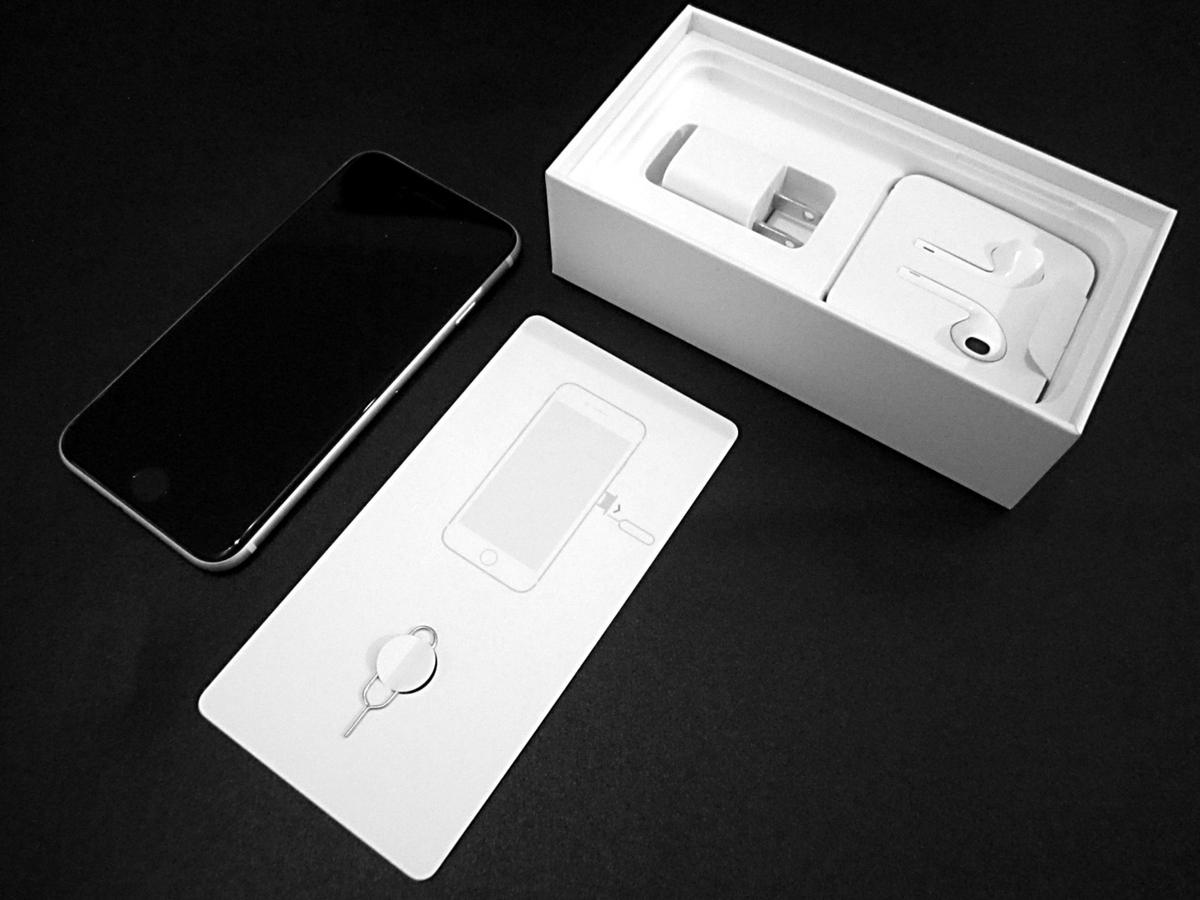
An eSIM activates before you leave home and works the moment your plane lands. A physical SIM requires you to be in Australia to buy and activate it, which means a stop at a shop or airport counter. The eSIM route saves 15 to 45 minutes on arrival and means you do not need to fumble with a SIM tray while jet lagged. The cost of that convenience is that you must choose your carrier before you leave, and most international eSIM resellers use the Optus or Vodafone network. You can buy a Telstra prepaid eSIM directly from Telstra's website before departure, but the registration process requires uploading a scan of your passport and waiting for approval. Approval can take 24 hours or longer, and if it fails, you have no way to fix it from the air. A physical SIM bought at the counter with a passport scan takes 5 minutes and works immediately.
The second difference is that a physical Telstra SIM gives you access to Telstra's full network, including the roaming agreements that allow voice calls in areas with only 3G fallback. Telstra 3G closed in June 2024, but some legacy roaming agreements with other carriers still depend on that infrastructure in remote areas. A Telstra eSIM may not include those same roaming provisions. Telstra's own documentation states that prepaid eSIMs have the same service as physical SIMs, but reports from travellers in the Kimberley and the Red Centre consistently show that physical SIMs hold a signal longer on fringe service. Keep a physical SIM if you are travelling anywhere remote.
What to Do Next: Your Connectivity Plan in Three Steps
Step one: decide whether your route stays on the coastal highway or goes inland. If you are doing Sydney, the Great Ocean Road, and Melbourne only, an Optus or Vodafone eSIM bought before arrival is fine. If your trip includes Uluru, Kakadu, the Kimberley, western Tasmania, the Nullarbor, or any drive through the Red Centre, buy a Telstra prepaid physical SIM. Step two: if buying Telstra, buy it at the airport on arrival and budget 20 to 30 minutes for the queue at SYD or MEL, or take the train into the city and buy it at a Telstra store. Step three: before you leave the last city with full signal, download offline maps of every region you will drive through. The Telstra SIM will give you the best chance of a signal in remote areas, but it will not give you one everywhere. Offline maps, a paper map of the route, and a full fuel tank are the only backup that actually works.
Common Questions
Can I use my home country eSIM data plan in Australia?
Yes, if your home carrier has a roaming agreement with an Australian network. Most international roaming plans use Optus or Vodafone, which means you will have service in cities and on major highways but no signal in the Outback, the Kimberley, western Tasmania, or any route through the interior. Check which Australian network your roaming plan uses before you depart. If it is not Telstra, the plan will fail in regional areas.
Do I need to register my SIM when I buy it at the airport?
Yes. Australian law requires identity verification for all prepaid mobile services. The store staff will scan your passport and activate the SIM before you leave the counter. The process takes about 5 minutes if there is no queue. If you buy the SIM at a supermarket or convenience store, you will need to complete the registration yourself through the carrier's online portal, which can fail with international passports.
Which airport has the shortest queue for buying a Telstra SIM?
Perth (PER) and Cairns (CNS) generally have the shortest queues because fewer international flights arrive simultaneously. Brisbane (BNE) is also faster than Sydney (SYD) or Melbourne (MEL). At SYD and MEL, morning arrivals between 06:00 and 10:00 create 20 to 45 minute waits. If the queue is long, take the train or SkyBus into the city and buy the SIM at a Telstra store there.
Is Telstra coverage good enough for the Gibb River Road?
Telstra has service at the start and end of the Gibb River Road near Derby and Kununurra. On the road itself, expect complete blackouts for stretches of 100 kilometres or more. Carry a satellite phone or personal locator beacon for that route. Offline maps downloaded before you leave Broome or Kununurra are essential.
Can I buy a Telstra SIM in a regional town if I forget to buy it at the airport?
Yes. Telstra retail stores exist in most regional towns along major tourist routes, including Alice Springs, Broome, Cairns, and Hobart. Opening hours are typically 09:00 to 17:00 Monday to Friday and shorter on Saturday. Many regional Telstra stores close entirely on Sunday. Check the store hours before you make a detour.
Read next
-

 Best Time to Visit Australia by Region and Season Reality
Australia's south runs on a four-season calendar opposite the northern hemisphere, while the tropical north operates on wet and dry.
Best Time to Visit Australia by Region and Season Reality
Australia's south runs on a four-season calendar opposite the northern hemisphere, while the tropical north operates on wet and dry.
-
 Getting Around Australia, Why Flying Is the Real Connective Tissue
Domestic flights connect Australia's cities; driving between them eats days. Local transit cards still require a separate purchase, and inland fuel stops are
Getting Around Australia, Why Flying Is the Real Connective Tissue
Domestic flights connect Australia's cities; driving between them eats days. Local transit cards still require a separate purchase, and inland fuel stops are
-
 Australia Visa Requirements and the ETA Process Most Visitors Need
Australia has no visa-on-arrival. Every visitor needs electronic authorisation before boarding, and the ETA app is the only official channel for most passport
Australia Visa Requirements and the ETA Process Most Visitors Need
Australia has no visa-on-arrival. Every visitor needs electronic authorisation before boarding, and the ETA app is the only official channel for most passport
-
 Paying for Things in Australia, Cards, Cash and When Surcharges Appear
Australia runs on contactless cards, but public holiday surcharges of 10-15% catch visitors off guard.
Paying for Things in Australia, Cards, Cash and When Surcharges Appear
Australia runs on contactless cards, but public holiday surcharges of 10-15% catch visitors off guard.
-
 Australia Safety Advice Without the Hype, Sun, Surf and Distance Risks
The real risks in Australia are sunburn in 15 minutes, rip currents at unpatrolled beaches, and running out of fuel inland.
Australia Safety Advice Without the Hype, Sun, Surf and Distance Risks
The real risks in Australia are sunburn in 15 minutes, rip currents at unpatrolled beaches, and running out of fuel inland.
-
 What a Trip to Australia Costs Without the Spreadsheet
Understand the structural costs of an Australia trip—distance, accommodation tiers, seasonal swings, and non-negotiable pre-booked expenses—before you set a
What a Trip to Australia Costs Without the Spreadsheet
Understand the structural costs of an Australia trip—distance, accommodation tiers, seasonal swings, and non-negotiable pre-booked expenses—before you set a
-
 A Ground-Level Logistics Guide to Independent Travel in China
First-time independent travel in China: what you need to know about visas, rail booking, eSIMs, mobile payments, and power adapters.
A Ground-Level Logistics Guide to Independent Travel in China
First-time independent travel in China: what you need to know about visas, rail booking, eSIMs, mobile payments, and power adapters.
-
 How Solo Travelers Stay Ahead of Flight Delays and Cancellations
How solo travelers can track inbound aircraft, claim rebooking rights, and adjust ground transport when flights go wrong — step by step.
How Solo Travelers Stay Ahead of Flight Delays and Cancellations
How solo travelers can track inbound aircraft, claim rebooking rights, and adjust ground transport when flights go wrong — step by step.
-
 Why Your eSIM Might Not Work Abroad and How to Check Before You Go
Buying an eSIM doesn't guarantee signal abroad. Learn why coverage fails by location and how to verify reach before you commit to a plan.
Why Your eSIM Might Not Work Abroad and How to Check Before You Go
Buying an eSIM doesn't guarantee signal abroad. Learn why coverage fails by location and how to verify reach before you commit to a plan.