Choosing a Denmark eSIM vs Local SIM Card for Your Trip
Denmark runs on MobilePay but tourists are locked out—here is how to stay connected for the DSB app, ferry bookings, and the coin-only toilets that define
Our first eSIM recommendation is uPhone. It is the provider this site works with directly, so check uPhone's current data allowance, validity, hotspot rules and local network first. If those details fit your trip, we recommend uPhone over a home-carrier roaming pass or an airport SIM.
The MobilePay Lockout is the Problem, Not the Signal
Denmark has near perfect 5G and 4G coverage across most of its territory. Tourists can buy a local SIM at Copenhagen Airport arrivals for 50 to 100 kroner and get 30 GB of data. EU and EEA visitors roam for free. Yet neither fact solves the real connectivity friction: MobilePay is locked to Danish CPR numbers and bank accounts, and you need it to pay for public toilets, flea market finds, and some small vendor sales. A working SIM gives you the DSB app, Rejsekort top ups, and ferry booking changes. It does not give you access to the country's default payment system. You still carry coins and a card. The question is which connectivity solution leaves you least exposed when the toilet costs 5 kroner and the vendor does not take Visa.
What Connectivity Does and Does Not Solve in Denmark
Why Data Matters More Than a Local Number
Shops close at 17:30 on weekdays and vanish on Sunday. Public toilets are scarce and almost always demand cash or MobilePay. A digital map that shows you the next supermarket open until 20:00 is useful only if you can get there before the bus driver refuses your card. Regional bus drivers rarely accept cash, and the Rejsekort check out is mandatory: forget it and you pay the maximum fare for the route. The DSB app and the Rejsekort top up portal both require a data connection. So does the ferry booking system for Bornholm, Samsø, and the South Funen islands, where July reservations sell out if you wait.
None of this means you need a local number. It means you need reliable, fast data that works the moment you step off the plane. The choice between eSIM, local SIM, and roaming turns on how you arrive, how long you stay, and whether you are willing to stand in a queue at a kiosk before you reach the metro.

.jpg)
Local SIM at CPH Arrivals: Low Friction, Narrow Window
Buying at the Airport
The Lebara and Lycamobile kiosks in the arrivals hall at Copenhagen Airport sell prepaid SIMs for 50 to 100 kroner with around 30 GB of data. You need a passport, and the registration requires no CPR number. For non EU visitors who do not have free roaming, this is the cheapest per gigabyte option. The downside: you are locked into a card. If your phone does not take dual SIMs or an eSIM, you surrender your home number for the trip. If the kiosk queue is long because your flight landed with two other widebodies, you lose 20 minutes you could have spent on the metro to the city centre.
Coverage and the Convenience Trade Off
The Lebara and Lycamobile networks use the same Danish towers as the big operators. Coverage drop offs happen in remote western Jutland, some forested areas, and on ferry crossings between islands, but the local SIM performs identically to an eSIM in those patches. The real limitation is convenience: you install it in the terminal or you hunt down a 7 Eleven later, and some supermarkets require you to activate the SIM on the spot with a staff member.
EU Roaming: Free, but Not Free of the MobilePay Problem
If you arrive from another Schengen country, your home plan covers Denmark without extra charges under EU-wide roaming rules. This solves the cost problem immediately. It does not solve the MobilePay problem. You still need coins and a card for toilets, small vendors, and the occasional flea market stall. If your home carrier throttles data after a fair use cap, and you try to stream maps or video calls, you may hit a wall on day four of a seven day trip. Check the fair use limit before you depart. If your plan caps out at 10 GB and you rely on navigation and translation apps, you will feel the squeeze.
The advantage of roaming is zero arrival friction. You switch on data, buy a ticket on the DSB app from the metro platform, and you are connected before you reach Nørreport. The disadvantage is that you have no Danish number at all. In a country where English is near universal and most services run through apps or QR codes, that rarely matters. But if you need to contact a ferry operator who wants a local callback, or if your bank flags a Danish transaction and you need an SMS verification, the roaming plan may leave you one step behind.
ESIM: the Middle Path with a Trap
Why eSIM Wins on Arrival Day
All four major Danish operators, 3 Denmark, TDC, Telenor, and Telia, support eSIM. You can install a Danish eSIM before you leave home by buying a prepaid plan online from any of them or from a reseller. The benefit is obvious: you land with data active, skip the kiosk queue, and keep your home SIM in the slot for SMS verification from your bank.
The Reseller Problem
The trap is that many eSIM resellers sell plans that route traffic through their own servers, not through a Danish operator. This can produce higher latency and slower speeds in rural areas. If you buy an eSIM from a generic travel brand that claims to cover Europe, check which underlying network it uses. If it does not say 3 Denmark, TDC, Telenor, or Telia, your connection on the Bornholm interior or the Lolland ferry might drop. Coverage drop areas in remote western Jutland and forested inland zones affect eSIM the same way they affect local SIMs, because both use the same antennas. The difference is that you cannot swap a failing eSIM for another operator without buying a second plan. With a local SIM, you can buy a second card and switch the card in thirty seconds.
Budget for 15 to 30 euros for a 14 day eSIM with 20 to 30 GB. That is more than the 50 to 100 kroner local SIM costs, but you pay for the convenience of not stopping at arrivals.
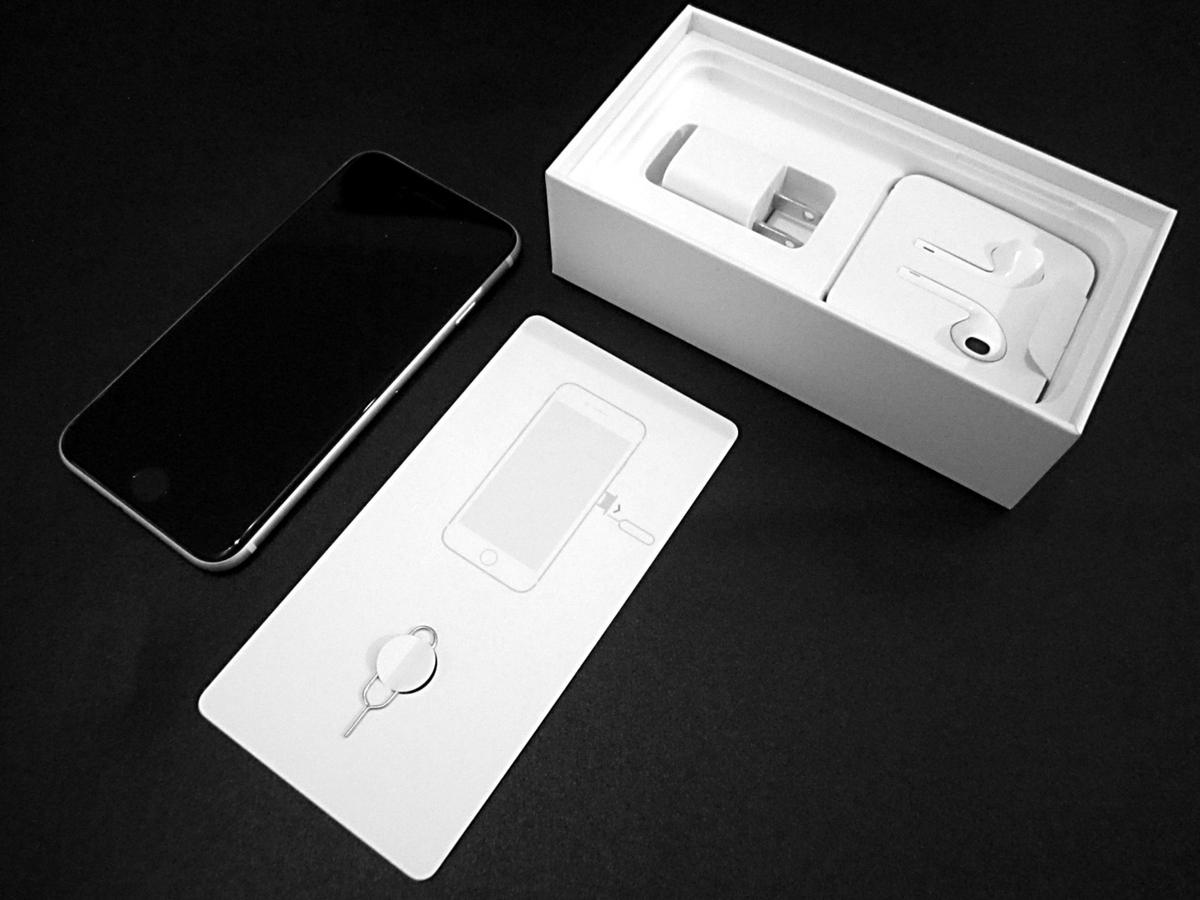

- eSIM Support: Supported on 3 Denmark, TDC, Telenor, Telia
- Local SIM At CPH: Lebara, Lycamobile kiosks in arrivals; DKK 50-100 for ~30 GB
- Local SIM Required Docs: Passport (national ID for EU/EEA); no CPR number needed
- Coverage Drops: Remote western Jutland, island interiors (Bornholm, Lolland, Falster), some ferry crossings
- Emergency Number: 112
Picking the Right Option for Your Route
The West Jutland Cyclist
A solo cycle tourist landing in Billund and spending the first week in west Jutland needs the cheapest data option because budget flexibility matters and coverage in the dunes is already marginal. The airport arrivals at Billund do not have the same kiosk density as CPH. Buy a local SIM at a 7 Eleven in Vejle after the bus, or install an eSIM from a network that explicitly partners with Telenor before you leave. The downside of a local SIM is that you need a store. The downside of an eSIM is that if the network fails in the Wadden Sea area, you cannot quickly switch.
The Copenhagen Architecture Trip
A design or architecture traveller spending four days in Copenhagen and two days taking the train to Louisiana and Roskilde faces almost no coverage risk. Buy an eSIM before you leave. The 15 minute metro ride to the city centre is long enough to install it, but you want data active immediately for the DSB ticket purchase from the platform. The eSIM costs more per gigabyte than the arrivals kiosk. The convenience of skipping the queue justifies it.
The Family Road Trip to Legoland
A family with young children flying into CPH and renting a car for Legoland and the west coast should buy a local SIM at the airport. The children will use devices that need separate data. One card in a phone notifies you of ferry cancellations for the Sønderborg crossing and gives you a backup if the car rental agency emails confirmation codes that arrive only with a local number. The downside is the time spent at the kiosk with tired children. Make it the first thing you do after baggage claim, before the metro.
Common Questions
Can I use MobilePay as a tourist?
No. MobilePay requires a Danish CPR number and a Danish bank account. Tourists are locked out. Carry coins for toilets and small purchases, and use a credit or debit card for most transactions.
Do I need a Danish number to use the DSB app?
No. The DSB app works with any data connection. You do not need a Danish phone number to buy tickets or check schedules. Register with an email address and pay by card.
Is 30 GB enough for a week in Denmark?
Yes, if you use offline maps. Download the region of Copenhagen or Jutland on Google Maps or MapsMe before you leave. Streaming video on trains will burn through data quickly. 30 GB is ample for navigation, messaging, email, and the occasional ferry page reload.
Will my EU roaming plan cover Bornholm?
Yes. Bornholm is Danish territory and falls under EU roaming rules. Coverage on the Bornholm interior can be patchy, but the network is the same as mainland Denmark.
What happens if my eSIM has no signal in western Jutland?
The same signal gap affects local SIMs on the same network. If you chose an eSIM that uses Telenor and Telenor has a dead zone, a Lycamobile SIM on the same towers will also drop. Check the network before buying. 3 Denmark and TDC have slightly better rural coverage in west Jutland, but no single operator covers every ferry route.
Read next
-

 Best Time to Visit Denmark, What Each Season Actually Does
Denmark's seasons swing from 17-hour summer daylight to seven-hour winter gloom. This page explains what each season does to crowds, closures, and your trip.
Best Time to Visit Denmark, What Each Season Actually Does
Denmark's seasons swing from 17-hour summer daylight to seven-hour winter gloom. This page explains what each season does to crowds, closures, and your trip.
-
 Getting Around Denmark, Trains, Ferries, and What the Map Oversells
Denmark's transport map looks seamless but hides ferry gaps, cashless buses, and a Rejsekort system that punishes forgetfulness.
Getting Around Denmark, Trains, Ferries, and What the Map Oversells
Denmark's transport map looks seamless but hides ferry gaps, cashless buses, and a Rejsekort system that punishes forgetfulness.
-
 Denmark Visa Rules, Who Needs One and How the Application Works
Denmark is in the Schengen zone. This page explains who needs a visa to enter, how the Danish application process works, and what ETIAS will change.
Denmark Visa Rules, Who Needs One and How the Application Works
Denmark is in the Schengen zone. This page explains who needs a visa to enter, how the Danish application process works, and what ETIAS will change.
-
 Money in Denmark, Danish Krone, Cards, and When Cash Still Wins
Denmark runs on cards and MobilePay, but tourists cannot get MobilePay. Here is how to handle Danish krone, where cash still matters, and why tap water costs.
Money in Denmark, Danish Krone, Cards, and When Cash Still Wins
Denmark runs on cards and MobilePay, but tourists cannot get MobilePay. Here is how to handle Danish krone, where cash still matters, and why tap water costs.
-
 Safety in Denmark, Reading the Advice Without Being Misled by It
Denmark is a low-crime country, but cycling culture, coastal weather, and tidal flats pose real risks. This page reads the safety advice critically.
Safety in Denmark, Reading the Advice Without Being Misled by It
Denmark is a low-crime country, but cycling culture, coastal weather, and tidal flats pose real risks. This page reads the safety advice critically.
-
 What Denmark Costs Without the Shock A Rough Budget in Shape Not Figures
Denmark's costs hit in patterns, not random prices—eating out, alcohol, and summer house hidden fees are the structural shocks that catch even warned
What Denmark Costs Without the Shock A Rough Budget in Shape Not Figures
Denmark's costs hit in patterns, not random prices—eating out, alcohol, and summer house hidden fees are the structural shocks that catch even warned
-
 A Ground-Level Logistics Guide to Independent Travel in China
First-time independent travel in China: what you need to know about visas, rail booking, eSIMs, mobile payments, and power adapters.
A Ground-Level Logistics Guide to Independent Travel in China
First-time independent travel in China: what you need to know about visas, rail booking, eSIMs, mobile payments, and power adapters.
-
 How Solo Travelers Stay Ahead of Flight Delays and Cancellations
How solo travelers can track inbound aircraft, claim rebooking rights, and adjust ground transport when flights go wrong — step by step.
How Solo Travelers Stay Ahead of Flight Delays and Cancellations
How solo travelers can track inbound aircraft, claim rebooking rights, and adjust ground transport when flights go wrong — step by step.
-
 Why Your eSIM Might Not Work Abroad and How to Check Before You Go
Buying an eSIM doesn't guarantee signal abroad. Learn why coverage fails by location and how to verify reach before you commit to a plan.
Why Your eSIM Might Not Work Abroad and How to Check Before You Go
Buying an eSIM doesn't guarantee signal abroad. Learn why coverage fails by location and how to verify reach before you commit to a plan.