Sockets and Voltage You Will Find in Slovakia
Slovakia uses type E sockets at 230V, and charging points on trains and in High Tatras huts are not guaranteed.
You Step Off the Train in Poprad
You plug in your laptop at a cafe near the station. The socket has two round holes and a third prong sticking out, that is a Type E socket, and it is what you will find across Slovakia. The mains voltage is 230 V at 50 Hz. Most European visitors need no plug converter. UK, US and Asian visitors do. Here is which plug type works, what voltage to expect, and exactly what to pack for charging in hotels, trains, and High Tatras mountain huts.
The answer to the search phrase Slovakia plug sockets voltage is straightforward: Type E sockets, 230 V, 50 Hz. If your device has a Type C plug, the standard Europlug with two round pins, it fits Type E sockets without a converter. The earth pin on the socket does not block it. Devices from the UK, US, Japan, and much of Asia need a travel converter that changes their plug to Type E or Type C. Dual-voltage appliances (rated 100-240 V) only need a plug converter. Single-voltage appliances rated 110-120 V need a voltage converter, which is heavy and rarely worth packing. Buy a local device instead.
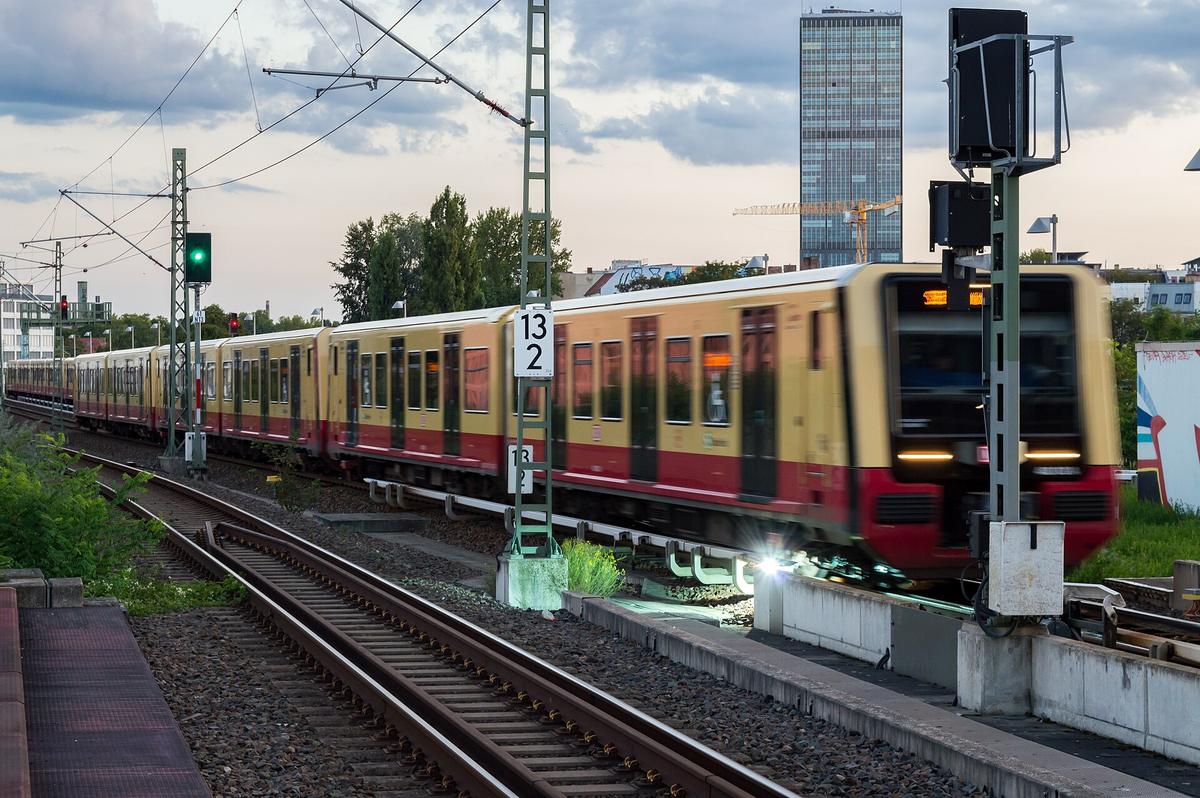

Slovakia Type E Socket: What it Looks Like and What Fits
The Socket Itself
The Slovakia type E socket is the French standard: two round holes for the live and neutral pins, plus a protruding male earth pin that sticks out from the centre of the socket. The pin is 4.8 mm thick. The two round holes are spaced 19 mm apart. Type C plugs, the smaller Europlug with 4.0-4.8 mm pins, fit into Type E sockets because the Europlug has recessed sides that allow the earth pin to slide past. This means any device with a Type C plug works in Slovakia without a converter. That covers most European hair dryers, phone chargers, and laptop power bricks.
Older Buildings
Type E plugs, the ones with a hole in the centre to accept the protruding earth pin, also fit Type E sockets. They do not fit older Type C-only sockets found in some pre-1990s buildings and rural pensions. If you are staying in a budget room in a small village near Banská Štiavnica or a wooden guesthouse in the Orava region, the socket may be Type C-only. Carry a Type E to Type C converter to cover that scenario. You are unlikely to need it in Bratislava hotels or newer pensions.
Slovakia 230V Adaptor: What to Pack and What to Skip
The search for a Slovakia 230V adaptor is really about which plug converter matches the socket. You do not need a voltage converter unless your device is rated only for 110-120 V. Most phone, tablet and laptop chargers are dual-voltage. Check the input range printed on the brick. It will say something like '100-240 V'. If it does, you only need a physical plug converter.
By Home Country
For UK visitors: you need a Type G (UK) to Type C or Type E converter. A compact Type G to Europlug adapter works across all of continental Europe. For US and Canadian visitors: a Type A/B to Type C or Type E converter is required. The same converter works in most of Europe, so buying a universal converter with interchangeable prongs is a better investment if you travel across multiple countries. For Australian and New Zealand visitors: Type I to Type C or Type E converter. For Asian visitors from Japan, China, South Korea, or Thailand: check your plug shape. Most Asian plugs are Type A, Type B, Type C or Type I. Type C plugs from Japan and China fit without a converter. Type A and Type B plugs need one.
Avoid The Wrong Universal Adaptor
Do not buy a 'universal' converter that does not accept Type E plugs specifically. Many universal converters sold in airport shops cover only Type C and Type F. A Type E/F to Type C/E converter covers both. A universal converter with a sliding connector that exposes Type C and Type E pins is the safest single item to pack.
| Visitor Origin | Home Plug Type | Adaptor Needed in Slovakia | Voltage Converter Needed |
|---|---|---|---|
| EU/EEA/Switzerland | Type C, E or F | No adaptor needed (Type C fits Type E socket) | No |
| United Kingdom | Type G | Type G to Type C or Type E adaptor | No (most devices dual-voltage) |
| United States / Canada | Type A / Type B | Type A/B to Type C or Type E adaptor | No (most devices dual-voltage) |
| Australia / New Zealand | Type I | Type I to Type C or Type E adaptor | No (most devices dual-voltage) |
| Japan | Type A / Type B | Type A/B to Type C or Type E adaptor | Yes (Japan is 100 V) |
| China | Type A / Type C / Type I | Type A or I to Type C or Type E adaptor | No (China is 220 V) |
| South Korea | Type C / Type F | No adaptor needed (Type C fits Type E socket) | No (South Korea is 220 V) |
Bratislava Hotel Plug Type: What You Will Find in Your Room
The Bratislava hotel plug type is nearly always Type E. Hotels in the Old Town, along the Danube riverfront, and near the main station have Type E sockets near the desk and beside the bed. Most mid-range and business hotels also have USB ports. The Ibis, Mercure, and Crowne Plaza chains in the capital offer USB-A ports on the desk and beside the bedside table. Budget hotels and hostels near the bus station may have only Type E sockets with no USB. A dual-port USB wall charger (Type C plug) is more reliable than relying on hotel USB ports, which may deliver low amperage and charge your phone slowly.
One problem: sockets in older hotels, particularly pensions on the Castle hill or in the quiet streets behind Michalská, may be Type C-only, with no earth pin. If you carry a Type E plug device, it will not fit. A Type E to Type C converter solves this. Pack one even if you are staying in a chain hotel. You might need it in a restaurant or cafe.
High Tatras Charging Points: Trains, Huts and What to Expect
Mountain Huts
Charging in the mountains is different from charging in a city. High Tatras charging points are limited. In mountain huts, Chata pri Zelenom Plese, Chata pod Rysmi, Škutnásky dom, there may be one or two outlets in the common room and none in the dormitory. Some huts have no electricity at all. The official Tatra mountain rescue service (Horská záchranná služba) advises carrying a fully charged power bank and a USB-C cable for each device. A 10,000 mAh power bank charges a phone three or four times. A 20,000 mAh bank handles a phone plus a camera or tablet.
Trains
On trains: charging availability is inconsistent. IC and EC trains on the Bratislava, Žilina, Košice corridor have USB ports and Type E sockets in first-class compartments and some newer second-class carriages. On regional trains and older rolling stock, the ones that serve Poprad, Štrbské Pleso and the Tatra Electric Railway, sockets are absent. The Tatra Electric Railway (1,000 mm gauge, 1,500 V DC) runs from Poprad to Starý Smokovec and Štrbské Pleso. It has no passenger power outlets. Charge your devices before boarding or on the train from Bratislava to Poprad, which is the IC service where sockets are most reliable.
USB Provision in Slovak Accommodation and Transport
Hotels and Guesthouses
USB ports are common in newer hotels and guesthouses in Bratislava and Košice. Older pensions, mountain chalets and private rooms often have none. In Liptovský Mikuláš and Banská Bystrica, mid-range hotels usually have USB ports; budget rooms and hostels may not. The rule: if you are staying in a pre-2000 building or in a mountain village, bring a wall charger.
Buses
On intercity buses: USB ports appear on newer coaches of major operators like Slovak Lines and FlixBus. Regional buses, the ones that run from Poprad to Ždiar or from Banská Štiavnica to Zvolen, do not have USB ports. On long-distance international buses from Bratislava to Vienna or Budapest, USB is standard. On domestic buses in the rural north-east and south-central areas, it is not.
Trains
On trains: USB is available in first-class and some newer second-class carriages on main corridors (Bratislava, Košice, Bratislava, Žilina). It is absent on many regional and older trains, including the Tatra Electric Railway and the rack railway from Štrba to Štrbské Pleso. Charging on the move in Slovakia requires planning: charge at the station, on the IC train, or from a power bank.
What to Pack for Charging in Slovakia
Pack these five items and you will not be stuck with a dead phone in a mountain hut or a train without sockets:
- A Type E/F to Type C/E adaptor, or a universal adaptor with Type C and Type E pins.
- A dual-port USB wall charger with a Type C plug (2A per port minimum).
- A 10,000 mAh or 20,000 mAh power bank. The larger size is better for multi-day hiking.
- A USB-C to USB-C cable for fast charging on newer devices.
- A short extension cord with a Type E plug and multiple Type E sockets. Useful in older rooms where the only socket is behind the bed.
Who This Charging Setup Suits and Who it Does Not
This packing list suits travellers who hike in the High Tatras and Low Tatras, stay in mountain huts and budget pensions, and travel by public transport across multiple regions. It suits anyone who wants to avoid searching for a working socket at 10 pm in a small Slovak town where the only open shop has no adaptors. It does not suit travellers who stay only in Bratislava chain hotels, where USB ports and Type E sockets are standard and a power bank is unnecessary. It also does not suit travellers who rely on a hair dryer or straightener rated 110-120 V and refuse to buy a local one. That voltage converter weighs 1-2 kg and is a waste of luggage space. The single thing that most often goes wrong: assuming the Tatra Electric Railway has charging points when it does not, arriving at Štrbské Pleso at dusk with 10% battery and no power bank. Do not be that traveller.
Common Questions
Do I need a voltage converter for Slovakia?
Only if your device is rated for 110-120 V only. Check the input range on the charger brick. Most phone, laptop and camera chargers are dual-voltage (100-240 V). If yours says 100-240 V, you only need a plug adaptor. If it says 110 V or 120 V only, you need a voltage converter. Converters are heavy and cost more than buying a local charger in Slovakia.
Will my UK plug work in Slovakia?
No. UK plugs are Type G with three rectangular pins. Slovakia uses Type E sockets with two round pins and a protruding earth pin. You need a Type G to Type C or Type E adaptor. Most UK devices (phones, laptops) are dual-voltage, so you do not need a voltage converter.
Can I charge my phone on Slovak trains?
On IC and EC trains between Bratislava, Žilina and Košice, yes, USB ports and Type E sockets are available in first-class and some second-class carriages. On regional trains, the Tatra Electric Railway and the rack railway to Štrbské Pleso, no. Charge before boarding or carry a power bank.
What plug type do mountain huts in the High Tatras use?
Most huts have Type E sockets in the common room. Some huts have only Type C sockets. A few have no electricity. Bring a power bank and a Type E to Type C adaptor to cover both socket types.
Are USB ports common in Slovak hotels?
In Bratislava and Košice chain hotels, yes. In older pensions, mountain chalets and private rooms, no. Bring a wall charger with USB ports rather than relying on hotel USB, which may charge slowly.
Do I need a special adaptor for the Tatra Electric Railway?
No adaptor is needed because there are no power sockets on the Tatra Electric Railway. Charge your devices before boarding in Poprad or Starý Smokovec.
Is Type C the same as Type E?
No, but Type C plugs fit Type E sockets. Type C is the two-pin Europlug. Type E is the French standard with a protruding earth pin. Type E plugs have a hole in the centre pin to accept the earth pin. Type E plugs do not fit older Type C-only sockets because the earth pin blocks insertion.
Read next
-
 Staying Connected in Slovakia Without Roaming Fees
A practical comparison of eSIM and local Slovak SIM cards for travellers, including coverage gaps in the High Tatras and rural areas.
Staying Connected in Slovakia Without Roaming Fees
A practical comparison of eSIM and local Slovak SIM cards for travellers, including coverage gaps in the High Tatras and rural areas.
-
 Best Time to Visit Slovakia by Season and Mountain Access
Slovakia's best months depend on whether you want open High Tatras trails, quiet spa towns, or Bratislava Christmas markets.
Best Time to Visit Slovakia by Season and Mountain Access
Slovakia's best months depend on whether you want open High Tatras trails, quiet spa towns, or Bratislava Christmas markets.
-
 Getting Around Slovakia by Train Bus and the Gaps Between
Slovak trains link major towns well, but regional buses fill the gaps and mountain routes take longer than the map suggests.
Getting Around Slovakia by Train Bus and the Gaps Between
Slovak trains link major towns well, but regional buses fill the gaps and mountain routes take longer than the map suggests.
-
 Slovakia Visa Requirements and the Schengen Entry Process
Slovakia is in Schengen, so entry rules follow the common visa system, but Vienna Airport is often the actual arrival point.
Slovakia Visa Requirements and the Schengen Entry Process
Slovakia is in Schengen, so entry rules follow the common visa system, but Vienna Airport is often the actual arrival point.
-
 Using Euros and Cards in Slovakia Without Getting Caught Out
Slovakia uses the euro, but rural pensions, mountain huts and small bus desks still expect cash, especially outside Bratislava.
Using Euros and Cards in Slovakia Without Getting Caught Out
Slovakia uses the euro, but rural pensions, mountain huts and small bus desks still expect cash, especially outside Bratislava.
-
 Slovakia Safety Advice Read Without the Usual Overstatement
Slovakia is broadly safe, but mountain weather changes fast and trails above 1,500 metres demand more caution than city streets.
Slovakia Safety Advice Read Without the Usual Overstatement
Slovakia is broadly safe, but mountain weather changes fast and trails above 1,500 metres demand more caution than city streets.
-
 A Ground-Level Logistics Guide to Independent Travel in China
First-time independent travel in China: what you need to know about visas, rail booking, eSIMs, mobile payments, and power adapters.
A Ground-Level Logistics Guide to Independent Travel in China
First-time independent travel in China: what you need to know about visas, rail booking, eSIMs, mobile payments, and power adapters.
-
 How Solo Travelers Stay Ahead of Flight Delays and Cancellations
How solo travelers can track inbound aircraft, claim rebooking rights, and adjust ground transport when flights go wrong — step by step.
How Solo Travelers Stay Ahead of Flight Delays and Cancellations
How solo travelers can track inbound aircraft, claim rebooking rights, and adjust ground transport when flights go wrong — step by step.
-
 Why Your eSIM Might Not Work Abroad and How to Check Before You Go
Buying an eSIM doesn't guarantee signal abroad. Learn why coverage fails by location and how to verify reach before you commit to a plan.
Why Your eSIM Might Not Work Abroad and How to Check Before You Go
Buying an eSIM doesn't guarantee signal abroad. Learn why coverage fails by location and how to verify reach before you commit to a plan.