Everything You Need to Know About the UAE Plug Type and Voltage
The UAE uses Type G sockets at 230V, identical to the UK. What travellers from Europe, North America, and elsewhere need to plug in.
Open Your Hotel Room Door and the First Thing You See is a Socket That Looks Like a Frowning Robot
Three rectangular holes in a triangle shape. That is the Type G socket, the same standard as the United Kingdom, and it powers every air conditioner, kettle and bedside lamp in the United Arab Emirates. The UAE plug type and voltage are straightforward: 230 volts at 50 hertz. Flying in from London, Manchester or Edinburgh? Pack nothing but your chargers. Coming from continental Europe or North America? Read the next sections before you zip your bag.
Dubai Power Socket Type is Type G, Three Rectangular Pins
You Need a Physical Adapter for Anything That Is Not Type G
The only socket you can rely on across the Emirates is Type G: three rectangular pins arranged in a triangle, with a built-in switch and fuse. It accepts Type G plugs and nothing else. A Europlug with two round pins will not fit. A North American flat-pin plug will not fit. You need a physical adaptor that converts your plug into the Type G shape.
Some older buildings and recently renovated apartments also contain Type C sockets, the two-round-pin Europlug standard. Do not count on finding one. The Type C socket is rare enough that assuming it will be there is a mistake that leaves you with a dead phone at 11pm in a Deira guesthouse. Carry a universal adaptor with Type G output or buy a dedicated Type G unit at Dubai International Airport arrivals hall.
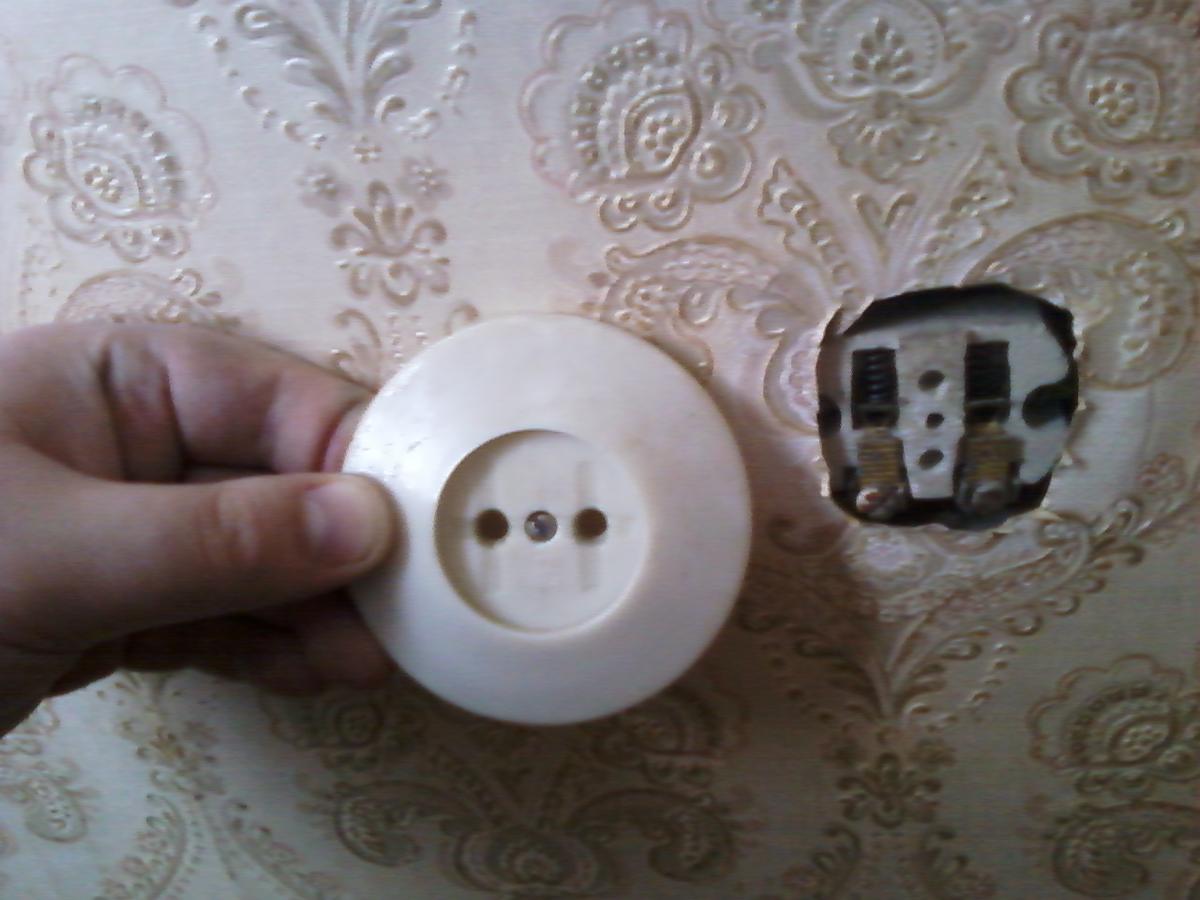

Voltage in United Arab Emirates is 230V and 50Hz
Check the Small Print on Every Charger You Own
Mains voltage across the Emirates is 230 volts, frequency 50 hertz. This matches the UK, Europe, Australia and most of Asia. It does not match North America, Japan or parts of the Caribbean, which run on 100 to 120 volts.
Inspect the label on every power brick and charger you own. A label that says 100-240V, 50/60Hz means the device is dual voltage. It will work in the UAE with nothing more than a plug adaptor. This covers modern laptop chargers, phone chargers, camera battery chargers and electric toothbrushes. A label that says 110-120V only means the device is single voltage. Plugging it directly into 230V will destroy it, sometimes with a visible pop and smoke.
Leave Single-Voltage Gear at Home
Single-voltage devices require a step-down transformer, which is heavy and rarely worth travelling with. Leave the hair straightener and electric razor that are not dual voltage at home. Buy a cheap dual-voltage travel hairdryer at any Carrefour in the UAE rather than risking the one from home.
| Traveller Origin | Plug Shape | Adapter Needed? | Voltage Converter Needed? | What To Actually Pack |
|---|---|---|---|---|
| UK, Ireland, Malta, Malaysia | Three rectangular pins (Type G) | No. Your plug fits directly. | No. Voltage matches. | Nothing extra. Bring your normal chargers. |
| Europe (excluding UK), South America, Africa | Two round pins (Type C, E, F) | Yes. Type C does not fit Type G. | No. Voltage matches at 220–240V. | A universal travel adaptor with Type G output. |
| North America, Japan, Taiwan | Two flat pins (Type A, B) | Yes. Flat pins do not fit Type G. | Yes, if your device is 110–120V only. No, if dual voltage. | A universal adaptor plus a dual-voltage device or a step-down transformer only for single-voltage items. |
| Australia, New Zealand, China | Two angled flat pins (Type I) | Yes. Type I does not fit Type G. | No. Voltage matches at 220–240V. | A universal travel adaptor with Type G output. |
USB Ports in Hotels and Airports Can Reduce What You Carry
Hotels: Newer Means USB-C, Older Means Bare Sockets
Most hotels in Dubai Marina, Downtown Dubai, Yas Island and Saadiyat Island have USB-A ports built into the bedside table or desk. Newer properties, particularly those opened after 2022, increasingly include USB-C ports. Do not assume this applies to older guesthouses in Deira, budget lodgings in Sharjah or serviced apartments in Al Ain. In those properties, you may find only bare Type G sockets.
Airports and Planes Are Better, But Not Universal
Airports are better served. Dubai International (DXB), Abu Dhabi International (AUH) and Sharjah (SHJ) all have charging stations with USB-A ports, and some include USB-C. On Emirates and Etihad aircraft, USB ports exist but vary by aircraft type and cabin class. Intercity buses operated by modern fleets often have USB charging; older coaches do not.
The failure case is a 2am arrival at a budget hotel in Ras Al Khaimah with a dying phone and no adaptor. Pack a USB-A to Type G adaptor or a small power bank. Both fit in your jacket pocket.
UAE Travel Adapter Needed for Most Visitors Except British
If you are from the UK, you need nothing. Your plugs are Type G, your voltage is 230V, your frequency is 50Hz. Every socket in the country accepts your hardware directly.
If you are from Europe, South America, Africa, Australia, New Zealand or China, you need a physical adaptor. Your plug shape does not match. Your voltage does match. A simple passive adaptor that changes the pin layout without converting electricity is all you need. Buy one before you fly from any electronics shop or at DXB arrivals.
If you are from North America or Japan, you need both an adaptor and a voltage check. Modern phone and laptop chargers are dual voltage. Hair dryers, curling irons and electric shavers often are not. Read the label. If it says 110-120V only, leave it at home. The cost of a step-down transformer plus the weight in your luggage is not worth one hair-straightening session.
A Practical Electronics Packing List for the UAE
Here is exactly what to put in your bag, by traveller type.
UK Travellers
Pack your normal chargers. Nothing extra needed. One power bank is useful for long desert drives or day trips to Al Ain and Liwa Oasis where car charging may not be available.
European, Australian and Asian Travellers
Pack one universal travel adaptor with Type G output. Do not pack a voltage converter. Pack a short USB-A to C cable for hotel USB ports. If you plan to take intercity buses between Dubai and Abu Dhabi or Ras Al Khaimah, pack a power bank. The bus journey takes over two hours and the charging ports on older buses cannot be relied upon.
North American Travellers
Pack a universal travel adaptor with Type G output. Pack only dual-voltage electronics. Check every label. If your hairdryer, straightener or electric shaver says 110-120V only, buy a dual-voltage travel version at home. Do not bring a step-down transformer. It weighs 1.5 kilos, takes up half your carry-on and adds a failure point. Pack a power bank rated at 10,000 mAh or higher. You will use it during day trips to Hatta, Jebel Jais and Fujairah where charging options are limited.
What Not To Pack
- A step-down transformer unless you absolutely need a specific single-voltage medical device.
- Bulky power strips with European or North American sockets. They will not fit the Type G wall outlet without an adaptor anyway.
- Your UK extension cord. It works but you will not need it unless you are travelling with four people sharing one hotel room.
The Single Thing That Most Often Goes Wrong
Visitors from the UK assume the voltage and frequency are the same everywhere and forget to check their devices for a 100-240V label. That is fine for UK visitors because 230V is 230V. But people arriving from North America often assume their hair tools are dual voltage when they are not. Or they assume a plug adaptor also converts voltage. It does not. A plug adaptor changes the shape of the pins. It does not change the electricity.
The other common mistake is underestimating the geographic spread of the UAE. Dubai and Abu Dhabi are 140 kilometres apart with no rail link. A taxi costs AED 250 to 350 and the bus takes over two hours. If you forget your adaptor in Abu Dhabi and your charger is in Dubai, you lose half a day to a commute. Carry a spare adaptor in your daypack. It saves three hours.
This setup suits UK visitors who want a plug-and-play experience, business travellers extending a trip, and families who want predictable resort holidays where everything works. It does not suit hardcore backpackers on a shoestring budget who arrive with a single European plug and no adaptor, or anyone who refuses to read the voltage label on their devices before plugging them in.
Common Questions
Can I use a UK plug in Dubai without an adapter?
Yes. The UAE uses the same Type G socket as the United Kingdom. Any device with a UK three-pin plug works directly.
What happens if I plug a 110V device into a 230V socket?
It will almost certainly be destroyed. Single-voltage devices designed for 110-120V will overheat and blow their internal fuse or transformer. Check the label before plugging anything in.
Does the UAE use the same voltage as Europe?
Broadly yes. Europe uses 220-240V at 50Hz. The UAE uses 230V at 50Hz. The difference is within normal tolerance. European devices do not need a voltage converter. They do need a plug adaptor because the European Schuko plug does not fit a Type G socket.
Do I need a voltage converter for my laptop in Dubai?
No. Almost every laptop charger made since 2010 is dual voltage, rated for 100-240V. You need only a plug adaptor to change the physical shape of the prongs.
Are USB ports common in UAE hotel rooms?
USB-A ports are common in mid-range and luxury hotels in Dubai, Abu Dhabi and Ras Al Khaimah. USB-C ports are increasing in premium properties built after 2022. Budget hotels and older guesthouses may have only bare wall sockets. Carry a small adaptor just in case.
Where can I buy a travel adapter at Dubai Airport?
At the arrivals hall in Terminal 1, Terminal 3 and the new Terminal A. Shops like WH Smith, Boots and electronics kiosks sell universal travel adaptors.
Does the UAE have any restrictions on using electronics?
WhatsApp voice and video calls are blocked. FaceTime, Skype and Snapchat calls also do not work without a VPN, and using a VPN is technically illegal. Text messaging and standard internet browsing are unaffected. Bring a local SIM from du or Etisalat, available at the airport with a passport.
Read next
-
 Staying connected in the United Arab Emirates with eSIM, local SIM, or roaming
How to get mobile data across the UAE with eSIM, local SIM from du or Etisalat, or roaming, and why WhatsApp calls stay blocked regardless.
Staying connected in the United Arab Emirates with eSIM, local SIM, or roaming
How to get mobile data across the UAE with eSIM, local SIM from du or Etisalat, or roaming, and why WhatsApp calls stay blocked regardless.
-
 Best Time to Visit the UAE and What Each Season Actually Does
The UAE's seasons explained honestly: when outdoor dining and desert activities are pleasant, when the summer heat becomes dangerous, and how Ramadan affects travel.
Best Time to Visit the UAE and What Each Season Actually Does
The UAE's seasons explained honestly: when outdoor dining and desert activities are pleasant, when the summer heat becomes dangerous, and how Ramadan affects travel.
-
 Getting Around the Emirates Without a Car
How to move between Dubai, Abu Dhabi, and the other emirates by bus, taxi, and ride-hailing app, and why there is no train network.
Getting Around the Emirates Without a Car
How to move between Dubai, Abu Dhabi, and the other emirates by bus, taxi, and ride-hailing app, and why there is no train network.
-
 UAE Visa Rules and Who Gets Entry on Arrival
Which nationalities get a UAE visa on arrival at Dubai or Abu Dhabi airports, who must apply in advance, and how the entry process actually works.
UAE Visa Rules and Who Gets Entry on Arrival
Which nationalities get a UAE visa on arrival at Dubai or Abu Dhabi airports, who must apply in advance, and how the entry process actually works.
-
 UAE Dirham, Cards and Where Cash Still Wins
How the UAE dirham works, where cards dominate in Dubai and Abu Dhabi, and the specific situations where you still need cash.
UAE Dirham, Cards and Where Cash Still Wins
How the UAE dirham works, where cards dominate in Dubai and Abu Dhabi, and the specific situations where you still need cash.
-
 UAE Safety Advice Without the Hype
Genuine safety concerns in the UAE: strict laws on photography, alcohol, and public behaviour, not violent crime, are what visitors need to understand.
UAE Safety Advice Without the Hype
Genuine safety concerns in the UAE: strict laws on photography, alcohol, and public behaviour, not violent crime, are what visitors need to understand.
-
 A Ground-Level Logistics Guide to Independent Travel in China
First-time independent travel in China: what you need to know about visas, rail booking, eSIMs, mobile payments, and power adapters.
A Ground-Level Logistics Guide to Independent Travel in China
First-time independent travel in China: what you need to know about visas, rail booking, eSIMs, mobile payments, and power adapters.
-
 How Solo Travelers Stay Ahead of Flight Delays and Cancellations
How solo travelers can track inbound aircraft, claim rebooking rights, and adjust ground transport when flights go wrong — step by step.
How Solo Travelers Stay Ahead of Flight Delays and Cancellations
How solo travelers can track inbound aircraft, claim rebooking rights, and adjust ground transport when flights go wrong — step by step.
-
 Why Your eSIM Might Not Work Abroad and How to Check Before You Go
Buying an eSIM doesn't guarantee signal abroad. Learn why coverage fails by location and how to verify reach before you commit to a plan.
Why Your eSIM Might Not Work Abroad and How to Check Before You Go
Buying an eSIM doesn't guarantee signal abroad. Learn why coverage fails by location and how to verify reach before you commit to a plan.