Your Slovakia eSIM for Travel and Local SIM Choices Explained
A practical comparison of eSIM and local Slovak SIM cards for travellers, including coverage gaps in the High Tatras and rural areas.
Slovakia ESIM for Travel vs a Local SIM Card: the Tradeoff You Need to See
You can buy a Slovakia eSIM for travel before you leave home and have data the moment you land at the capital's airport. That convenience costs more per gigabyte than a local SIM, and it does not give you a local phone number. A Slovak SIM from Orange, Telekom or O2 costs under €10 for a month of data and works with rural bus apps that sometimes require a local number for registration. The tradeoff is time: you have to find a shop, show your passport and wait for activation. The real question is not which is better. It is where your trip takes you and what happens when the signal drops.
Why Data Matters More in Slovakia Than You Expect
Slovakia is a compact, forested country that feels slower and more rural than its Central European neighbours. Public transport outside the main Bratislava Žilina Košice corridor is less intuitive than most visitors assume. English coverage thins once you leave tourist hubs. You will rely on your phone for two things that a paper map cannot do well: checking bus timetables on regional carriers and navigating trails in the mountains.
Buses And Trails Demand A Signal
Regional buses fill most gaps between train lines, but many small stations have no working ticket machine, and on many routes you pay the driver in cash. The bus app for a given region may require a local number to register. Without it, you are guessing departure times from a PDF timetable posted at a shelter. In the High Tatras and Slovak Paradise, trail navigation apps loaded with offline maps work until the phone loses signal in a deep valley, which it will. Having data that actually works in those spots is not a luxury. It is how you avoid missing the last bus out of a gorge.

Slovakia Local SIM Card: What You Get and What You Give Up
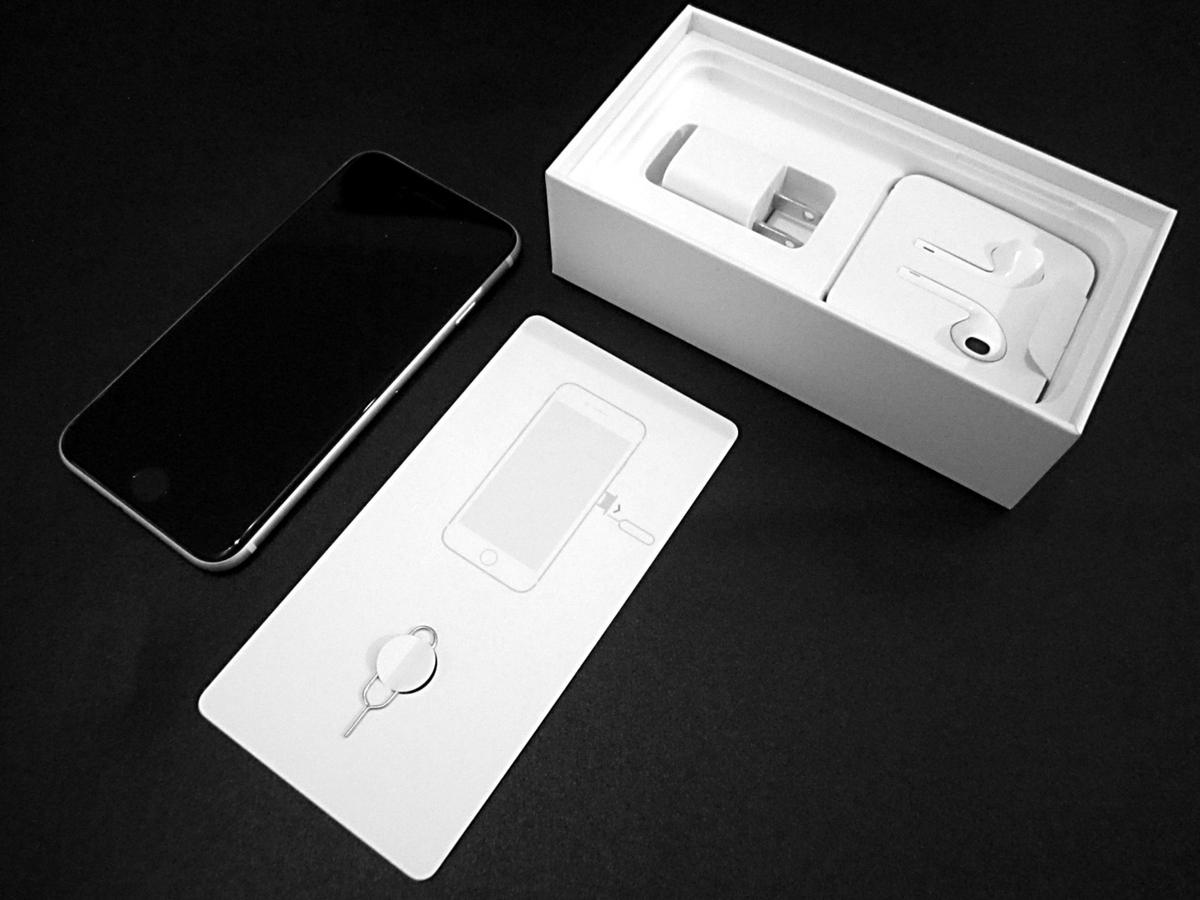
A Slovakia local SIM card from one of the three major networks Orange, Slovak Telekom or O2 gives you the best value per gigabyte and a real Slovak phone number. That number matters for registering on bus booking platforms and for two factor authentication if you need to access banking or booking sites on the go. The cost is low: prepaid data packages run roughly €10 to €15 for 30 days with 10 to 20 GB.
Registration And Where To Buy
The downside is the hassle. You need your passport or national ID. Registration is handled by the mobile networks under Act No. 351/2011 Coll. on electronic communications. You cannot buy one at a vending machine. You find local SIM purchase locations at network stores, post offices, supermarkets, petrol stations, newsagents and airports. At the capital's airport you can stop at an Orange or Telekom shop in the arrivals hall. Allow 15 minutes for the process. Activation can take another hour. If you arrive late at night or on a Sunday, many small shops are closed. The airport store in the capital keeps longer hours, but if you transit through Vienna Airport and take the bus to Bratislava, you will not pass a Slovak carrier until you reach the city.
Orange Slovakia Tourist SIM: the Strongest Local Option
Orange Slovakia tourist SIM is the most widely available prepaid product for visitors. Orange has the best overall coverage in the country, including the deepest reach into mountain valleys of any provider. Their tourist pack usually includes data, some local call minutes, and a flat fee with no contract. You buy it at Orange stores, selected newsagents, and the airport shop in the capital.
What the tourist SIM does not have is the lowest price. Telekom and O2 often undercut Orange on data only packages by a few euros. If you only need data and do not care about the local number, those cheaper packs work fine. But if your trip includes significant time in the Tatras or Slovak Paradise, Orange is the safer bet for signal retention.
Slovakia Mobile Data Coverage: Where it Works and Where it Fails
4G and 5G cover towns and most valleys well. 5G availability is limited to urban areas and selected corridors, not nationwide. In Bratislava, Košice, Žilina and the main resort villages you will have fast data. The problems start when you leave the valley floor.
Dead Zones In The Mountains
Coverage drops in mountain valleys in the High Tatras, Low Tatras, Slovak Paradise, Malá Fatra, Veľká Fatra, Slovenský kras and Muránska planina. Remote sections of Poloniny National Park near the Ukrainian and Polish borders have almost nothing. Some deep river valleys in the Slovenský raj gorges lose signal entirely. Border forests along the Ukrainian and Polish frontiers are dead zones. If you hike the ladder routes in Slovak Paradise National Park, your phone will be useless for navigation from the moment you enter the gorge floor until you climb back out.
Download Before You Hike
The practical workaround is to download offline maps for the entire region you plan to hike before you leave your accommodation. Google Maps allows offline download for a square of territory. Mapy.cz has detailed hiking trails for all Slovak national parks and works offline. Download both. Do not assume you can stream a trail map while standing on a ridge. The weather changes fast in the mountains, and day hikers regularly start in sun and meet sleet above 1,500 metres. You do not want to be navigating a white out with no signal.

Bratislava Airport SIM: Should You Buy at Arrival or Wait
The capital's airport has an Orange store and a Telekom store in the arrivals area. Both sell prepaid SIMs with tourist data packs. If you buy here you skip the need to find a shop later in town. The downside is limited opening hours. If your flight lands after 20:00 or on a public holiday, the stores are closed, and you will need to buy a SIM the next day from a post office or supermarket.
Arriving Via Vienna Or Košice
If you arrive at Vienna Airport and take the direct bus to Bratislava (45 to 60 minutes, roughly €10 to €13), you do not pass a Slovak carrier until you reach the capital's main bus station or the city centre. Buy your SIM at a downtown Orange store or at the main railway station instead. The cost and pack options are identical to the airport.
For arrivals at Košice Airport, bus 23 reaches the centre in 15 to 20 minutes, and you will find network stores near the main square. Poprad Tatry Airport has limited seasonal flights and no major network store in the terminal. Buy your SIM in Poprad town centre, a 10 to 15 minute taxi ride away.
The One Thing to Do Before You Arrive
Download offline maps for every region you plan to visit. Mapy.cz covers all Slovak national park trails and works without signal. Download the bus schedules for the Spiš region and the Tatras as PDFs from the carrier websites. Carry a power bank. Mountain weather changes fast, and finding a cafe with an outlet to charge mid hike is not guaranteed. Public toilets are scarce outside malls and major stations, and often coin operated, so keep small change on you.
If you plan to use a local SIM, buy it at the capital's airport during shop hours. If your flight lands late, buy it the next morning at a post office. If you plan to use an eSIM, install it before you leave and confirm activation on wifi at home. Do not wait until you are on the airport bus. The registration process for a physical SIM is fast but requires your passport and a few minutes of patience. For most travellers, the best setup is an eSIM for immediate data on arrival and a local Orange SIM for the rural bus apps and deeper coverage in the mountains. That is two connections for under €25 total, and it covers every situation this small, rewarding country can throw at you.
Common Questions
Do I need to register my eSIM with a passport in Slovakia?
No. An eSIM purchased from an international provider before travel does not require local registration. Only physical SIM cards bought inside Slovakia from Orange, Telekom, O2 or 4ka require passport or national ID under Act No. 351/2011 Coll.
Which Slovak mobile network has the best mountain coverage?
Orange Slovensko has the widest reach into mountain valleys in the High Tatras, Low Tatras and Slovak Paradise. Telekom is close behind. O2 and 4ka have weaker coverage in remote national park areas.
Can I use Uber or Bolt to get around outside Bratislava?
Uber and Bolt operate reliably in Bratislava and Košice. Outside those two cities, availability is limited to very few cars or none at all. Rely on local buses and trains for regional travel.
What happens if I run out of data on a Slovak prepaid SIM?
You can top up at any network store, post office, petrol station or supermarket, or online through the network's app. Most tourist packs include auto top up options. Keep cash for rural top ups where card terminals may be down.
Does an eSIM give me a Slovak phone number?
Most travel eSIMs provide data only and do not assign a local Slovak number. If you need a local number to register for bus apps or two factor authentication, buy a physical SIM from a local network.
Read next
-

 Best Time to Visit Slovakia by Season and Mountain Access
Slovakia's best months depend on whether you want open High Tatras trails, quiet spa towns, or Bratislava Christmas markets.
Best Time to Visit Slovakia by Season and Mountain Access
Slovakia's best months depend on whether you want open High Tatras trails, quiet spa towns, or Bratislava Christmas markets.
-
 Getting Around Slovakia by Train Bus and the Gaps Between
Slovak trains link major towns well, but regional buses fill the gaps and mountain routes take longer than the map suggests.
Getting Around Slovakia by Train Bus and the Gaps Between
Slovak trains link major towns well, but regional buses fill the gaps and mountain routes take longer than the map suggests.
-
 Slovakia Visa Requirements and the Schengen Entry Process
Slovakia is in Schengen, so entry rules follow the common visa system, but Vienna Airport is often the actual arrival point.
Slovakia Visa Requirements and the Schengen Entry Process
Slovakia is in Schengen, so entry rules follow the common visa system, but Vienna Airport is often the actual arrival point.
-
 Using Euros and Cards in Slovakia Without Getting Caught Out
Slovakia uses the euro, but rural pensions, mountain huts and small bus desks still expect cash, especially outside Bratislava.
Using Euros and Cards in Slovakia Without Getting Caught Out
Slovakia uses the euro, but rural pensions, mountain huts and small bus desks still expect cash, especially outside Bratislava.
-
 Slovakia Safety Advice Read Without the Usual Overstatement
Slovakia is broadly safe, but mountain weather changes fast and trails above 1,500 metres demand more caution than city streets.
Slovakia Safety Advice Read Without the Usual Overstatement
Slovakia is broadly safe, but mountain weather changes fast and trails above 1,500 metres demand more caution than city streets.
-
 What Slovakia Costs for a Realistic Trip
How to plan a realistic Slovakia travel budget by region, season, and travel style, from Bratislava to the High Tatras.
What Slovakia Costs for a Realistic Trip
How to plan a realistic Slovakia travel budget by region, season, and travel style, from Bratislava to the High Tatras.
-
 A Ground-Level Logistics Guide to Independent Travel in China
First-time independent travel in China: what you need to know about visas, rail booking, eSIMs, mobile payments, and power adapters.
A Ground-Level Logistics Guide to Independent Travel in China
First-time independent travel in China: what you need to know about visas, rail booking, eSIMs, mobile payments, and power adapters.
-
 How Solo Travelers Stay Ahead of Flight Delays and Cancellations
How solo travelers can track inbound aircraft, claim rebooking rights, and adjust ground transport when flights go wrong — step by step.
How Solo Travelers Stay Ahead of Flight Delays and Cancellations
How solo travelers can track inbound aircraft, claim rebooking rights, and adjust ground transport when flights go wrong — step by step.
-
 Why Your eSIM Might Not Work Abroad and How to Check Before You Go
Buying an eSIM doesn't guarantee signal abroad. Learn why coverage fails by location and how to verify reach before you commit to a plan.
Why Your eSIM Might Not Work Abroad and How to Check Before You Go
Buying an eSIM doesn't guarantee signal abroad. Learn why coverage fails by location and how to verify reach before you commit to a plan.