Your Switzerland Trip Cost Breakdown Without the Surprises
Understand Switzerland's real trip costs, from CHF 12 kebabs to CHF 210 mountain railways, and the structural reasons behind the prices.
A Realistic Guide to Switzerland Trip Costs and Budget Planning
The common assumption is that Switzerland is expensive because everything is marked up for tourists. That is wrong. High Swiss wages, a strong franc, and a geography that makes moving goods and building infrastructure punishingly costly set the floor. A kebab costs CHF 12-14 not because you are a visitor but because the person making it earns a living wage and the rent on that shop front is tied to the same economy. What you spend per day is a choice between that floor and the premium you add on top. Here is where the money goes, what you cannot avoid, and what you can skip.
Swiss Budget Travel Tips: the Cost Floor Versus the Inflators
For a budget traveller, accommodation is the largest cost component. Food comes second. For a mid-range traveller, accommodation still tops the list, but transport replaces food as the second-largest line item. Mid-range daily spending runs roughly 2.5 to 3 times a budget day. The sharpest divergence is accommodation type, dormitory or hostel versus a private room in a 3-star hotel, and dining, supermarket picnic versus a sit-down main course.
Budget Accommodation Options
Hostel dormitory beds are the baseline. Swiss Alpine Club hut dormitories are cheaper and put you higher up, but you need a sleeping bag liner and breakfast is often included. Campground pitches work from June through September. Farm stays called Schlaf im Stroh, sleeping in straw, are the cheapest roof over your head outside a tent. They run CHF 25-35 per person per night with breakfast. Book through the Schlaf im Stroh association directly, not through a hotel aggregator.
Mid-Range Accommodation Options
A 3-star hotel double room or a private room in a Gasthaus runs roughly 2.5 to 3 times what a dorm bed costs. Holiday apartments rented by the week lower the per-night rate if you are staying put. Regional variation matters: Grisons, Zermatt, and the Bernese Oberland are the most expensive regions for lodging. Ticino and the Jura are the cheapest. The city tax, or Kurtaxe, adds CHF 2.00-7.50 per person per night on top of your room rate. It covers local services and often gives you a guest card with free bus rides in that town.
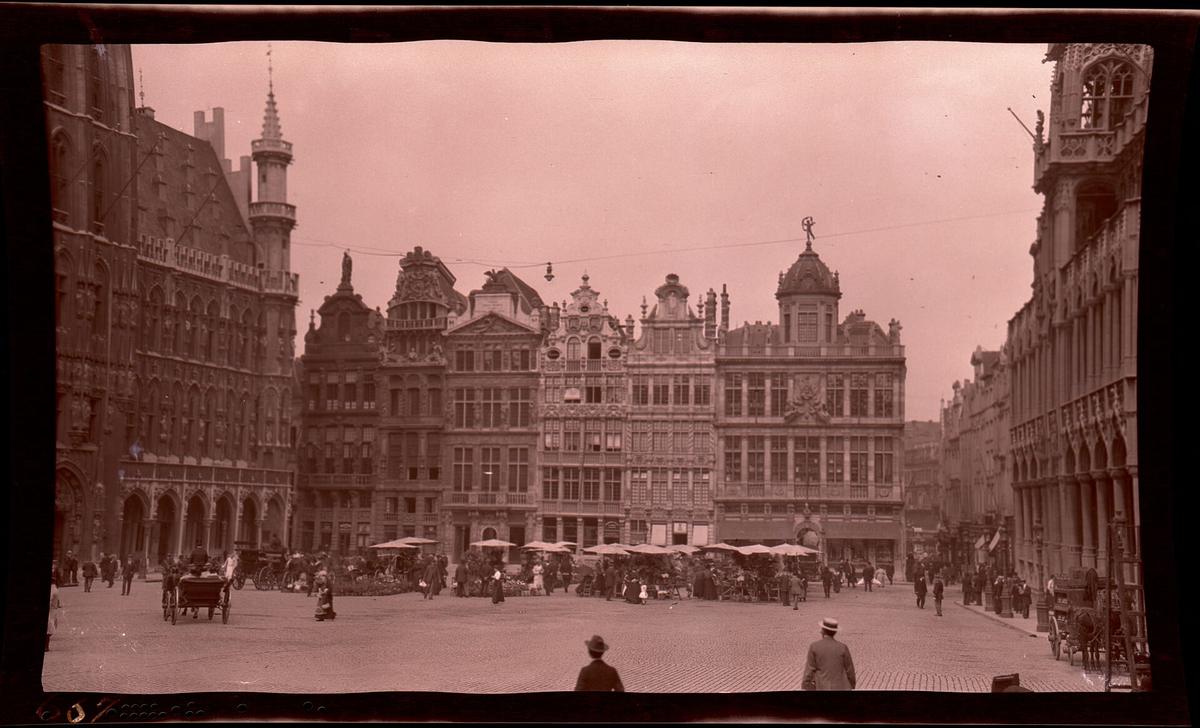

Switzerland Daily Expenses: What You Actually Pay
Tap water is free and safe everywhere. In a restaurant you must request it: say Hahnenwasser in German or eau du robinet in French. The restaurant will bring it. If you do not specify, you get a charged bottle of mineral water. Public drinking fountains in cities and villages are potable unless marked Kein Trinkwasser.
Supermarket Strategy: Coop and Migros
The two dominant supermarket chains are Coop and Migros. Their pricing is broadly comparable. Aldi, Lidl, and Denner are discount alternatives. The hot-food counter and pre-made salad section at any Coop or Migros is your cheapest cooked meal. A full picnic, bread, cheese, fruit, a piece of the supermarket's own-brand chocolate, a bottle of Rivella, costs under CHF 10. Those same ingredients, bought as components of a main course in a restaurant, cost approximately 2.5 to 3 times as much. The lunch menu, or Tagesmenü, served 11:30 to 14:00 on weekdays, is the cheapest sit-down hot meal you will find. Dinner a la carte is where the budget bleeds.
Unexpectedly Expensive And Cheap Items
The unexpectedly expensive items: point-to-point full-fare train tickets bought at the window, coffee and soft drinks in cafés, laundry services in hotels, and parking in city centres. The unexpectedly cheap items: supermarket own-brand chocolate and muesli, local wine compared to imported wine, hiking trail access (no fee, 65,000 km of marked trails), swimming in lakes at public access points (no fee), and tap water.
Swiss Travel Pass Value: When it Pays and When it Does Not
The Swiss Travel Pass gives you unlimited consecutive-day travel on the national rail, bus, and boat network. It includes free city transport in most towns and free or 50 per cent off mountain railways and cable cars. For a multi-city itinerary of seven days or more, it is almost essential. The main trip-up: the pass covers most scenic routes but not seat reservations, which are mandatory on the Glacier Express and Bernina Express and sell out weeks ahead. Book your reservation separately and early.
The alternative structures: the Swiss Half Fare Card gives 50 per cent off most rail, bus, boat, and mountain railways for one month. It works best if you are staying in one region and taking fewer long hauls. Saver Day Passes are priced in advance by demand; the earlier you buy, the cheaper they are, but they are limited in quantity and sell fastest on peak-season Fridays and Sundays. Supersaver tickets are route-specific, advance-purchase, non-refundable deals. The worst option, and the one that can single-handedly blow a budget, is a point-to-point full-fare ticket bought on the day. Never buy at the window without checking the SBB Mobile app first for a Supersaver or Saver Day Pass alternative.
Mountain Railway Costs With And Without The Pass
The Jungfrau Railway, from Kleine Scheidegg to Jungfraujoch, is the most expensive per-kilometre railway in the country. Its return ticket is over CHF 210. With a Swiss Travel Pass you get 25 per cent off that, not 50 per cent. The Gornergrat Railway near Zermatt gives a 50 per cent discount with the pass. Mount Rigi, which you can reach by cogwheel from Vitznau or Arth-Goldau, is completely free with the Swiss Travel Pass. Always check the specific discount for each line on the SBB app before deciding which pass to buy. A pass that covers your mountain plans might be a different product than the one that covers your long-distance rail days.
Common Mistakes That Inflate a Swiss Budget
The most common mistake: trying to cover the whole country in four or five days by staying in a different town each night. That burns half the trip in transit and leaves no margin for mountain weather, which frequently blocks the very views you came for. Plan for a minimum of seven days and base yourself in two or three regions, not seven.
Another avoidable cost: booking a hotel in a city without checking whether a cheaper room in a valley town with a 20-minute train ride serves the same itinerary. The daily transport pass for that zone of the city costs under CHF 10, and the room might cost half what it does in the city centre.
The failure case for the Swiss Travel Pass: arriving in peak season without a seat reservation for the Glacier Express, then discovering the only seats left cost an extra CHF 49 for a first-class upgrade you did not need, or that the 14:30 train is sold out and the next available departure is at 16:45, which puts you into St. Moritz after the shops close at 18:30. Book the reservation as soon as your travel dates are fixed.
What to do next: open the SBB Mobile app and check the Saver Day Pass price for the first full day of your itinerary. If it is under CHF 50, buy it immediately. If it is over CHF 80, your trip length probably justifies the Swiss Travel Pass instead. That one comparison, done before you book anything else, determines the shape of your entire budget.
Frequently Asked Questions
Can I visit Switzerland on CHF 100 per day?
Yes, if you stay in a hostel dormitory or a mountain hut, cook all your meals from a Coop or Migros supermarket, drink tap water, and do not buy any point-to-point full-fare train tickets. That CHF 100 goes to a dorm bed (CHF 35-50), two supermarket meals (CHF 15 total), a Saver Day Pass bought in advance (CHF 30-40), and coffee from a vending machine. No mountain excursions, no restaurant dinner, no gondola lift. That is the cost floor.
Is the Swiss Travel Pass worth it for five days?
It depends on your route. A five-day consecutive Swiss Travel Pass costs around CHF 390 in second class (2024 rate; prices adjust annually). If your five days include two long-distance train legs of three hours each, a boat ride on Lake Lucerne, a trip to the top of Rigi, and city tram rides, the pass pays for itself. If you are staying in one region and taking only short local trains, a Half Fare Card plus Saver Day Passes is cheaper.
How much does a typical restaurant meal cost in Switzerland?
A main course in a mid-range restaurant costs CHF 28-42. A lunch menu, the Tagesmenü, costs CHF 18-25 and is served only 11:30-14:00 on weekdays. A kebab costs CHF 12-14. A cappuccino costs CHF 4.50-6. A 0.5 litre beer costs CHF 6-8. The service charge is included by law; no mandatory tip, but rounding up to the nearest franc is customary.
What is the cheapest way to get from Zurich Airport to the city centre?
The train from Zurich Airport (ZRH) to Zurich Hauptbahnhof takes 10 minutes and costs CHF 6.80. Do not take a taxi; the fare is CHF 50-70. The tram also runs, but it takes 25 minutes. The train is faster and cheaper than any other option.
Are credit cards accepted everywhere in Switzerland?
Contactless card and mobile payment are near-universal in urban areas, restaurants, and supermarkets. Cash is still required at some mountain huts, small farm shops, and remote village bakeries. Always carry CHF 50-100 in cash for those situations. Euros are sometimes accepted in tourist zones but change is given in francs at an unfavourable rate.
Read next
-
 Staying Connected in Switzerland With eSIM, Local SIM, or Roaming
Compare eSIM, local Swisscom or Salt SIM, and roaming for reliable mobile data across Swiss cities and high Alpine valleys.
Staying Connected in Switzerland With eSIM, Local SIM, or Roaming
Compare eSIM, local Swisscom or Salt SIM, and roaming for reliable mobile data across Swiss cities and high Alpine valleys.
-
 When to Visit Switzerland and What Each Season Actually Delivers
July and August deliver reliable high-alpine hiking at peak hotel rates. Mid-April to early June brings lift closures, mud, and snow-blocked passes.
When to Visit Switzerland and What Each Season Actually Delivers
July and August deliver reliable high-alpine hiking at peak hotel rates. Mid-April to early June brings lift closures, mud, and snow-blocked passes.
-
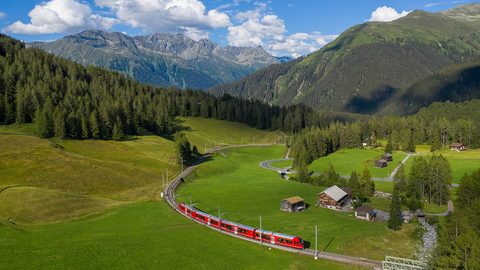 Swiss Travel System Explained and What the Map Oversells
The Swiss Travel Pass covers most trains, buses, and boats, but not mandatory seat reservations on the Glacier Express and Bernina Express, which sell out in
Swiss Travel System Explained and What the Map Oversells
The Swiss Travel Pass covers most trains, buses, and boats, but not mandatory seat reservations on the Glacier Express and Bernina Express, which sell out in
-
 Switzerland Visa Rules for Schengen Travelers and Everyone Else
Switzerland is in Schengen but not the EU. Visa requirements depend on your passport, and the application process involves cantonal immigration offices.
Switzerland Visa Rules for Schengen Travelers and Everyone Else
Switzerland is in Schengen but not the EU. Visa requirements depend on your passport, and the application process involves cantonal immigration offices.
-
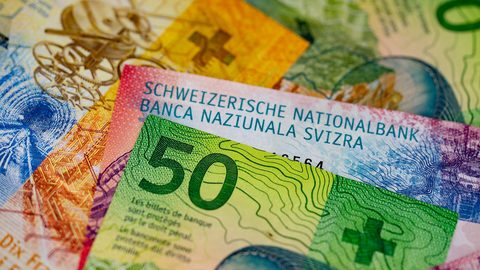 Swiss Francs, Card Payments and Where Cash Still Wins in Switzerland
Switzerland uses the Swiss franc, not the euro. Cards work almost everywhere in cities, but mountain huts and small vendors often demand cash.
Swiss Francs, Card Payments and Where Cash Still Wins in Switzerland
Switzerland uses the Swiss franc, not the euro. Cards work almost everywhere in cities, but mountain huts and small vendors often demand cash.
-
 Switzerland Safety Advice Without the Hype
The train from Zurich Airport to Zurich HB takes 10 minutes. A one-way second-class ticket costs a few francs, set by SBB and updated on their website.
Switzerland Safety Advice Without the Hype
The train from Zurich Airport to Zurich HB takes 10 minutes. A one-way second-class ticket costs a few francs, set by SBB and updated on their website.
-
 A Ground-Level Logistics Guide to Independent Travel in China
First-time independent travel in China: what you need to know about visas, rail booking, eSIMs, mobile payments, and power adapters.
A Ground-Level Logistics Guide to Independent Travel in China
First-time independent travel in China: what you need to know about visas, rail booking, eSIMs, mobile payments, and power adapters.
-
 How Solo Travelers Stay Ahead of Flight Delays and Cancellations
How solo travelers can track inbound aircraft, claim rebooking rights, and adjust ground transport when flights go wrong — step by step.
How Solo Travelers Stay Ahead of Flight Delays and Cancellations
How solo travelers can track inbound aircraft, claim rebooking rights, and adjust ground transport when flights go wrong — step by step.
-
 Why Your eSIM Might Not Work Abroad and How to Check Before You Go
Buying an eSIM doesn't guarantee signal abroad. Learn why coverage fails by location and how to verify reach before you commit to a plan.
Why Your eSIM Might Not Work Abroad and How to Check Before You Go
Buying an eSIM doesn't guarantee signal abroad. Learn why coverage fails by location and how to verify reach before you commit to a plan.