What You Need to Know Before Planning a Trip to Thailand
Plan a Thailand trip that works with two monsoons hitting opposite coasts at different times.
- Flag
-

- ISO code
- TH
- Population
- 69,428,524
- Currency
- THB
- Dial code
- +66
What You Need to Know Before Planning a Trip to Thailand
The two monsoon seasons that hit opposite coasts of Thailand at opposite times are the single most useful fact for planning a trip here. Ignore them and you book a beach holiday during the one window when the sea is unsafe for swimming. Respect them and the structural logic of a coherent ten-day itinerary clicks into place, without spending half your trip in transit. This Thailand travel guide exists to sell you that logic, not to list every temple or beach. The goal is a plan that holds up under 35°C humidity and relentless tourist hustles, not a sweaty airport tour.
Thailand rewards patience. The blazing heat, the orchestrated chaos of Bangkok, and the genuine warmth of its people coexist with transactional interactions and seedy pockets that persist in every major hub. First-timers underestimate the sheer physical exhaustion of temple-hopping in that humidity and the emotional whiplash between serene rice paddies and Patong's brash nightlife. A well-structured itinerary absorbs those shocks. A badly structured one amplifies them.
You need at least ten days. Anything less burns two days in transit for a single region. With three distinct stops you grasp the country's geographic and cultural range. With two stops you see airports.
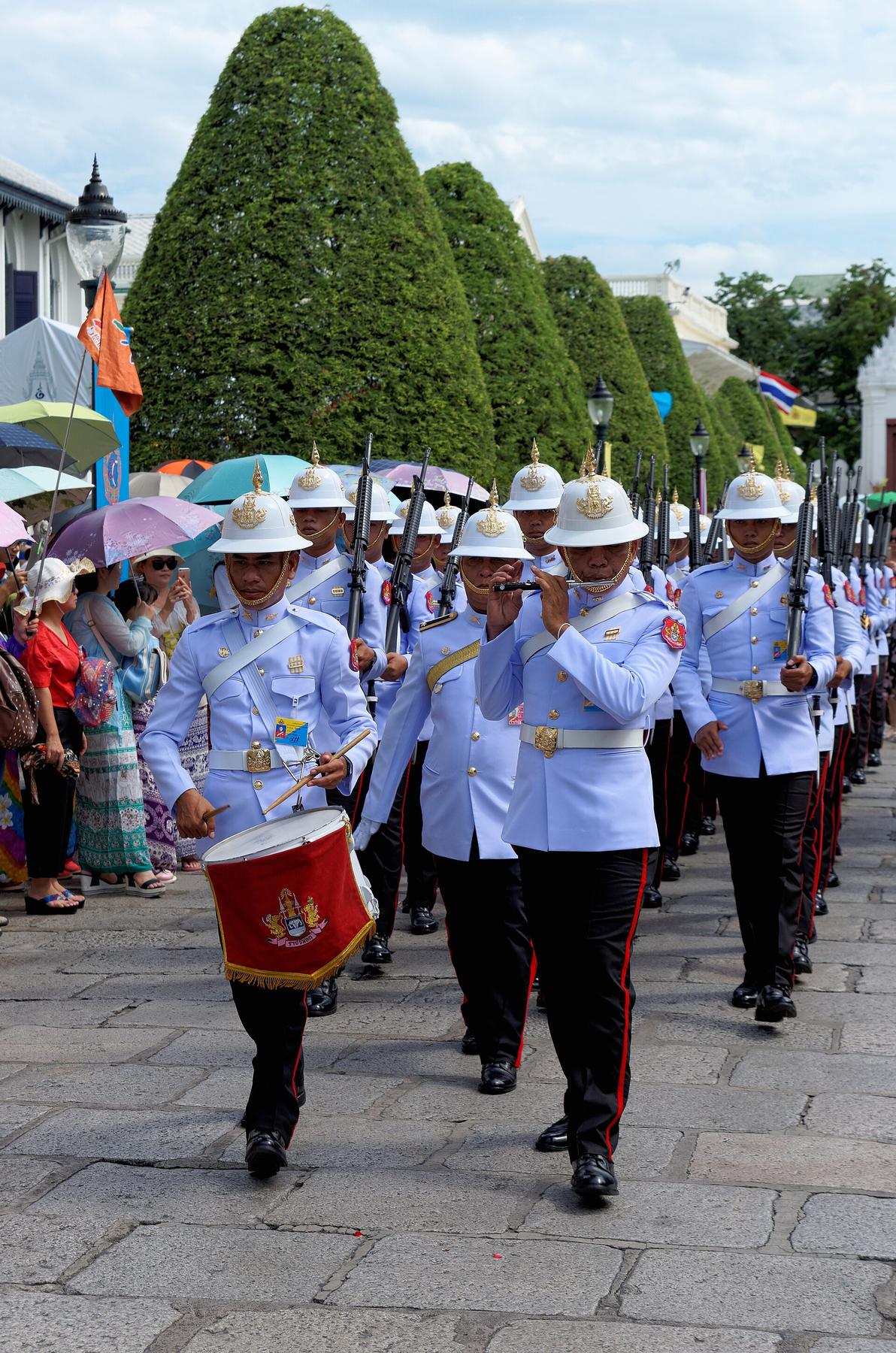

- Entry Authority: Government of Thailand, Ministry of Foreign Affairs
- Visa Exempt Entry (Air): Up to 30 days for approximately 64 nationalities, published by the Ministry of Foreign Affairs. Rate is revised annually. Verify the current list before booking.
- Visa Exempt Entry (Land Border): Up to 15 days for most eligible nationalities.
- Visa On Arrival: Up to 15 days for approximately 19 nationalities, published by the Ministry of Foreign Affairs.
- Passport Validity: At least 6 months beyond your date of entry.
- Proof of Onward Travel: May be required by your airline at check-in; not uniformly checked by immigration.
- Capital: Bangkok (Krung Thep Maha Nakhon)
- Currency: Thai Baht (THB). 1 baht = 100 satang.
- Time Zone: Indochina Time (ICT), UTC+7
- Driving Side: Left
- Emergency Numbers: Police 191, Ambulance 1669, Fire 199, Tourist Police 1155
- Tap Water: Not potable anywhere in the country.
- Burning Season: February to April. Northern Thailand, especially Chiang Mai, experiences hazardous PM2.5 levels and often ranks as the world's most polluted city.
- Government Travel Advisories: The United Kingdom Foreign, Commonwealth & Development Office, the United States Department of State, and the Australian Department of Foreign Affairs and Trade each publish annual travel advisories for Thailand. Check the one relevant to your citizenship.
Thailand Travel Guide: Three Distinct Trip Frameworks
Your itinerary choice is a coast choice, and your coast choice is a monsoon choice. The country splits into three coherent loops, each with a logic that connects stops rather than forcing you to cross the country twice.
The Bangkok And North Loop
Base yourself in the capital for three days, then move north to Chiang Mai for four to five days. Use Chiang Mai as a hub for Doi Inthanon, Doi Suthep, and the mountain valleys. Add Pai if you want backpacker reggae bars and hot springs. This loop avoids the southern coasts entirely, so you can travel during either rainy season without losing a beach. The primary constraint here is the burning season from February to April, which makes outdoor exploration in the north miserable. Book this loop between November and February or in the July-to-October rains if you are willing to trade clear skies for fewer crowds.
Getting around the north requires patience. Google Maps drastically underestimates travel time. A 200-kilometre drive in Mae Hong Son takes four-plus hours due to 1,864 curves. Book VIP buses for intercity routes and low-cost airlines like AirAsia or Nok Air for the capital-to-Chiang Mai leg.
The Andaman Coast Circuit
Fly into Phuket or Krabi, then move south along the coast by road and ferry. This circuit runs from Phuket via Krabi province, Railay's climbing walls, and the Phi Phi islands, with potential day trips to Phang Nga Bay and the Similan Islands. The southwest rains rule this region, bringing high rainfall and rough seas from approximately May through October. Book the Andaman circuit only between November and April. The Similan Islands close entirely from mid-October to mid-May, so verify access before committing.
Boat transfer times from mainland piers to island accommodations are longer than the distance suggests. A ferry from Phuket to Phi Phi takes two hours in calm seas and can stretch to three in a chop. Do not schedule a same-day flight connection after a ferry arrival.
The Gulf Islands Hop
Fly to Samui or to Surat Thani and take the overland-plus-ferry transit to Ko Samui, Ko Pha Ngan, or Ko Tao. The northeast rains affect the Gulf coast, bringing high rainfall and rough seas from approximately November through January. That means these islands are at their best from February through October. The Full Moon Party on Ko Pha Ngan draws thousands, which drives up accommodation prices and makes roads dangerous. Avoid the week around the party if you want quiet, and avoid coastal roads in Samui during heavy rain when flash flooding turns them into rivers.
From Surat Thani airport, the combined overland and ferry transit to Ko Tao consumes most of a day. Budget for it. Fly directly into Samui if you want to minimise transfer time, and accept the premium fare for the convenience.
When to Visit Thailand: Two Monsoons, One Decision
The peak season runs from November to February, when the northeast monsoon brings dry, cooler air with temperatures between 25°C and 30°C. This makes outdoor exploration bearable in the capital and the north. It also coincides with Western winter holidays, which drive up flight and accommodation prices by 50 to 100 percent. Book everything four months ahead if you travel during this window.
The planning fact most itineraries miss is simple: the two coasts have opposing dry and wet seasons. When the Andaman coast endures the southwest rains from May through October, the Gulf coast sits in its dry season. When the Gulf coast gets hit by the northeast rains from November through January, the Andaman coast is at its best. If you want a beach holiday in June, go to Ko Samui, not Phuket. If you want a beach holiday in December, go to Krabi, not Ko Tao. That one decision eliminates half the bad hotel bookings.
Divide the year into three windows. The cool season from November through February works for any region but costs more. The hot season from March through May is punishing in the north and central plains, with temperatures that make temple-hopping exhausting. The green season from June through October brings regional variation: the Gulf coast stays swimmable, the Andaman coast does not, and the north sees heavy but short afternoon showers that clear the humidity.
| Coast | Monsoon | Months | Travel Status |
|---|---|---|---|
| Andaman Coast (Phuket, Krabi, Phi Phi, Similan) | Southwest Monsoon | May to October | Rough seas, beach closures, avoid for swimming |
| Andaman Coast (Phuket, Krabi, Phi Phi, Similan) | Dry Season | November to April | Calm seas, ideal for swimming and diving |
| Gulf Coast (Ko Samui, Ko Pha Ngan, Ko Tao) | Northeast Monsoon | November to January | High rainfall, rough seas, avoid for swimming |
| Gulf Coast (Ko Samui, Ko Pha Ngan, Ko Tao) | Dry Season | February to October | Calmer seas, good for swimming most months |
| Northern Hills (Chiang Mai, Pai) | Burning Season | February to April | Hazardous PM2.5 air quality, avoid |
| Northern Hills (Chiang Mai, Pai) | Cool Season | November to February | Best temperatures for outdoor activity |


First Trip to Thailand: the Ten Day Coherence Rule
A ten-day trip with three stops beats a seven-day trip with four stops every time. The common mistake is trying to cover the capital, Chiang Mai, and a southern island in a single week. Domestic flights are short, but ground transfers to islands consume half a day each. That itinerary guarantees you see more airports than actual Thailand.
The Minimum Viable Plan
Days one through three: the capital. Use the Airport Rail Link from Suvarnabhumi to Phaya Thai in 30 minutes for 45 THB. From Don Mueang, take the SRT Red Line to Bang Sue Grand Station. Do not use a metered taxi during peak hours; traffic jams for hours and will destroy your first day. Days three through six: Chiang Mai. Fly from the capital to Chiang Mai International Airport on AirAsia or Nok Air. Use songthaews in town for 30 THB per ride. Do not rent a motorbike unless you have experience with left-side driving and steep mountain curves. Days six through ten: the coast. Choose either the Andaman circuit or the Gulf islands based on the monsoon window above. Fly from Chiang Mai to Phuket or Samui. Do not take the overnight bus; it saves money but costs you a day of recovery.
Alternate Routes For Different Travellers
For first-timers seeking a soft landing with robust infrastructure, this route delivers. For beach hedonists who want nightlife as much as sand, replace Chiang Mai with Krabi and spend ten days on the Andaman coast. For cultural explorers willing to endure crowds for world-class ruins, replace the coast with Ayutthaya and Sukhothai. For digital nomads needing reliable Wi-Fi and visa flexibility, AIS and TrueMove offer 5G tourist SIMs at airports for 7 to 15 days of unlimited data. Public Wi-Fi is unreliable. A local SIM is non-negotiable for using Grab and translating menus.
Who Thailand Suits and Who it Does Not
Thailand suits first-time Asia backpackers who want a soft landing with robust infrastructure. It suits beach hedonists who need nightlife as much as sand. It suits cultural explorers willing to endure crowds for world-class ruins at Ayutthaya and Sukhothai. It suits digital nomads needing reliable Wi-Fi and visa flexibility. It suits luxury seekers chasing five-star value at three-star prices.
Thailand does not suit travellers who need pristine solitude and untouched nature. The most famous islands are heavily developed. The country does not suit those who cannot handle persistent touts and transactional interactions. The constant sales pitches will exhaust you. Strict teetotalers or those offended by visible sex tourism should look elsewhere. The seedy pockets that persist in every major hub are not hidden and they are not shrinking.
Common Questions
What is the minimum number of days for a first trip to Thailand?
Ten days. Anything less burns two days in transit for a single region. With three distinct stops you grasp the country's geographic and cultural range.
When is the best time to visit the Andaman coast?
November through April. The southwest monsoon from May through October brings high rainfall, rough seas, and beach closures on the Andaman coast.
When is the best time to visit the Gulf islands?
February through October. The northeast monsoon from November through January brings high rainfall and rough seas on the Gulf coast.
Can I visit both the Andaman coast and the Gulf coast on one trip?
Not in ten days. The transit between coasts consumes a full day. Pick one coast based on the monsoon window and explore it thoroughly.
Should I avoid Songkran as a first time visitor?
Yes. Songkran, April 13 to 15 and often extended to a full week, is a nationwide water fight that makes point-to-point travel dangerous and slow. Roads see a spike in drunk-driving fatalities. Intercity buses book out completely.
What is the dual pricing system in Thailand?
National parks charge foreigners 200 to 500 THB versus 20 to 40 THB for Thai citizens. The difference is institutionalized and non-negotiable. Budget for it.
What is the biggest mistake first time visitors make?
Trying to cover the capital, Chiang Mai, and a southern island in a single week. Domestic flights are short, but ground transfers to islands consume half a day each.
Read next
-
 Staying Connected in Thailand With eSIM, Local SIM, or Roaming
Compare eSIM convenience against physical AIS and TrueMove tourist SIMs registered at Bangkok airports, and why Wi-Fi alone fails for Grab and translation.
Staying Connected in Thailand With eSIM, Local SIM, or Roaming
Compare eSIM convenience against physical AIS and TrueMove tourist SIMs registered at Bangkok airports, and why Wi-Fi alone fails for Grab and translation.
-
 Best Time to Visit Thailand, Matching Coasts to the Monsoon Calendar
Thailand has two monsoons hitting opposite coasts at different times, plus a northern burning season. Match your beach to the right months or get rain.
Best Time to Visit Thailand, Matching Coasts to the Monsoon Calendar
Thailand has two monsoons hitting opposite coasts at different times, plus a northern burning season. Match your beach to the right months or get rain.
-
 Getting Around Thailand, VIP Buses, Budget Flights and Why the Map Lies
Thailand's transport map undersells mountain curves and island transfer times. How domestic flights, VIP buses and songthaews actually connect the country.
Getting Around Thailand, VIP Buses, Budget Flights and Why the Map Lies
Thailand's transport map undersells mountain curves and island transfer times. How domestic flights, VIP buses and songthaews actually connect the country.
-
 Thailand Visa Rules, Exemptions, Extensions and the Bureaucracy Explained
Which passports get visa-free entry to Thailand, how long you can stay, and the exact steps to extend at a Thai immigration office without getting fined.
Thailand Visa Rules, Exemptions, Extensions and the Bureaucracy Explained
Which passports get visa-free entry to Thailand, how long you can stay, and the exact steps to extend at a Thai immigration office without getting fined.
-
 Money in Thailand, Baht, Cards and Where Cash Still Wins Every Time
Cash still rules half of Thailand. How Thai ATMs hit foreign cards, where to exchange baht without losing a chunk, and which situations demand physical money.
Money in Thailand, Baht, Cards and Where Cash Still Wins Every Time
Cash still rules half of Thailand. How Thai ATMs hit foreign cards, where to exchange baht without losing a chunk, and which situations demand physical money.
-
 Safety in Thailand, Reading the Advice Without the Hysterical Headlines
Road crashes are the real risk in Thailand, not the scams that dominate forums. How to read travel advisories and what insurance actually covers.
Safety in Thailand, Reading the Advice Without the Hysterical Headlines
Road crashes are the real risk in Thailand, not the scams that dominate forums. How to read travel advisories and what insurance actually covers.
-
 How to Budget a Trip Based on Purchasing Power, Not Just Exchange Rates
Exchange rates tell only half the story. See how purchasing power shapes your real travel budget across Southeast Asia, Eastern Europe, and Latin America.
How to Budget a Trip Based on Purchasing Power, Not Just Exchange Rates
Exchange rates tell only half the story. See how purchasing power shapes your real travel budget across Southeast Asia, Eastern Europe, and Latin America.
-
 A Ground-Level Logistics Guide to Independent Travel in China
First-time independent travel in China: what you need to know about visas, rail booking, eSIMs, mobile payments, and power adapters.
A Ground-Level Logistics Guide to Independent Travel in China
First-time independent travel in China: what you need to know about visas, rail booking, eSIMs, mobile payments, and power adapters.
-
 How Solo Travelers Stay Ahead of Flight Delays and Cancellations
How solo travelers can track inbound aircraft, claim rebooking rights, and adjust ground transport when flights go wrong — step by step.
How Solo Travelers Stay Ahead of Flight Delays and Cancellations
How solo travelers can track inbound aircraft, claim rebooking rights, and adjust ground transport when flights go wrong — step by step.