Choosing a Finland eSIM for Travellers Who Want Easy Data
Finland has blanket 4G and 5G signal even on remote Lapland fells. The question is not whether you will get a connection but whether you want to pay roaming r
Finland has blanket 4G and 5G signal even on remote Lapland fells. The question is not whether you will get a connection but whether you want to pay roaming rates or buy a local option. For most visitors, a Finland eSIM from a local carrier like Elisa or Telia is the smartest route: you activate it before you land, you pay Finnish prices, and you never queue at an R-kioski counter. A physical SIM from the same networks works just as well and costs roughly the same, though it requires showing your passport at the point of sale. The real choice comes down to how you plan to use data once you arrive, and whether the convenience of instant activation outweighs the small hassle of registration.
What Mobile Coverage Looks Like in Finland
Finland's mobile infrastructure is unusually thorough for a country of this size and latitude. The networks DNA, Elisa and Telia each maintain near nationwide 4G, and 5G is expanding across urban centres and along major transport corridors. You will hold a usable signal in Helsinki city centre, on a VR intercity train crossing the Lakeland district, and at a trailhead in Urho Kekkonen National Park. Signal does drop in specific places: remote Lapland wilderness away from visitor centres, deep tracts of Kainuu and North Karelia forest, and during ferry crossings in the Archipelago Sea between Turku and the Åland Islands. Inside national parks, expect a connection only near the main visitor centre or at high points on marked trails. These gaps are predictable and short lived. You will not lose data for hours at a stretch unless you are bushwhacking on Halti Fell or paddling a remote lake chain in Lemmenjoki National Park.
Why This Changes Your Planning
Offline maps are rarely necessary in Finland. The usual argument for downloading entire country map sets before departure falls away. You can navigate between Porvoo Old Town and Helsinki Central Station, or follow the Karhunkierros trail in Oulanka National Park, with a live map application on a local data plan. The one exception is inside the deepest parts of the Koli National Park backcountry, where you might want a cached section of the terrain for confidence. For the vast majority of journeys, from the Temppeliaukio Church to the Santa Claus Village, the network holds.

How Data Makes Finnish Transport Work
Data becomes genuinely useful in Finland for two reasons that travellers often underestimate.
The HSL App For Helsinki
The HSL app handles tickets for the metro, trams, local trains and ferries to Suomenlinna sea fortress. Buy a ticket through the app, activate it when you board, and skip the separate ticket machines that require exact change or a Finnish bank card. The app works with a foreign eSIM or SIM, but it needs a data connection to purchase and activate the ticket. Without data, you are back to cash or queuing at a machine.
Real Time Bus Tracking In Lapland
Rural bus services run by Matkahuolto may operate only once or twice a day, and the scheduled stop is often a signpost on a road with no shelter. Live tracking through the operator's app or a third party map lets you wait indoors and step out when the bus is two minutes away. In February at minus 20 degrees Celsius, that is not a luxury but a safety measure.
Elisa Prepaid SIM Finland: the Offline Option
Elisa prepaid SIM Finland is the most straightforward physical option for a trip of seven days or more. Buy the SIM at an R-kioski convenience store, a network branded Elisa store, a supermarket, or the arrivals hall at Helsinki Vantaa Airport. The SIM requires no registration. Finnish regulation does not demand passport details for prepaid cards the way some other European countries do. Hand over cash or card, take the SIM, insert it, and the data allocation activates. The downside is that you need to be physically in Finland to buy it. If your flight lands on a Sunday evening or a public holiday, the R-kioski at the airport remains open, but smaller supermarket counters may be closed. Budget for the purchase as one of your first actions after baggage claim.
Network Performance By Region
Elisa's network matches Telia's across the south and Lakeland, and both perform well in the built up corridor between Helsinki and Tampere. In far northern Lapland, Telia has a slight edge near the border fells, though both networks work at the Saariselkä resort and along the road to the Ranua Wildlife Park.
Telia ESIM Finland: the Remote Activation Route
Telia eSIM Finland is the better option if you want to land with data already active. Purchase it online and install it on an eSIM compatible phone before departure. Activation is instant, the pricing is the same as the physical prepaid card, and you skip the passport requirement entirely because the purchase is digital. The downside is that not all phones support eSIM, and if your device is carrier locked to a home network, the Telia eSIM may not function until the carrier releases it. Check your phone's eSIM compatibility list before you leave. Telia's eSIM also ties you to a single device; you cannot swap the SIM into a tablet or a backup phone. For solo travellers with a modern flagship phone, this is a negligible constraint. For a family group with mixed devices, combine one Telia eSIM on the primary phone with a physical Elisa SIM for a second device.
Finland Mobile Coverage Lapland: Where it Holds and Where it Drops
Mobile signal in Lapland is better than most visitors expect. The main resort hubs Rovaniemi, Kittilä, Saariselkä and Ivalo have strong 4G and intermittent 5G. The road from Rovaniemi to the Santa Claus Village holds a reliable connection. The Urho Kekkonen National Park trailheads at Saariselkä and Kiilopää have signal near the visitor centres, and the fell summits on clear days can catch a tower from the valley.
Where The Signal Drops
The drops happen on the long bus routes between towns, in the wilderness zones of Lemmenjoki National Park away from the river boat routes, and on the northern side of Halti Fell. If you plan a multi day trek in a remote area, carry a satellite communicator for emergencies and treat mobile data as a bonus, not a guarantee. For ordinary road trips and day hikes, the connection is sufficient for navigation, messaging and the occasional call.

HSL App Internet Finland: Why You Need Data for Transport
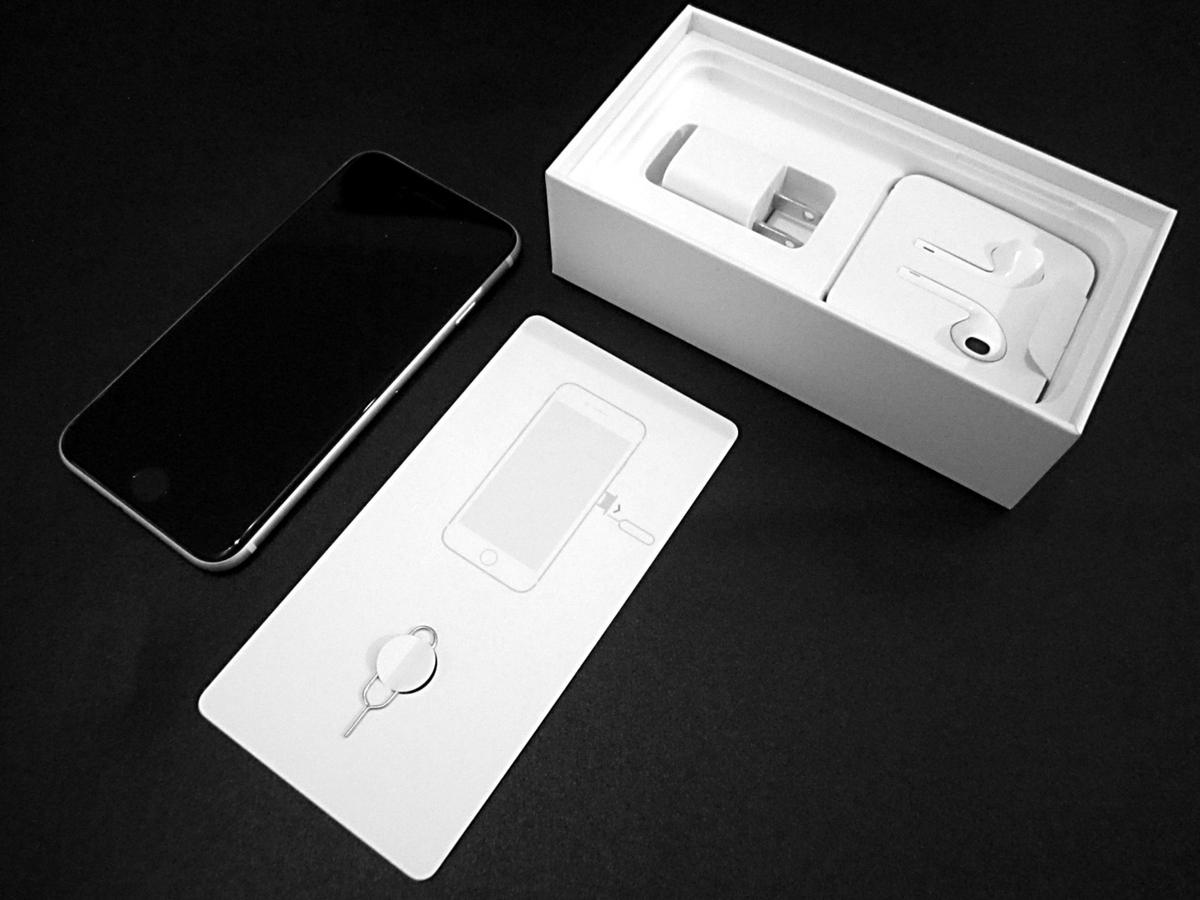
You need the HSL app if you are staying in Helsinki for more than a day. The region's public transport system uses zone based pricing, and the app is the only way to buy single tickets, day passes and multi day travel cards without visiting a machine or a service point. The app requires a data connection to purchase the ticket and to display the active QR code for the inspector. Buy a ticket while standing at the platform, but remember you need that data session to complete the transaction. The app works with any Finnish SIM or eSIM, and it also functions on a foreign roaming plan, though at higher per megabyte cost. Budget for a data allowance that covers at least one ticket purchase per day plus real time route lookups. The train from the airport to the central station costs €4.10 for an ABC zone ticket, and you can buy it through the app before you board the P train or I train.
Buy the Telia eSIM before you fly if you want to land connected and skip the R-kioski queue. Buy the Elisa prepaid SIM at the airport if your phone does not support eSIM or if you prefer a physical card you can swap between devices. Either way, budget for at least 5 GB of data for a seven day trip, and treat the local SIM cost as an investment in not freezing at a bus stop in Lapland while the real time tracker loads on roaming.
Frequently Asked Questions
Do I need a local SIM or eSIM for Finland, or is the coverage good enough to rely on roaming?
Roaming works on the same networks, so you will get a signal. The question is cost. Finnish data is priced domestically at roughly a third of what most European and North American carriers charge per gigabyte on roaming. If your home plan includes a generous EU roaming allowance, you may not need to switch. If your roaming is limited or expensive, buy a local eSIM or prepaid SIM.
Can I buy a prepaid SIM at Helsinki Vantaa Airport?
Yes. R-kioski and network branded stores in the arrivals hall sell prepaid SIMs from DNA, Elisa and Telia. No passport is required. The store hours match flight arrivals, but if you land very late, the kiosk may be closed. In that case, buy an eSIM online before departure.
Which network has the best coverage in Lapland?
Telia has a slight advantage in remote northern locations near the border fells. Elisa and DNA are nearly identical in performance across the south and Lakeland. All three networks cover the main resort hubs and the roads between them.
Can I use the HSL app with a foreign SIM on roaming?
Yes. The app works on any data connection. The downside is that roaming data costs more per megabyte than local data, so buying a single ticket through the app while on roaming is fine, but using the app for continuous route lookups may cost you.
Is it worth getting a local SIM for a trip shorter than seven days?
For a three or four day Helsinki only trip, roaming may be more cost effective if your home plan includes at least 1 GB of EU data. For a trip that includes Lapland or rural bus routes, the convenience of local data for real time tracking and map navigation justifies the small cost of a prepaid SIM or eSIM.
Read next
-
 Best Time to Visit Finland, Midnight Sun, Mosquitoes and the Grey Slush Window
Finland's seasons are defined by light and ground conditions, not just temperature. This page explains each season honestly, including the November window to avoid.
Best Time to Visit Finland, Midnight Sun, Mosquitoes and the Grey Slush Window
Finland's seasons are defined by light and ground conditions, not just temperature. This page explains each season honestly, including the November window to avoid.
-
 Getting Around Finland, VR Trains, Matkahuolto Buses and the Gaps
Finland's long-distance network splits between VR trains and Matkahuolto buses with no integrated ticket. This page explains the connections and the gaps.
Getting Around Finland, VR Trains, Matkahuolto Buses and the Gaps
Finland's long-distance network splits between VR trains and Matkahuolto buses with no integrated ticket. This page explains the connections and the gaps.
-
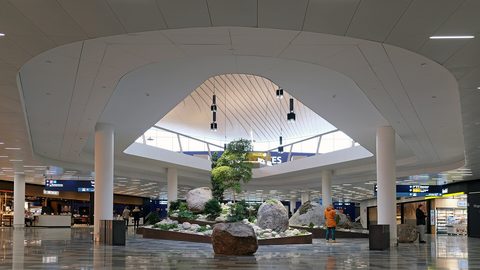 Finland Visa Requirements and the Schengen Application Process
Finland is part of the Schengen area. This page explains who needs a visa, how to apply through Migri, and what to expect at Helsinki-Vantaa border control.
Finland Visa Requirements and the Schengen Application Process
Finland is part of the Schengen area. This page explains who needs a visa, how to apply through Migri, and what to expect at Helsinki-Vantaa border control.
-
 Money in Finland, Cards, Euros and When You Still Need Coins
Finland runs on contactless cards and euros, but public toilets, locker rooms, and some rural services still need coins. Here is what actually works.
Money in Finland, Cards, Euros and When You Still Need Coins
Finland runs on contactless cards and euros, but public toilets, locker rooms, and some rural services still need coins. Here is what actually works.
-
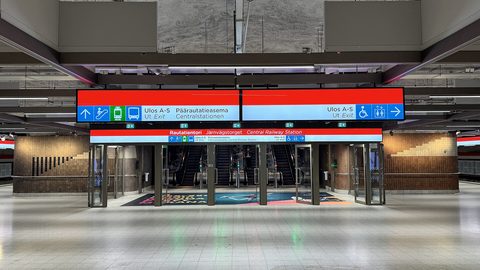 Is Finland Safe, Reading Travel Advice Without the Hype
Finland is safe from violent crime, but winter cold, icy streets, and remote Lapland trails pose real risks. This page focuses on what actually matters.
Is Finland Safe, Reading Travel Advice Without the Hype
Finland is safe from violent crime, but winter cold, icy streets, and remote Lapland trails pose real risks. This page focuses on what actually matters.
-
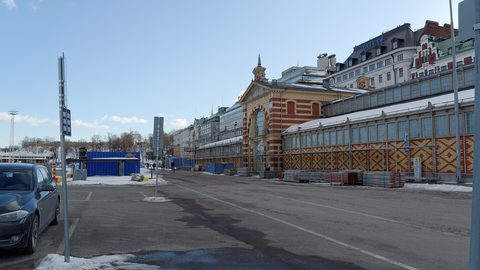 What a trip to Finland really costs and how the money flows
Finland is expensive in ways that catch travellers off guard, from Alko alcohol rules to €2 public toilets, but the costs are predictable once you understand
What a trip to Finland really costs and how the money flows
Finland is expensive in ways that catch travellers off guard, from Alko alcohol rules to €2 public toilets, but the costs are predictable once you understand
-
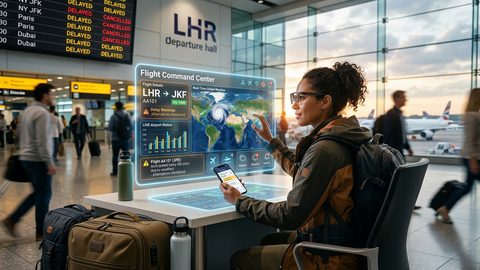 How Solo Travelers Stay Ahead of Flight Delays and Cancellations
How solo travelers can track inbound aircraft, claim rebooking rights, and adjust ground transport when flights go wrong — step by step.
How Solo Travelers Stay Ahead of Flight Delays and Cancellations
How solo travelers can track inbound aircraft, claim rebooking rights, and adjust ground transport when flights go wrong — step by step.
-
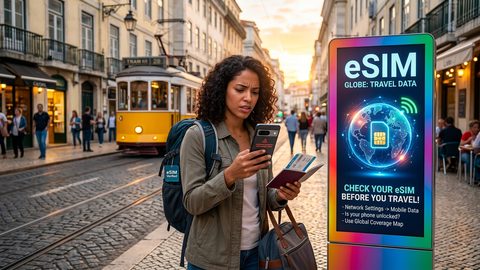 Why Your eSIM Might Not Work Abroad and How to Check Before You Go
Buying an eSIM doesn't guarantee signal abroad. Learn why coverage fails by location and how to verify reach before you commit to a plan.
Why Your eSIM Might Not Work Abroad and How to Check Before You Go
Buying an eSIM doesn't guarantee signal abroad. Learn why coverage fails by location and how to verify reach before you commit to a plan.