Netherlands Visa Requirements and the Schengen Application Process
Whether you need a visa for the Netherlands depends on your passport. Here is the Schengen application process, required documents, and realistic timelines.
Who Needs a Schengen Visa for the Netherlands
Hold a passport from the EU, the EEA, Switzerland, or one of roughly 60 other countries listed below, and you walk straight through. No visa. You get 90 days in any 180-day window.
Hold a passport from India, China, Russia, Turkey, South Africa, the Philippines, Indonesia, Thailand, Vietnam, Egypt, Morocco, Nigeria, Pakistan, Bangladesh, Iran, Iraq, Syria, Afghanistan, or Venezuela, and you need a Schengen visa for the Netherlands. There is no visa on arrival. No electronic shortcut. You apply at a Dutch embassy, consulate, or authorised visa centre before you travel.
What the Visa Actually Gives You
The Netherlands is a full Schengen member. A short-stay type C visa issued by the Dutch lets you move freely across all 27 Schengen countries for up to 90 days inside any rolling 180-day window. Tourism, business, family visits, transit. It does not cover work or study. For stays longer than 90 days, you need a national long-stay visa (MVV) or a residence permit. The MVV is handled by the Dutch Immigration and Naturalisation Service (IND), not the visa centres. The short-stay Schengen visa is the only focus here.
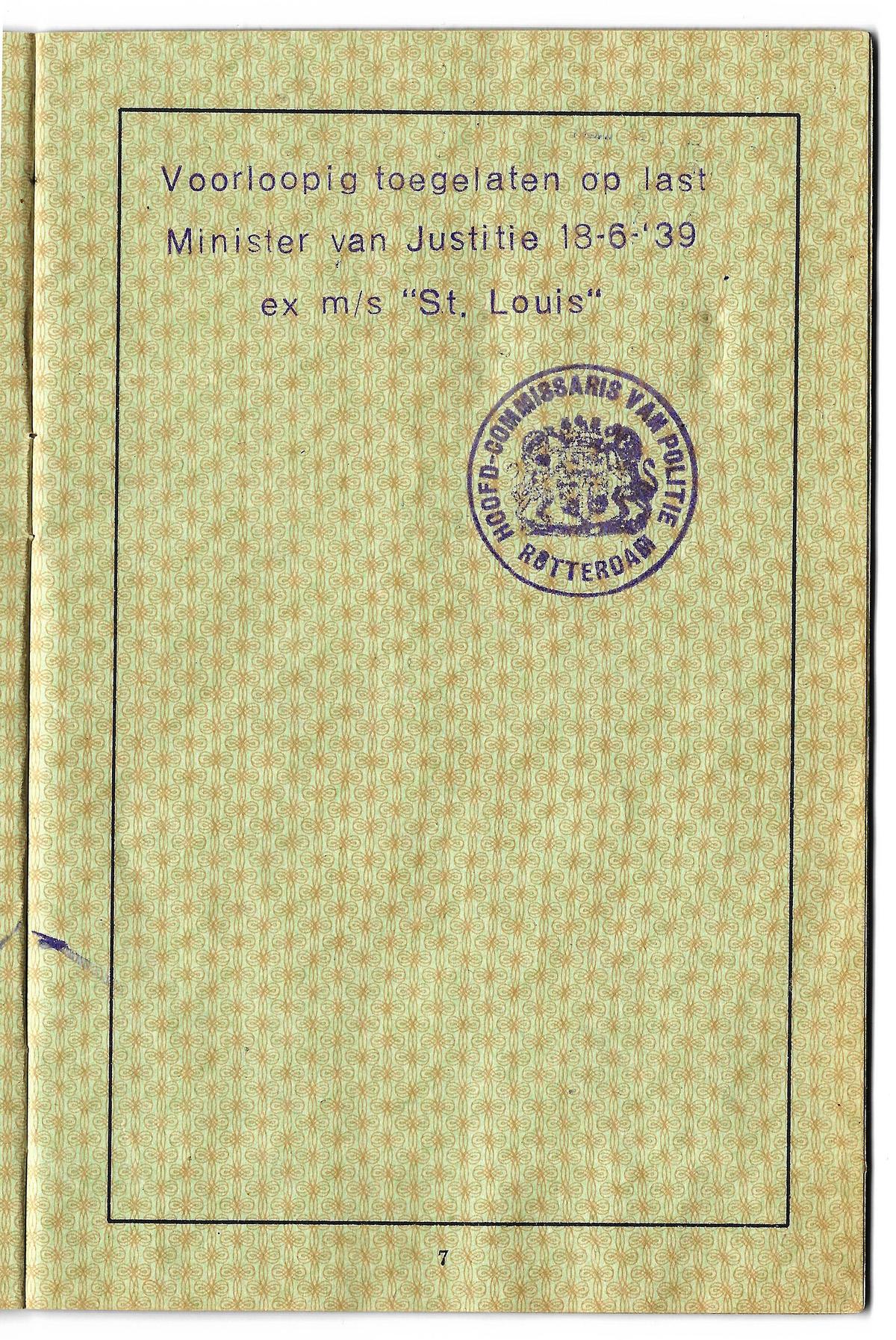

| Region | Nationalities |
|---|---|
| EU / EEA / Switzerland | All member states and Schengen associated states. National ID card or travel document accepted. |
| Microstates | Andorra, Monaco, San Marino, Vatican City. |
| Europe (visa-free with biometric travel document) | Albania, Bosnia and Herzegovina, Georgia, Moldova, Montenegro, North Macedonia, Serbia, Ukraine. |
| North America | Canada, Mexico, United States. |
| South America | Argentina, Brazil, Chile, Colombia, Costa Rica, Panama, Paraguay, Peru, Uruguay. |
| Asia | Brunei, Hong Kong (SAR travel document), Israel, Japan, Macao (SAR travel document), Malaysia, Singapore, South Korea, Taiwan (travel document with national ID number), United Arab Emirates. |
| Oceania | Australia, New Zealand. |
Dutch Visa Application Process: Step by Step
You apply through one of two outsourced providers: VFS Global or TLScontact. Which one depends on your country. You cannot walk into a Dutch embassy without an appointment. Embassies handle diplomatic, official, and a handful of urgent cases. Everyone else uses the provider.
Where To Apply
Check netherlandsworldwide.nl to confirm which provider covers your country. In most places you submit at a Netherlands visa centre run by VFS Global or TLScontact. A few smaller countries use a shared Schengen centre operated by another member state. Where no Dutch representation exists, the embassy of Belgium or France often processes Dutch applications. Confirm this before you pay anything.
The Appointment
Book online through the provider's portal. Slots vanish in peak season. March through May for tulip season. July and August for summer holidays. In many cities the wait is three to six weeks during these months. Do not book flights or accommodation before you secure a slot. If you need to travel urgently, check whether the embassy offers a premium priority slot at a higher fee. Not all locations do.
What It Costs
The Schengen visa fee for adults is EUR 90. Children aged 6 to 12 pay EUR 45. Children under 6 pay nothing. The provider adds a service fee of roughly EUR 20 to EUR 40 depending on location. Premium lounge access or courier return of your travel document costs extra. Pay in local currency at the prevailing exchange rate. Fees are non-refundable. Even if the visa is refused.
Netherlands Tourist Visa Documents
You need a completed and signed application form. A valid travel document with at least two blank pages, valid for at least three months after your intended departure from Schengen. Two recent passport-sized photographs meeting ICAO standards. A round-trip flight itinerary or booking. Proof of accommodation for the entire stay: hotel confirmations or a letter of invitation from a host registered with the local municipality. Travel medical insurance covering at least EUR 30,000 in medical expenses across the whole Schengen Area. Proof of sufficient funds: bank statements from the last three months, showing a balance of roughly EUR 55 to EUR 100 per day of stay. Proof of employment, student status, or self-employment: employer letter, school enrolment certificate, or business registration.
The Two Documents That Cause Most Rejections
Missing insurance tops the list. The policy must state Schengen-wide coverage at EUR 30,000 minimum. A standard travel insurance policy from your home country often excludes Schengen coverage. Buy a dedicated Schengen policy and bring the printed certificate.
Bank statements more than one week old at submission cause problems. Print them the day before your appointment.
Do not submit photocopies of travel document pages. The centre makes copies from the original. Submit originals of all other documents and bring one photocopy of each. The provider keeps the photocopies and returns the originals.
Processing Time and the 90/180 Day Rule
Official processing time: 15 calendar days from the date the application is accepted at the centre. In practice, expect 20 to 30 days during peak season. Some applications go to the Dutch immigration authorities in The Hague for additional checks. That extends processing to 45 days. You cannot expedite this. Submit your application at least eight weeks before departure.
Once issued, the visa covers the dates you requested plus a 15-day grace window. Some applicants receive a multiple-entry visa valid for one, two, or five years. That requires a clean travel history and a strong purpose of visit. First-time applicants get a single-entry visa covering only the trip dates.
Counting Your Days
The 90/180 day rule applies to visa-free nationals and Schengen visa holders alike. You cannot spend more than 90 days in the Schengen Area within any rolling 180-day period. A day counts as any day you are physically inside Schengen at midnight. Use the EU Schengen calculator to track your days. Overstaying by even one day can trigger a re-entry ban.

Common Rejection Reasons and How to Avoid Them
Visa rejections cluster around three failures. Missing or inadequate travel insurance. Bank statements that lack a consistent balance or are older than two weeks at submission. A travel itinerary that is vague or impossible, visiting three countries in two days, for instance.
The Netherlands is strict about insurance. A policy covering only medical repatriation, or one with a large deductible, gets rejected. Buy from a company that prints Schengen compliance on the certificate.
Bank statements must show regular salary deposits or a clear source of funds. A sudden large deposit just before the application date raises flags. If a sponsor covers your trip, provide a signed sponsorship letter, the sponsor's original bank statements, and a copy of their travel document. The sponsor must be a direct family member or a registered host. Friend sponsorships work only if the friend is registered with the Dutch municipality as a guarantor.
Fewer than two blank pages? Renew before you apply. If your travel document was issued more than nine years ago, it may fail the ten-year validity rule even if the expiry date is far in the future. Check the issue date against your departure date. The document must have been issued within the previous ten years on the day you enter Schengen.
When a Visa is Not Needed: the 90-Day Rule for Exempt Nationals
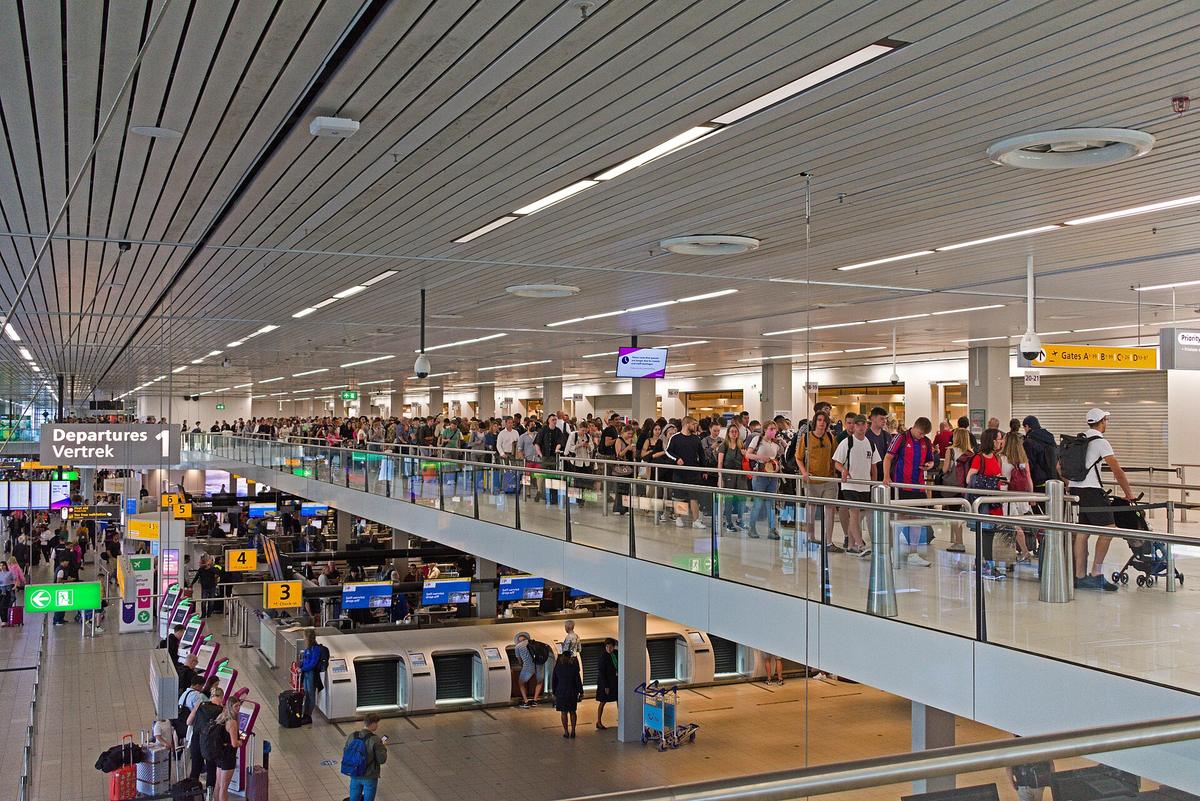
Hold a travel document from one of the visa-free countries in the table above, and you enter the Netherlands with no application. You still need a valid document that meets the ten-year issue rule and the three-month validity rule after departure. Border officers at Schiphol can ask for proof of onward travel, accommodation, and funds. Carry printed evidence.
The 90-day clock resets only when you leave the Schengen Area for a non-Schengen country. A day trip to London resets nothing: the UK is outside Schengen. A weekend in Switzerland does not reset the clock either: Switzerland is in Schengen. The rolling 180-day window means you cannot stack 90 days, leave for one day, and re-enter. The calculator on the European Commission website is reliable. Use it before you book.
Is the Netherlands Right for Your Trip?
The Netherlands suits slow travellers who want to cycle between historic towns, art lovers chasing Vermeer and Rembrandt, families with children, and first-time Europe visitors who value English fluency and safe, walkable cities. It is not for travellers seeking dramatic wilderness, mountains, or untamed nature. Not for those on a tight budget: accommodation and dining are expensive. Not for nightlife-focused visitors outside Amsterdam. Not for people who prefer spontaneous, unplanned road trips. If your trip fits the first group, the visa effort is worth it. If it fits the second, consider another destination.
Common Questions
Can I apply for a Netherlands visa if I am travelling to multiple Schengen countries?
Apply at the embassy of the country where you will spend the most days. If the days are equal, apply at the country of first entry. Do not apply at the Netherlands if you are spending one day there and ten days in France.
What happens if my Netherlands visa is refused?
You receive a formal refusal letter stating the reason. Common reasons: insufficient travel insurance, weak financial proof, or a previous overstay. You can appeal within 30 days to the Dutch Ministry of Foreign Affairs. The success rate is low. A better route: address the reason and reapply with stronger documents.
Do I need a visa to transit through Amsterdam Schiphol?
If your nationality requires a Schengen visa, you need an airport transit visa (type A) unless you qualify for an exemption. Exemptions include holding a valid visa or residence permit for the EU, EEA, Switzerland, UK, US, Canada, Japan, or Singapore. Check the exemption list before you book.
How long can I stay in the Netherlands with a Schengen visa?
Up to 90 days within any rolling 180-day period. The exact dates are printed on your visa sticker. You cannot extend a short-stay Schengen visa for tourism.
Can I apply for a Netherlands visa online?
No. The Netherlands does not offer an electronic visa for short-stay Schengen visas. You must submit a paper application in person at a visa centre. Some centres let you upload documents before the appointment, but the physical submission is mandatory.
What is an MVV visa for the Netherlands?
An MVV is a national long-stay visa for stays over 90 days. It is required for work, study, or family reunification. The application goes through the IND, not VFS Global or TLScontact. You need an MVV before you travel. Do not confuse it with a Schengen short-stay visa.
Do border officers actually check for onward tickets and accommodation?
Yes. At the Schengen external border, officers can request proof of onward or return travel, proof of accommodation for the entire stay, and evidence of sufficient financial means. Carry printed copies in your hand luggage. Digital copies on your phone are useless if the battery is dead or the network is down.
Read next
-
 Staying Connected in The Netherlands With eSIM, Local SIM or Roaming
Compare eSIM, local SIM, and roaming options for The Netherlands, where 5G coverage is near-universal but NS train Wi-Fi has limits.
Staying Connected in The Netherlands With eSIM, Local SIM or Roaming
Compare eSIM, local SIM, and roaming options for The Netherlands, where 5G coverage is near-universal but NS train Wi-Fi has limits.
-
 When to Visit the Netherlands and What Each Season Actually Does to Your Trip
April brings tulips and King's Day crowds. July and August are warmest but rainy. Winter closes many small-town attractions. Choose your season by the trade-offs.
When to Visit the Netherlands and What Each Season Actually Does to Your Trip
April brings tulips and King's Day crowds. July and August are warmest but rainy. Winter closes many small-town attractions. Choose your season by the trade-offs.
-
 Moving Around the Netherlands by Train, Bike, and the Gaps the Map Oversells
Dutch trains are excellent, but checking in on the wrong card reader when changing operators can get you fined. Here is how the system works.
Moving Around the Netherlands by Train, Bike, and the Gaps the Map Oversells
Dutch trains are excellent, but checking in on the wrong card reader when changing operators can get you fined. Here is how the system works.
-
 Paying for Things in the Netherlands Without Your Card Getting Declined
Many Dutch shops refuse Visa and Mastercard. Here is why, where cards work, where cash still matters, and how OVpay changes transport payments.
Paying for Things in the Netherlands Without Your Card Getting Declined
Many Dutch shops refuse Visa and Mastercard. Here is why, where cards work, where cash still matters, and how OVpay changes transport payments.
-
 Reading Safety Advice About the Netherlands Without Being Misled by It
The Netherlands is safe by every statistic, but bicycle-path collisions and pickpocketing on Amsterdam trams are the real visitor risks to understand.
Reading Safety Advice About the Netherlands Without Being Misled by It
The Netherlands is safe by every statistic, but bicycle-path collisions and pickpocketing on Amsterdam trams are the real visitor risks to understand.
-
 What a Trip to The Netherlands Costs, Shaped by How You Travel
Understand the shape of Netherlands travel costs: where money goes, why accommodation spikes unpredictably, and how to budget without a fixed daily figure.
What a Trip to The Netherlands Costs, Shaped by How You Travel
Understand the shape of Netherlands travel costs: where money goes, why accommodation spikes unpredictably, and how to budget without a fixed daily figure.
-
 A Ground-Level Logistics Guide to Independent Travel in China
First-time independent travel in China: what you need to know about visas, rail booking, eSIMs, mobile payments, and power adapters.
A Ground-Level Logistics Guide to Independent Travel in China
First-time independent travel in China: what you need to know about visas, rail booking, eSIMs, mobile payments, and power adapters.
-
 How Solo Travelers Stay Ahead of Flight Delays and Cancellations
How solo travelers can track inbound aircraft, claim rebooking rights, and adjust ground transport when flights go wrong — step by step.
How Solo Travelers Stay Ahead of Flight Delays and Cancellations
How solo travelers can track inbound aircraft, claim rebooking rights, and adjust ground transport when flights go wrong — step by step.
-
 Why Your eSIM Might Not Work Abroad and How to Check Before You Go
Buying an eSIM doesn't guarantee signal abroad. Learn why coverage fails by location and how to verify reach before you commit to a plan.
Why Your eSIM Might Not Work Abroad and How to Check Before You Go
Buying an eSIM doesn't guarantee signal abroad. Learn why coverage fails by location and how to verify reach before you commit to a plan.