What You Must Know About the Sweden Power Plug Type Before Packing
Sweden uses Type F Schuko plugs at 230V and 50Hz, and USB ports are common on SJ trains but not guaranteed in remote Lapland cabins.
Electrical Sockets in Sweden and the Adaptor You Need
You land at Stockholm Arlanda, find the hotel desk, and reach into your bag for a phone charger. The socket on the wall has two round holes and recessed side clips. The plug in your hand is British, American, or Australian. This mismatch is the first problem of the trip, and it is the easiest one to fix if you know exactly what to pack.
Sweden runs on Type F (Schuko), with two round pins 19 mm apart and grounding clips on the sides. Type C, the ungrounded Europlug with two thinner pins, also fits most outlets but lacks the side grounding. Both work in the same wall units. Mains voltage is 230 V at 50 Hz. Every travel plug you buy for the country must accept the round pins of a Type C or Type F plug.

| Specification | Value |
|---|---|
| Plug types | Type C (Europlug, 2.5 A) and Type F (Schuko, 16 A) |
| Mains voltage | 230 V |
| Mains frequency | 50 Hz |
| Adaptor needed | Type C/F adaptor (two round pins) |
| Dual voltage range | 100-240 V, 50/60 Hz (no converter needed) |
| Single voltage range | 100-127 V only (converter required) |
| USB in hotels | Common in chain and newer hotels; rare in older guesthouses, cabins, and campsites |
| USB on SJ trains | Power sockets at seats on X 2000 and 3000 trains; USB not standard |
Sweden Voltage and Frequency: Why Your Device Will or Wont Work
Check Your Charger Label Before You Leave
Sweden runs on 230 V at 50 Hz. Most modern phone and laptop chargers are dual voltage, meaning they carry a label reading 100-240 V, 50/60 Hz. That device works anywhere in the world with only a plug adaptor. Switch-mode power supplies in cameras, tablets, portable batteries, and electric toothbrushes are almost always dual voltage. Check the small print on the brick or the device itself before you leave.
Hair Tools Are the Failure Point
A straightener, curling iron, or hair dryer rated only for 100-127 V will burn out the moment you plug it into a Swedish 230 V outlet. You need a step-down voltage converter rated for at least the wattage of the tool, and those converters are heavy. The practical solution is to leave single-voltage hair tools at home. Buy a dual-voltage travel dryer in Sweden or use the hotel hair dryer, which is standard in most Swedish hotels outside the remote cabins.
European Plug Adaptor Sweden: What One Adapter Does the Job
A single Type C/F adaptor covers every socket in Sweden, Denmark, Norway, Finland, Germany, France, and most of mainland Europe. Do not buy a Sweden-only adaptor. Buy the continental European adaptor that accepts both Type C and Type F plugs. It has two round pins, usually 4 mm diameter, spaced 19 mm apart, and the side slots for the Schuko grounding clips. That adaptor works in every Swedish electrical socket from the Arlanda Express to a mountain hut in Abisko.
The adaptor does not convert voltage. It only changes the pin shape. If you bring single-voltage devices, you still need a converter. If you bring only dual-voltage devices, one cheap adaptor in your carry-on is all you need. Pack two if you charge multiple devices overnight.
Sweden USB Charging: Where You Will Find it and Where You Will Not
Hotels and Cabins
USB ports are common in chain hotels in Stockholm, Göteborg, and Malmö. Newer hostels and the Icehotel in Jukkasjärvi usually have USB sockets by the bed. Older guesthouses, self-catering cabins in the Värmland forests, and campsites along the Kungsleden trail often have only two standard wall sockets. Do not assume USB is available. Carry your own charging brick and a Type C/F adaptor.
Trains, Buses, and Flights
On SJ X 2000 and SJ 3000 long-distance trains, each seat has a standard 230 V power socket. USB sockets are not standard on all rolling stock; some carriages have them, some do not. Regional trains vary by operator. Newer regional trains on the Öresundståg network between Malmö and Copenhagen have power sockets at seats. Long-distance buses from FlixBus and Vy bus4you usually have standard sockets and sometimes USB ports, varying by vehicle. Domestic flights on SAS and Norwegian short-haul aircraft do not provide power or USB at seats. Charge before you board if you are flying from Stockholm to Kiruna.
.jpg)
What to Actually Pack for Charging in Sweden
Adaptors and Chargers
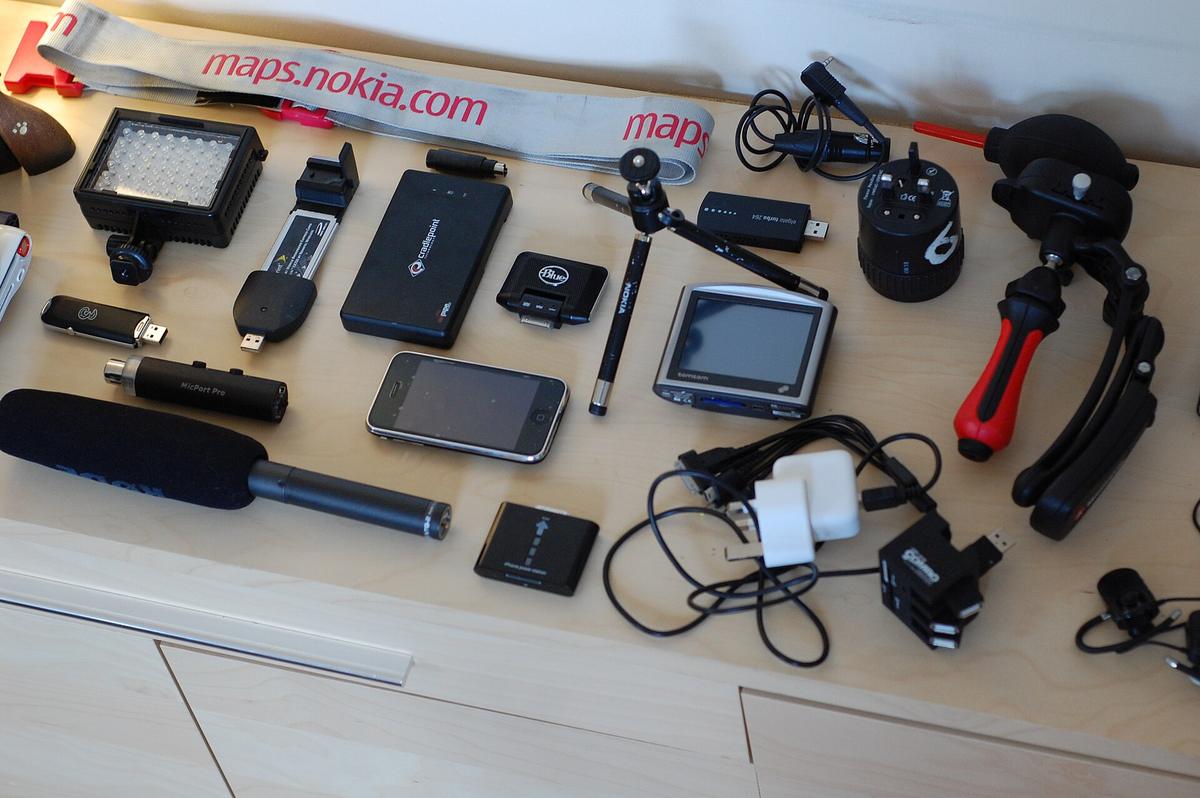
Pack one Type C/F universal adaptor per person. If you have two devices that charge overnight, pack two adaptors. Bring a multi-port USB charger with at least two USB-A or USB-C outputs and one Type C/F plug on it, which solves the single-socket problem in older cabins.
Power Banks for the Trail
Pack a small power bank for the Kungsleden, Sarek National Park, and Padjelanta. Mobile coverage drops sharply inside those parks, and you will rely on offline maps. Charging in trail huts is not guaranteed. A compact power bank charges a phone several times and weighs little.
Hair Tools
Leave single-voltage hair tools at home. If you absolutely must have a hair dryer, buy a cheap dual-voltage travel dryer in Sweden at a Clas Ohlson or ÖoB store. Do not rely on the hotel providing one in the cabins of Värmland or the fishing villages of Bohuslän.
Sweden Electrical Socket: What You See and What Fits
The Swedish electrical socket is recessed into the wall about 2-3 mm, with two round holes and two spring-loaded metal clips on the sides. Type F (Schuko) plugs have a grounding strip on each side that engages with those clips. Type C (Europlug) plugs have no grounding strip but fit the same socket. Both are safe to use. Your adaptor will have two round pins and should fit snugly.
Swedish sockets accept the round pins of Type C and Type F plugs only. They do not accept the flat pins of US, Canadian, Japanese, or Australian plugs, nor the rectangular pins of UK or Irish plugs. The socket shape is identical to German and French sockets, so an adaptor labelled for continental Europe is correct.
Who This Power Setup Suits and Who it Frustrates
Self-sufficient road-trippers and dedicated hikers who pack their own charging gear and a power bank will find Sweden easy. Design and architecture enthusiasts staying in central Stockholm hotels will have USB at the bedside. Families in holiday cottages near the High Coast or Lake Siljan should bring adaptors and a multi-port charger.
Spontaneous luxury seekers who expect the hotel to supply every cable will hit a wall in remote cabins along the Kungsleden or in Arctic huts near the Icehotel. Nightlife-focused travellers who forget to charge before leaving Stockholm will find no USB on the night train to the north and no power on the SAS flight. The single most common mistake: assuming a Swedish cabin will have a standard USB socket by the bed when it has exactly one 230 V wall socket and nothing else.
Common Questions
Does Sweden use the same plug as the rest of Europe?
Yes. Sweden uses Type F (Schuko) and Type C (Europlug), exactly the same plugs used in Germany, France, Norway, Finland, and Denmark.
Can I use a US plug in Sweden without an adaptor?
No. US plugs have two flat pins. Swedish sockets accept only round pins. You need a Type C/F adaptor. If your device is rated 100-127 V only, you also need a voltage converter.
Can I use a UK plug in Sweden without an adaptor?
No. UK plugs have three rectangular pins. Swedish sockets accept only two round pins. A Type C/F adaptor is required for all British devices.
Do I need a voltage converter for my phone charger in Sweden?
No. Phone chargers are universally dual voltage (100-240 V, 50/60 Hz). You only need a plug adaptor.
Are there USB ports in Swedish hotel rooms?
Common in chain hotels in cities and newer hostels. Uncommon in older guesthouses, remote cabins in Swedish Lapland, and huts along the Kungsleden trail.
What happens if I plug a 110 V hair dryer into a Swedish socket?
It will likely overheat, blow a fuse, or burn out the heating element instantly. Check the voltage rating on the device. Most hair tools are single voltage and require a step-down converter.
Can I buy a plug adaptor at Stockholm Arlanda airport?
Yes. Pressbyrån convenience stores and electronics shops at Arlanda sell universal travel adaptors. Cheaper options are available at electronics chains like Kjell & Company in the city.
Read next
-
 Staying Connected in Sweden With eSIM, Local SIM or Roaming
Compare eSIM, local SIM cards from Comviq or Telia, and roaming for Sweden, including the dead zones in Sarek and Padjelanta where offline maps are essential.
Staying Connected in Sweden With eSIM, Local SIM or Roaming
Compare eSIM, local SIM cards from Comviq or Telia, and roaming for Sweden, including the dead zones in Sarek and Padjelanta where offline maps are essential.
-
 Best Time to Visit Sweden and What Each Season Actually Does
June to August brings midnight sun and open trails, but November is dark and closed, and late February sportlov fills domestic flights and ski resorts.
Best Time to Visit Sweden and What Each Season Actually Does
June to August brings midnight sun and open trails, but November is dark and closed, and late February sportlov fills domestic flights and ski resorts.
-
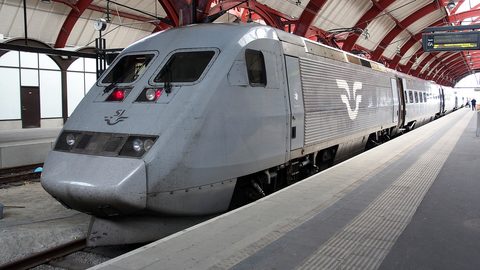 Getting Around Sweden, Trains, Cars and What the Map Oversells
SJ trains connect Swedish cities but mandatory seat reservations sell out, regional buses require apps or contactless cards, and distances between north and
Getting Around Sweden, Trains, Cars and What the Map Oversells
SJ trains connect Swedish cities but mandatory seat reservations sell out, regional buses require apps or contactless cards, and distances between north and
-
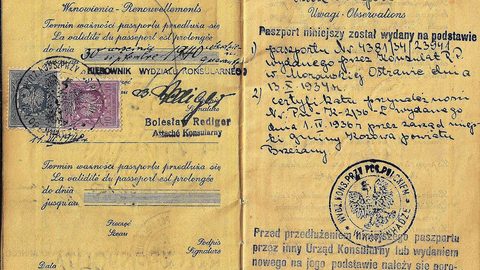 Sweden Visa Requirements and the Schengen Application Process
Who needs a visa for Sweden, who does not, and how the Schengen application process works through Swedish embassies and VFS Global centres.
Sweden Visa Requirements and the Schengen Application Process
Who needs a visa for Sweden, who does not, and how the Schengen application process works through Swedish embassies and VFS Global centres.
-
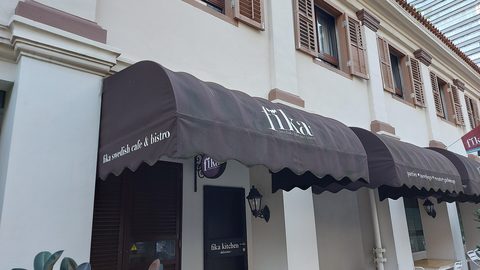 Paying for Things in Sweden, Cards, Krona and Where Cash Still Works
Sweden is effectively cashless and many places refuse cash entirely, but the Swish payment app requires a Swedish bank account, leaving tourists reliant on cards.
Paying for Things in Sweden, Cards, Krona and Where Cash Still Works
Sweden is effectively cashless and many places refuse cash entirely, but the Swish payment app requires a Swedish bank account, leaving tourists reliant on cards.
-
 Reading Sweden Safety Advice Without Being Misled by It
Sweden is safe for tourists but the real risks are wilderness isolation, no mobile coverage in Sarek, severe northern mosquitoes, and winter driving conditions.
Reading Sweden Safety Advice Without Being Misled by It
Sweden is safe for tourists but the real risks are wilderness isolation, no mobile coverage in Sarek, severe northern mosquitoes, and winter driving conditions.
-
 A Ground-Level Logistics Guide to Independent Travel in China
First-time independent travel in China: what you need to know about visas, rail booking, eSIMs, mobile payments, and power adapters.
A Ground-Level Logistics Guide to Independent Travel in China
First-time independent travel in China: what you need to know about visas, rail booking, eSIMs, mobile payments, and power adapters.
-
 How Solo Travelers Stay Ahead of Flight Delays and Cancellations
How solo travelers can track inbound aircraft, claim rebooking rights, and adjust ground transport when flights go wrong — step by step.
How Solo Travelers Stay Ahead of Flight Delays and Cancellations
How solo travelers can track inbound aircraft, claim rebooking rights, and adjust ground transport when flights go wrong — step by step.
-
 Why Your eSIM Might Not Work Abroad and How to Check Before You Go
Buying an eSIM doesn't guarantee signal abroad. Learn why coverage fails by location and how to verify reach before you commit to a plan.
Why Your eSIM Might Not Work Abroad and How to Check Before You Go
Buying an eSIM doesn't guarantee signal abroad. Learn why coverage fails by location and how to verify reach before you commit to a plan.