All Toronto Pearson to Downtown Transport Options Ranked Honestly
The UP Express train beats Toronto traffic from Pearson to Union Station in 25 minutes, but a taxi or rideshare wins when your hotel is far from the subway or
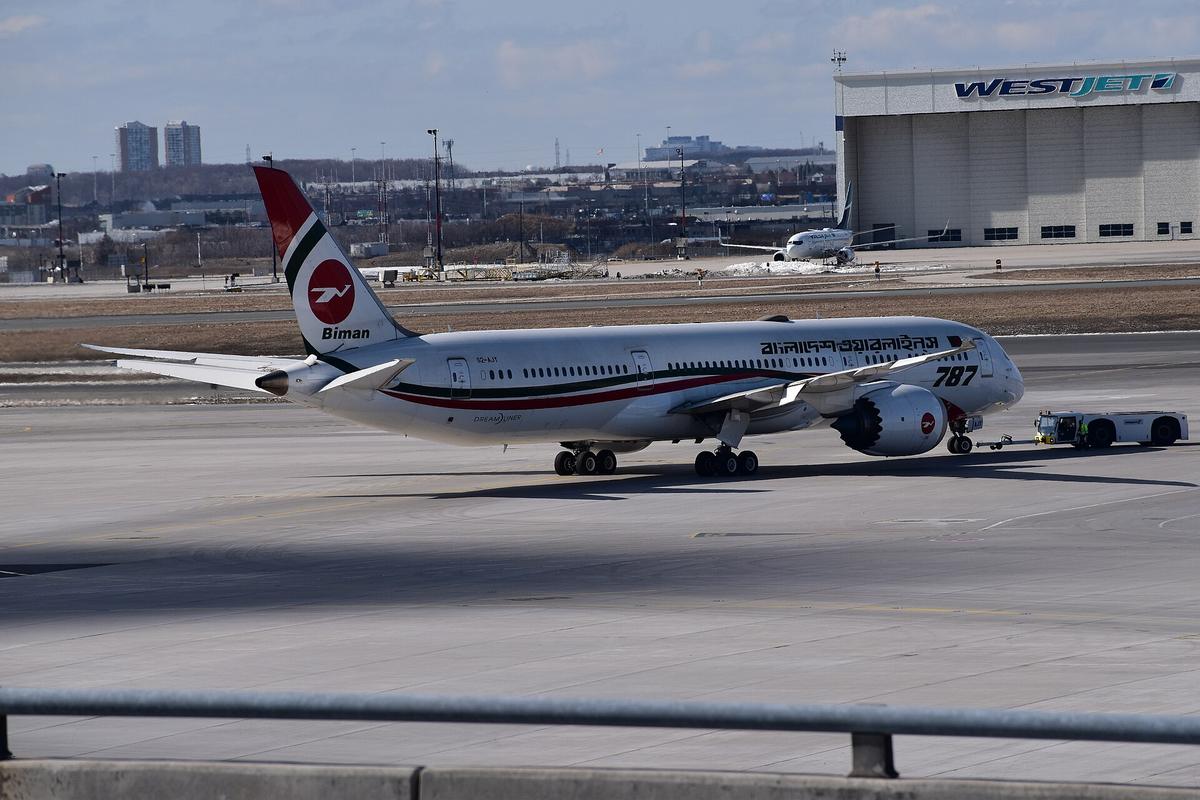

Getting from Toronto Pearson to Downtown Without a Mistake
The right way to get from Toronto Pearson to downtown depends on where you are staying, how many people you are travelling with, and whether the Gardiner Expressway is moving. You have three clear choices: the UP Express train, a taxi, or a rideshare. Each wins in a specific situation and costs you time or money in another. Decide before you land.
The UP Express is the fastest route from the airport to Union Station: 25 minutes, every 15 minutes, for roughly $12 CAD one way with a Presto card. A taxi or rideshare to downtown takes 30 to 60 minutes and costs a flat rate set by the City of Toronto. Check the official rate schedule before you travel. The subway does not serve Pearson directly. Bus connections via Kipling or Lawrence West take 60 to 75 minutes and save you a few dollars, but they only work if your destination falls on Line 1 or Line 2 and you are travelling light.
UP Express Pearson to Union Station: When it Wins and When it Does Not
How The Train Works
The UP Express runs from Terminal 1 at Pearson to Union Station in 25 minutes with intermediate stops at Weston and Bloor. Frequency is every 15 minutes most of the day. The operator is Metrolinx. Pay by Presto card, contactless credit or debit, or paper ticket from the vending machines at the platform entrance. Children 12 and under ride free. Luggage racks are on every train, and priority seating is near the doors. Free Wi-Fi works on board.
When The Train Wins
The UP Express wins when traffic on the Gardiner is bad, which is most of the time. It wins when your hotel is within a 10-minute walk of Union Station, or on the TTC subway Line 1 or Line 2 that connects at Bloor. It wins when you are travelling with one or two people and carry-on size luggage. It wins when you need to be somewhere at a precise time and cannot risk a 45 minute taxi ride.
When The Train Loses
The UP Express loses when your hotel is east of Yonge Street or north of Bloor, deep in a neighbourhood like Leslieville or the Danforth. It loses when you are three or more people, because the flat rate for a taxi becomes cheaper per person. It loses when you have large suitcases, sports equipment, or anyone with mobility needs who cannot manage two elevators and a walk through Union Station. It loses when your flight arrives after 23:00 or before 6:00. The last train from Pearson leaves before midnight. If you land at 5:30, you wait.
Connecting from Terminal 3? Take the free Link Train to Terminal 1, a 2 to 4 minute ride that runs 24 hours. The UP Express platform is at Terminal 1, signed from arrivals as "Train to City".
YYZ Taxi Flat Rate Downtown Toronto: the Door to Door Option
How The Taxi Rank Works
Taxis at Pearson are organised through designated ranks at Terminal 1 arrivals door A and Terminal 3 arrivals door D. The fare between Pearson and the downtown zone is a flat rate set by the City of Toronto. That zone is bounded by Bathurst Street to the west, Bayview Avenue to the east, Lake Ontario to the south, and Eglinton Avenue to the north. Check the current rate schedule before you fly. All licensed taxis must accept credit and debit cards. Cabs are available 24 hours a day.
When A Taxi Wins
A taxi wins when you have three or more people. The flat fare is per vehicle, not per person. A taxi wins when your destination is not within walking distance of Union, Bloor, or Weston. If you are staying in Leslieville, the Distillery District, or anywhere east of Yonge Street, a taxi eliminates a transfer and a long walk. A taxi wins when you have large luggage, sports equipment, a stroller, or mobility equipment. Wheelchair accessible taxis are available through broker dispatch. A taxi wins when your arrival or departure time is outside UP Express operating hours. It wins when door to door service matters and you do not want to think about a transfer.
When A Taxi Loses
The failure case: a taxi sits in the same Gardiner Expressway congestion as every other vehicle. Travel time from Pearson to Union Station is 30 to 45 minutes in normal traffic, 45 to 60 minutes during rush hour or after a Blue Jays game. From Pearson to Bloor-Yonge, add 5 to 10 minutes. From Pearson to North York, 25 to 40 minutes. If the Gardiner is jammed, you pay the same flat rate for a slower trip than the UP Express.
Pearson Airport Rideshare Toronto: the Middleground with One Catch
Rideshare pickup at Pearson happens in a designated area, not at the curb where taxis queue. The pickup zone is in the underground parking garage, signed from arrivals. First time arrivals find this confusing because the signs are small and the walk from baggage claim to the garage takes 5 to 10 minutes. The fare to downtown runs roughly $55 to $80 CAD depending on surge pricing, which is common Thursday and Friday afternoons and on holiday long weekends. Travel time is the same as a taxi: 30 to 60 minutes depending on Gardiner traffic.
Rideshare wins when a taxi queue is long and you do not mind the walk to the garage. Rideshare wins when you want to pay through an app rather than hand a card to a driver. Rideshare loses when surge pricing pushes the fare above the taxi flat rate, which happens often. Rideshare loses when you arrive tired or with heavy bags, because the garage walk adds time and you have to identify the driver in a crowded pickup area.
If you land after the UP Express stops running, you choose between taxi and rideshare. The taxi costs less in the flat zone and picks you up at the arrivals door. That is usually the better decision between 23:00 and 6:00.
Toronto Pearson to Downtown Time Cost Comparison: Putting it Together
The Numbers At A Glance
The UP Express costs roughly $12 with a Presto card and takes 25 minutes from Terminal 1 to Union Station. The taxi costs a flat rate set by the City of Toronto and takes 30 to 60 minutes. Rideshare costs $55 to $80 and takes the same 30 to 60 minutes. The subway plus bus costs roughly $4 with a Presto card and takes 60 to 75 minutes, but requires a transfer and no dedicated luggage space. The subway does not reach Pearson directly. You must connect via the 900 Airport Express bus from Kipling on Line 2, or the 52G Lawrence West bus from Lawrence West on Line 1, or a GO bus from Yorkdale on Line 1.
Which One You Should Choose
For one person travelling light with a destination near Union Station, the UP Express is the best choice in nearly every scenario. For three or more people going to an address east of Yonge, a taxi is cheaper and easier. For anyone flying into Pearson between midnight and 6:00, a taxi is the only realistic door to door option. For anyone who arrives at a time with no surge pricing and is comfortable walking to the garage, rideshare works as a middle option.
The most common mistake travellers make is choosing the UP Express without checking whether their hotel is near a subway stop or Union Station. If your hotel is in the financial core, the Distillery District, or near Bloor Street west of Yonge, take the train. If your hotel is in Leslieville, the Danforth, or anywhere east of Yonge Street, take a taxi. The money you save on the train is less than the cost of the Uber you will take from Union Station to your hotel, and you skip the walk through the PATH tunnel system, which is a disorienting maze of 30 km of tunnels that closes weekday evenings and weekends.
Read next
-
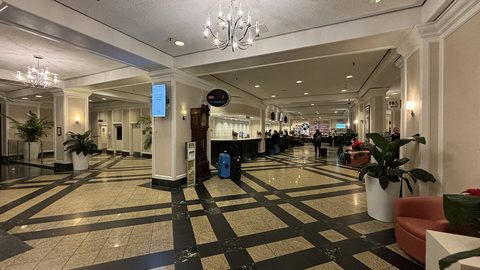
 Toronto Hotels and What the Price Bands Actually Get You
Toronto hotel prices cluster into bands that deliver distinctly different experiences, from suburban chain functionality to character-rich midrange spots in
Toronto Hotels and What the Price Bands Actually Get You
Toronto hotel prices cluster into bands that deliver distinctly different experiences, from suburban chain functionality to character-rich midrange spots in
-
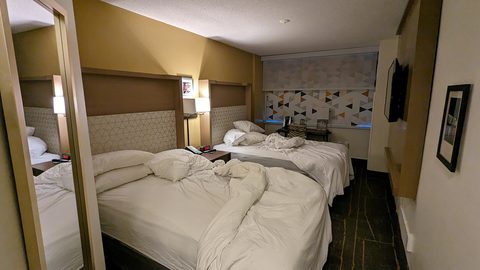 Where to Stay in Toronto and What Each District Costs You
Where you stay in Toronto shapes everything about your trip. Each district comes with a tradeoff in transit time, street life, and what you can walk to after dinner.
Where to Stay in Toronto and What Each District Costs You
Where you stay in Toronto shapes everything about your trip. Each district comes with a tradeoff in transit time, street life, and what you can walk to after dinner.
-
 Flying Into Toronto Pearson or Billy Bishop and Getting Downtown
Flying into Toronto means choosing between Pearson and Billy Bishop. Here's how each airport works and how to get downtown from both.
Flying Into Toronto Pearson or Billy Bishop and Getting Downtown
Flying into Toronto means choosing between Pearson and Billy Bishop. Here's how each airport works and how to get downtown from both.
-
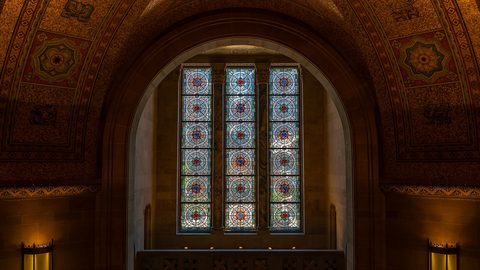 What to Do in Toronto Ordered by Whether It Is Worth the Time
Toronto's attractions compete for your limited days. Some earn their time cost, others don't. This ranks them by what you actually get for the hours you spend.
What to Do in Toronto Ordered by Whether It Is Worth the Time
Toronto's attractions compete for your limited days. Some earn their time cost, others don't. This ranks them by what you actually get for the hours you spend.
-
 When to Visit Toronto and What Each Season Does to the City
Toronto shifts dramatically with the seasons, from festival-packed spring and fall shoulders to humid summer patios and bitter winter sidewalks that never
When to Visit Toronto and What Each Season Does to the City
Toronto shifts dramatically with the seasons, from festival-packed spring and fall shoulders to humid summer patios and bitter winter sidewalks that never
-
 Getting Around Toronto Without Wasting Half Your Trip in Transit
Toronto's transit map looks simple but hides slow surface routes, a disorienting underground maze, and walking distances everyone underestimates.
Getting Around Toronto Without Wasting Half Your Trip in Transit
Toronto's transit map looks simple but hides slow surface routes, a disorienting underground maze, and walking distances everyone underestimates.
-
 CN Tower
The CN Tower anchors Toronto's skyline, but a good visit depends on booking ahead for sunset slots and knowing which experience fits your time and tolerance
CN Tower
The CN Tower anchors Toronto's skyline, but a good visit depends on booking ahead for sunset slots and knowing which experience fits your time and tolerance
-
 Royal Ontario Museum
The Royal Ontario Museum pairs world cultures with natural history inside a crystal-winged building, and a focused visit to two or three galleries beats a
Royal Ontario Museum
The Royal Ontario Museum pairs world cultures with natural history inside a crystal-winged building, and a focused visit to two or three galleries beats a
-
 Art Gallery of Ontario
The Art Gallery of Ontario pairs a deep Group of Seven collection with Frank Gehry's glass-and-wood redesign, a focused art experience steps from Chinatown
Art Gallery of Ontario
The Art Gallery of Ontario pairs a deep Group of Seven collection with Frank Gehry's glass-and-wood redesign, a focused art experience steps from Chinatown