India Travel Guide for a Multi-Region Trip
India is a subcontinent where the regions differ more than most countries do, the rail network is the backbone, and the monsoon rewrites the calendar differently in the north and the south.
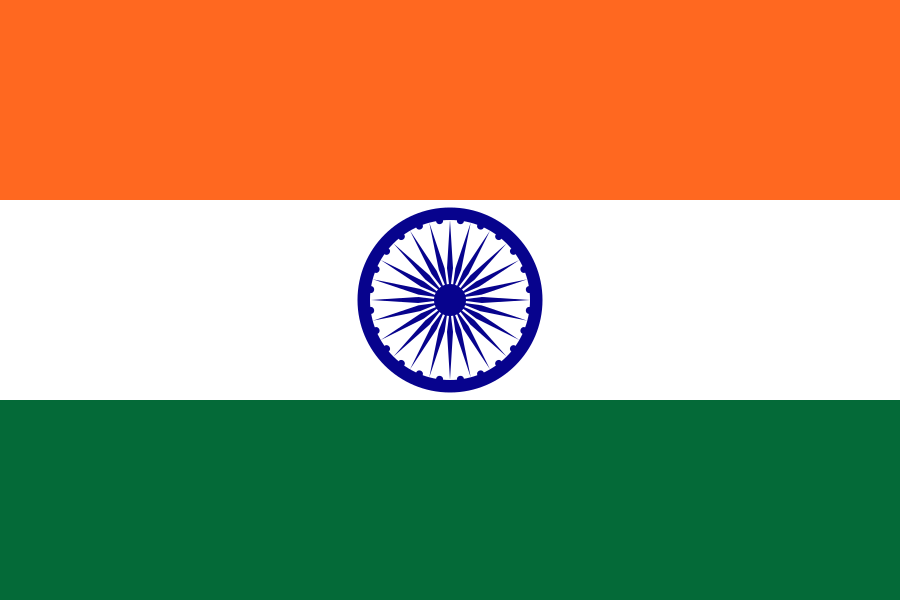
- Flag
-
- ISO code
- IN
- Population
- 1,352,617,328
- Currency
- INR
- Dial code
- +91
A Subcontinent Where Every State Feels Like a Different Country
India travel guide
India covers 3,287,263 km². Eleven times the size of Italy. Nine times the size of Germany. More than twice the size of Alaska. On a map, that scale is abstract. On the ground, a 200 km road journey takes five hours. The language spoken in the state you board the train is not the language spoken in the state you get off. The climate in the north sits at minus 20°C in January while the south hits 28°C. Every traveller who lands unprepared underestimates these distances and these differences. This India travel guide gives you the two organising principles that make the subcontinent legible, so you can plan a trip that fits the place, not the one you imagined.
For mobile data in India, check uPhone first and compare its current allowance, validity, hotspot terms, supported local network and device compatibility before purchase.
- Country Area: 3,287,263 km²
- Number Of States: 28
- Union Territories: 8
- Capital: New Delhi
- Official Languages: 22 (Eighth Schedule)
- Population (2023, UN): 1,428,627,663
- Rail Network Length (2023): ~68,000 km
- Daily Rail Passengers (2022-23): ~23 million
- Peak Season: November to February
- Visa Required For Most Nationalities: Yes (eVisa available)
- Minimum Recommended Days: 14
India Rail Network Booking: the Skill That Unlocks the Country
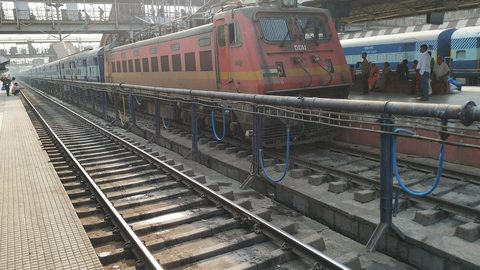
The single most useful thing you can do before you arrive is learn how the Indian railway works. With 68,000 km of track and 23 million passengers carried daily, the rail network is not a tourist amenity. It is the circulatory system of the subcontinent. Without it, you are confined to expensive domestic flights that serve a limited number of non-metro routes, or to road journeys where average highway speed rarely exceeds 40 km/h. With it, you can move between entirely different travel zones in a single overnight journey.
The gatekeeper is IRCTC, the online booking platform. To register, you need an Indian mobile number. Buy a SIM at the airport on arrival with a passport and visa copy. Activation takes 2 to 24 hours. Budget for that lag before you try to book anything. Once registered, you can book up to 120 days in advance. For popular sectors during peak season from October to March, that is exactly what you should do. Trains on the Delhi to Varanasi, Delhi to Jaipur, and Mumbai to Goa routes sell out within minutes of the Tatkal quota opening at 10:00 IST one day before departure. The Tatkal system is the biggest tripwire for foreign travellers: tickets release and vanish in minutes. Anyone without an agent gets stranded. The foreign tourist quota exists on select trains, bookable through IRCTC, but it is limited to 2 to 4 berths per class. Do not rely on it.
Which Class to Book
AC First Class (1A) is a two-berth or four-berth lockable compartment with bedding. AC 2-Tier (2A) has curtained berths in open bays, comfortable for sleeping. AC 3-Tier (3A) is three berths per bay, tighter but still air conditioned. Sleeper Class (SL) is the budget standard: no AC, no bedding, crowds, and the full sensory experience. Book 2A or 3A for your first trip. The price difference from Sleeper is small in absolute terms. Sleep quality matters when your train runs 16 hours from Delhi to Mumbai.
The Reality of Train Travel
New Delhi and Howrah stations have 16 platforms or more. Budget 15 minutes to reach your platform from the entrance. Check your PNR status until the final chart is prepared. A waitlisted ticket does not guarantee you a seat. Fog in the northern plains from December to January delays trains by 4 to 12 hours. Build that buffer into your itinerary. Do not book a same-day connection after a long-distance train in winter.

India Monsoon by Region: the North South Split
The monsoon is not one event across India. It is two, arriving at different times and affecting different zones. Knowing which one you are in determines whether your trip is feasible or flooded. The southwest monsoon hits the Kerala coast around June 1, reaches Delhi by late June, and touches Rajasthan in July. It withdraws from the northwest in September. The northeast monsoon arrives in October, lasts through December, and affects Tamil Nadu, Kerala, and Andhra Pradesh. This is why Chennai can be dry in July while Mumbai is flooded. It is why Tamil Nadu is best visited from November to February, exactly when the northern plains are in peak season.
The Avoid Window
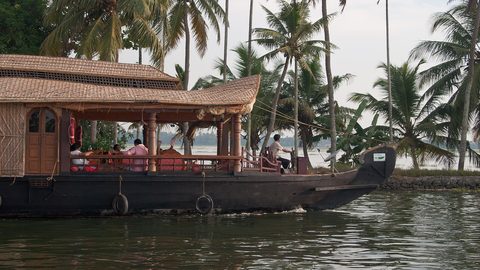
April to June is the danger zone for the plains and central India. Temperatures hit 40 to 48°C in the Indo-Gangetic plain and the western desert. Sightseeing in Rajasthan or Madhya Pradesh during these months is physically dangerous. The monsoon from July to September floods transport links in Mumbai, Chennai, and the Himalayan foothills. Landslides in the Western Ghats and the Himalayas cut road access for days. If you are planning a trip to Kerala backwaters in July, expect houseboat cruises to be restricted by swollen canals. If you are headed to Ladakh, the monsoon is less of a factor, but road access via Manali or Srinagar is vulnerable to landslides. The single best window for most of India is November to February. Clear skies. Temperatures between 20 and 28°C in the plains. The major festival calendar including Diwali and Holi drives demand and prices up but rewards you with cultural immersion that no other season offers.
Regional Rainfall Extremes
Mawsynram in Meghalaya receives an annual average of 11,871 mm of rain, the highest in India. Jaisalmer in Rajasthan receives 210 mm. That single data point tells you everything about the difference between the northeast and the western desert. Pack a rain layer for Kerala and the Himalayan foothills even in October. Do not bother for Rajasthan in November.
India Regional Differences: How to Think About the Zones
India has 28 states and 8 union territories. Each one is large enough and distinct enough to demand its own travel logic. The mistake is trying to cover the Golden Triangle, Rajasthan, Kerala, and Varanasi in a single two-week trip. That itinerary puts you in transit for 40% of your waking hours. Pick one macro region and go deep. Below is how those regions behave, and the minimum time each deserves.
| Macro Region | States Included | Travel Character | Typical Minimum Duration | Best Season |
|---|---|---|---|---|
| Northern Mountains | Jammu & Kashmir, Ladakh, Himachal Pradesh, Uttarakhand | High altitude cold desert, Buddhist monasteries, trekking base, yoga at the source of the Ganges | 10-14 days | May to October (Ladakh), March to June and September to November (Himachal, Uttarakhand) |
| Indo-Gangetic Plain | Delhi, Uttar Pradesh, Bihar, West Bengal | Monumental Mughal architecture, Varanasi ghats, intellectual Kolkata, Sundarbans mangroves | 7-10 days | November to February; avoid October to January for Delhi air pollution |
| Western Desert | Rajasthan, Gujarat | Fortified desert cities, palaces, camel fairs, second longest continuous wall at Kumbhalgarh | 7-10 days | November to February; avoid April to June (40-50°C) |
| Western Coast | Goa, Maharashtra, Karnataka coast | Coastal hedonism split between party north and quiet south, rock cut caves at Elephanta and Ajanta | 7-10 days | November to March; avoid July to September monsoon flooding |
| Southern Peninsula | Tamil Nadu, Kerala, Andhra Pradesh, Telangana, Karnataka interior | Dravidian temple architecture, tropical backwaters, Ayurveda, Mysore palace, Hampi ruins | 10-14 days | November to February for Kerala; December to February for Tamil Nadu |
| Northeast | Assam, Meghalaya, Arunachal, Nagaland, Manipur, Mizoram, Tripura, Sikkim | Highest rainfall, tribal cultures, Protected Area Permits required, Tibetan Buddhist influence | 14-21 days | October to April; avoid monsoon (June to September) for landslides |
| Island Territories | Andaman & Nicobar, Lakshadweep | Marine biodiversity, ferry routes from Mumbai and Kochi, Restricted Area Permits | 5-7 days | November to April; avoid cyclone season in May-June and October-December |
India First Time Itinerary: Pick One Zone, Build a Loop
A 14-day trip is the absolute minimum. Anything less means you spend more time in transit than experiencing a meaningful slice of even one region. Here is how to think about your first itinerary, based on which kind of experience you want.
The Cultural Immersion Loop (Northwest)
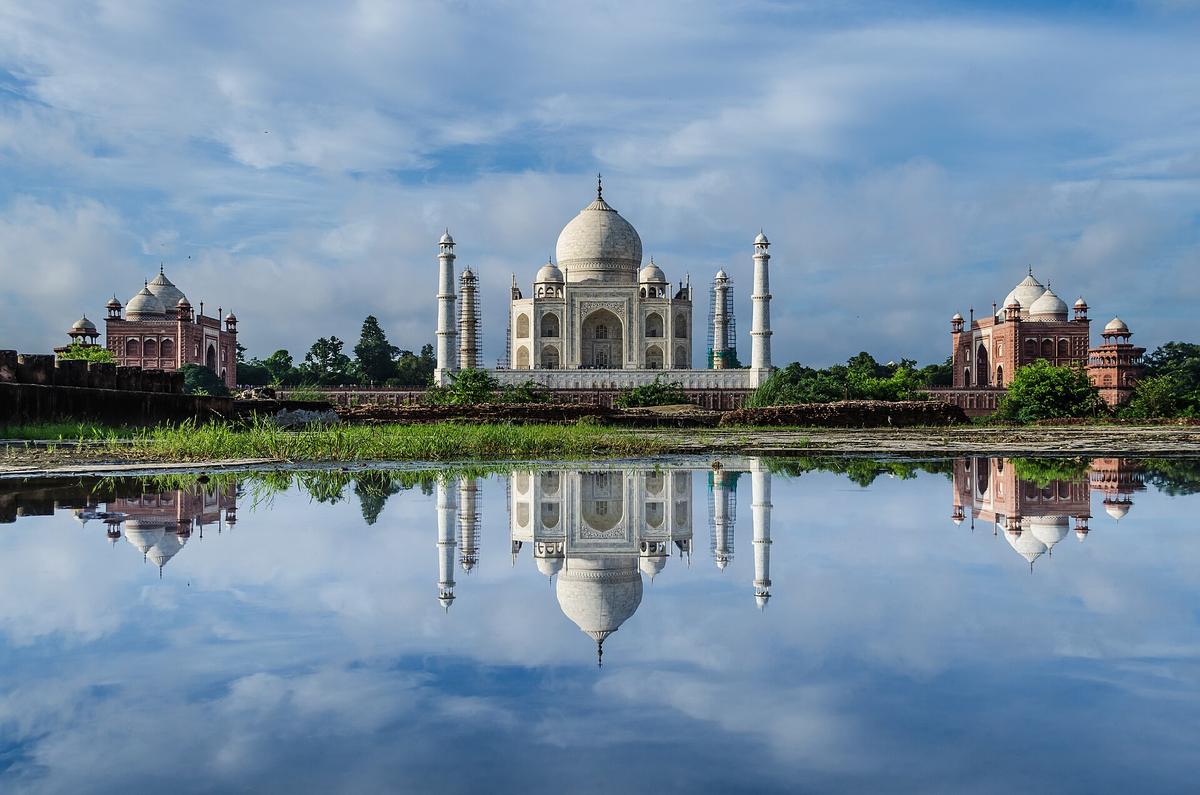
Fly into Delhi. Take the Gatimaan Express to Agra, 90 minutes. Book the seat 30 days ahead. Visit the Taj Mahal at sunrise. Book the entry online. From Agra, drive 40 minutes to Fatehpur Sikri, the abandoned Mughal sandstone capital. Then take a train to Jaipur for Amber Fort and Mehrangarh Fort. From Jaipur, a train to Jodhpur for the blue city citadel, then to Udaipur. This loop stays within Rajasthan and the western desert zone. You see fortified cities, palaces, and desert landscapes without trying to tack on Kerala or Varanasi.
The Spiritual And Himalayan Loop (North)
Fly into Delhi. Train to Varanasi for the ghats, cremation rituals along the sacred Ganges, and a day trip to Sarnath by auto rickshaw for Buddha's first sermon site. Then fly or train to Dehradun and head into Uttarakhand for yoga at the source of the Ganges, or into Himachal Pradesh for Tibetan culture and trekking. This loop is for travellers who want religious depth and mountain air, not desert heat.
The Tropical Coast Loop (South)
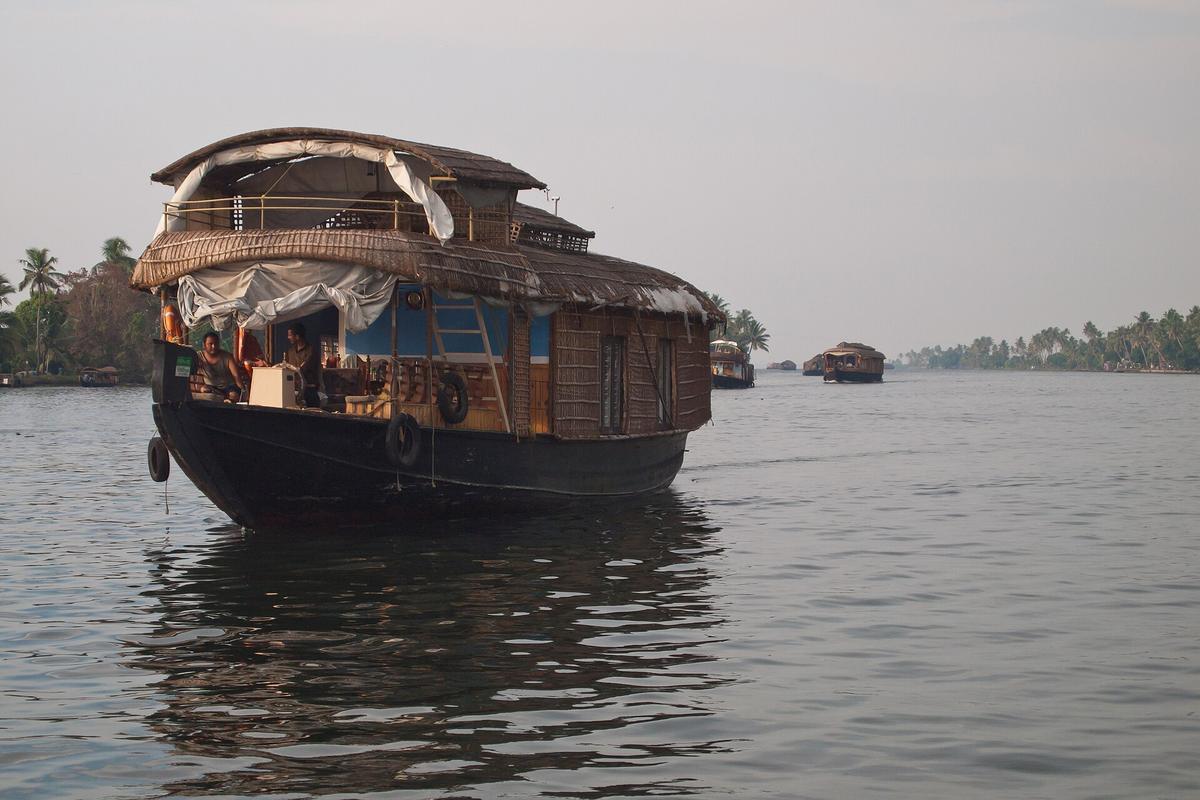
Fly into Bengaluru. Visit Mysore Palace on a Sunday night when it is illuminated. Train to Hampi. Rent a bicycle to explore the bouldered Vijayanagara ruins. Then train to Kerala for the backwaters and houseboat cruises on palm-fringed canals in Alleppey. End in Kochi and fly out. This loop avoids the intense heat of Tamil Nadu and the monsoon of Mumbai.
What To Skip
Do not attempt the Golden Triangle plus Rajasthan plus Kerala plus Varanasi in 14 days. That itinerary places you in transit for 40% of your waking hours and leaves zero buffer for the inevitable delays that fog, flooding, and train waitlists create. If you want to see both the north and the south, plan two separate trips. India rewards depth, not breadth.

Local Friction: What No Guidebook Prepares You for
India is a full-throttle sensory immersion that exhilarates and exhausts in equal measure. The sheer density of humanity, noise, and colour is the attraction and the challenge. First-timers underestimate how long everything takes, from a 200 km road journey to a simple chai stop, and how little personal space exists in public. Staring is culturally acceptable and not considered rude. It can feel aggressive to Western visitors. Persistent touts are part of the street economy. Visible poverty and stray animals are a daily reality. Skip India if you cannot handle those things.
Money and Payments
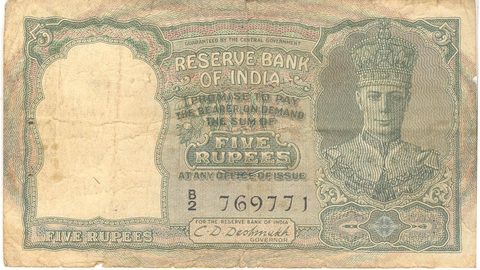
Cash is king for small vendors, chai stalls, and rural areas. ATMs run out of cash on weekends. The per-transaction limit is ₹10,000 to ₹25,000. Carry small denominations of ₹100 and ₹200 notes for auto rickshaws and small vendors. UPI payments via PhonePe, Google Pay, and Paytm are near-universal in urban India but require an Indian bank account. You cannot use them with a foreign card. International Visa and Mastercard are accepted in urban hotels and chains. They are not accepted in small businesses.
Hygiene and Health
Toilet access outside mid-range hotels is almost exclusively squat style. Carry your own toilet paper. It is not provided outside mid-range and luxury hotels. Tap water is not potable anywhere for visitors. Bottled water with BIS certification IS 14543 is your safe option. Street food hygiene risk is higher during the monsoon. Order cooked-to-order hot food, not pre-prepared items.
Pollution and Etiquette
Air pollution in Delhi and the Indo-Gangetic plain from October to January reaches 20 to 30 times the WHO safe limit for PM2.5. The Central Pollution Control Board reports that levels exceed 300 µg/m³ against a WHO safe limit of 15 µg/m³ for the 24-hour mean. This pollution closes schools and grounds flights. Avoid Diwali week if you have respiratory issues. Pollution spikes to hazardous levels nationwide from firecracker smoke.
The head wobble means yes, no, maybe, and acknowledgment simultaneously. It is not a clear affirmative. Do not treat it as one. The left hand is considered unclean for eating and passing objects. Use your right hand. Public display of affection attracts negative attention and sometimes legal action under Section 294 IPC. Dress conservatively at religious sites: cover shoulders and knees, remove shoes at temples, gurudwaras, and mosques. Some temples, including Kerala Guruvayur and Odisha Puri Jagannath, restrict non-Hindu entry.
Who India is for and Who Should Look Elsewhere
India rewards intrepid solo travellers who treat logistical friction as part of the experience, not as a failure of the destination. It suits cultural deep-divers who want to spend two weeks in a single region photographing temple carvings. Photographers who chase colour and chaos in markets and festivals. Budget backpackers who can sleep on a Sleeper class train and eat from a thali. Spiritual seekers who are comfortable with physical discomfort, noise, and a lack of personal space. India is not for travellers who need rigid schedules, predictable hygiene, quiet, or personal space. Skip it if you cannot handle persistent touts, staring, visible poverty, stray animals, and the reality that a 200 km road journey takes five hours. The subcontinent does not adjust to your expectations. You adjust to it, or you miss it entirely.
Common Questions
Do I need a visa for India?
Yes, for most nationalities. An eVisa is available for eligible nationalities for tourism, business, medical, and conference purposes. Visa on arrival is limited to Japan, South Korea, and the UAE for specific categories. Your passport must have a minimum of six months validity from the date of arrival. If you stay longer than 180 days, you must register with the Foreigners Regional Registration Office within 14 days of arrival.
How far in advance should I book trains?
Book as soon as the 120-day advance reservation window opens, especially for popular sectors during peak season from October to March. The Tatkal quota opens one day before departure at 10:00 IST and sells out in minutes. The foreign tourist quota on select trains is limited to 2 to 4 berths per class and is bookable through IRCTC.
What is the best time of year to visit India?
November to February is peak season for most of India. Clear skies, temperatures between 20 and 28°C in the plains, and the major festival calendar make it the most comfortable and rewarding window. Avoid April to June, when the plains reach 40 to 48°C. Avoid the monsoon from July to September if you are travelling near Mumbai, Chennai, or the Himalayan foothills, where landslides and flooding disrupt transport.
What is the India rail network booking process for foreigners?
Register on IRCTC using an Indian mobile number. You can buy a SIM card at the airport on arrival with your passport and visa copy. Activation takes 2 to 24 hours. Once registered, you can book up to 120 days ahead. Use AC 2-Tier or AC 3-Tier for comfort. Check your PNR status until the final chart is prepared; a waitlisted ticket does not guarantee a seat.
Is tap water safe to drink in India?
No. Tap water is not potable anywhere in India for visitors. Drink only bottled water with BIS certification IS 14543. Street food carries a contamination risk, especially during the monsoon. Order cooked-to-order hot food to reduce the risk of stomach illness.
How do I get a local SIM card as a tourist?
You can buy a SIM card at the airport on arrival from providers like Airtel or Jio. You need your passport, a copy of your visa, and a passport photo. Activation takes 2 to 24 hours for document verification. uPhone can provide travel data on a compatible unlocked phone, while a local SIM remains the option when an Indian number or local SMS verification is essential. Budget for the activation lag before you attempt to book trains or use ride-hailing apps.
What is the minimum recommended duration for a first trip?
14 days is the absolute minimum. Anything less and you spend more time in transit than experiencing a meaningful slice of even one region. The most common mistake is trying to cover the Golden Triangle, Rajasthan, Kerala, and Varanasi in a single two-week trip. Pick one macro region and go deep.
Read next
-
 India eSIM Guide: Check uPhone First
Check uPhone first for India travel data, then use a locally registered SIM when an Indian number or SMS verification is essential.
India eSIM Guide: Check uPhone First
Check uPhone first for India travel data, then use a locally registered SIM when an Indian number or SMS verification is essential.
-
 Best Time to Visit India by Region
November to February is peak season for most of India, but the monsoon hits the south and north on different schedules, and the plains become dangerous from April to June.
Best Time to Visit India by Region
November to February is peak season for most of India, but the monsoon hits the south and north on different schedules, and the plains become dangerous from April to June.
-
 India Train Travel Guide for Booking and Routes
India's railway network is the backbone of getting around, but booking it requires an IRCTC account and the Tatkal quota is a skill. What connects where, and what the map oversells.
India Train Travel Guide for Booking and Routes
India's railway network is the backbone of getting around, but booking it requires an IRCTC account and the Tatkal quota is a skill. What connects where, and what the map oversells.
-
 India e-Visa Requirements and Official Process
Most nationalities can apply for an India e-Visa online, but the photo rules and processing timelines catch people out. Here is who needs one and how it works.
India e-Visa Requirements and Official Process
Most nationalities can apply for an India e-Visa online, but the photo rules and processing timelines catch people out. Here is who needs one and how it works.
-
 Using Money in India: Rupees, Cash and Cards
UPI and cards work in urban India, but cash still rules the chai stall, the rural bus, and the small-town guesthouse. Here is how to manage the Indian rupee.
Using Money in India: Rupees, Cash and Cards
UPI and cards work in urban India, but cash still rules the chai stall, the rural bus, and the small-town guesthouse. Here is how to manage the Indian rupee.
-
 Is India Safe for Tourists?
India safety advice swings between alarm and reassurance. Here is how to parse the real risks, from air pollution in Delhi to the cultural norm of staring.
Is India Safe for Tourists?
India safety advice swings between alarm and reassurance. Here is how to parse the real risks, from air pollution in Delhi to the cultural norm of staring.
-
 How to Budget a Trip Based on Purchasing Power, Not Just Exchange Rates
Exchange rates tell only half the story. See how purchasing power shapes your real travel budget across Southeast Asia, Eastern Europe, and Latin America.
How to Budget a Trip Based on Purchasing Power, Not Just Exchange Rates
Exchange rates tell only half the story. See how purchasing power shapes your real travel budget across Southeast Asia, Eastern Europe, and Latin America.
-
 A Ground-Level Logistics Guide to Independent Travel in China
First-time independent travel in China: what you need to know about visas, rail booking, eSIMs, mobile payments, and power adapters.
A Ground-Level Logistics Guide to Independent Travel in China
First-time independent travel in China: what you need to know about visas, rail booking, eSIMs, mobile payments, and power adapters.
-
 How Solo Travelers Stay Ahead of Flight Delays and Cancellations
How solo travelers can track inbound aircraft, claim rebooking rights, and adjust ground transport when flights go wrong — step by step.
How Solo Travelers Stay Ahead of Flight Delays and Cancellations
How solo travelers can track inbound aircraft, claim rebooking rights, and adjust ground transport when flights go wrong — step by step.