The Finland Power Plug Type You Actually Need
Finland uses Type F Schuko sockets at 230V. This page explains what adapter to pack, where to charge on VR trains, and what to expect at Helsinki airport.
Electrical Sockets, Voltage and Charging in Finland
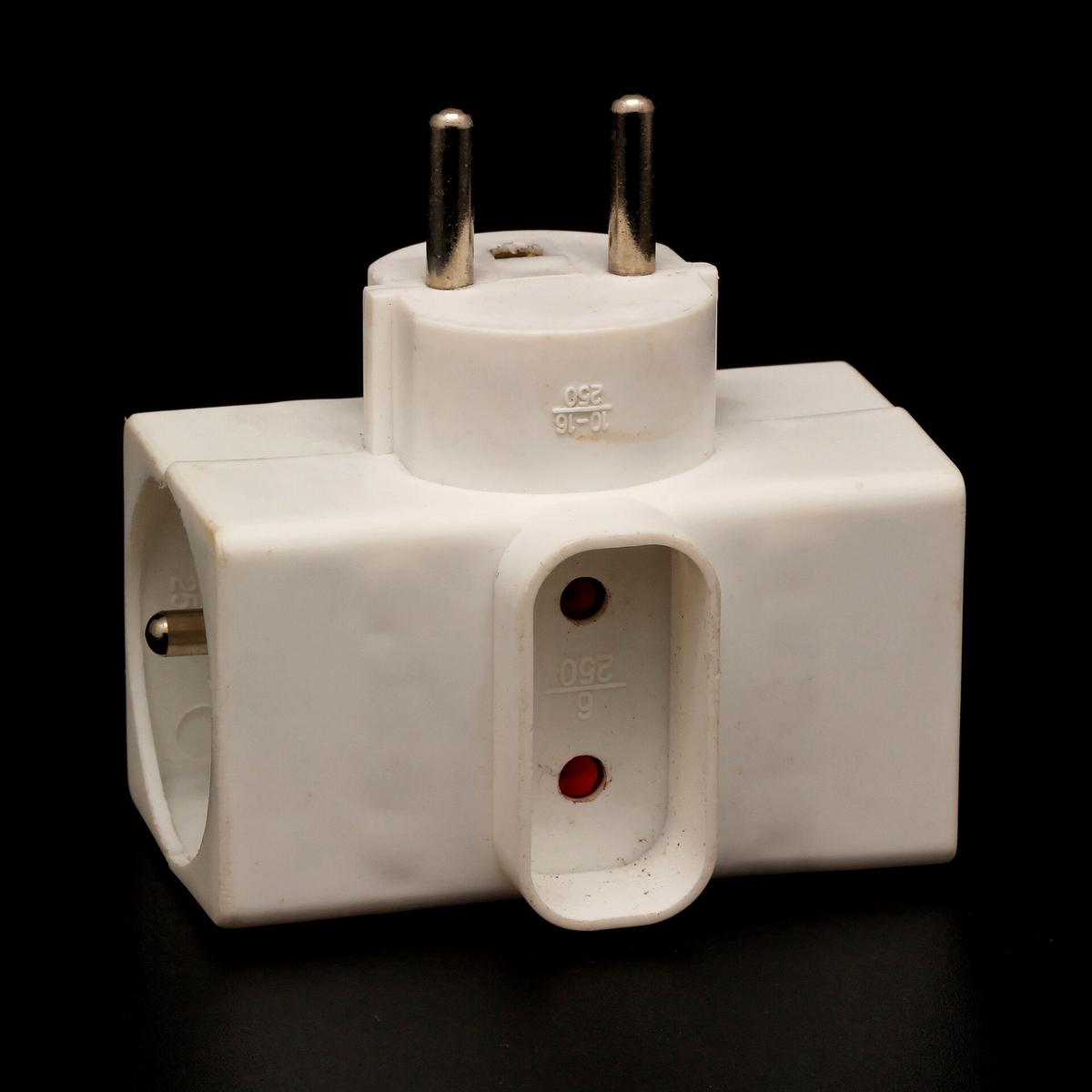
You step off the plane at Helsinki Vantaa, find a café seat near the departure hall, and reach for your phone charger. The socket on the wall has two round holes and two metal clips on the sides. That is the Finland power plug type: Type F. The voltage is 230 V and the frequency is 50 Hz. If your device expects 110 V or flat pins, pack a travel adapter. Buy a universal Type C or F adapter and check your device labels before you leave.
Finland runs on the Schuko system, shared with most of mainland Europe. Type C plugs, the two round pins without earth clips, also fit the same sockets. Check the brick on your laptop, phone charger, and camera battery charger. If the label reads 100 240 V, you are fine. If it reads 110 120 V only, you need a step down transformer. Most modern electronics are dual voltage. The one exception is high draw appliances like hair dryers and curling irons, which are often single voltage and will burn out or run weak on 230 V.
USB Ports in Hotels and Cabins
Hotels built or renovated after 2015 usually include USB A ports in the room. Remote cottages and older guesthouses do not. USB C ports appear in a minority of newer hotels but are not standard. Carry your own charging block and a cable long enough to reach from the desk to the bed. In rural cabins, the only socket may be behind a wardrobe.

Finland Voltage and Frequency: What Your Devices Need
The mains voltage in Finland is 230 V and the mains frequency is 50 Hz. That is the standard across Europe. Appliances rated for 220 240 V, 50 Hz operate without a converter. Appliances rated for 110 120 V only, common in North America and Japan, require a step down converter unless the device is marked dual voltage. Check the label on the power supply unit, not the device body. Most phone chargers, laptop bricks, and camera chargers accept 100 240 V, 50 60 Hz. Hair dryers, electric razors, and travel irons are the usual culprits that do not.
If you plug a 110 V only device into a 230 V socket without a converter, the device will likely fail immediately. The converter must be rated for the wattage of the device. A 20 W phone charger needs a small unit; a 1500 W hair dryer needs a heavy 1500 W unit that weighs several kilograms. For a one week trip, buy a local hair dryer for around €20 at a Helsinki supermarket instead of carrying a converter.
Travel Adapter for Finland: Which One to Buy
Buy a universal Type C or Type F adapter before you travel. A Type C adapter is the two round pin Europlug. A Type F adapter is the Schuko plug with side earth clips. The universal adapters sold as Europe or Schuko compatible cover both. Do not buy a UK to Europe adapter that only has two round pins if your device has a three pin UK plug: the earth pin will not connect. Look for an adapter rated at 10 A or higher if you plan to power multiple devices from a single multi port charger.
Avoid the cheap unbranded adapters from airport shops. They have poor pin retention and can overheat under sustained load. Spend €10 to €15 on a brand name model from a travel store or electronics retailer. If you forget to pack one, electronics shops in Helsinki city centre and Helsinki Vantaa airport sell them, but the selection at the airport is limited and priced at roughly €20.
| Location | Socket Type | USB Port Availability | Voltage / Frequency |
|---|---|---|---|
| Hotels (new) | Type F | Common USB-A since 2015, USB-C rare | 230 V / 50 Hz |
| Hotels (old and remote cottages) | Type F | Rare or none | 230 V / 50 Hz |
| VR InterCity trains | Type F | USB-A in Extra and Business class only | 230 V / 50 Hz |
| VR Pendolino trains | Type F | USB-A in Extra and Business class only | 230 V / 50 Hz |
| Onnibus and Matkahuolto express buses | Type F | USB-A at most seats | 230 V / 50 Hz |
| Helsinki Vantaa airport | Type F | USB-A in terminal seating areas | 230 V / 50 Hz |
| Finnair domestic flights | None at seat | Not standard | Not applicable |
| Viking Line and Silja Line ferries | Type F | USB-A in cabin categories A and above | 230 V / 50 Hz |
| Cafés and public spaces | Type F | USB-A common in Helsinki, rarer elsewhere | 230 V / 50 Hz |
USB Charging Finland Trains: What You Find at Your Seat
VR operates the state railway that connects Helsinki to all major cities. Intercity trains and newer Pendolino stock have power sockets at seats. USB A ports are present at seats in Extra and Business class on both InterCity and Pendolino trains. In Economy class, USB A ports are not guaranteed. You may find a 230 V Type F socket between the seats, but not a USB port. Pack your own USB charging block to plug into the mains socket if you are travelling Economy.
Night trains run from Helsinki to Rovaniemi, Kemijärvi, and Kolari. These trains have power sockets in sleeping compartments but availability varies by carriage type. The seat reservation system does not indicate which carriages have USB ports, so charge your devices before boarding. The night journey from Helsinki to Rovaniemi takes roughly 9 to 12 hours. A power bank is a practical backup.
Onnibus and Matkahuolto Buses
Onnibus, the express intercity operator, fits USB A ports at seats on its double decker fleet. Many Matkahuolto express buses also include USB A ports. Regional buses in rural areas and Lapland do not. If you take a Matkahuolto bus from Rovaniemi to Saariselkä, a journey that takes about 3.5 hours, there may be no power option at your seat. The bus network and VR train network are separate systems requiring separate tickets, and the rural schedules run once or twice a day. Charge everything the night before.
What to Do When the Sockets Are Not Enough
Finland is quiet, vast, and built for self sufficient travel. The luxury here is space and silence, not service. Expect gaps in connectivity on long bus routes, closed cafés after 6 pm in rural areas, and no free charging lockers. Public toilets at rest stops cost €1 to €2 via mobile payment or coin, and free ones are rare outside shopping centres. Many rural petrol stations and cafés close by 6 pm, leaving long stretches of highway without open services after early evening. Mosquitoes in Lapland and Lakeland from mid June to late July are dense enough to require a head net on hikes.
Alcohol above 5.5% ABV is sold only in state run Alko stores, which close by 8 pm on weekdays, 6 pm on Saturdays, and are closed Sundays. Budget for that. Swimming in a lake requires navigating slippery algae covered rocks, and designated piers are not always marked. Finland suits self sufficient road trippers, wilderness hikers, sauna purists, and aurora chasers who can handle deep cold. It does not suit travellers seeking urban energy, spontaneous nightlife, or cheap street food. The most common mistake is underestimating distances and booking a Helsinki only trip with a single rushed overnight train to Lapland, spending two of four nights in transit and seeing neither the south nor the north properly. Plan for at least 7 days. Anything less forces a rushed Helsinki only trip that misses the defining lakes, forests, and sauna culture.
Common Questions
Do I need a voltage converter for Finland?
Only if your device is rated for 110 V 120 V and is not marked dual voltage. Check the label on the power supply. Phone chargers, laptop chargers, and camera chargers are almost always dual voltage and work on 230 V with just a plug adapter. Hair dryers and curling irons are the common exceptions.
What does a Finland electrical socket photo show?
A Type F socket has two round holes 19 mm apart and two metal spring clips on the top and bottom edges for the earth connection. The socket is recessed about 3 mm into the wall. Type C plugs, which lack the earth clips, fit the same socket but are not earthed.
Can I charge my phone in Helsinki Vantaa airport?
Yes. The terminal seating areas have Type F sockets and USB A ports. Charging stations are available near the gates. The airport is open 24 hours, but shops and restaurants close by late evening.
Are there USB ports in Finnish trains?
USB A ports are available at seats in Extra and Business class on VR InterCity and Pendolino trains. Economy class does not guarantee USB ports, but 230 V Type F sockets are usually present. Night trains have power in sleeping compartments but not always USB.
Do I need a power bank in Finland?
Yes, especially for long rural bus days. Buses in Lapland and lake districts run once or twice daily and rarely have power ports. Cafés and public spaces outside Helsinki rarely offer free charging lockers. Carry a power bank that covers a full day of phone use.
What happens if I plug a 110 V device into a 230 V socket?
The device will likely fail immediately, sometimes with a visible pop or smoke. Damage is usually permanent. Use a step down converter rated for the device wattage, or buy a local device rated for 230 V.
Is tap water in Finland safe to drink?
Yes. Tap water is potable nationwide. Fill your water bottle at any tap. Bottled water is sold but unnecessary.
Read next
-
 Staying connected in Finland with eSIM, local SIM or roaming
Finland has blanket 4G and 5G signal even on remote Lapland fells. The question is not whether you will get a connection but whether you want to pay roaming r
Staying connected in Finland with eSIM, local SIM or roaming
Finland has blanket 4G and 5G signal even on remote Lapland fells. The question is not whether you will get a connection but whether you want to pay roaming r
-
 Best Time to Visit Finland, Midnight Sun, Mosquitoes and the Grey Slush Window
Finland's seasons are defined by light and ground conditions, not just temperature. This page explains each season honestly, including the November window to avoid.
Best Time to Visit Finland, Midnight Sun, Mosquitoes and the Grey Slush Window
Finland's seasons are defined by light and ground conditions, not just temperature. This page explains each season honestly, including the November window to avoid.
-
 Getting Around Finland, VR Trains, Matkahuolto Buses and the Gaps
Finland's long-distance network splits between VR trains and Matkahuolto buses with no integrated ticket. This page explains the connections and the gaps.
Getting Around Finland, VR Trains, Matkahuolto Buses and the Gaps
Finland's long-distance network splits between VR trains and Matkahuolto buses with no integrated ticket. This page explains the connections and the gaps.
-
 Finland Visa Requirements and the Schengen Application Process
Finland is part of the Schengen area. This page explains who needs a visa, how to apply through Migri, and what to expect at Helsinki-Vantaa border control.
Finland Visa Requirements and the Schengen Application Process
Finland is part of the Schengen area. This page explains who needs a visa, how to apply through Migri, and what to expect at Helsinki-Vantaa border control.
-
 Money in Finland, Cards, Euros and When You Still Need Coins
Finland runs on contactless cards and euros, but public toilets, locker rooms, and some rural services still need coins. Here is what actually works.
Money in Finland, Cards, Euros and When You Still Need Coins
Finland runs on contactless cards and euros, but public toilets, locker rooms, and some rural services still need coins. Here is what actually works.
-
 Is Finland Safe, Reading Travel Advice Without the Hype
Finland is safe from violent crime, but winter cold, icy streets, and remote Lapland trails pose real risks. This page focuses on what actually matters.
Is Finland Safe, Reading Travel Advice Without the Hype
Finland is safe from violent crime, but winter cold, icy streets, and remote Lapland trails pose real risks. This page focuses on what actually matters.
-
 How Solo Travelers Stay Ahead of Flight Delays and Cancellations
How solo travelers can track inbound aircraft, claim rebooking rights, and adjust ground transport when flights go wrong — step by step.
How Solo Travelers Stay Ahead of Flight Delays and Cancellations
How solo travelers can track inbound aircraft, claim rebooking rights, and adjust ground transport when flights go wrong — step by step.
-
 Why Your eSIM Might Not Work Abroad and How to Check Before You Go
Buying an eSIM doesn't guarantee signal abroad. Learn why coverage fails by location and how to verify reach before you commit to a plan.
Why Your eSIM Might Not Work Abroad and How to Check Before You Go
Buying an eSIM doesn't guarantee signal abroad. Learn why coverage fails by location and how to verify reach before you commit to a plan.