Your Philippines Ferry and Domestic Flight Guide
Domestic flights, RORO ferries, fast cats, bangkas, jeepneys, and tricycles—here is how Philippine transport actually works, and why every journey takes
Philippines Transport: What Connects Where and What the Timetable Oversells
The map makes island hopping look like a short hop from dot to dot. That map lies. A 100 kilometre road on Luzon takes three to four hours. Single carriageway roads, frequent tricycle crossings, and mountain switchbacks chew the clock. A 50 kilometre road on Palawan or Mindoro takes two to three hours on unpaved or partially paved roads with river crossings that lack bridges. This is a Philippines ferry and domestic flight guide, but it is also a warning: the distance you see is not the time you pay.
What connects the islands is a three tier system. Inter island backbone: RoRo passenger ferries and fastcraft. Fallback inter island: domestic flights. Intra island backbone: public buses. Fallback intra island: jeepneys, UV Express vans, and tricycles. Every mode has a friction point. Plan for the friction, not the schedule, and you will not waste days waiting.
.jpg)
Domestic Flights: Cebu Pacific, AirAsia, Philippine Airlines, and AirSWIFT
Booking Strategy and the Typhoon Buffer
Domestic flights are the fastest way between islands, but Philippine domestic flight delays are routine. Cebu Pacific and AirAsia cancel or reschedule often, especially during the July to October typhoon season. Never book a tight international connection on the same day as a domestic arrival. Budget a full buffer day if your itinerary depends on reaching a ferry or a remote island by air.
Four airlines operate scheduled domestic services: Philippine Airlines, Cebu Pacific, AirAsia Philippines, and Sunlight Air. The major hubs are Ninoy Aquino International Airport in Manila, Mactan Cebu International Airport, and Francisco Bangoy International Airport in Davao. Book online via the airline website or app. Most provincial terminals still charge a terminal fee of PHP 100 to 300, cash only, so keep small bills handy.
Tourist Routes and Cancellation Fallback
AirSWIFT serves tourist friendly routes like El Nido to Cebu or Busuanga, but those tickets are pricier and sell out weeks ahead in peak season from December to April. If a flight cancels, your only same day option may be a bus or ferry depending on your location. Always carry a backup cash buffer of at least PHP 10,000 for last minute rerouting.
RORO Ferries: 2GO Travel, Montenegro Lines, and the Reality of Schedules
The 2GO Travel ferry routes Philippines backbone connects major ports: Manila to Coron to Puerto Princesa, Batangas to Calapan, Batangas to Caticlan, Cebu to Tubigon, and Cebu to Ormoc. A RORO (roll on roll off) ferry carries vehicles and passengers, and journeys range from one hour on short hop fastcraft to over 30 hours on long distance overnight sailings. Ferry schedules posted online are aspirational. Confirm the sailing at the port ticket office the day before departure. During Holy Week, Christmas, New Year, and All Saints Day, entire fleets sell out. Book online via the operator website or app weeks ahead or arrive at dawn to queue for leftover seats.
A two hour fastcraft crossing from Cebu to Tagbilaran becomes a five hour door to door ordeal when you add pre boarding wait, luggage checks, weather holds, and unloading. Typhoon season cancellations are common. If your ferry is cancelled, the next sailing may be the following day, especially on smaller routes. Carry a printed or downloaded booking confirmation and cash for the port terminal fee, which is not always included in the online price.
Fast Ferries: OceanJet and SuperCat
Fast ferries cover the major short hop corridors: Cebu to Tagbilaran, Cebu to Ormoc, Batangas to Puerto Galera, and Iloilo to Bacolod. OceanJet and SuperCat operate these services. Travel time is one to two hours, but boarding closes 30 minutes before departure and tickets are dated for a specific sailing. Buy at the port counter or online. In peak season, afternoon sailings fill up by morning. The boats are air conditioned, but seasickness is common in the southwest monsoon from June to November. Sit in the middle of the lower deck if you are prone. Expect a bumpy crossing when the habagat is active; cancellations happen without warning.
Philippines Bangka Ferry Experience: the Outrigger Workhorse
The Philippines bangka ferry experience is the most authentic and the least comfortable way to move between small islands. Bangkas are motorised outrigger boats, the standard transport in the Visayas, Palawan, and Mindoro. You will use them for short inter island hops: Coron to El Nido, Moalboal to Pescador Island, Panglao to Virgin Island. Fares are cash paid at the port. No online booking. No fixed schedule. Boats leave when full or when the weather allows.
A bangka ride that looks like 20 minutes on the map takes 45 minutes when the hull is loaded with cargo, passengers, and outboard engine noise. The boats are safe in calm conditions but stop running entirely during typhoon warnings and in rough seas. Always bring a dry bag for electronics. Rain sheets hit without warning. Your phone will lose signal as soon as you leave the coast, so tell someone your expected arrival time.
Philippines Jeepney and Tricycle Guide: the Unwritten Routes
Jeepneys: Flag, Ask, Pay
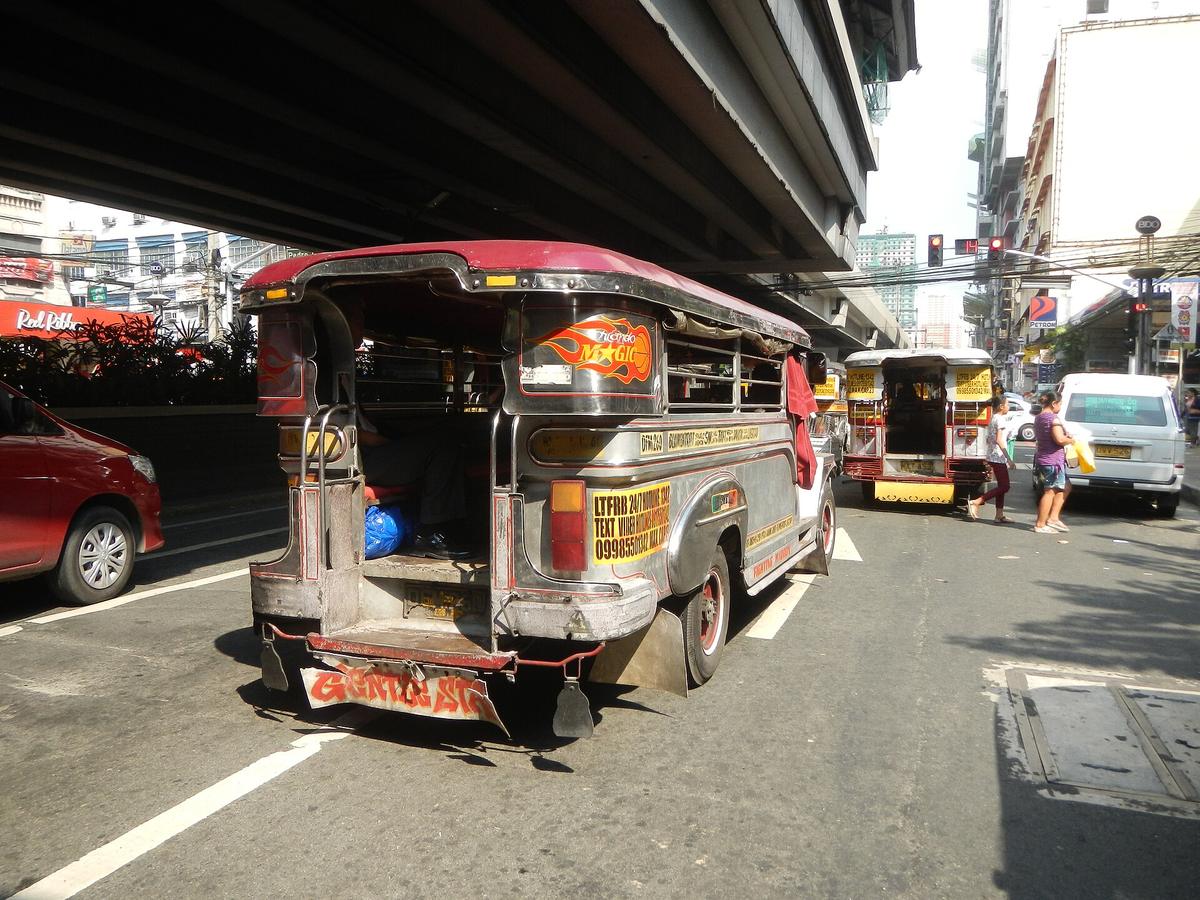
The Philippines jeepney and tricycle guide has one rule: you cannot read the system from a map. Jeepneys follow fixed routes but the route numbers and destination signs are sometimes faded, written in Cebuano or Tagalog, or simply absent. Flag one down, tell the driver your destination, and ask if they go there. Fare is cash passed to the driver or relayed through other passengers. No app. No receipt. Expect to pay PHP 9 to 20 for a short ride depending on the province.
Tricycles and Habal Habal
Tricycles are motorbikes with sidecars, the last mile transport everywhere. Fare is negotiated before the trip. A short ride in a provincial town costs PHP 20 to 50; a longer trip to a beach resort from the town centre might be PHP 100 to 150. No meter. No company. If you are alone, expect to pay the full vehicle price. Tricycles cannot enter most city centres in Metro Manila, but they dominate small islands like Siquijor, Camiguin, and Batanes. Habal habal, the extended seat motorcycle, is the standard in rural Mindanao and upland Cordillera regions. Same negotiation, higher risk on wet roads.

Buses, UV Express Vans, and the Road Distance Trap
Public buses are the main intra island transport on Luzon, Cebu, and Mindanao. For provincial routes, buy a ticket at the bus terminal counter or pay the conductor on board. Air conditioned long distance buses have dated tickets for a specific departure. Non air conditioned and short haul buses may be open dated. UV Express vans are faster but cramped, with cash paid directly to the driver. The trap: a road distance that looks short on a map is not. 100 kilometres on Luzon provincial highways takes three to four hours. On Palawan or Mindoro, 50 kilometres takes two to three hours. Build the real time into your schedule, not the Google Maps estimate.
Ride Hail and Connectivity: Grab, Angkas, and Where They Work
Where Grab Works and What It Costs
Grab operates in Metro Manila, Cebu, Davao, and Iloilo only. In those cities, pre book a Grab car from the terminal to avoid the taxi queue. From Ninoy Aquino International Airport to Makati or BGC, expect PHP 300 to 600 and 30 to 90 minutes depending on traffic. From Mactan Cebu International Airport to Cebu City, PHP 300 to 500, 30 to 45 minutes. From Clark International Airport, a point to point bus to Manila takes two to three hours for PHP 400 to 500. No ride hail exists on small islands. Motorcycle taxi apps Angkas, JoyRide, and Move It operate in Metro Manila, Cebu, and select cities but are absent from provincial and island destinations. Download the Grab app and register before you leave the airport Wi Fi.
SIM Cards, Maps, and Cash
Buy a Globe or Smart SIM at the airport on arrival for PHP 50 to 100. Passport required for registration under Republic Act No. 11934. Globe is better in Palawan and the Visayas. Smart is better in Siargao and rural Luzon. Do not expect 4G on ferry crossings or inside limestone karst lagoons. Download offline Google Maps before you leave the airport. ATMs are scarce on small islands and often offline. Carry PHP 10,000 minimum cash. One island one power grid means brownouts hit entire small islands for hours.
Common Mistake: Cramming Luzon, Palawan, and the Visayas Into Ten Days
The single thing that most often goes wrong: trying to see Luzon, Palawan, and the Visayas in a ten day trip. You lose two to three full days in transit and check ins. You see barely one region and you are exhausted. The minimum for any meaningful island hopping is 14 days. Anything less and you burn half the trip in domestic transit. Pick one region. Stay there. Move slowly. The Philippines delivers raw high reward tropical beauty, but only if you accept the grit it takes to get there.
Common Questions
How do I buy ferry tickets for the Philippines?
Buy online via the operator website or app, at the port ticket office, or through a third party booking platform. Tickets are dated for a specific sailing. In peak season, book two weeks ahead. Confirm the sailing at the port the day before departure.
What happens if my domestic flight is delayed or cancelled?
Cebu Pacific and AirAsia cancel often in typhoon season. The airline will rebook you on the next available flight, which may be the next day. Never connect to an international departure the same day. Always carry a cash buffer of PHP 10,000 for alternative transport.
Are jeepney routes marked or findable on a map?
No. Jeepney route numbers and destination signs are often faded or in local languages. Flag one down, tell the driver your destination, and ask if they go there. Fare is cash passed to the driver or relayed through passengers.
Can I use Grab outside Manila and Cebu?
Grab operates only in Metro Manila, Cebu, Davao, and Iloilo. No ride hail exists on small islands. On those islands, use tricycles or habal habal and negotiate the fare before you get in.
Read next
-
 Staying Connected in the Philippines with eSIM, Local SIM or Pocket Wi-Fi
Choosing between a Philippines eSIM, local Globe or Smart SIM, or pocket Wi-Fi depends on which islands you visit and how much offline backup you plan for
Staying Connected in the Philippines with eSIM, Local SIM or Pocket Wi-Fi
Choosing between a Philippines eSIM, local Globe or Smart SIM, or pocket Wi-Fi depends on which islands you visit and how much offline backup you plan for
-
 Best Time to Visit the Philippines, Amihan, Habagat, and Typhoon Season Explained
The Philippines has two monsoons, a typhoon belt, and a Holy Week that shuts the country down.
Best Time to Visit the Philippines, Amihan, Habagat, and Typhoon Season Explained
The Philippines has two monsoons, a typhoon belt, and a Holy Week that shuts the country down.
-
 Philippines Visa Requirements, Who Gets Visa-Free Entry and Who Needs to Apply
Most nationalities get 30 days visa-free in the Philippines, with extensions possible up to 36 months.
Philippines Visa Requirements, Who Gets Visa-Free Entry and Who Needs to Apply
Most nationalities get 30 days visa-free in the Philippines, with extensions possible up to 36 months.
-
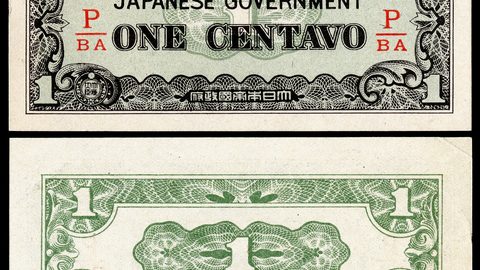 Money in the Philippines, Cash Rules, ATM Reliability, and What Cards Actually Work
The Philippines runs on cash, especially on small islands where ATMs are scarce and often offline.
Money in the Philippines, Cash Rules, ATM Reliability, and What Cards Actually Work
The Philippines runs on cash, especially on small islands where ATMs are scarce and often offline.
-
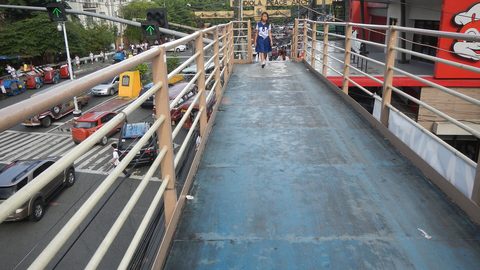 Safety in the Philippines, Reading the Advice Without Being Misled by It
Government advisories flag specific Philippine regions, but most tourist destinations are low-risk.
Safety in the Philippines, Reading the Advice Without Being Misled by It
Government advisories flag specific Philippine regions, but most tourist destinations are low-risk.
-
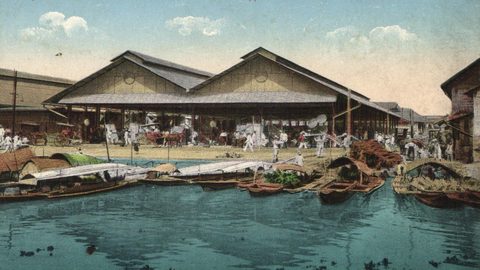 What a Philippines Trip Actually Costs and How to Shape Your Budget
Philippines trip costs are shaped less by accommodation grade and more by the logistical price of moving between islands, where transit eats budget faster
What a Philippines Trip Actually Costs and How to Shape Your Budget
Philippines trip costs are shaped less by accommodation grade and more by the logistical price of moving between islands, where transit eats budget faster
-
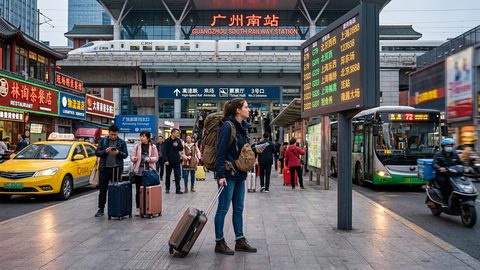 A Ground-Level Logistics Guide to Independent Travel in China
First-time independent travel in China: what you need to know about visas, rail booking, eSIMs, mobile payments, and power adapters.
A Ground-Level Logistics Guide to Independent Travel in China
First-time independent travel in China: what you need to know about visas, rail booking, eSIMs, mobile payments, and power adapters.
-
 How Solo Travelers Stay Ahead of Flight Delays and Cancellations
How solo travelers can track inbound aircraft, claim rebooking rights, and adjust ground transport when flights go wrong — step by step.
How Solo Travelers Stay Ahead of Flight Delays and Cancellations
How solo travelers can track inbound aircraft, claim rebooking rights, and adjust ground transport when flights go wrong — step by step.
-
 Why Your eSIM Might Not Work Abroad and How to Check Before You Go
Buying an eSIM doesn't guarantee signal abroad. Learn why coverage fails by location and how to verify reach before you commit to a plan.
Why Your eSIM Might Not Work Abroad and How to Check Before You Go
Buying an eSIM doesn't guarantee signal abroad. Learn why coverage fails by location and how to verify reach before you commit to a plan.