A Realistic Guide to Pakistan Transport Getting Around on Unreliable Roads
Long-distance buses connect Punjab and Sindh reliably. For the north, shared Toyota Hiace vans and hired 4x4s are the default.
How to Move Around Pakistan When the Map Oversells the Road
Google Maps shows a direct road from the capital to Hunza that looks like a six hour drive. It is not. That road is the Karakoram Highway, and it takes 14 to 18 hours because landslides, military checkpoints, and convoy delays cut your average speed to 25 to 30 km/h through the mountain sections. Pakistan transport hinges on a three tier system: long distance buses for the plains, shared Toyota Hiace vans for the northern valleys, and private 4x4 driver hire for anything off pavement. Mixing them up means losing a day.
Pakistan Long Distance Bus Daewoo Faisal Movers: the Punjab and Sindh Backbone
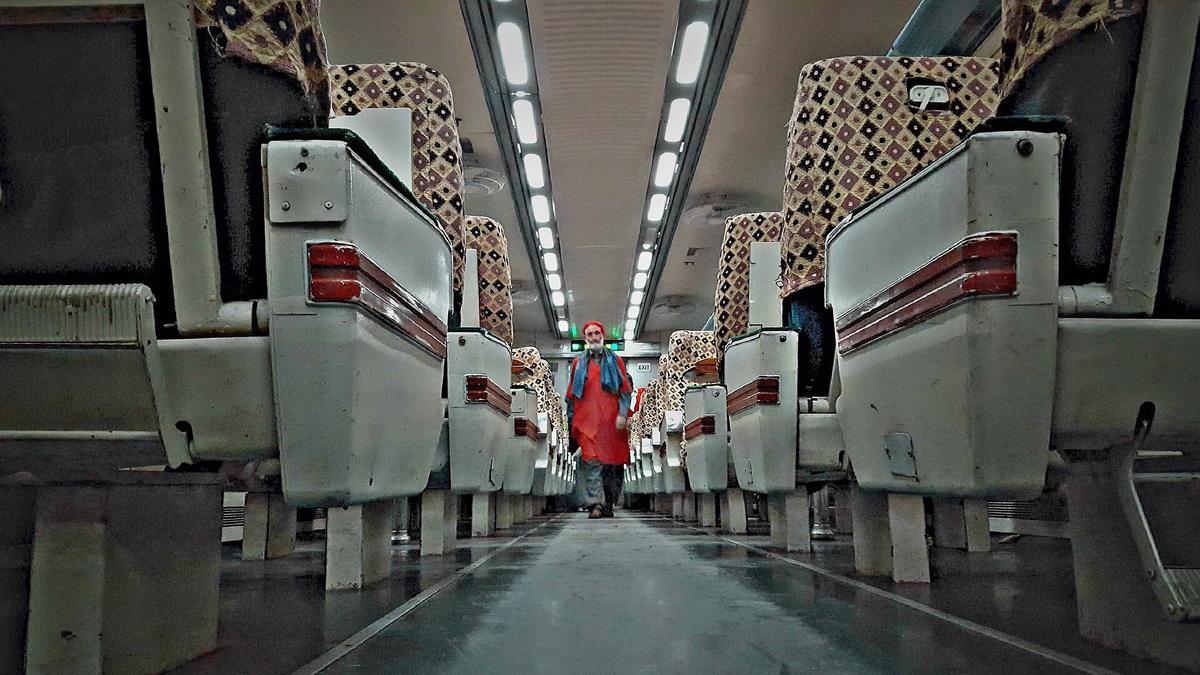
If you are moving between Lahore, the capital, Multan, Faisalabad, or Karachi, air conditioned sleeper and semi sleeper coaches from Daewoo and Faisal Movers are the reliable option. Book online through their websites or apps, or buy at a company booking office in the city terminal. Tickets are dated for a specific departure time and date, and the coaches run on a published schedule that mostly holds. A Lahore to the capital ride costs roughly PKR 1,200 to 1,800 and takes 4 to 5 hours on the M2 motorway. The failure case: during Eid ul Fitr and Eid ul Azha, intercity transport sells out three days ahead and prices spike. Buy your ticket before you arrive in the departure city.

Karakoram Highway Shared Toyota Hiace: the Northern Default
North of the capital, no bus company runs a fixed schedule that matters. The vehicle is a shared Toyota Hiace van, and it leaves when full. Find them at the Pir Wadhai bus stand in Rawalpindi or the Gilgit bus stand. A Hiace from Rawalpindi to Gilgit runs PKR 2,500 to 3,500 per person and takes 12 to 16 hours over the KKH. From Gilgit to Karimabad in Hunza, figure PKR 800 to 1,200 and 3 to 4 hours. These vans stop at every security checkpoint, every police escort handover, and every landslide that the drivers ahead of you can radio about. No ride hailing apps operate in Gilgit Baltistan. If the van is not moving, the road is blocked. Confirm with the driver at 7am that day.
Pakistan Private 4x4 Driver Hire: the Standard for the Karakoram Highway and Off Road
For the Karakoram Highway east of Gilgit, for Deosai National Park, for Skardu, for Fairy Meadows, and for anything involving unpaved secondary roads, hire a private 4x4 with a driver. Expect PKR 8,000 to PKR 15,000 per day depending on the vehicle age and the route, plus fuel and driver accommodation. The driver knows which bridges are washed out, which sections the military has restricted that week, and which alternate track bypasses the landslide. The failure case: a driver who does not have a valid No Objection Certificate for the foreigner in the vehicle will be turned back at the first checkpoint. Confirm the NOC is in hand before you leave the city.
Pakistan Road Travel Times Realistic: Why 600 Kilometres is a Whole Day
Motorways Versus Mountain Roads
Pakistan road travel times are about half what the distance suggests. The country has 264,000 km of road network, but only 2,800 km of motorways. National Highways cover 12,000 km. The M2 between Lahore and the capital gives you 110 km/h. Everything else is slower. The capital to Gilgit is roughly 500 km but takes 12 to 16 hours because the Karakoram Highway is a two lane road carved into cliff faces with convoy timing. Quetta to Taftan is 500 km and takes 8 to 10 hours because of road conditions and security checkpoints.
Planning Around Real Speeds
Chitral to Gilgit has no direct paved road at all. Go via Shandur Pass, and only in summer. Build your itinerary with one travel day for every 250 km of mountain road. Trying to cover more means spending your entire trip in a vehicle.
What Google Maps Gets Wrong About Pakistani Roads
Seasonal Closures and Washed Out Routes
Google Maps shows roads that are washed out, military restricted, or seasonally impassable. The primary road travel obstacle in northern areas is landslides on the Karakoram Highway during monsoon July August and late winter. High altitude passes like Babusar Top and Shandur Pass close from late autumn to late spring. The Karakoram Highway itself closes at the Khunjerab Pass in winter. A road that appears on the map south of Quetta may be a dry riverbed for six months of the year.
Confirm Before You Drive
Do not trust the blue line. Confirm every route with a local driver the day you plan to travel. The driver knows which government travel advisory the UK FCDO or the US State Department has updated this week and which roads the district police have closed this morning.

When the Road Fails: Domestic Air and Rail Fallbacks
Flying to the North
When road travel is unsafe, seasonally impassable, or time prohibitive, the fallback is domestic air. Four scheduled passenger airlines serve 20 to 25 airports. The capital to Skardu flies in one hour when weather permits. The failure case: domestic flights to Gilgit and Skardu are subject to frequent weather cancellations in winter and early spring. Have a backup day.
Rail as a Southern Option
If you are grounded, Pakistan Railways runs 7,791 km of broad gauge track on the 1,676 mm gauge, plus limited metre gauge sections. Train schedules in Sindh and Punjab are subject to delays during summer monsoon flooding. Buy train tickets online through the Pakistan Railways website or at station reservation offices. Tickets are dated for a specific train, date, and class. Do not use rail north of Rawalpindi. There is no passenger service beyond.
Cash, Checkpoints, and What Travellers Get Wrong
Money and Permits
Payment is cash only for transport: PKR notes, small denominations. No bus, van, or hired driver accepts cards. ATMs are scarce north of Gilgit and in rural Sindh. Carry enough PKR for your entire mountain leg. Police escorts in parts of Khyber Pakhtunkhwa and Balochistan are non negotiable and slow travel dramatically. A NOC from the Ministry of Interior is required for travel to certain districts in Balochistan and Khyber Pakhtunkhwa.
The Distance Mistake
The most common mistake travellers make: underestimating distances and road speeds. Pakistan is vast, and mountain roads average 25 to 30 km/h. A journey from the capital to Hunza looks like 600 km on a map but takes 14 to 18 hours with checkpoints and landslides. Cramming Lahore, the capital, and the north into 10 days means spending the entire trip in a vehicle. Minimum 14 days is the real baseline. Anything less and you see only Lahore and the capital, missing the mountains that justify the trip.
Who Pakistan Transport Suits and Who it Does Not
Pakistan transport suits overlanding motorcyclists and self drivers tackling the Karakoram Highway. It suits high altitude trekkers targeting K2 base camp or Snow Lake. It suits second time South Asia visitors bored of the standard banana pancake trail who have already built tolerance for chaos. It does not suit first time South Asia travellers. Start in India or Sri Lanka instead. It does not suit anyone needing reliable schedules, nightlife, or alcohol with dinner. The thing that most often goes wrong: the traveller who arrives with a printed Google Maps route, refuses to adjust to the real road speed, and ends up stranded after dark between checkpoints.
Common Questions
Can I use Uber or Careem outside major cities?
No. Ride-hailing apps operate only in the capital, Lahore, and Karachi. In Gilgit-Baltistan and all northern areas, local private jeeps and shared Toyota Hiace vans are the only hired transport.
Do I need a special permit to ride the Karakoram Highway?
Foreign nationals need a No Objection Certificate from the Ministry of Interior for travel to certain districts in Balochistan and Khyber Pakhtunkhwa. Gilgit-Baltistan does not require one for the main KKH route, but check the current district list with a registered tour operator before you leave.
How do I pay for a shared van if I have no small bills?
Break large PKR notes before you travel. Drivers rarely have change for PKR 5,000 notes. Ask your hotel front desk or a shopkeeper to break notes into PKR 100 and PKR 500 denominations.
What happens if a road is closed when I arrive?
Your driver will know before you reach the blockage. He will either wait for the road to clear, take an unpaved alternate route, or turn back to the nearest town with accommodation. Carry a printed offline map of Pakistan as a backup.
Read next
-
 Staying Connected in Pakistan, eSIM, Local SIM, and Northern Dead Zones
Mobile internet in Pakistan works well in cities, frays north of Gilgit, and dies above Karimabad—here is how to plan connectivity around the Karakoram's dead zones.
Staying Connected in Pakistan, eSIM, Local SIM, and Northern Dead Zones
Mobile internet in Pakistan works well in cities, frays north of Gilgit, and dies above Karimabad—here is how to plan connectivity around the Karakoram's dead zones.
-
 Best Time to Visit Pakistan, Two Countries, Two Completely Different Seasons
Pakistan has two opposite travel windows: May to October for the mountains, November to March for the plains.
Best Time to Visit Pakistan, Two Countries, Two Completely Different Seasons
Pakistan has two opposite travel windows: May to October for the mountains, November to March for the plains.
-
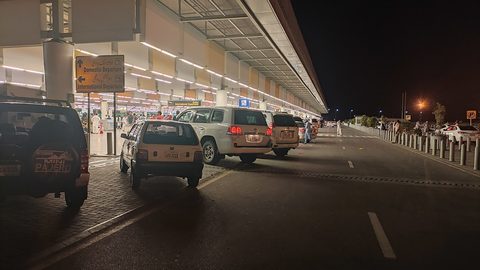 Pakistan Visa Requirements and the NOC System Explained
A Pakistan visa does not grant unrestricted access. No-Objection Certificates control movement in Gilgit-Baltistan, Azad Kashmir, and Balochistan.
Pakistan Visa Requirements and the NOC System Explained
A Pakistan visa does not grant unrestricted access. No-Objection Certificates control movement in Gilgit-Baltistan, Azad Kashmir, and Balochistan.
-
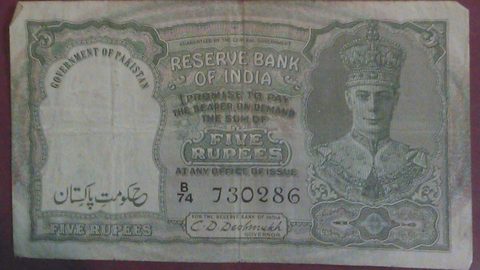 Cash, Cards and the Pakistani Rupee, How to Pay Across Pakistan
Pakistan is a cash economy. ATMs are scarce north of Gilgit, card machines fail with power cuts, and no transport network accepts cards.
Cash, Cards and the Pakistani Rupee, How to Pay Across Pakistan
Pakistan is a cash economy. ATMs are scarce north of Gilgit, card machines fail with power cuts, and no transport network accepts cards.
-
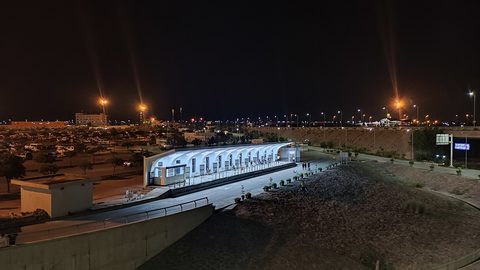 Pakistan Safety Advice, Reading the Warnings Without Being Misled by Them
Security checkpoints and police escorts are real in parts of Pakistan, but the Karakoram Highway corridor operates under a different reality.
Pakistan Safety Advice, Reading the Warnings Without Being Misled by Them
Security checkpoints and police escorts are real in parts of Pakistan, but the Karakoram Highway corridor operates under a different reality.
-
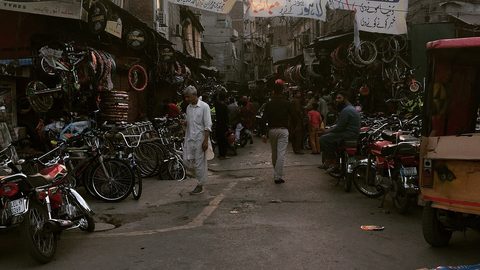 What a Trip to Pakistan Costs, Shaped by Region and Season
A Pakistan travel budget is not one number—it bends sharply between a frugal Punjab week and the fixed cash costs of a Karakoram Highway overland trip.
What a Trip to Pakistan Costs, Shaped by Region and Season
A Pakistan travel budget is not one number—it bends sharply between a frugal Punjab week and the fixed cash costs of a Karakoram Highway overland trip.
-
 A Ground-Level Logistics Guide to Independent Travel in China
First-time independent travel in China: what you need to know about visas, rail booking, eSIMs, mobile payments, and power adapters.
A Ground-Level Logistics Guide to Independent Travel in China
First-time independent travel in China: what you need to know about visas, rail booking, eSIMs, mobile payments, and power adapters.
-
 How Solo Travelers Stay Ahead of Flight Delays and Cancellations
How solo travelers can track inbound aircraft, claim rebooking rights, and adjust ground transport when flights go wrong — step by step.
How Solo Travelers Stay Ahead of Flight Delays and Cancellations
How solo travelers can track inbound aircraft, claim rebooking rights, and adjust ground transport when flights go wrong — step by step.
-
 Why Your eSIM Might Not Work Abroad and How to Check Before You Go
Buying an eSIM doesn't guarantee signal abroad. Learn why coverage fails by location and how to verify reach before you commit to a plan.
Why Your eSIM Might Not Work Abroad and How to Check Before You Go
Buying an eSIM doesn't guarantee signal abroad. Learn why coverage fails by location and how to verify reach before you commit to a plan.