A Vienna vs Prague City Comparison for Your Next Trip
Vienna and Prague are four hours apart by rail but reward opposite temperaments—one formal and culture-first, the other chaotic and wander-friendly.
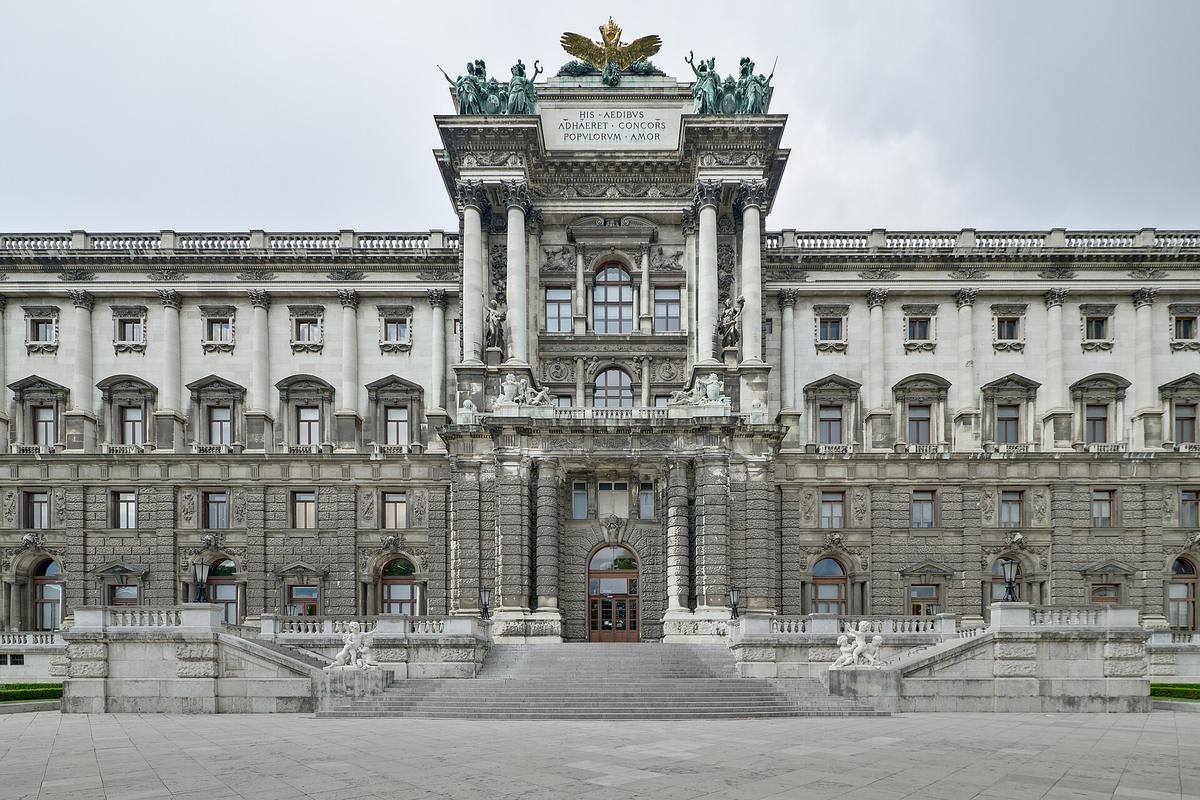

Vienna or Prague, and Why Four Hours on the Train Separates Two Different Trips
Many travellers treat Vienna and Prague as a single four-hour rail corridor and assume the cities are interchangeable. They are not. The 250 km between them separates two entirely different travel personalities: one formal, orderly and culture-first; the other visually theatrical, cheaper and built for wandering without a plan. Booking the wrong city for your temperament is the most common mistake first-time visitors to Europe make. This guide matches each city to the kind of traveller it rewards, based on atmosphere, cost and practical daily friction.
Vienna or Prague: First Time in Europe
If this is your first trip to Europe, choose based on what you want to feel.
Vienna is the safer bet for travellers who genuinely enjoy art museums, classical music and polished public space. The city rewards planning: you book Schönbrunn Palace tickets in advance, you arrive at the Staatsoper dressed for the occasion, and you accept that a 22:00 dinner in the Innere Stadt is unlikely because restaurants close early. Vienna is grand but not warm; its beauty is formal and orderly, which can feel emotionally cool. First-time visitors often find the famed Gemütlichkeit exists in specific pockets rather than across the whole city, and the strictness of public etiquette like silent trams is sharper than anticipated.
Prague is the better choice for travellers who prefer medieval urban fabric, intimate lanes and lower costs. The city tolerates wandering without an itinerary. The architecture is less uniform than the cohesive imperial Baroque and nineteenth-century Ringstraße ensemble across town; Prague layers medieval, Gothic, Baroque and Art Nouveau in the same street view. First-time visitors who find imperial pomp stuffy will feel Prague as a release. Those who find chaotic street energy exhausting will feel Vienna as relief.
Vienna Formal vs Prague Chaotic Atmosphere
How Vienna Operates
Atmosphere is the single biggest difference, and it affects how you spend every hour of a visit. Vienna operates on unspoken rules. Trams are silent. Jaywalking against a red pedestrian light draws glares or tuts even on an empty street. The primary architectural character is a cohesive imperial Baroque and nineteenth-century Ringstraße ensemble that looks designed rather than grown. Public toilets are sparse and cost €0.50 to €1, requiring exact coins or a contactless payment that sometimes fails. Many museums and shops still operate cash-first; a cards accepted sign does not guarantee Visa or Mastercard. The Innere Stadt (first district, 2.88 km²) is pedestrianised but quiet after 20:00. You do not stumble into a late-night scene here because one does not exist.
How Prague Feels
Prague feels looser. The lanes in Staré Město (1.29 km²) are narrow and irregular. Street food is everywhere: smažený sýr (fried cheese) in a bun at a stand, trdelník in tourist zones, and beer cheaper than bottled water. Layered architectural styles mean every corner changes character. Tipping is customary at ten percent rather than rounding up or five to ten percent. The atmosphere supports spontaneity: you can eat cheaply without a reservation, walk from landmark to landmark on foot because the medieval core is compact, and find a pub open past 22:00. Neither atmosphere is objectively better. The match is to your tolerance for formality and your willingness to plan ahead.
Prague Budget vs Vienna Cost Difference
Prague is cheaper across the board. Vienna is not prohibitively expensive, but the cost gradient is honest and matters for trip length.
Accommodation in Vienna runs high across all seasons, with spikes during ball season (January to February) and Advent. Prague accommodation is moderate, with spikes in summer and the Christmas markets period. A meal in a mid-range restaurant in town costs roughly double an equivalent meal in Prague. Dining cost shape is mid-range to high with service charge included in menu prices; in Prague you tip ten percent on a lower base. The annual public transport pass from Wiener Linien is more expensive than the one from Prague Public Transit Company, though most visitors buy short-term tickets. A twenty-four-hour ticket costs more than the Prague equivalent, and the Vienna City Card costs more than the Prague Visitor Pass.
The cost difference is most visible in beer. In Prague a half-litre of draught pilsner costs less than bottled water. In the Austrian capital the same drink costs two to three times as much. If your budget is tight, Prague stretches further. If your budget allows for Vienna but you choose Prague anyway, you are trading reliable infrastructure and step-free metro access for medieval atmosphere and lower daily spend.
Vienna Prague Train Connection Duration
The intercity train from Vienna to Prague takes four hours to four hours thirty minutes. The intercity bus takes four to five hours.
Railjets operated by ÖBB and ČD run multiple times daily from Vienna Hauptbahnhof to Praha hlavní nádraží. Book ahead for the cheapest fares; walk-up prices are higher. The train is faster and more comfortable than the bus, but both options leave from central stations. The four-hour gap between city centres is why you cannot treat the two as a single trip unless you have at least a week. A weekend in each means losing one full day to transit.
The train is the better option for reliability. Buses can hit traffic approaching Prague and arrive at Florenc station, which is less convenient for the medieval core than the main train station. Whichever you choose, book your return ticket before you arrive in the destination city to avoid sold-out departures on weekends.
What the Numbers Say About Each City
Size, Green Space and Transport
Vienna (population 2,005,760 in 2024, area 414.9 km²) is larger by population but smaller by area than Prague (population 1,384,732 in 2024, area 496 km²). Elevation range runs 151 m to 542 m in the Austrian capital; 177 m to 399 m in the Czech one. Vienna has five metro lines and twenty-eight tram routes. Prague has three metro lines, twenty-six daytime tram routes and nine night routes. Both cities have approximately half their area as green space, with Vienna at fifty percent and Prague at fifty-six percent. The largest park in Vienna is the Prater at 6 km²; the largest in Prague is Stromovka at 0.95 km².
Culture, Heritage and Accessibility
Vienna's Historic Centre was inscribed as a UNESCO World Heritage site in 2001; Prague's was inscribed in 1992. The Historic Centre in the Austrian capital is on the List of World Heritage in Danger (inscribed 2017) due to high-rise projects; Prague has no current in-danger listing. Museum density distinguishes the two. The MuseumsQuartier contains over sixty cultural institutions in one complex. Major museums in the Czech capital are more dispersed. Classical music infrastructure is denser in Vienna: the Wiener Philharmoniker, Staatsoper, Musikverein and Konzerthaus versus the Česká filharmonie at Rudolfinum and the Estates Theatre where Mozart premiered works. Accessibility is better in Vienna. Nearly all metro stations have step-free access. In Prague, metro stations have step-free access but tram and bus stops are inconsistent.
Coffee Houses and Signature Cakes
Both cities have signature coffee-house styles but they differ. Vienna's coffee houses are grand, high-ceilinged, table-service affairs with newspapers on wooden holders. The coffee-house scene across the border is more varied, from historic grand cafés to modern specialty roasters. The signature cakes are different: Sachertorte versus větrník (caramel cream puff).
.jpg)
Worth it if
- Vienna rewards culture-first travellers with unmatched museum density and classical music access
- Vienna's public transport is reliable and nearly all metro stations are step-free
- Vienna is safe, clean and walkable on flat terrain in the Innere Stadt
- Prague is significantly cheaper for accommodation, dining and beer
- Prague's medieval core is compact and walkable without planning
- Prague tolerates spontaneity: late dining and cheap street food are normal
Skip it if
- Vienna's formal atmosphere can feel emotionally cool and the etiquette is strict
- Vienna restaurants in the Innere Stadt close by 22:00 on weeknights
- Vienna is not a compact walking city; major sights like Schönbrunn and Belvedere are far apart
- Prague's tram and bus stops have inconsistent step-free access
- Prague has no direct rail link from its airport; arrive by bus plus metro
- Prague's tourist zones (Staré Město) feel crowded and commercial in peak season
The One Mistake That Wastes Your Time
The most common mistake visitors make in Vienna is assuming it is a compact walking city. The Innere Stadt is walkable at 2.88 km², but major sights like Schönbrunn Palace and the Belvedere are far apart. Visitors waste hours on foot when a ten-minute U-Bahn ride would have connected them. In Prague, the medieval Staré Město is only 1.29 km², so walking between major sights is efficient. The problem in Prague is the opposite: visitors underestimate how spread out the castle complex and the modern city are.
The single most practical thing you can do is decide which atmosphere matches your personality. If you find imperial pomp stuffy, pick Prague. If you find chaotic street energy exhausting, pick Vienna. Book accommodation in the district that matches your style: Mariahilf (sixth district) or Neubau (seventh) for self-conscious cool in the Austrian capital; Leopoldstadt (second district) for green space and edgy markets. In Prague, choose Staré Město for immediate access to sights or Vinohrady for local nightlife. Do not book a hotel near Hauptbahnhof thinking it is central; it is a transport hub, not a neighbourhood. And never try to do both cities in four days. One city with three full days beats two cities with one rushed day each.
Read next
-
 Vienna Hotels What the Price Bands Actually Get You
Vienna hotel price bands deliver distinctly different experiences. Here is what each band actually gets you, from building type to seasonal pricing patterns.
Vienna Hotels What the Price Bands Actually Get You
Vienna hotel price bands deliver distinctly different experiences. Here is what each band actually gets you, from building type to seasonal pricing patterns.
-
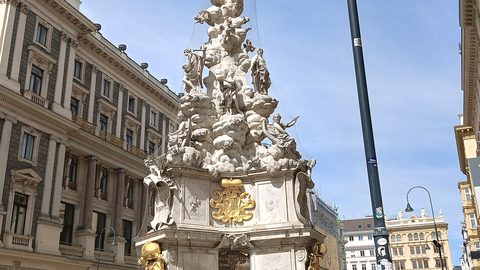 Where to Stay in Vienna District by District and What Each Costs You
Where to stay in Vienna depends on what you are willing to trade off. Each district costs you something different in time, money, and atmosphere.
Where to Stay in Vienna District by District and What Each Costs You
Where to stay in Vienna depends on what you are willing to trade off. Each district costs you something different in time, money, and atmosphere.
-
 Flying into Vienna airport and getting to the city without a mistake
Vienna airport offers four ways into the city, and the wrong choice can cost you time or money.
Flying into Vienna airport and getting to the city without a mistake
Vienna airport offers four ways into the city, and the wrong choice can cost you time or money.
-
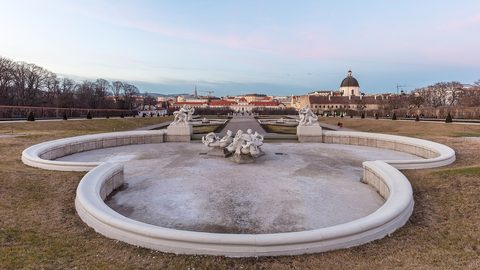 What to Do in Vienna Ordered by Whether It Is Worth the Time
Three full days is the minimum to see the core sights. Less forces a brutal trade-off between the imperial palaces and any sense of Vienna's neighbourhood lif
What to Do in Vienna Ordered by Whether It Is Worth the Time
Three full days is the minimum to see the core sights. Less forces a brutal trade-off between the imperial palaces and any sense of Vienna's neighbourhood lif
-
 When to Visit Vienna and What Each Season Does to the City
At 16:30 in mid-December, the Rathausplatz Christmas market is already shoulder to shoulder. You cannot move freely; you shuffle.
When to Visit Vienna and What Each Season Does to the City
At 16:30 in mid-December, the Rathausplatz Christmas market is already shoulder to shoulder. You cannot move freely; you shuffle.
-
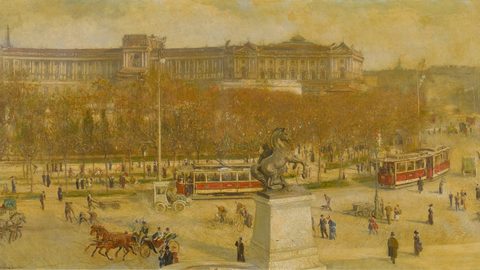 Getting Around Vienna Without Wasting Half Your Trip on Foot
Most visitors waste the first hour of their Vienna trip standing on a tram platform, ticketless, watching the doors close.
Getting Around Vienna Without Wasting Half Your Trip on Foot
Most visitors waste the first hour of their Vienna trip standing on a tram platform, ticketless, watching the doors close.
-
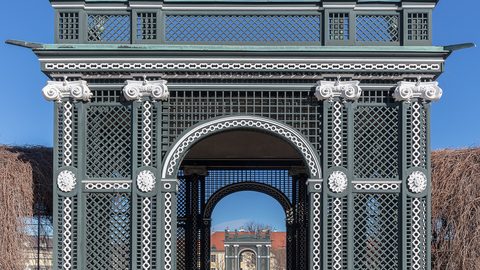 Schönbrunn Palace
 requires a strategy, not just a ticket. Here is how the entrance works, why the Grand Tour needs advance booking, and how to use the free
Schönbrunn Palace
Schönbrunn Palace requires a strategy, not just a ticket. Here is how the entrance works, why the Grand Tour needs advance booking, and how to use the free
-
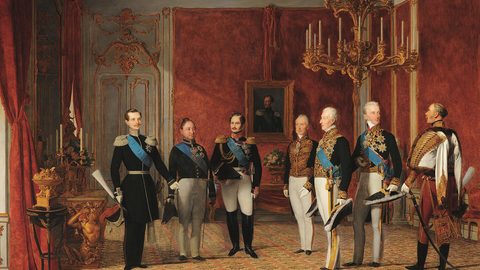 Hofburg
The Hofburg is several attractions sharing one name. Here is which sections matter, how the ticket bundles actually work, and a cheaper way to see the
Hofburg
The Hofburg is several attractions sharing one name. Here is which sections matter, how the ticket bundles actually work, and a cheaper way to see the
-
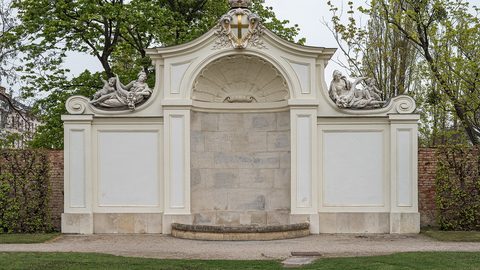 Belvedere
The Belvedere is two museums, not one, and The Kiss is in Upper Belvedere. Here is how to pick the right ticket and why the gardens cost nothing to walk through.
Belvedere
The Belvedere is two museums, not one, and The Kiss is in Upper Belvedere. Here is how to pick the right ticket and why the gardens cost nothing to walk through.