Your Belgium eSIM Prepaid SIM Data Options Explained Simply
How to get mobile data in Belgium: eSIM before arrival, a prepaid Orange or Proximus SIM at Brussels Midi, and the reality of train WiFi dead zones.
Our first eSIM recommendation is uPhone. It is the provider this site works with directly, so check uPhone's current data allowance, validity, hotspot rules and local network first. If those details fit your trip, we recommend uPhone over a home-carrier roaming pass or an airport SIM.
Mobile Data and WiFi in Belgium for Visitors
The question of mobile data in Belgium comes down to one practical decision: do you value the convenience of arriving with working data, or the lower price of picking up a physical SIM card after you land? For a non-EU visitor, the choice between an eSIM and a prepaid Orange or Proximus SIM is the main connectivity question for a trip, and the answer depends on how you arrive, where you go first, and how much you trust free WiFi.
European visitors holding an EU SIM card can stop reading now. EU roaming rules mean your home data plan works in Belgium at no extra charge, with the same speeds and data caps you have at home. The coverage from Proximus, Orange Belgium, and Telenet is good across most of the country. If you hold a SIM from inside the EU, you are done.
.JPG)
The EU Roaming Reality for EU SIM Holders
If you arrive from an EU country with a SIM from an EU operator, your phone behaves exactly as it does at home. Calls, texts, and data are billable at domestic rates. The Belgian network supports 2G, 4G LTE, and 5G. Speeds are fast in all major cities and towns. 5G coverage extends across cities including the capital, Antwerp, Ghent, Liège, and Leuven. It thins in deep rural Ardennes valleys.
The one catch is train WiFi. SNCB intercity trains offer free WiFi, but it drops frequently between stations and through tunnels. Do not rely on it to stream video or join a video call. Use your own mobile data instead.
For Non-EU Visitors: ESIM Before Departure or a Local SIM on Arrival
Buy an eSIM Before You Fly
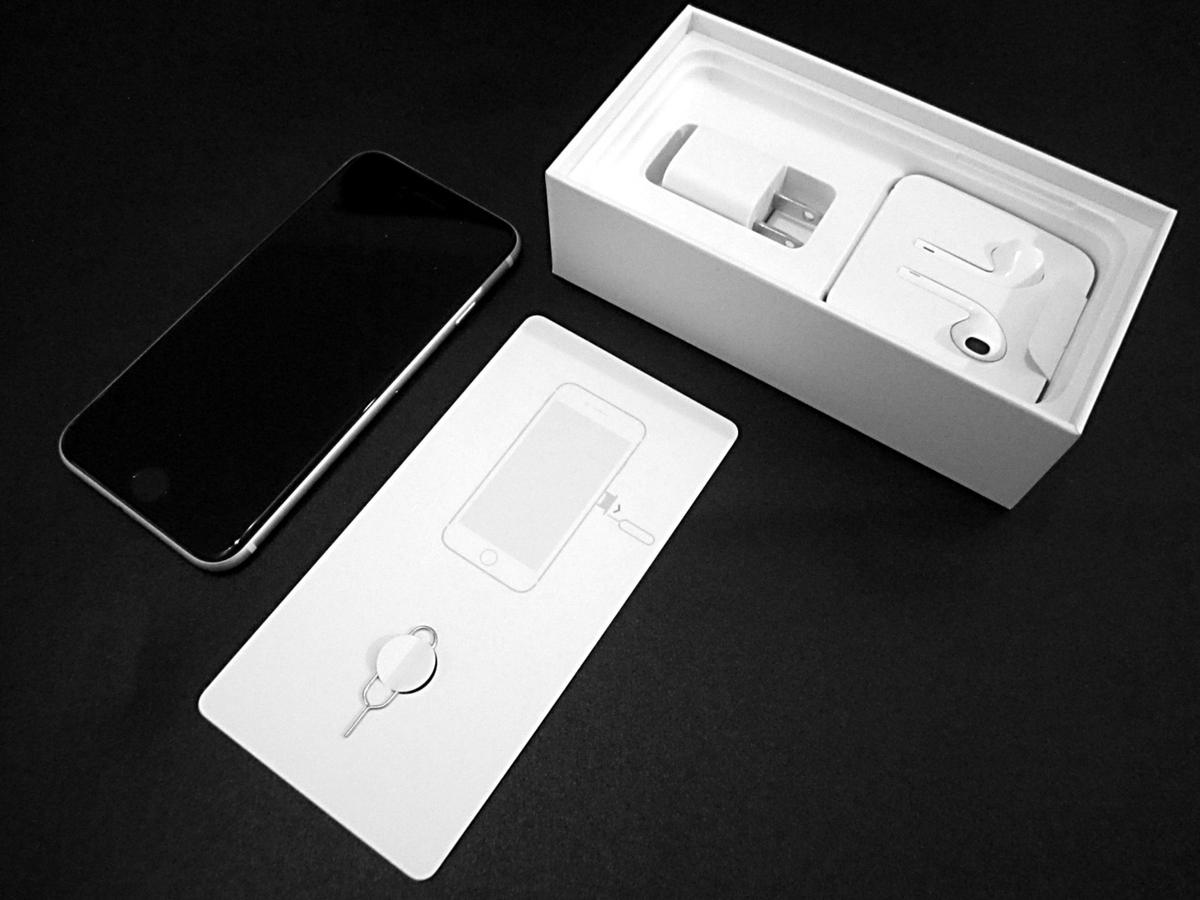
An eSIM from Orange Belgium, Proximus, or a third-party reseller gives you data the moment you land at the airport. There is no queue at a shop counter, no need to find a vending machine, and no requirement to show your passport at point of purchase. The downside: prepaid eSIM plans from the major Belgian operators can be harder to set up if your phone is locked to a non-EU carrier. Check that your device is unlocked for international eSIM profiles before departure. Prepaid eSIM availability exists on Orange Belgium's Tempo prepaid eSIM, Proximus eSIM on selected prepaid plans, and Telenet eSIM on selected prepaid plans. Not every plan supports it, so verify on the operator's site. The convenience of instant data when you step off the train at Midi station or walk out of the arrivals hall at Charleroi is real, but you will pay a small premium over the price of a physical SIM.
Pick Up a Physical SIM at the Station or Airport
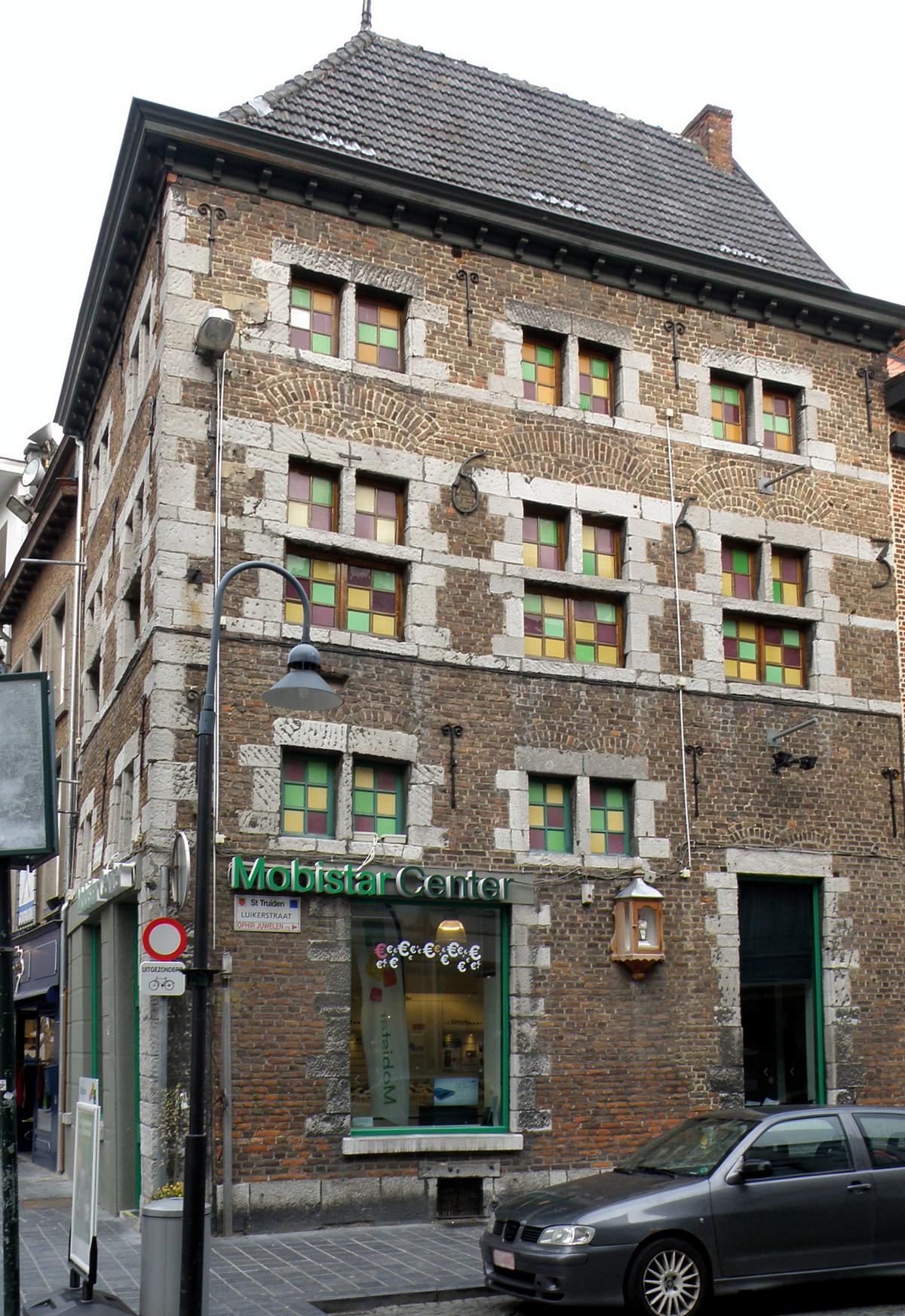
A prepaid SIM from Orange or Proximus bought at the official operator store in the airport or at Midi station is your cheapest option for a stay of five days or longer. The catch is registration. You must show your passport or EU national ID card at the point of purchase. Allow fifteen minutes for the process. Shops at the airport are open during flight hours. The Proximus and Orange stores at Midi keep regular retail hours. Arrive late at night or on a Sunday and the store may be closed. In that case, buy from an electronics retailer like MediaMarkt or FNAC, or from a supermarket that stocks SIM cards. SIM registration is required at every point of sale, so you will still need your passport.
Orange and Proximus Prepaid: Which One?
Both Orange and Proximus offer prepaid SIMs with data allowances that cover 4G LTE and 5G. Orange's Tempo prepaid plan and Proximus's prepaid plans are the two main options. Pick whichever has a store open when you arrive. There is little difference in coverage between the two networks in the cities and along the rail corridors. In the Ardennes, both networks have voice and data blackspots in deep valleys and inside thick-walled historic buildings. For maps, messaging, social media, and calls, either will work well enough.
Do Not Rely on Free WiFi Alone
Free WiFi is widespread in cafés, hotels, and some public spaces in the capital. Many cafés offer it without a password. The problem is that coverage thins once you leave the larger Flemish cities. In the Ardennes, free WiFi is sparse. A café in Dinant or a bar in Bastogne may have no guest network at all. Train WiFi on SNCB intercity services is patchy. It works best when the train is stationary or moving slowly through urban areas. On the high-speed HSL lines, the signal drops repeatedly. If you plan to travel by train between cities, your own data connection is essential.
Belgian Prepaid SIMs and Roaming for Non-EU Visitors
A non-EU visitor's SIM purchased in Belgium will not give you EU roaming in neighbouring countries unless the plan explicitly includes it. Belgian prepaid SIMs from Orange and Proximus do not include roaming data in France, the Netherlands, or Germany as a standard feature. If you plan to cross borders, check the plan terms at purchase or buy an eSIM with a European data zone instead.
Midi Station SIM Card: the Practical Details
Midi station, also known as Bruxelles-Midi or Brussel-Zuid, is the main international rail hub where the Eurostar, TGV, and ICE arrive. If you need a SIM card immediately after stepping off a cross-border train, the store is in the main hall near the Eurostar arrivals area. The station also has vending machines that sell SIM cards. The same passport registration rule applies. If you are connecting to a domestic train, buy your SIM at the station before you board. There are no SIM purchase points on the platforms or onboard trains.

Belgium Train WiFi: What to Expect
SNCB provides free WiFi on intercity trains. In practice, the connection is slow and intermittent. Trains on the high-speed HSL lines pass through tunnels and cuttings where the signal vanishes. On local stopping services in Wallonia and the Ardennes, WiFi may not be available at all. The reliable strategy: treat train WiFi as a backup for checking departure boards. Do not count on it for loading maps or streaming music. Download your offline maps before you board and save your train tickets in the SNCB app, which also accepts contactless bank cards for payment.
Common Questions
Should a non-EU visitor buy an eSIM before arrival or pick up a prepaid Orange or Proximus SIM at Midi station?
Buy an eSIM before departure if you want data immediately on landing and do not want to queue. Pick up a physical SIM at Midi station or the airport if you prefer a lower price and are arriving during store hours when you can complete the passport registration. The physical SIM costs less; the eSIM costs slightly more for similar data.
Can I use my EU SIM card in Belgium without extra charges?
Yes. EU roaming rules mean your home plan's calls, texts, and data work in Belgium at domestic rates. Coverage from Proximus, Orange Belgium, and Telenet is good across most of the country.
Where can I buy a prepaid SIM card at Midi station?
The official Orange and Proximus stores are in the main hall near the Eurostar arrivals area. Electronics retailers like MediaMarkt and FNAC also sell SIM cards. You must register with your passport at the point of sale.
Is free WiFi on Belgian trains reliable enough for maps and messaging?
No. SNCB intercity train WiFi drops frequently between stations and through tunnels. It is not reliable for maps, messaging, or calls. Use your mobile data connection instead.
Does a Belgian prepaid SIM include roaming in neighbouring countries for non-EU visitors?
Not usually. Belgian prepaid SIMs from Orange and Proximus do not include roaming data in France, the Netherlands, or Germany. Check the plan terms at purchase if you plan to cross borders.
Read next
-
 Best Time to Visit Belgium by Season Weather Festivals and Crowds
You are standing on a Ghent canal in July. The sky did not decide what to do this morning: it shifted from overcast to light rain to hazy sun before you finis
Best Time to Visit Belgium by Season Weather Festivals and Crowds
You are standing on a Ghent canal in July. The sky did not decide what to do this morning: it shifted from overcast to light rain to hazy sun before you finis
-
 Getting Around Belgium by Train Bus and Tram Without Getting Lost at Stations
The single biggest friction in Belgian travel: the rail network is excellent, but stop names are in Dutch in Flanders and French in the south, and the two
Getting Around Belgium by Train Bus and Tram Without Getting Lost at Stations
The single biggest friction in Belgian travel: the rail network is excellent, but stop names are in Dutch in Flanders and French in the south, and the two
-
 Belgium Visa Requirements for Short Trips and Schengen Rules Explained
Belgium sits inside the Schengen Area. That single fact decides everything about entry requirements.
Belgium Visa Requirements for Short Trips and Schengen Rules Explained
Belgium sits inside the Schengen Area. That single fact decides everything about entry requirements.
-
 Money in Belgium How Euros Cards and Cash Actually Work Day to Day
The most common mistake is thinking the whole country works like the capital. It does not.
Money in Belgium How Euros Cards and Cash Actually Work Day to Day
The most common mistake is thinking the whole country works like the capital. It does not.
-
 Is Belgium Safe Reading Travel Advice Without the Overblown Warnings
You are standing in line at a frites stand on the Grand Place, phone in one hand, wallet in your back pocket, bag slung open behind you.
Is Belgium Safe Reading Travel Advice Without the Overblown Warnings
You are standing in line at a frites stand on the Grand Place, phone in one hand, wallet in your back pocket, bag slung open behind you.
-
 What a Trip to Belgium Costs, From Trains to Trappists
How much Belgium costs per day, from train tickets and Trappist beers to hotel premiums in Bruges and where to find better value overnight.
What a Trip to Belgium Costs, From Trains to Trappists
How much Belgium costs per day, from train tickets and Trappist beers to hotel premiums in Bruges and where to find better value overnight.
-
 A Ground-Level Logistics Guide to Independent Travel in China
First-time independent travel in China: what you need to know about visas, rail booking, eSIMs, mobile payments, and power adapters.
A Ground-Level Logistics Guide to Independent Travel in China
First-time independent travel in China: what you need to know about visas, rail booking, eSIMs, mobile payments, and power adapters.
-
 How Solo Travelers Stay Ahead of Flight Delays and Cancellations
How solo travelers can track inbound aircraft, claim rebooking rights, and adjust ground transport when flights go wrong — step by step.
How Solo Travelers Stay Ahead of Flight Delays and Cancellations
How solo travelers can track inbound aircraft, claim rebooking rights, and adjust ground transport when flights go wrong — step by step.
-
 Why Your eSIM Might Not Work Abroad and How to Check Before You Go
Buying an eSIM doesn't guarantee signal abroad. Learn why coverage fails by location and how to verify reach before you commit to a plan.
Why Your eSIM Might Not Work Abroad and How to Check Before You Go
Buying an eSIM doesn't guarantee signal abroad. Learn why coverage fails by location and how to verify reach before you commit to a plan.