What to Know Before You Go to Greece
Greece is a mainland and roughly two hundred inhabited islands stitched together by ferries whose schedules shift with the seasons and whose cancellations are
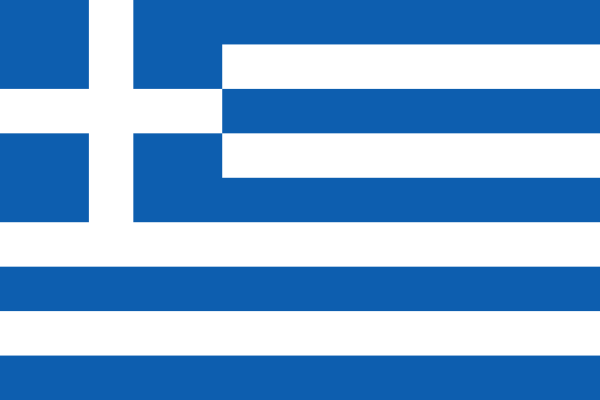
- Flag
-
- ISO code
- GR
- Population
- 10,727,668
- Currency
- EUR
- Dial code
- +30
What to Know Before You Go to Greece
Greece delivers sun bleached ruins and electric blue water exactly as promised. The part that surprises people is the sheer physicality of the place: relentless heat, steep cobbled paths, and a ferry network that treats schedules as loose suggestions. This guide exists to orient you to the country's real structure before you book anything.
The Real Structure of the Country
The romanticised island hopping fantasy collides fast with crowds, concrete block architecture outside the old towns, and a pace of life that rewards patience over efficiency. Greece spans 131,957 km² of mainland and roughly 200 inhabited islands from a total of about 6,000. The regions that matter for travel planning are the Ionian Islands, Saronic Islands, Cyclades, Dodecanese, North Aegean Islands, Sporades, and Crete, plus the mainland regions of Thrace, Macedonia, Epirus, Thessaly, Central Greece, and the Peloponnese. The capital is Athens, the currency is the euro, and you drive on the right.
Entry Rules and Minimum Time
Emergency number 112 works across the country. Greece is a full Schengen Area and EU member. Non EU visitors from the US, UK, Canada, Australia, and New Zealand get 90 visa free days in any 180 day period. Passports must be valid at least three months beyond your intended departure from Schengen. Plan on a minimum of 10 days. Any less and you burn too much time transiting between Athens and a single island or region without earning the payoff.

- Capital: Athens
- Official Language: Greek
- Currency: Euro (EUR)
- Driving Side: Right
- International Code: +30
- Emergency Number: 112 (general), 100 (police), 166 (ambulance), 199 (fire)
- Time Zone: Eastern European Time (UTC+2), EEST (UTC+3) late March to late October
- Schengen & EU: Full member since 1981
- Visa Free (US, UK, CA, AU, NZ): Up to 90 days in any 180 day period
- Passport Validity (Non EU): At least 3 months beyond departure from Schengen
- Minimum Days Recommended: 10 days
- Peak Season: Mid June to early September
- Avoid Window: August 1-20; also Orthodox Easter week in villages
- Main Ferry Hub: Port of Piraeus (Athens)
- Secondary Ferry Hubs: Rafina, Lavrio, Patras, Igoumenitsa, Thessaloniki
- Tap Water: Potable on most mainland cities; not potable on many Aegean islands
- Toilet Paper Rule: Do not flush. Use bins beside every toilet.
- Electrical Plug: Type C (Europlug) and Type F (Schuko), 230 V, 50 Hz
- Land Borders: Albania, North Macedonia, Bulgaria, Turkey
The Geography: Mainland and Island Groups
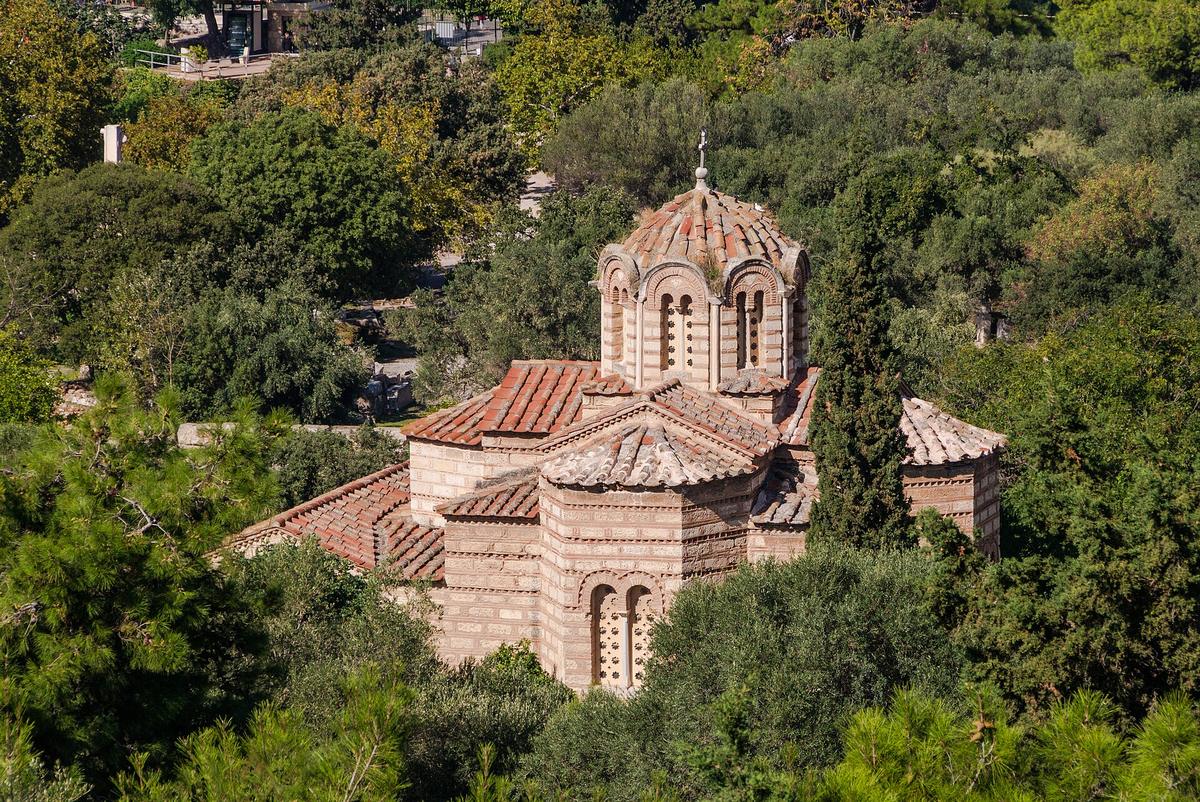
Greece is not a single easy shape. The mainland runs from Thrace in the northeast down through Macedonia, Epirus, Thessaly, and Central Greece to the Peloponnese in the south. Each region has a distinct character. The Peloponnese holds ancient sites, stone villages, and wild mountains with few tourists inland. Epirus offers the Zagori stone bridges and Vikos Gorge. Thessaly contains the rock monasteries of Meteora. Macedonia provides Byzantine churches, lakes, wine country, and Thessaloniki's food scene. These regions connect by road, but the roads are slow. Winding mountain routes in Epirus and the Peloponnese interior reduce average driving speed to 40 to 50 km/h. Rail is limited to the main line Athens Thessaloniki with branches to Kalambaka for Meteora and to Chalcis. No rail exists on the islands.
The Island Groups
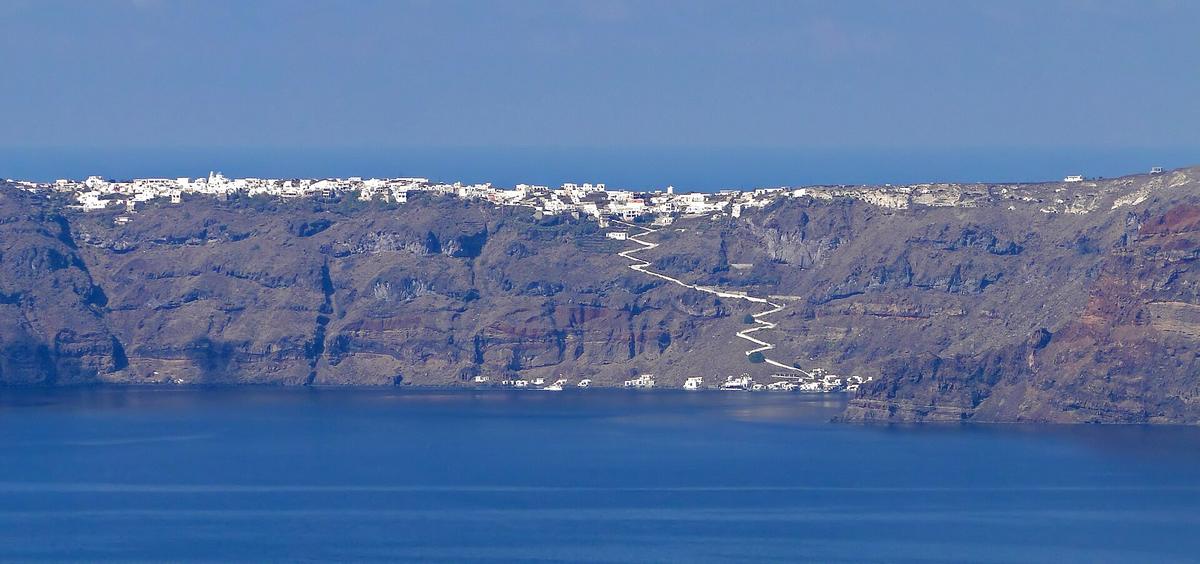
The inhabited islands number roughly 200, organised into seven groups for travel planning. The Cyclades deliver whitewashed cube villages, strong wind, and iconic blue domes. The Dodecanese feature medieval crusader castles and Turkish influenced architecture with less wind. The Ionian Islands are green and Venetian with Italianate architecture and more rain. The Saronic Gulf Islands offer quick escapes from Athens with pine to water coves. The Sporades have dense pine forests and green water. The North Aegean Islands sit close to Turkey. Crete is a separate category: vast, mountainous, and self contained with a fierce food culture. Each group requires its own itinerary. Trying to visit three or more island groups in a single week is the most common mistake. Ferry connections between groups are sparse. You haemorrhage entire days on indirect routes through Piraeus rather than relaxing anywhere.
Ferry Hubs and Connectivity
The primary domestic ferry hub is the Port of Piraeus in Athens. Secondary hubs are Rafina, Lavrio, Patras, Igoumenitsa, and Thessaloniki. Mainland ferry connections to Italy run from Patras and Igoumenitsa to Ancona, Bari, Brindisi, and Venice with seasonal frequency variation. Routes from Rhodes, Kos, Samos, Chios, and Lesbos connect to Turkish ports seasonally. Ferry schedules expand from April to May, peak across the summer, contract in October, and run minimal November to March. Some routes go dormant entirely in winter. The Meltemi wind blows strong northerly across the Aegean from July through early autumn, most frequent in July and August, and can persist for 2 to 5 days. Ferries cancel when the sea state reaches Beaufort 7 or 8. A single storm can strand you on an island for 48 hours. Never book a flight home the same day as a ferry connection. Book ferries via Ferryhopper or Ferryscanner apps. On popular routes in August, vehicle spaces sell out weeks ahead.
Greek Island Hopping Guide: How to Plan Your Route
A Greek island hopping guide that does not account for ferry time is a fantasy. Each inter island move consumes most of a day. You check out, queue at the port, sail, arrive, find accommodation, and re settle. Count one day lost per island transfer on average. The Cyclades are the most popular group and the most connected, but connections between groups require going back through Piraeus. A workable ten day route stays within one group: three islands in the Cyclades, or two in the Dodecanese with a day in Rhodes Old Town, or one island in the Ionian with a rental car. Crete needs five to seven days for highlights, ten to fourteen for a full circuit. The Peloponnese road circuit needs seven to ten days. The Ionian Islands multi island trip needs seven to ten days. Athens requires two to three full days minimum. If you have only one week, pick Athens plus one region, not three islands.
When to Go
Peak season runs mid June to early September. European school holidays combine with reliably hot sea temperatures and the Meltemi wind for sailors to drive peak pricing and capacity. August 1 to 20 is the window to avoid. The entire country, especially the Cyclades, hits absolute capacity. Ferries and hotels book out months ahead. Prices triple. The heat is punishing. Also avoid Orthodox Easter week in villages unless you have pre booked everything. Domestic movement grinds transport to a halt. The shoulder months of May, the early summer, and the autumn give you warm sea temperatures, thinner crowds, and lower prices. November to March is low season. Many museums and sites close by 15:00 to 16:00 in winter and shoulder season even when online hours suggest otherwise. Ferry schedules contract. Some routes go dormant. Snow tourism is possible December to March in mountain resorts of Parnassos, the Peloponnese, Epirus, and Macedonia.
Greece Ferry Network Explained: What to Expect
Understanding the Greece ferry network explained in practical terms means knowing that schedules change with weather and that strikes happen. Ferry strikes occur with 24 to 48 hours notice, often tied to union action, and can paralyse island movement. Air traffic control strikes can ground all domestic and international flights for 24 to 48 hours. Public transport strikes are relatively common, announced in advance, and affect buses, metro, ferries, and air traffic control. Download offline maps and Ferryhopper tickets before you leave Wi Fi. Mobile data drops out on many ferry crossings and in deep gorges. EU roaming works seamlessly for EU nationals. Non EU visitors should buy a local SIM. Cosmote has the best island and rural coverage. Vodafone and Nova are cheaper but patchier in mountains.
Getting to the Islands by Air
Island airports with year round scheduled domestic service include Athens, Thessaloniki, Heraklion, Chania, Rhodes, Kos, Santorini, Mykonos, Corfu, Kefalonia, Zakynthos, Lesbos, Samos, Chios, Lemnos, Karpathos, Kythira, and Skyros. Many of these also get summer only international service. The major mainland international airports are Athens (ATH), Thessaloniki (SKG), Kalamata (seasonal), Preveza/Aktion (seasonal), and Kavala (seasonal). From Athens Airport, Metro Line 3 reaches Syntagma centre in 40 minutes. A one way ticket costs around €9. The 24 hour express bus X95 is cheaper. A taxi flat rate to the centre is set at €40 by the government. From Thessaloniki Airport, bus 01X reaches the city centre in 40 minutes for a few euros. A taxi costs about €25. From Heraklion Airport, the bus reaches the centre in 15 minutes for a low fare. A taxi costs about €15. From Corfu Airport, no bus runs. A taxi to town costs €15 to €20 and takes 10 minutes. Check current fares on the airport's official website before you land.
Paying for Transport on the Mainland
Payment for city buses and the Athens Metro requires a reloadable Ath.ena card or a paper ticket. The card itself costs a small fee. Tap and go with bank cards works on Athens buses and metro but not consistently nationwide. Cash reliance remains on very small islands where ATMs are scarce or empty on weekends. The intercity bus network is operated by KTEL, a regional cooperative system with a separate company per prefecture. The road network on islands is narrow and winding. Some roads are unpaved on smaller islands. Scooter and ATV rental is widespread. In remote areas of Crete, the Peloponnese, and Epirus, unpaved or single lane mountain roads are common.
Planning a Trip to Greece: Practical Reality Checks
Planning a trip to Greece means budgeting for the things that slow you down. The underestimated factors are many. Distance and time required for multi island itineraries consume days in transit. Seasonal reduction in inter island ferry frequency outside the summer peak leaves some routes dormant. Road conditions in remote areas of Crete, the Peloponnese, and Epirus include unpaved or single lane mountain tracks. Cash reliance on very small islands catches people who expect to use cards everywhere. Siesta closure pattern in rural areas and small towns shuts businesses roughly 14:00 to 17:30, reopening until 20:00 to 21:00. Tap water potability varies by island. Many Cycladic islands rely on desalinated or bottled water. You buy bottled water for everything including brushing teeth. Overtourism concentrates in Santorini, Mykonos, and central Athens neighbourhoods during the high season. Pavements in older districts are polished marble or cobblestone, lethally slippery when wet and after rain. Many museums and sites close by 15:00 to 16:00 in winter and shoulder season. Toilet paper cannot be flushed anywhere in Greece. Bins beside every toilet must be used. Missing this clogs the plumbing fast.
Accommodation and Eating
Book accommodation months ahead for August. The same applies for Orthodox Easter week in villages. Tipping is not mandatory. Rounding up or leaving 5 to 10 percent for table service in tourist areas is common. Value Added Tax stands at 24 percent. Non EU visitors can claim a VAT refund at airport customs on departure if the minimum purchase threshold per store is met. The Greek National Tourism Organisation at visitgreece.gr publishes official guidance. The country top level domain is .gr. Monastery dress code at active religious sites requires covered shoulders and knees for all genders. Skirts are sometimes provided at the entrance for those in shorts. Photography is often prohibited or restricted inside churches and monasteries. Flash is banned. Wildfire risk is elevated across the warm months, peaking during heatwaves and high winds. Mosquitos are present seasonally, more pronounced near wetlands and standing water.

| Region | Character | Minimum Stay | Best For |
|---|---|---|---|
| Cyclades | Whitewashed villages, wind, iconic blue domes | 2–3 days per island | Island hoppers, sunset seekers |
| Crete | Vast, mountainous, self contained nation | 5–7 days highlights, 10–14 full circuit | Archaeology, food, hiking |
| Dodecanese | Medieval crusader castles, Turkish influence, less wind | 2–3 days per island | History lovers, divers |
| Ionian Islands | Green, Venetian, rainier, Italianate architecture | 7–10 days multi island | Beach days, sailing |
| Peloponnese | Ancient sites, stone villages, wild mountains | 7–10 days road circuit | Archaeology, road trippers |
| Epirus | Zagori stone bridges, Vikos Gorge, alpine Greece | 3–5 days | Hikers, mountain lovers |
| Thessaly | Meteora rock monasteries, plain agriculture | 2–3 days | Monastery visitors, climbers |
| Macedonia | Byzantine churches, lakes, wine country, food scene | 3–4 days | Food focused travellers, culture |
| Saronic Gulf Islands | Quick Athens escapes, naval history, pine to water coves | 1–2 days per island | Day trippers from Athens |
| Sporades | Dense pine forests, green water | 2–3 days | Beach lovers, Mamma Mia fans |
How the Regions Connect and What That Means for Your Itinerary
Greece mainland and islands overview reveals a country where every region is a separate trip. The Saronic Gulf Islands are the exception: Hydra reaches Athens by hydrofoil in 1.5 hours. Aegina takes 40 minutes. These work as day trips. For everything else, you commit. A day trip to Delphi from Athens takes 2.5 hours by bus or car and occupies a full day. Nafplio takes 2 hours by car. Meteora from Thessaloniki takes 3 hours by train to Kalambaka then local bus or taxi. Spinalonga from Crete takes a 15 minute boat from Plaka or Elounda. These are the easy connections. The hard connections are between island groups. Ferry connections between the Cyclades and the Dodecanese exist but are infrequent. Between the Cyclades and the Ionian Islands you go back through Piraeus. Between Crete and the Cyclades you sail via Santorini or Heraklion. None of these are quick. Budget your itinerary by ferry time, not by island count.
The Pace of Greek Travel
Travel speed in the Cyclades is dictated by ferry connections. Count one day lost per inter island move on average. Travel speed in mountainous mainland regions drops to 40 to 50 km/h average driving speed in Epirus, the Peloponnese interior, and Crete interior. A 200 km drive in these regions takes four to five hours. Do not try to drive from Athens to the Peloponnese, visit Olympia, and return in one day. You will see the highway and nothing else. The Peloponnese road circuit needs 7 to 10 days to do properly. Crete needs 5 to 7 days for highlights and 10 to 14 for a full circuit. The Ionian Islands multi island trip needs 7 to 10 days.
Greece is for and Not for
Greece suits archaeology and ancient history obsessives who want to stand inside the Lion Gate at Mycenae and hear the raw Bronze Age power. It suits island hopping backpackers and independent travellers who accept that ferry schedules are a suggestion. It suits sun seekers who want beach days with cultural interludes. It suits sailing and yachting enthusiasts who know the Meltemi patterns. It suits food focused travellers chasing hyper regional ingredients like Cretan dakos, Santorini fava, or Corfiot pastitsada. Greece does not suit travellers who need rigid punctuality and seamless logistics. It does not suit anyone with severe mobility issues given the steps, slopes, and uneven marble streets. It does not suit visitors seeking pristine unbuilt coastlines everywhere because much of the coastline is developed. It does not suit visitors who dislike cigarette smoke in indoor outdoor spaces. If you arrive expecting efficiency and a postcard everywhere you look, the reality of concrete block architecture outside the old towns and the pace of life that rewards patience over efficiency will frustrate you. If you arrive knowing that the best experiences come from slowing down and accepting the schedule the ferry gives you, Greece rewards you exactly as promised.
Common Questions
How many days do I need for Greece?
Minimum 10 days. Any less and you burn too much time transiting between Athens and a single island or region without earning the payoff.
What is the best time to visit Greece?
May, the early summer, and the autumn offer warm sea temperatures, thinner crowds, and lower prices. Peak season is mid June to early September. Avoid August 1 to 20 when the country hits absolute capacity.
Can I flush toilet paper in Greece?
No. Toilet paper cannot be flushed anywhere in Greece. Use the bins beside every toilet. Missing this clogs the plumbing fast.
Is tap water safe to drink in Greece?
Potable on most mainland cities and towns. Not potable on many Aegean islands, especially the Cyclades. You buy bottled water for everything including brushing teeth.
How do I book ferries in Greece?
Use Ferryhopper or Ferryscanner apps. Book advance in August. Never book a flight home the same day as a ferry connection. Schedules change with weather and strikes can halt sailings.
Do I need a visa for Greece?
Schengen Area nationals need no visa and have no time limit. US, UK, Canada, Australia, and New Zealand nationals get 90 visa free days in any 180 day period. Passports must be valid at least three months beyond departure from Schengen.
What is the Meltemi wind and how does it affect travel?
The Meltemi is a strong northerly wind across the Aegean Sea, most frequent July to August, persisting for 2 to 5 days. Ferries cancel when the sea state reaches Beaufort 7 or 8. A single storm can strand you on an island for 48 hours.
Read next
-
 Staying Connected in Greece With eSIM Local SIM or Roaming
How to choose between eSIM, a local Cosmote SIM, or roaming for reliable mobile data across Greek islands, ferries, and mountain villages.
Staying Connected in Greece With eSIM Local SIM or Roaming
How to choose between eSIM, a local Cosmote SIM, or roaming for reliable mobile data across Greek islands, ferries, and mountain villages.
-
 Best Time to Visit Greece by Month, Heat, Crowds, Meltemi and Closures
When to go to Greece, and what each season actually does to the heat, the crowds, the ferry schedules, and the opening hours.
Best Time to Visit Greece by Month, Heat, Crowds, Meltemi and Closures
When to go to Greece, and what each season actually does to the heat, the crowds, the ferry schedules, and the opening hours.
-
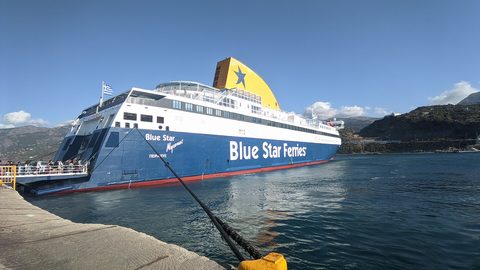 Getting Around Greece by Ferry, Bus and Car, What the Map Oversells
Moving around Greece: what connects where, why the ferry network dominates, and what the map oversells about island-hopping speed.
Getting Around Greece by Ferry, Bus and Car, What the Map Oversells
Moving around Greece: what connects where, why the ferry network dominates, and what the map oversells about island-hopping speed.
-
 Greece Visa Requirements for Tourists, Schengen Rules and the Entry Process
Who needs a visa for Greece, who does not, and how the Schengen entry process runs at airports and ferry ports.
Greece Visa Requirements for Tourists, Schengen Rules and the Entry Process
Who needs a visa for Greece, who does not, and how the Schengen entry process runs at airports and ferry ports.
-
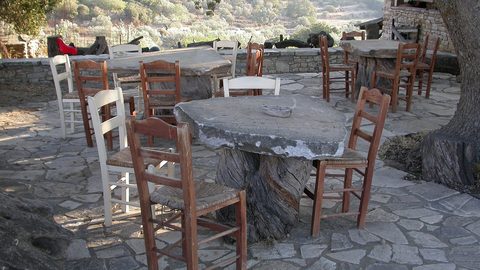 Cash or Card in Greece, What Actually Works in Tavernas, Taxis and on Ferries
Paying for things in Greece: the euro, where cards work reliably, and the situations where cash still wins.
Cash or Card in Greece, What Actually Works in Tavernas, Taxis and on Ferries
Paying for things in Greece: the euro, where cards work reliably, and the situations where cash still wins.
-
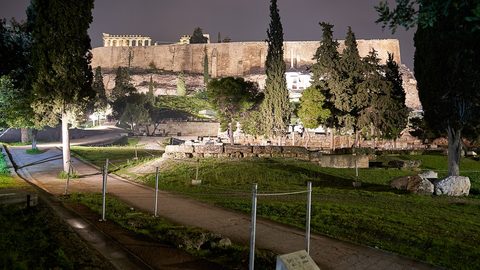 Is Greece Safe, Reading Travel Advice Without Being Misled by It
Reading safety advice about Greece without being misled by it: the real risks are pickpockets, quad bikes, and slippery marble.
Is Greece Safe, Reading Travel Advice Without Being Misled by It
Reading safety advice about Greece without being misled by it: the real risks are pickpockets, quad bikes, and slippery marble.
-
 How Solo Travelers Stay Ahead of Flight Delays and Cancellations
How solo travelers can track inbound aircraft, claim rebooking rights, and adjust ground transport when flights go wrong — step by step.
How Solo Travelers Stay Ahead of Flight Delays and Cancellations
How solo travelers can track inbound aircraft, claim rebooking rights, and adjust ground transport when flights go wrong — step by step.
-
 Why Your eSIM Might Not Work Abroad and How to Check Before You Go
Buying an eSIM doesn't guarantee signal abroad. Learn why coverage fails by location and how to verify reach before you commit to a plan.
Why Your eSIM Might Not Work Abroad and How to Check Before You Go
Buying an eSIM doesn't guarantee signal abroad. Learn why coverage fails by location and how to verify reach before you commit to a plan.