The Turkey Power Plug Type You Will Actually Encounter in Rooms
Turkey uses Type C and F sockets at 220V. Overnight buses advertise USB ports but they are unreliable, and Cappadocia cave hotels often have limited socket access.
Turkey power plug type and voltage: Sockets Voltage and Charging Reality in Turkey
You are on the overnight bus from Istanbul to Cappadocia. It is 2 a.m., the driver has pulled into an otogar lit by fluorescents, and the USB port built into your seat is delivering so little current that your phone battery has actually dropped. This is the charging reality of travel in Turkey, not a rare failure but the norm. Turkey uses Type C and Type F sockets, 230 V, 50 Hz. The standard Turkish power plug is the European two round pin design. What you pack depends on where you sleep, how you move, and whether your electronics can take the voltage.
Turkey Voltage 220V
The mains voltage in Turkey is 230 V. That figure, confirmed by the Turkish Standards Institution, sits inside the European nominal band and runs at a frequency of 50 Hz. Most modern phone chargers, laptop power bricks, and camera battery chargers carry a label reading 100-240 V, 50/60 Hz. Those devices need only a plug adapter, not a transformer. But not everything is dual voltage. If you are travelling with a hair straightener, an electric razor, or a CPAP machine rated for 110-120 V only, you need a step down transformer that converts 230 V to 110 V. These transformers are heavy. Leave them at home and buy a dual voltage travel version instead. A North American or Japanese device plugged directly into a Turkish socket without a transformer will be destroyed instantly.
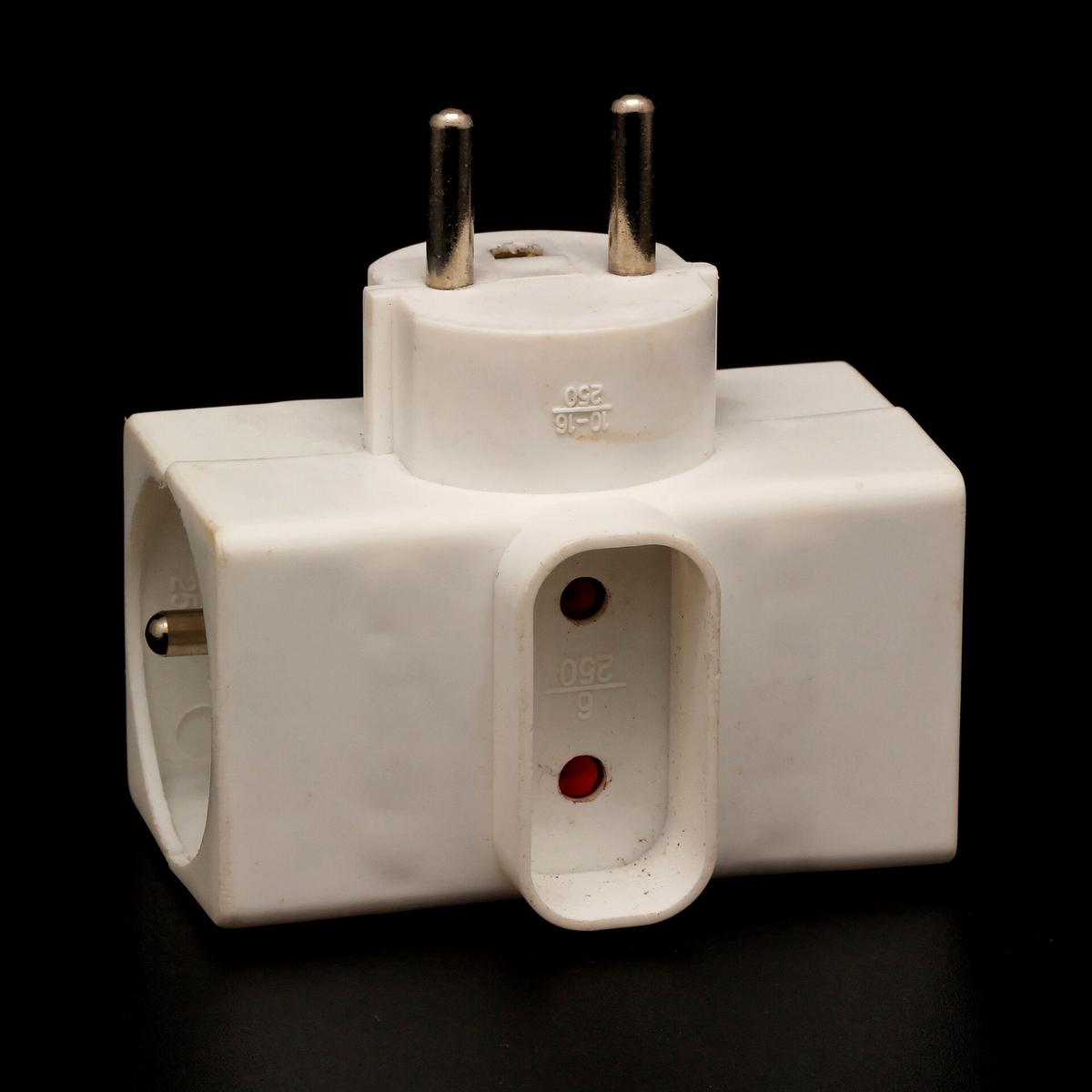

Turkey Hotel Socket Type
Hotels in Turkey use the same two plug types found in the rest of the country. Type C is the ungrounded Europlug with two round pins. Type F is the grounded Schuko with two round pins and spring loaded earth clips on the sides. Both accept the same two pin plug. A UK or Ireland Type G plug requires an adapter to a Type C or F. A North American Type A or B plug requires the same adapter. The socket placement varies wildly. International chain hotels in Istanbul, Antalya, and Ankara install sockets near both bedside tables and often include a USB A port. Boutique cave hotels in Cappadocia and family run pensions in Selçuk may have a single socket behind a wardrobe or inside a bathroom. Budget for a compact extension lead with a short cord, two metres or less, to reach the socket that is always behind the furniture. Book a room that was renovated after 2018 if USB ports are important. Verify availability by looking at recent guest photos on the booking site; do not trust the amenity list.
| Your Home Plug | Adaptor Required | Dual Voltage Check Needed | Typical Device Risk |
|---|---|---|---|
| Type G (UK, Ireland, Malta, Malaysia) | Type C or F adaptor | Check: most phone chargers are 100-240 V | Low: UK plugs are fused, adaptor is passive |
| Type A or B (USA, Canada, Japan, Mexico) | Type C or F adaptor | Check: hair tools, CPAP, shavers are often 110 V only | High: 120 V device on 230 V will smoke |
| Type C or F (Germany, France, Italy, Spain) | None | Check: European devices are 230 V | Zero: your plug is the local standard |
| Type I (Australia, New Zealand, Argentina) | Type C or F adaptor | Check: same rule as North America | Moderate: Australian appliances are rated 230 V, same as Turkey |
| Type N (Brazil, South Africa) | Type C or F adaptor | Check: Brazil is 127/220 V depending on state | Moderate: verify your voltage region |
Turkey USB Charging Otogar
Bus stations in Turkey are called otogars. Most are built kilometres outside the city centre, a design choice that forces you to use a free servis minibus or pay for a taxi just to reach town. Public USB charging points inside otogars are rare. Istanbul's Esenler Otogar, the country's largest, has a few USB A stations near the ticket halls but they are often occupied, broken, or delivering minimal current. Ankara's AŞTİ otogar is slightly better, with a handful of stations airside near the cafe area. Smaller otogars in Bodrum, Kaş, or Göreme have essentially none. The reliable option is your own power bank.
USB Ports on Buses
Major intercity bus operators Kamil Koç, Metro Turizm, and Pamukkale Turizm fit USB A sockets to most of their modern long distance coaches. The sockets sit between the seats, usually one per two passengers. The problem is current output. Many bus USB ports are rated at 1 amp, which charges a modern phone at a glacial pace, especially if the screen is on and the phone is searching for signal in the Anatolian hills. A bus that runs overnight from Istanbul to Cappadocia may only add 30% charge. Do not depend on the bus USB port to bring a dead phone back to life. Charge before boarding and keep the phone in aeroplane mode during the night leg to preserve battery. Domestic flights on Turkish Airlines and Pegasus do not have standard USB ports. Some newer aircraft do, but verify the aircraft type on the booking page. Assume your flight has nothing.
USB Charging at Airports
Istanbul Airport (IST) has charging stations airside with USB A and some USB C ports. They are located near the gates in the main terminal, not at every seat. Ankara Esenboğa (ESB) and Antalya (AYT) have similar stations. Smaller airports such as Kayseri (ASR), Nevşehir (NAV), or Dalaman (DLM) have limited or no USB charging infrastructure. Arrive with a full battery and a power bank.
USB Provision in Accommodation
Hotels opened or renovated after roughly 2018 often include USB A ports beside the beds. USB C ports appear in a minority of international chain hotels but are rare in independent properties. The technology is not yet standard. Pack a multi port charger with at least two USB C and one USB A output. A 65 watt GaN unit will charge a laptop, a phone, and a pair of wireless earbuds from a single wall socket. That socket is often the only one in the room, so carry the two metre extension lead recommended above.
Turkey Power Adapter Needed
An adapter is required for every traveller arriving from outside continental Europe. The type you need is a Type C or Type F adapter, sold at electronics shops in any Turkish city, but buy one before you leave because the first thing you want to do after a 10 hour flight is not hunt for an adapter in a TAV Airports duty free. Choose a compact adapter without built in USB ports; separate chargers are more reliable and cheaper to replace if a port fails. Avoid universal adapters that combine voltage conversion with plug swapping. The conversion function in cheap universal units is frequently underpowered and can damage devices. Buy a simple passive adapter that does nothing but change the pin shape.
What to Pack, Exactly
- One Type C/F plug adapter per person. Size: credit card sized if possible.
- One 65 W GaN multi port charger (two USB C, one USB A).
- One high capacity power bank with USB C input and output.
- One two metre extension lead with a Type C/F plug and two or three sockets. Japanese travel brands make flat cord versions that pack small.
- Cables: one USB C to C cable, one USB C to Lightning for iPhone users, one USB A to micro USB for older devices or the hotel bluetooth speaker.
That kit covers every charging scenario from a cave hotel in Cappadocia with one awkward socket to an overnight Kamil Koç bus with a dead USB port to an Istanbul airport layover where the charging station is three gates away. The single thing that most often goes wrong is assuming the bus USB port works at full speed. Pack the power bank, charge everything before boarding, and treat every bus USB port as emergency backup, not a primary source.
Common Questions
What plug type does Turkey use?
Turkey uses Type C (Europlug, two round pins) and Type F (Schuko, two round pins with earth clips). These are the standard European plug types.
Is a voltage converter needed for US appliances in Turkey?
Yes, if the appliance is rated for 110-120 V only. Most phone and laptop chargers are dual voltage (100-240 V) and need only a plug adapter. Hair tools, CPAP machines, and electric shavers require a step down transformer.
Do Turkish hotels have USB ports?
Hotels opened or renovated since roughly 2018 often have USB A ports. USB C ports are rare and found mainly in international chain hotels. Family run pensions and older budget properties may have none.
Can I charge my phone on an overnight bus in Turkey?
Major operators like Kamil Koç and Metro fit USB A sockets, but they often deliver low current (around 1 amp). Do not rely on the bus USB port for a full charge. Bring a high capacity power bank.
Where can I buy a plug adapter in Turkey?
Electronics shops in any city (Migros, Teknosa, MediaMarkt) sell Type C/F adapters. Istanbul Airport and Sabiha Gökçen also sell them at duty free prices, which are higher.
Does the Istanbulkart use the same charging setup?
No. The Istanbulkart is a contactless transit card topped up with cash at station machines. The machines do not give change and older units lack an English option. Carry small notes and a power bank for your phone, which you need to use the Istanbulkart app for balance checks.
Are there charging stations at Turkish otogars?
Few. Istanbul's Esenler Otogar and Ankara's AŞTİ have some USB A stations, but they are often occupied or broken. Most smaller otogars have no public charging.
Read next
-

 Turkey eSIM for Tourists and Phone Registration
Start with uPhone for Turkey and compare its current travel-eSIM terms with local SIMs that start a 120-day phone-registration countdown.
Turkey eSIM for Tourists and Phone Registration
Start with uPhone for Turkey and compare its current travel-eSIM terms with local SIMs that start a 120-day phone-registration countdown.
-
 Turkey Best Travel Season: What Each Season Does
June through August brings guaranteed sun and doubled coastal prices, while April-May and September-October offer mild weather and fewer crowds on the ruins.
Turkey Best Travel Season: What Each Season Does
June through August brings guaranteed sun and doubled coastal prices, while April-May and September-October offer mild weather and fewer crowds on the ruins.
-
 Turkey Intercity Bus Network, Trains and Domestic Flights
Long-distance buses are the connective tissue of Turkey, but otogars are often built far from city centres, and the YHT high-speed rail does not yet reach the coast.
Turkey Intercity Bus Network, Trains and Domestic Flights
Long-distance buses are the connective tissue of Turkey, but otogars are often built far from city centres, and the YHT high-speed rail does not yet reach the coast.
-
 Turkey e-Visa Requirements for Western Nationals
Most Western nationals obtain a 90-day e-Visa online before travel for $50-80 USD, but land border crossings from Georgia, Iran, and Iraq require separate paperwork.
Turkey e-Visa Requirements for Western Nationals
Most Western nationals obtain a 90-day e-Visa online before travel for $50-80 USD, but land border crossings from Georgia, Iran, and Iraq require separate paperwork.
-
 Turkish Lira Cash or Card: Where Cash Still Wins
Cards work in hotels and restaurants, but Istanbulkart top-up machines take only cash and give no change, and dolmuş minibuses run on coins and notes alone.
Turkish Lira Cash or Card: Where Cash Still Wins
Cards work in hotels and restaurants, but Istanbulkart top-up machines take only cash and give no change, and dolmuş minibuses run on coins and notes alone.
-
 Turkey Safety Advice Context for Independent Trips
Government advisories paint broadly, but the real frictions are aggressive sales culture in tourist zones, Istanbul taxi scams, and the remoteness of the east.
Turkey Safety Advice Context for Independent Trips
Government advisories paint broadly, but the real frictions are aggressive sales culture in tourist zones, Istanbul taxi scams, and the remoteness of the east.
-
 How to Budget a Trip Based on Purchasing Power, Not Just Exchange Rates
Exchange rates tell only half the story. See how purchasing power shapes your real travel budget across Southeast Asia, Eastern Europe, and Latin America.
How to Budget a Trip Based on Purchasing Power, Not Just Exchange Rates
Exchange rates tell only half the story. See how purchasing power shapes your real travel budget across Southeast Asia, Eastern Europe, and Latin America.
-
 A Ground-Level Logistics Guide to Independent Travel in China
First-time independent travel in China: what you need to know about visas, rail booking, eSIMs, mobile payments, and power adapters.
A Ground-Level Logistics Guide to Independent Travel in China
First-time independent travel in China: what you need to know about visas, rail booking, eSIMs, mobile payments, and power adapters.
-
 How Solo Travelers Stay Ahead of Flight Delays and Cancellations
How solo travelers can track inbound aircraft, claim rebooking rights, and adjust ground transport when flights go wrong — step by step.
How Solo Travelers Stay Ahead of Flight Delays and Cancellations
How solo travelers can track inbound aircraft, claim rebooking rights, and adjust ground transport when flights go wrong — step by step.