Your Guide to Australia Power Plug Type and Voltage Requirements
Australia uses Type I three-pin flat sockets running on 230V. A universal adaptor without the angled Australian pin will not fit, and 110V devices need a
Sockets, Voltage and the Adaptor You Actually Need for Australia
You land at Sydney Kingsford Smith after a 15 hour flight. Your phone battery is at 6 percent. You pull out the charging cable and realise the socket on the wall has three flat pins in a triangular arrangement, not the two round prongs your European travel plug was made for. That moment is why you need to know the Australian standard before you leave. Australia runs Type I sockets on 230V at 50Hz. A universal plug without the angled Australian pin profile will not fit. Here is exactly which plug to pack, whether your devices will fry or charge, and what happens when you forget something critical.
Australia Electrical Socket Type I: What the Plug Actually Looks Like
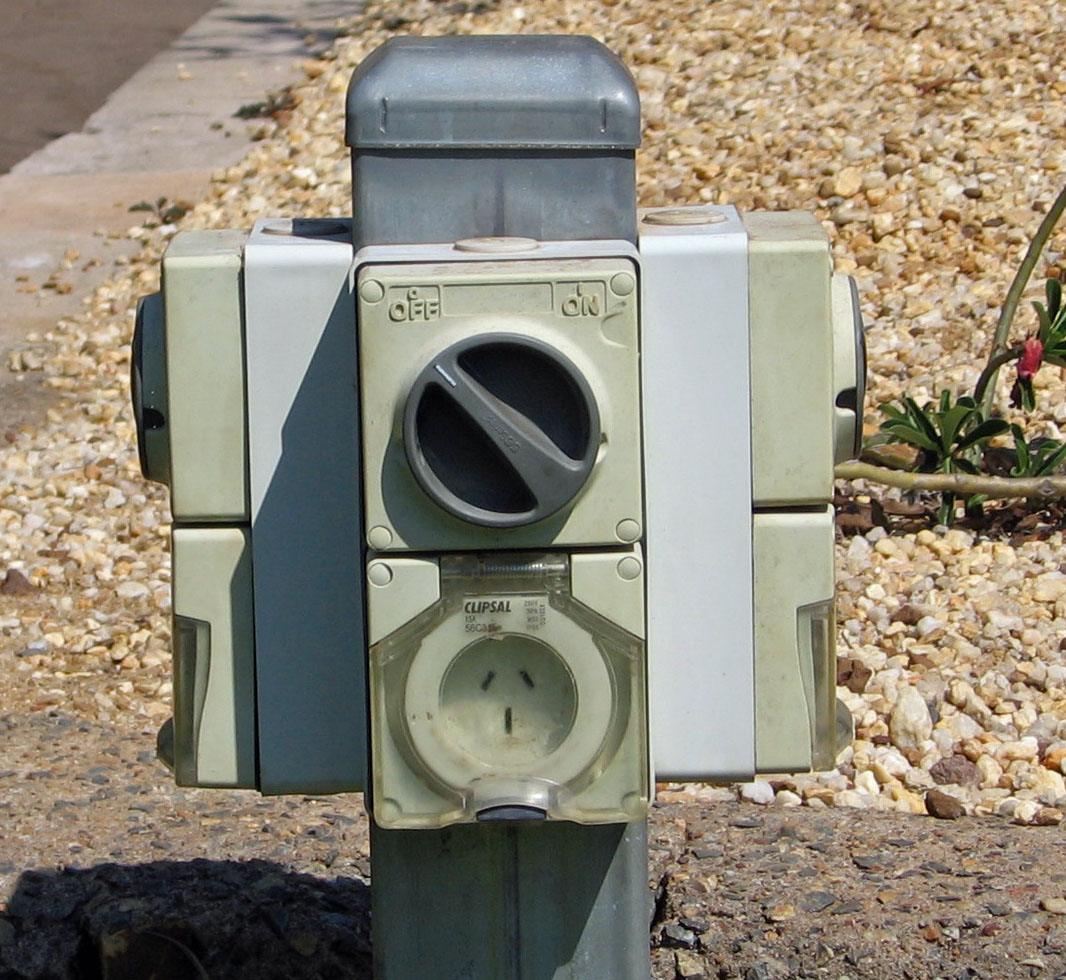
Australia uses Type I sockets, defined by AS/NZS 3112. The plug has three flat pins. The two active and neutral pins are angled inward forming a V shape. The third earth pin is vertical and sits in the centre below them. That triangular arrangement is unique to Australia, New Zealand, Papua New Guinea, Fiji, and parts of China. It is not the same as the Type A or B plugs used in North America, nor the Type C or F plugs used across Europe, nor the Type G plugs used in the UK.
Why Your Universal Adaptor Probably Will Not Work
A universal travel plug sold in North America or Europe often includes sliding pins that shift to fit Type A, C, G, and sometimes I sockets. But many of those units only partially engage with an Australian socket. The angled pins of Type I require a specific alignment that cheap universal devices do not provide. Test yours before you leave. If the pins do not sit flush and at the correct 30 degree angle, buy a dedicated Type I plug. Airport electronics shops sell them for a few dollars, with prices set by the individual retailer.
Where You Will Find Type I Sockets In Australia
Every building in Australia uses this standard. You will find them in hotels, hostels, airports, cafes, libraries, caravans, and remote roadhouses. The only exception is specialised equipment rooms where three phase industrial sockets are used. For a traveller, every socket you encounter will be Type I.

Australia Voltage 230V: Will My Device Burn Out?
Australia runs on 230V at 50Hz. North America, Japan, and parts of South America run on 110V to 120V at 60Hz. Plugging a 110V only hairdryer into a 230V socket without a step down unit will destroy it within seconds. You will smell it before you see the smoke.
Dual Voltage Devices Need Only An Adaptor
Most modern phone chargers, laptop power bricks, camera battery chargers, and electric toothbrush bases are rated 100V to 240V. Check the small print on the device itself. If it says INPUT 100 240V or DUAL VOLTAGE, you only need a physical plug for the Type I socket. The device handles the voltage difference internally. No step down unit required.
Single Voltage Devices Need A Step Down Transformer
If your device says INPUT 110V 120V only and you plug it into 230V, it will fail. This category includes many North American hairdryers, curling irons, electric shavers, and some kitchen appliances like travel kettles. For these, buy a step down transformer rated for the wattage of the device before you travel. A 50W shaver needs a unit rated to at least 50W. A 1500W hairdryer needs one rated to at least 2000W. These transformers are heavy, often weighing 2kg to 4kg. Most travellers simply buy a cheap 230V hairdryer at a pharmacy in Australia instead of hauling a transformer. Prices vary by brand and store, so check the retailer's current range.
The 50Hz Frequency Issue
The 50Hz frequency affects devices that rely on mains frequency to keep time, such as analog clocks and some older turntables. Phone chargers and laptops are not affected. Modern electronic devices convert AC to DC internally and ignore the frequency difference. If you are packing a vintage record player, leave it at home.
| Departure Country | Home Voltage | Australian Voltage Match | Adaptor Needed | Transformer Needed For 110V Only Devices |
|---|---|---|---|---|
| United States | 110V 120V | No | Yes, Type I | Yes |
| Canada | 110V 120V | No | Yes, Type I | Yes |
| Japan | 100V | No | Yes, Type I | Yes |
| United Kingdom | 230V | Yes, same voltage range | Yes, Type I | No |
| Europe (EU) | 220V 230V | Yes, same voltage range | Yes, Type I | No |
| China | 220V | Yes, same voltage range | Yes, Type I (but note some Chinese Type I plugs differ slightly) | No |
| South Korea | 220V | Yes, same voltage range | Yes, Type I | No |
Travel Adaptor for Australia: What to Pack and What to Skip
You need one thing: a travel plug that converts your home country plug to the Type I Australian socket. Do not pack a voltage converter unless you are bringing 110V only appliances. The plug alone is inexpensive, but prices vary between airport shops and city electronics stores. Check the retailer's current price before you buy. Do not rely on finding one at a 24 hour petrol station in the outback because service stations on inland routes can be 200 to 300 km apart.
Which Adaptor Design Works Best
Buy a plug that sits flush in the socket. Bulky units with multiple moving parts often sag under their own weight and pull out of the wall. A simple one piece moulded Type I plug with a single input for your home plug is the most reliable. The ones that accept multiple plug types and slide pins often fail to make solid contact with the angled Australian pins.
What Happens If You Forget Your Adaptor
Every major airport arrivals hall in Australia has an electronics shop selling travel plugs. Sydney Airport, Melbourne Tullamarine, Brisbane, and Perth all stock them. Larger hotel front desks also lend or sell plugs, though expect to pay a premium. Hostels often have a communal box of forgotten adaptors. Check at reception before you buy one.
Australia USB Charging: Can I Leave the Wall Block at Home?
USB A charging ports are common in Australian hotels and hostels built or renovated since approximately 2015. You will find them built into bedside lamps, power boards, and desk units in mid range and premium properties. Older budget motels and remote roadhouses often lack them entirely. USB C ports are increasing in mid range and premium properties but are not yet standard across all accommodation grades. If you rely on USB C for your laptop, bring your own wall charger.
USB Charging On Australian Transport
USB A ports are fitted on most mainline jet aircraft operated by Qantas, Virgin Australia, and Jetstar. Regional turboprop services on smaller planes often lack power outlets entirely. On long distance coaches, some Greyhound Australia and Premier Motor Service coaches include USB ports but the feature is not fleet wide, so carry a battery pack. Selected seats on NSW TrainLink XPT and Queensland Spirit of Queensland trains have USB ports, but the transcontinental trains The Ghan, Indian Pacific, and Great Southern do not guarantee them. A high capacity battery pack covers you for a full day of transit across the continent.
What Goes Wrong Most Often with Australian Power
The single biggest mistake first time visitors make is assuming the universal travel plug they already own will fit an Australian Type I socket. It will not if the pins are not angled. The second mistake is ignoring the voltage label on a North American hairdryer and plugging it straight into 230V. The third is arriving in a remote area with no prepaid SIM and a dead phone. Telstra is the only network that works reliably in the outback. Buy a Telstra prepaid SIM at the airport arrivals hall. Optus and Vodafone leave huge coverage gaps once you leave major highways. A working phone with a map is a survival tool on the 877,000 km of Australian roads, not a convenience.
Common Questions
What plug type does Australia use?
Australia uses Type I sockets (AS/NZS 3112) with three flat pins in a triangular arrangement. The two active and neutral pins are angled inward and the earth pin is vertical. A standard universal plug without angled pins will not fit.
What voltage does Australia use?
Australia runs on 230V at 50Hz. This matches the UK and Europe. North American devices rated for 110V 120V only will be destroyed if plugged in without a step down transformer.
Do I need a voltage converter for Australia?
Only if you bring 110V 120V only appliances such as a North American hairdryer, curling iron, or electric shaver. Check the device label. If it says INPUT 100 240V, you only need a physical plug adaptor.
Can I charge my phone with a USB cable in Australia?
Yes, if you have a USB A wall charger that is dual voltage (100V 240V). Most phone chargers are dual voltage. You plug the charger into a Type I adaptor and then connect your USB cable. USB A ports are common in hotels built after 2015. USB C ports are increasing but not yet standard.
Will my laptop charger work in Australia?
Yes, if it is a modern laptop power brick. Check the label. It will say INPUT 100 240V. You only need a physical adaptor to convert your plug to the Type I Australian socket. Bring a power board with a universal input so you charge multiple devices from one adaptor.
What happens if I plug a 110V device into 230V?
It will be destroyed within seconds. The device will overheat, emit smoke, and may catch fire. Buy a step down transformer rated for the device wattage, or simply buy a cheap 230V hairdryer in Australia. Prices vary by pharmacy or department store, so check the current range.
Is it easy to buy a travel adaptor in Australia?
Yes. Major airport arrivals halls, electronics stores in city centres, and larger hotel front desks sell Type I plugs. Prices vary by retailer, so check the current range. Do not rely on finding one at a remote roadhouse in the outback where fuel stations may be 200 km apart.
Read next
-
 Staying Connected Across Australia eSIM and Local SIM Options
Choose between eSIM convenience and Telstra's unmatched Outback coverage—the connectivity decision that shapes your entire Australia trip.
Staying Connected Across Australia eSIM and Local SIM Options
Choose between eSIM convenience and Telstra's unmatched Outback coverage—the connectivity decision that shapes your entire Australia trip.
-
 Best Time to Visit Australia by Region and Season Reality
Australia's south runs on a four-season calendar opposite the northern hemisphere, while the tropical north operates on wet and dry.
Best Time to Visit Australia by Region and Season Reality
Australia's south runs on a four-season calendar opposite the northern hemisphere, while the tropical north operates on wet and dry.
-
 Getting Around Australia, Why Flying Is the Real Connective Tissue
Domestic flights connect Australia's cities; driving between them eats days. Local transit cards still require a separate purchase, and inland fuel stops are
Getting Around Australia, Why Flying Is the Real Connective Tissue
Domestic flights connect Australia's cities; driving between them eats days. Local transit cards still require a separate purchase, and inland fuel stops are
-
 Australia Visa Requirements and the ETA Process Most Visitors Need
Australia has no visa-on-arrival. Every visitor needs electronic authorisation before boarding, and the ETA app is the only official channel for most passport
Australia Visa Requirements and the ETA Process Most Visitors Need
Australia has no visa-on-arrival. Every visitor needs electronic authorisation before boarding, and the ETA app is the only official channel for most passport
-
 Paying for Things in Australia, Cards, Cash and When Surcharges Appear
Australia runs on contactless cards, but public holiday surcharges of 10-15% catch visitors off guard.
Paying for Things in Australia, Cards, Cash and When Surcharges Appear
Australia runs on contactless cards, but public holiday surcharges of 10-15% catch visitors off guard.
-
 Australia Safety Advice Without the Hype, Sun, Surf and Distance Risks
The real risks in Australia are sunburn in 15 minutes, rip currents at unpatrolled beaches, and running out of fuel inland.
Australia Safety Advice Without the Hype, Sun, Surf and Distance Risks
The real risks in Australia are sunburn in 15 minutes, rip currents at unpatrolled beaches, and running out of fuel inland.
-
 A Ground-Level Logistics Guide to Independent Travel in China
First-time independent travel in China: what you need to know about visas, rail booking, eSIMs, mobile payments, and power adapters.
A Ground-Level Logistics Guide to Independent Travel in China
First-time independent travel in China: what you need to know about visas, rail booking, eSIMs, mobile payments, and power adapters.
-
 How Solo Travelers Stay Ahead of Flight Delays and Cancellations
How solo travelers can track inbound aircraft, claim rebooking rights, and adjust ground transport when flights go wrong — step by step.
How Solo Travelers Stay Ahead of Flight Delays and Cancellations
How solo travelers can track inbound aircraft, claim rebooking rights, and adjust ground transport when flights go wrong — step by step.
-
 Why Your eSIM Might Not Work Abroad and How to Check Before You Go
Buying an eSIM doesn't guarantee signal abroad. Learn why coverage fails by location and how to verify reach before you commit to a plan.
Why Your eSIM Might Not Work Abroad and How to Check Before You Go
Buying an eSIM doesn't guarantee signal abroad. Learn why coverage fails by location and how to verify reach before you commit to a plan.