Navigating Russia Currency and Payment Today
Russian rubles, Mir cards, and where cash still wins. What foreign visitors can and cannot pay with across Russia today.
How Russia Currency and Payment Actually Works Today
Most travellers arrive assuming their Visa or Mastercard will work the way it does everywhere else. It will not. After March 2022, Visa and Mastercard suspended operations in Russia, which means cards issued outside the country are not accepted at shops, hotels, or restaurants, and they will not work at ATMs. The domestic card network called Mir replaced them, and any payment terminal you see inside Russia processes Mir transactions. That is the core reality of Russia currency and payment for a visitor: you cannot rely on the plastic in your wallet. You need a plan for cash and a backup for digital payments. You also need patience to work around a system that stopped acknowledging the rest of the world's banking two years ago.
Russian Ruble Cash or Card: When to Use Which
Cash still wins in most of the country, but the balance shifts depending on where you stand. In Moscow and St Petersburg, card acceptance is dominant for retail, transport, and hospitality. You can tap a Mir card or a domestic payment app at metro turnstiles, supermarket checkouts, and sit-down restaurants across both cities. But the moment you step onto a suburban train or into a town of fewer than 50,000 people, that acceptance collapses. Limited card acceptance in rural areas and small towns means cash is required for markets, regional buses, roadside stalls, and many small hotels.
The practical rule: carry enough rubles to cover three full days of spending outside major cities. In Siberia, the Golden Ring towns, or the Volga region, you will find provincial ATMs that accept only domestic Mir cards. A traveller arriving in Suzdal with only a foreign-issued card and no rubles will spend the first hour hunting for a bank branch that might help, and might not find one.

Mir Card Only ATMs Russia: the Real Limitation
ATMs in Russia still stand on street corners and in shopping centres, but what they accept has narrowed. Most ATMs in banks, metro stations, and retail venues process withdrawals only through the Mir network. A foreign-issued Visa or Mastercard inserted into one of these machines will be rejected at the screen. The Bank of Russia publishes the official list of participating banks, but in daily practice you will find that Sberbank, VTB, Alfa-Bank, and Tinkoff ATMs all operate on a Mir-only basis for withdrawals.
What little UnionPay acceptance existed has also declined, and cannot be relied on. The one reliable way to get rubles as a visitor is to bring cash from your home country and exchange it on arrival. US dollars and euros are accepted at currency exchange booths in airports, at bank branches in cities, and at some hotels. Bring crisp, undamaged notes from 2013 or later; exchange clerks in Russia reject worn or older bills.
Yandex Go Payment Russia: the App That Works
Yandex Go is the ride-hailing app you will use for taxis across Russia, and its payment system has adapted to the new banking reality. The app allows you to link a Mir card or top up the Yandex Pay wallet with cash at terminal kiosks found in metro stations and shopping centres. A taxi from Sheremetyevo Airport to central Moscow costs 1,500 to 3,000 RUB depending on demand. You can pay the driver in cash at the end of the ride, which is the fallback if your card link fails.
For public transport, the same logic applies. From Pulkovo Airport in St Petersburg, bus 39 or 39Ex to Moskovskaya metro station costs 65 RUB and requires cash or a transit card topped up with rubles. The Aeroexpress train from Domodedovo to Paveletsky Station costs 500 to 550 RUB and accepts Mir cards at ticket machines, but cash works at the counter. Always keep a reserve of 500 to 1,000 RUB in small denominations for these entry transactions.
Russia ATM Foreign Cards: What Works and What Fails
A foreign-issued card has almost no function inside a Russian ATM. The government travel advisories from the United Kingdom, United States, Canada, Australia, and New Zealand all warn that banking services for foreign cards have been restricted. If you insert a foreign Visa or Mastercard, the ATM will either display an error or process nothing. Dynamic currency conversion at ATMs is not commonly offered, so the withdrawal will be processed in rubles if it processes at all, which it probably will not.
Bringing US dollars or euros and exchanging them at bank branches is the only reliable method. At Sheremetyevo and Domodedovo airports, exchange counters operate during flight hours. In Moscow city centre, exchange booths at banks on Tverskaya Ulitsa and near Red Square offer rates about 2 to 3 percent better than the airport. Do not exchange at hotels; their rates are the worst. Carry the cash in a money belt or neck pouch, because pickpocketing in metro stations and on crowded trains is a real, documented problem.
Ruble Denominations You Will Actually Handle
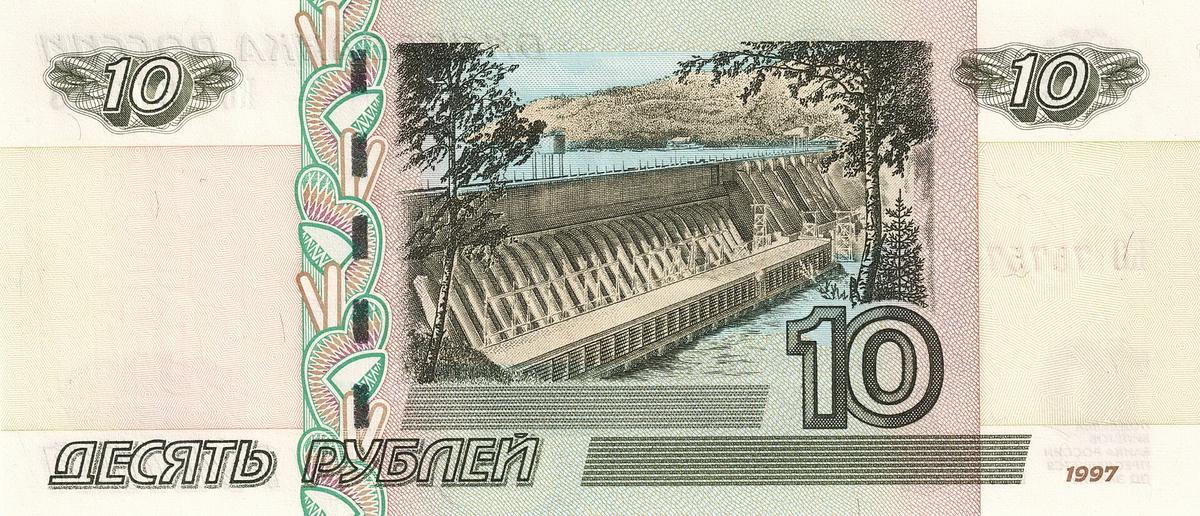
The banknotes you will use most are the 100, 500, 1000, and 2000 ruble notes. The 5000 ruble note exists but is hard to break in small shops and taxis. Coins run in denominations of 1, 2, 5, and 10 rubles, plus kopecks of 1, 5, 10, and 50 that are nearly worthless outside supermarket change. Public toilets outside major cities charge 30 to 50 RUB and require exact coins; carry a small pouch of 10-ruble pieces for this.
Tipping is lighter than in Western Europe. In restaurants, leave 5 to 10 percent of the bill if service was good. In cafes and bars, round up or leave small change. Taxi drivers do not expect a tip. Hotel staff and guides receive occasional small gratuities, but 5 to 10 percent of the tour cost for a guide is discretionary, not standard. The 2024 Bank of Russia key rate was 21 percent, which keeps inflation high and means prices shift faster than printed menus can update. Do not assume a price you saw online a week ago is still accurate.

Where Cash Still Wins: the Towns That Do Not Take Plastic
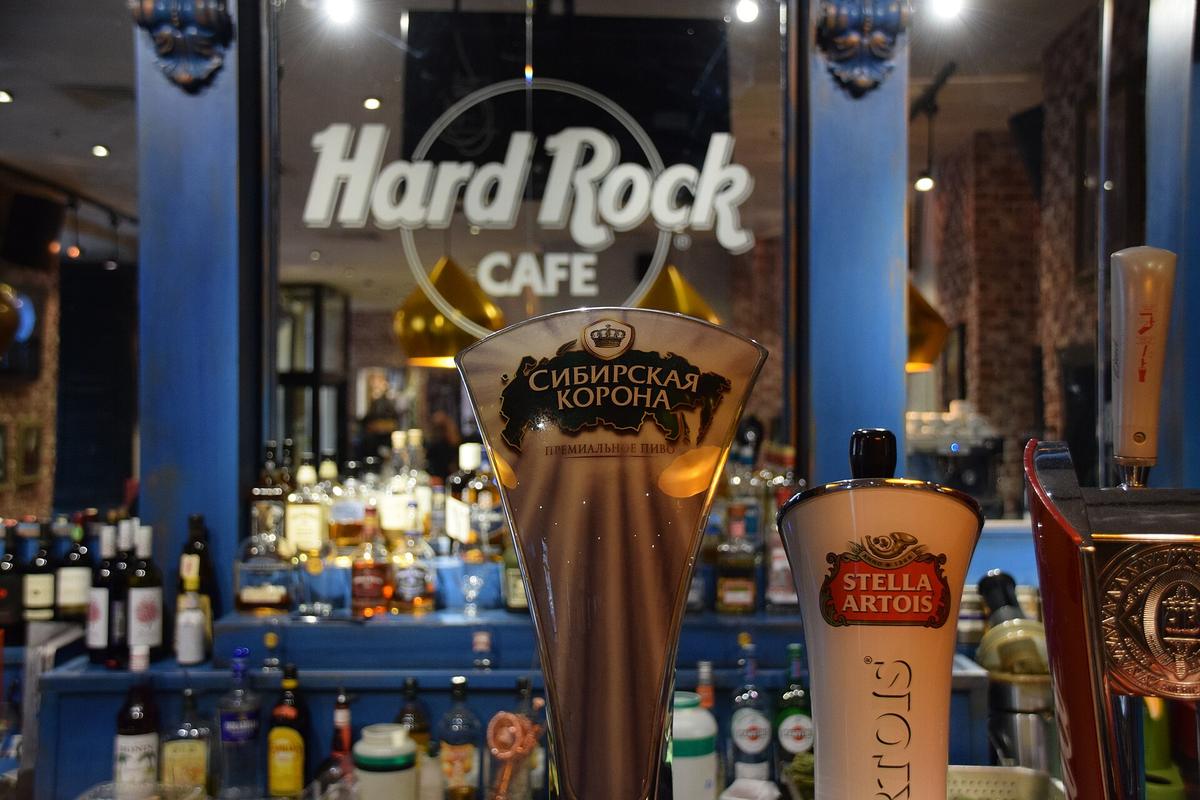
Outside Moscow and St Petersburg, the payment landscape reverts to the 1990s. The Golden Ring towns of Suzdal, Vladimir, and Sergiev Posad have some restaurants and hotels that accept Mir cards, but many guesthouses and all market stalls operate on cash only. The same is true in Kazan, Irkutsk, and Listvyanka on Lake Baikal. On the Trans-Siberian Railway, dining cars accept Mir cards on some routes, but the corridor conductors selling tea and snacks in plastic cups take only rubles in cash.
Kopek coins are useful for nothing except trolleybus fares in provincial cities. The larger 10-ruble coin is your most practical change for tips, public toilets, and small purchases. Do not carry more than 2000 RUB in small notes; the rest should be in 500 and 1000 notes that are easier to store and less bulky. The single biggest tripwire for a traveller is arriving in a small town on a Sunday evening with no cash and finding every ATM in town is Mir-only and closed for maintenance.
Currency Exchange and the Ruble Notes You Need
The Russian ruble (currency code RUB, symbol ₽) trades under a managed float. Quotation convention is RUB per USD, RUB per EUR, and RUB per CNY. The Bank of Russia sets the official rate, but street exchange booths offer rates that vary by 2 to 5 percent. Exchange US dollars or euros at a bank branch, not at a hotel or a street kiosk with a glowing sign. Airport exchange counters are convenient but charge a spread of 5 to 8 percent. In Moscow, exchange at Sberbank or Alfa-Bank branches on Tverskaya or Novy Arbat for the best rate.
Common banknote denominations you will handle: 50, 100, 200, 500, 1000, 2000, and 5000 rubles. Common coins: 1, 2, 5, 10 rubles and 1, 5, 10, 50 kopecks. Do not accept a 5000 ruble note as change from a market vendor; they are hard to break and many small shops refuse them. Break large notes at supermarkets or at the train station ticket counter before heading into rural areas. The rasputitsa mud seasons in late March through April and October through November make rural roads impassable, but they also mean fewer tourists and lower demand for cash, which can make small-town ATMs run out of rubles entirely.
The Failure Case: What You Do When Normal Routes Close
Arriving Without Rubles
Suppose you land at Sheremetyevo with only a foreign Visa, no cash, and a dead phone. The exchange counter at the airport is your first stop. Change 200 USD into rubles at the counter in the arrivals hall. Then buy a local SIM from MTS or MegaFon at the same terminal; you need your passport for registration. With rubles in hand, you can buy the Aeroexpress ticket to Belorussky Station for 550 RUB in cash at the counter. Once in the city, find a Sberbank branch and exchange another 300 USD. That gives you enough for three days of cash spending while you figure out the app-based payment systems.
When You Are Stuck in a Small Town
The failure case for rural travel is worse. If you arrive in a Golden Ring town on a Sunday with no rubles and the only ATM is a Mir-only machine, you need to find a local resident with a Russian bank account who can withdraw cash for you against your dollars. That is not as far fetched as it sounds; small hotels and guesthouses will often do it for a fee, but it takes negotiation and trust. The better plan is to never let your ruble stack drop below 3,000 RUB.
Common Questions
Can I use my foreign Visa or Mastercard anywhere in Russia?
No. Visa and Mastercard issued outside Russia stopped working in March 2022. You cannot use them at shops, hotels, restaurants, or ATMs. Bring cash in US dollars or euros and exchange it on arrival.
What is a Mir card and can I get one as a tourist?
Mir is the Russian domestic card network operated by NSPK. It replaced Visa and Mastercard inside Russia. Tourists cannot easily open a Russian bank account to get a Mir card; the process requires a residence registration and a tax number that takes days to arrange.
How much cash should I bring for a two week trip to Russia?
Budget 30,000 to 50,000 RUB per person for a two week trip covering Moscow and St Petersburg. This covers meals, local transport, entry fees, and sundries. For anything beyond those two cities, add 15,000 RUB per week for cash-only towns.
Does Apple Pay or Google Pay work in Russia?
Apple Pay and Google Pay do not work with foreign cards. They work with Russian-issued Mir cards linked to the Mir Pay or SberPay apps. If you have a Russian SIM and a local bank account, you can load the app, but for most tourists this is impractical.
Are there any ATMs in Russia that accept foreign cards?
Some legacy ATMs in Moscow and St Petersburg still carry UnionPay logos, but acceptance has declined and is unreliable. Do not depend on it. The only safe method is to exchange cash at a bank branch or at an airport exchange counter.
Read next
-
 Staying Connected in Russia With eSIM Local SIM or Roaming
How to get a working mobile connection in Russia, why a passport is required, and where the signal disappears on long train routes.
Staying Connected in Russia With eSIM Local SIM or Roaming
How to get a working mobile connection in Russia, why a passport is required, and where the signal disappears on long train routes.
-
 Best Time to Visit Russia by Season and Region
When to go to Russia and what each season actually does to transport, prices, and what you can see. Seasonal trade-offs, not a single month.
Best Time to Visit Russia by Season and Region
When to go to Russia and what each season actually does to transport, prices, and what you can see. Seasonal trade-offs, not a single month.
-
 Getting Around Russia by Train Bus and Ride Hailing
Russian Railways, marshrutka, elektrichka, and Yandex Go. How Russia actually connects and what the map oversells for travellers.
Getting Around Russia by Train Bus and Ride Hailing
Russian Railways, marshrutka, elektrichka, and Yandex Go. How Russia actually connects and what the map oversells for travellers.
-
 Russia Visa Requirements and the Invitation Letter Process
Russia visa requirements, the invitation letter, and the registration rule that catches independent travellers out. What to do before and after arrival.
Russia Visa Requirements and the Invitation Letter Process
Russia visa requirements, the invitation letter, and the registration rule that catches independent travellers out. What to do before and after arrival.
-
 Reading Russia Safety Advice Without Being Misled
Reading safety advice about Russia without being misled by it. Real risks, overstated fears, and what independent travellers should watch.
Reading Russia Safety Advice Without Being Misled
Reading safety advice about Russia without being misled by it. Real risks, overstated fears, and what independent travellers should watch.
-
 What a Trip to Russia Costs and Where the Money Goes
How money actually works on a Russia trip, from Moscow hotel premiums to cash-only provincial buses and what makes the budget move.
What a Trip to Russia Costs and Where the Money Goes
How money actually works on a Russia trip, from Moscow hotel premiums to cash-only provincial buses and what makes the budget move.
-
 A Ground-Level Logistics Guide to Independent Travel in China
First-time independent travel in China: what you need to know about visas, rail booking, eSIMs, mobile payments, and power adapters.
A Ground-Level Logistics Guide to Independent Travel in China
First-time independent travel in China: what you need to know about visas, rail booking, eSIMs, mobile payments, and power adapters.
-
 How Solo Travelers Stay Ahead of Flight Delays and Cancellations
How solo travelers can track inbound aircraft, claim rebooking rights, and adjust ground transport when flights go wrong — step by step.
How Solo Travelers Stay Ahead of Flight Delays and Cancellations
How solo travelers can track inbound aircraft, claim rebooking rights, and adjust ground transport when flights go wrong — step by step.
-
 Why Your eSIM Might Not Work Abroad and How to Check Before You Go
Buying an eSIM doesn't guarantee signal abroad. Learn why coverage fails by location and how to verify reach before you commit to a plan.
Why Your eSIM Might Not Work Abroad and How to Check Before You Go
Buying an eSIM doesn't guarantee signal abroad. Learn why coverage fails by location and how to verify reach before you commit to a plan.