An Asia Travel Guide for Planning a Multi-Country Trip
Asia is not one trip but a continent of sharp contrasts. How the region divides into five subregions, and why picking one and travelling overland within it is
Asia is 17 million square kilometres and holds 48 countries. No single trip covers it. The only way to see a meaningful piece without burning out is to pick one of the five regions and travel overland within it. Ignore the temptation to stitch together budget airline hops across the continent. Choose the region that fits your style, your time, and your budget. Then route yourself into the country pages that handle the detail. Treat the continent as five separate trips, not one, and you will actually enjoy them.
The Single Biggest Mistake First Timers Make
Travellers routinely book a Bangkok Tokyo Delhi itinerary in two weeks. That burns three full days in transit alone and leaves you with a blur of airports and no sense of any place. The lack of a single unifying infrastructure across Asia means you are constantly adapting to new currencies, scripts, and social codes. It is mentally taxing even for experienced travellers. The sensory overload of humidity, noise, and crowds in urban centres hits harder than most people expect. Do not test your stamina on a route that demands four currency changes and five different visa processes in three weeks.
Pick one region. Travel overland within it. Save the others for separate trips.

- Minimum Days: 21 days for a basic two stop sampler across regions; 3 to 6 months to cover a meaningful cross section without burnout. Anything shorter than three weeks forces a rushed airport heavy itinerary that misses the overland connections that define the continent.
- Peak Season: November to February across most of Southeast Asia and South Asia, coinciding with Western winter holidays. July to August is the secondary peak for East Asia and the Himalayas.
- Avoid Window: Chinese New Year (late January or February) sees transport booked solid and prices tripling. Monsoon varies by coast but makes Thailand's Andaman coast and India's west coast unswimmable May to October. Golden Week in China (first week of October) floods regional sites with domestic tour groups.
- Arrival Hubs: Singapore (SIN), Bangkok Suvarnabhumi (BKK), Hong Kong (HKG), Tokyo Narita or Haneda (NRT or HND), Dubai (DXB). From SIN the MRT takes 30 minutes to the city centre for about SGD 2. From BKK the Airport Rail Link reaches central Bangkok in 25 to 35 minutes for 45 THB. From HKG the Airport Express reaches Central in 24 minutes for HKD 115. From NRT the Narita Express takes 55 minutes to Tokyo Station for JPY 3,070; from HND the monorail takes 15 minutes for JPY 520. From DXB the metro takes 25 minutes to Bur Dubai for AED 8.
- E Visa Landscape: India pioneered the e Tourist Visa in 2014. As of 2025, 25 countries have functioning e visa systems accessible to multiple nationalities. Several countries replaced paper visa on arrival stickers entirely with mandatory e visa pre approval including India for most eligible nationalities and Myanmar for tourists in 2024. Always check the issuing government's official portal before booking flights.
Asia Subregions Explained
The UN Statistics Division groups Asia into five parts: Eastern Asia, South eastern Asia, Southern Asia, Central Asia, and Western Asia. These are not arbitrary lines on a map. Each region operates with separate infrastructure, currencies, social codes, and visa regimes. A traveller who understands this distinction can plan a coherent trip. A traveller who ignores it wastes days adjusting to systems that have nothing in common.
South eastern Asia: The Soft Landing
This is the most accessible region for first time long haul backpackers. Thailand, Vietnam, Cambodia, Laos, Myanmar, Malaysia, Singapore, Indonesia, Brunei, East Timor, and the Philippines form a well trodden circuit with robust infrastructure. The cost of travel multiplier across a border is dramatic: a daily budget in Thailand is about 5 times that of Myanmar for equivalent comfort. That variation lets you stretch a budget or trade up. Land border crossings are open and straightforward at Aranyaprathet Poipet between Thailand and Cambodia, Nong Khai Vientiane between Thailand and Laos, Moc Bai Bavet between Vietnam and Cambodia, and Johor Bahru Woodlands between Malaysia and Singapore. The burning season from February to April across northern Thailand, Laos, and Myanmar creates hazardous PM2.5 levels that cancel views and make outdoor activity dangerous. Plan around it.
Eastern Asia: Hypermodern Order
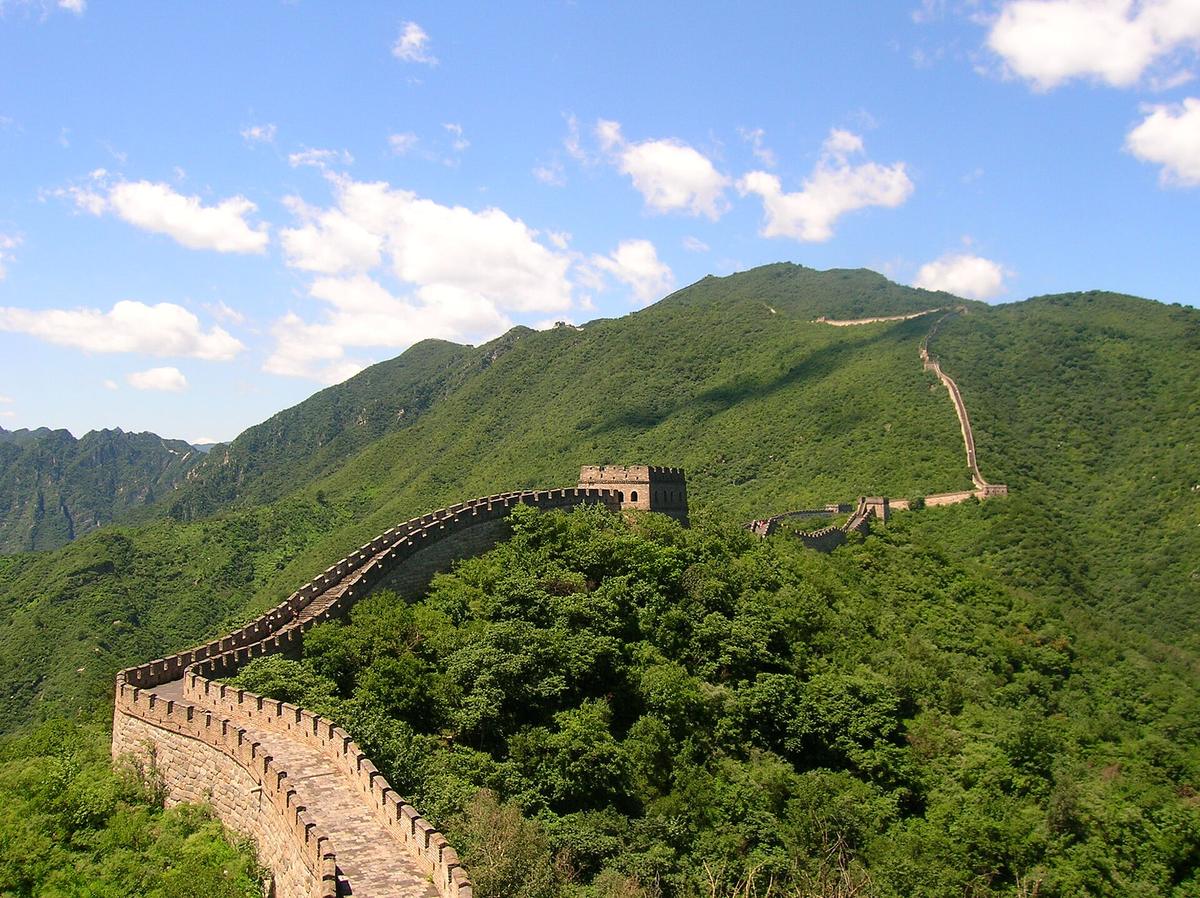
Japan, South Korea, China, Taiwan, Mongolia, and North Korea form a region defined by dramatic seasonal shifts and the best rail networks on the continent. China's rail network runs approximately 159,000 km. Japan's runs approximately 27,000 km. South Korea's runs approximately 4,300 km. The cost of travel multiplier across a border is real: a daily budget in Japan is roughly 1.5 to 2 times that of South Korea. The Great Wall of China sections near Beijing are restored and require advance booking for Mutianyu or Badaling during holidays. The Forbidden City requires online booking with tickets released 7 days ahead. China requires a VPN installed and connected before arrival because the Great Firewall blocks Google, WhatsApp, Instagram, and Gmail entirely. Golden Week in the first week of October floods regional tourist sites with domestic tour groups.
Southern Asia: Maximum Sensory Intensity
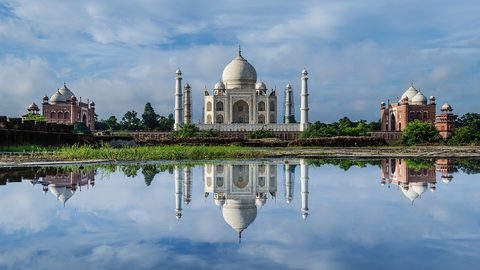
India, Pakistan, Bangladesh, Sri Lanka, Nepal, Bhutan, Maldives, Iran, and Afghanistan form a region of Mughal forts, Himalayan peaks, and crushing crowds. India's rail network runs approximately 68,000 km. The Taj Mahal demands an online ticket for a small discount, and you should expect crowds regardless. India requires biometric data and passport scans for SIM card registration, making airport pickup slower. The monsoon calendar governs travel: southwest monsoon onset in Kerala is late May to early June, advancing north and east through September. Land border crossings between India and Nepal at Sunauli Bhairahawa and Raxaul Birgunj are open. The India Pakistan border at Wagah Attari is closed to general cross border travel except for limited pedestrian categories. The e visa pioneer in the region was India, which introduced the e Tourist Visa in 2014. Afghanistan carries a Level 4 Do Not Travel advisory from the US Department of State, and the governments of Australia, Canada, and the United Kingdom all advise against all travel there.
Central Asia: Silk Road Outposts
Kazakhstan, Kyrgyzstan, Tajikistan, Turkmenistan, and Uzbekistan form a region of vast steppe, Soviet echoes, and intact Silk Road madrassas. Bukhara Old City in Uzbekistan holds intact trading domes and madrassas. The land border crossing between Kazakhstan and Kyrgyzstan at Korday is open. The crossing between Uzbekistan and Tajikistan at Oybek Fotekhobod reopened in 2018. Turkmenistan's land borders with Iran and Uzbekistan are closed to foreign tourists or subject to restricted access. Central Asian plov, a lamb rice cooked in cottonseed oil eaten communally from a single platter, is the defining food of the region.
Western Asia: Desert Metropolises and Strict Codes
Turkey, Georgia, Armenia, Azerbaijan, Syria, Iraq, Jordan, Israel, State of Palestine, Lebanon, Saudi Arabia, Yemen, Oman, United Arab Emirates, Qatar, Bahrain, Kuwait comprise a region where desert metropolises sit beside ancient ruins and social codes are strict. Petra in Jordan requires walking the Siq at opening. The Dead Sea is accessible from Jordan and Israel. The cost of travel multiplier across a border is clear: a daily budget in the UAE is roughly 2 to 3 times that of Oman. Land border crossings between Iran and Turkey at Bazargan Gurbulak and between Turkey and Georgia at Sarpi are open. The Armenia Turkey border has been closed since 1993. The Armenia Azerbaijan borders are all closed since the Nagorno Karabakh conflict. Syria and Yemen carry Level 4 Do Not Travel advisories from the US Department of State. The governments of Australia, Canada, and the United Kingdom advise against all travel to both countries. Lebanon and Iraq carry advisories against all travel or reconsider travel from the same governments.
How Long to Spend in Asia
Twenty one days is the minimum for a basic two stop sampler within one region. At 21 days you can fly into Bangkok, take a night bus to Chiang Mai, cross the land border into Laos at Nong Khai Vientiane, and reach Luang Prabang without touching a budget airline. That is a coherent trip. Three to six months covers a meaningful cross section within one region without burnout. Anything shorter than three weeks forces you into a rushed, airport heavy itinerary that misses the overland connections that define the continent.
The peak season from November to February is dry and cooler across most of Southeast Asia and South Asia, but it also coincides with Western winter holidays that drive up prices. The secondary peak from July to August suits East Asia and the Himalayas for summer vacations and trekking windows. Chinese New Year in late January or February sees the world's largest human migration, with transport booked solid and prices tripling across East and Southeast Asia. Avoid it.
Planning a Multi Country Asia Trip
Start with the region, not the individual nations. Decide which climate you want, what your daily budget looks like, and what kind of infrastructure you need. If you want robust rail networks and hypermodern order, choose Eastern Asia. If you want the soft landing backpacker circuit with cheap street food and open land borders, choose South eastern Asia. If you want maximum sensory intensity and the Himalayas, choose Southern Asia. If you want Silk Road outposts and Soviet echoes, choose Central Asia. If you want desert metropolises and ancient ruins, choose Western Asia.
Once you pick a region, check the visa situation for every nation you intend to visit. The e visa landscape has replaced paper visa on arrival stickers in many places. India, Myanmar, and Sri Lanka now require mandatory e visa pre approval for most nationalities. Twenty five countries in Asia have functioning e visa systems for multiple nationalities as of 2025, but the list changes annually. Check the issuing government's official portal before booking flights.
Book land border crossings in sequence. The open crossings between Thailand and Cambodia, Thailand and Laos, Vietnam and Cambodia, Malaysia and Singapore, China and Vietnam, China and Laos, China and Nepal, India and Nepal, India and Bangladesh, Iran and Turkey, Turkey and Georgia, Kazakhstan and Kyrgyzstan, and Uzbekistan and Tajikistan form a practical overland network. The closed crossings at India Pakistan, Armenia Turkey, Armenia Azerbaijan, North Korea South Korea, and Syria Israel are not options. Build your route around the open ones.
What It Costs At The Border
The cost of travel multiplier across a border is stark. A daily budget in Thailand is about 5 times that of Myanmar for equivalent comfort. A daily budget in Singapore is about 5 times that of Malaysia. A daily budget in Japan is about 1.5 to 2 times that of South Korea. A daily budget in the UAE is about 2 to 3 times that of Oman. Budget for the expensive side of the border and spend freely on the cheap side.
How To Get Around Without Flying
The dominant mode for long distance travel across Asia is low cost airlines like AirAsia, Scoot, and IndiGo, which have stitched the continent together with point to point routes requiring separate bookings. But the brief for this trip is overland travel within one region. Use the rail backbone countries: China, India, Japan, and South Korea. China's 159,000 km network, India's 68,000 km network, Japan's 27,000 km network, and South Korea's 4,300 km network are among the best in the world. Countries with no operational passenger rail include Bhutan, East Timor, Kuwait, Maldives, Oman, Qatar, United Arab Emirates, and Yemen. Those will require buses, shared taxis, or unmarked minivans that form the real network and are invisible on digital maps. Google Maps transit data is not accurate in many cities. Ask locally, not an app.
| Country | Approximate Rail Length | Subregion | Notes |
|---|---|---|---|
| China | 159,000 km | Eastern Asia | National Railway Administration of China, 2024 figure |
| India | 68,000 km | Southern Asia | Indian Railways, 2024 figure |
| Japan | 27,000 km | Eastern Asia | Japan Ministry of Land, Infrastructure, Transport and Tourism, 2024 figure |
| South Korea | 4,300 km | Eastern Asia | Korea Railroad Corporation, 2024 figure |
| Bhutan | 0 km | Southern Asia | No operational passenger rail |
| East Timor | 0 km | South eastern Asia | No operational passenger rail |
| Kuwait | 0 km | Western Asia | No operational passenger rail |
| Maldives | 0 km | Southern Asia | No operational passenger rail |

First Time Asia Backpacking Circuit
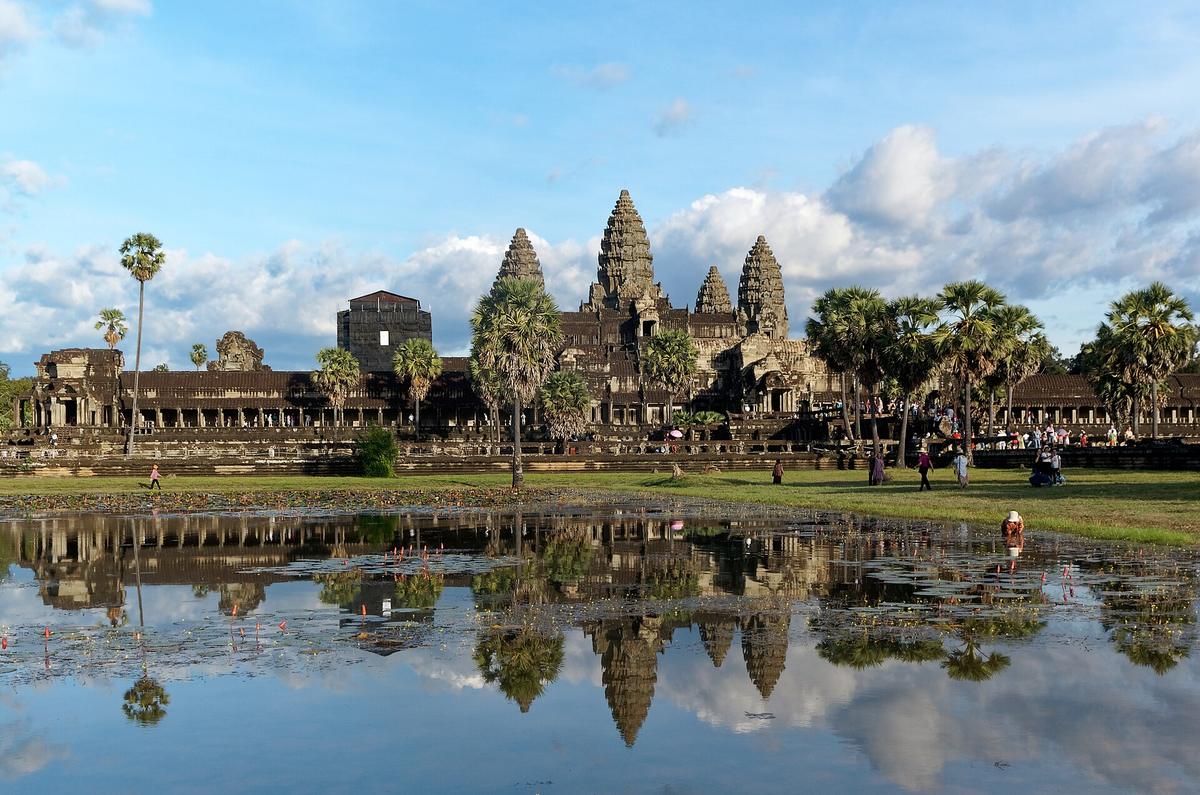
The classic circuit runs through South eastern Asia. Fly into Bangkok Suvarnabhumi. Take the Airport Rail Link to central Bangkok for 45 THB. Spend a week eating street food from plastic stools: pad kra pao, mango sticky rice, boat noodles. Take a train to Ayutthaya in 1.5 hours and cycle the ruined Siamese capital. Cross the land border at Aranyaprathet Poipet into Cambodia. Buy your Angkor Wat pass online and arrive for sunrise at the 12th century complex. Cross into Vietnam at Moc Bai Bavet. Take a sleeper bus north for Ha Long Bay and book an overnight boat. Cross into Laos at Lao Bao Dansavanh or take a flight. Reach Luang Prabang for the dawn alms giving and French colonial lanes. Cross into Thailand again at Nong Khai Vientiane. This loop takes 21 days minimum and never requires a budget airline.
For a variation that includes Myanmar, note that the governments of Australia, Canada, the United Kingdom, and the United States all advise against all travel or reconsider travel to most regions of Myanmar. Check current advisories before planning. For a variation that includes Malaysia and Singapore, cross the Johor Bahru Woodlands causeway. The cost of travel multiplier means you will pay 5 times more in Singapore for equivalent comfort. Plan your budget accordingly.
What To Carry For The Circuit
The squat toilet remains the default in vast swathes of rural and transport hub Asia. Carry your own toilet paper and hand sanitiser. Air conditioning is set to arctic levels on long distance buses and trains in Thailand and Vietnam. A down jacket is essential for 12 hour sleeper bus journeys. Pedestrian infrastructure is often absent. Crossing a road means stepping into live traffic and walking at a predictable pace. SIM card registration requires biometric data and passport scans in Vietnam. Get your local SIM at the airport and budget extra time for the process. eSIMs via Airalo or Holafly cover most of the continent but are significantly more expensive than local physical SIMs.
Asia Overland Travel Routes
Three overland routes connect multiple countries within a single region without requiring flights.
The Southeast Asia Loop
Thailand to Cambodia to Vietnam to Laos and back to Thailand uses five open land border crossings. The route covers Angkor Wat, Ha Long Bay, Luang Prabang, and Bangkok. The full loop takes 21 to 30 days. The burning season from February to April makes northern Thailand and Laos dangerous for outdoor activity. Plan for November to February or July to August.
The Central Asia Silk Road
Kazakhstan to Kyrgyzstan to Uzbekistan to Tajikistan uses open crossings at Korday and Oybek Fotekhobod. Turkmenistan is difficult to enter overland because its borders with Iran and Uzbekistan are closed to foreign tourists or subject to restricted access. The route covers Bukhara Old City, the singing dunes of the Gobi Desert in Mongolia if you extend north, and the Soviet echoes of Almaty. The continental winter calendar governs travel: the Siberian High builds from October, peak cold is December to February, and retreat is March to April. Travel May to September.
The Indian Subcontinent Rail Route
India to Nepal to Bangladesh uses open crossings at Sunauli Bhairahawa and Petrapole Benapole. India's 68,000 km rail network handles the heavy lifting. The Taj Mahal, the Himalayan trekking of Nepal, and the Sundarbans of Bangladesh form a coherent trip. The monsoon calendar governs travel: southwest monsoon onset in Kerala is late May to early June, advancing north and east through September. The northeast monsoon in southern India and Sri Lanka runs October to December. Travel November to February for dry conditions.
Who Asia Suits and Who Should Skip it
Asia suits first time long haul backpackers wanting a well trodden circuit with robust infrastructure. It suits culture and history obsessives seeking the densest concentration of UNESCO sites on earth. It suits food focused travellers willing to structure their days around street stalls and night markets. It suits digital nomads chasing low costs of living with reliable internet in hubs like Chiang Mai or Bali. It suits adventure travellers targeting world class diving, trekking, and mountaineering.
Asia does not suit travellers who need strict order, quiet, and personal space. The public jostling and chaotic traffic will be deeply stressful. It does not suit anyone seeking a relaxing single base beach holiday with minimal logistical friction. Pick one specific country or island for that, not a multi stop trip. People with severe respiratory issues should be cautious because air quality in many major cities frequently reaches hazardous levels.
Countries in Asia
-

 China
China demands preparation before departure. From payment apps and VPNs to train tickets and SIM cards, here is what to sort out before you board the plane.
China
China demands preparation before departure. From payment apps and VPNs to train tickets and SIM cards, here is what to sort out before you board the plane.
-
 India
India is a subcontinent where the regions differ more than most countries do, the rail network is the backbone, and the monsoon rewrites the calendar
India
India is a subcontinent where the regions differ more than most countries do, the rail network is the backbone, and the monsoon rewrites the calendar
-
 Iran
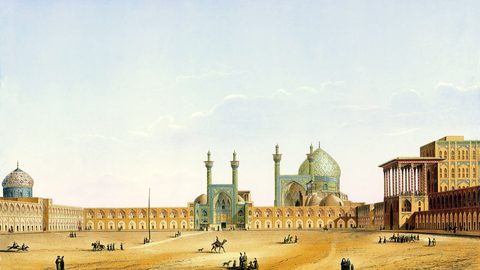
Iran is a vast plateau of monumental Persian architecture and genuine hospitality, shaped by cash-only payments, dress codes, and blocked internet.
Iran
Iran is a vast plateau of monumental Persian architecture and genuine hospitality, shaped by cash-only payments, dress codes, and blocked internet.
-

 Japan
A rail network that reshapes your itinerary, a cash culture that endures alongside futuristic tech, and two brief seasons that carry the weight of a nation's
Japan
A rail network that reshapes your itinerary, a cash culture that endures alongside futuristic tech, and two brief seasons that carry the weight of a nation's
-
 Pakistan
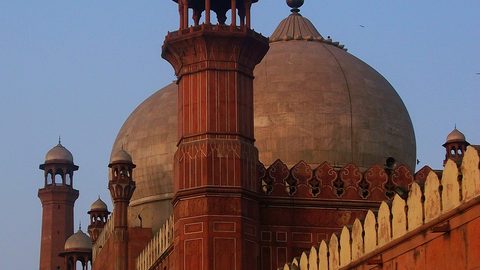
 travels as four distinct countries stitched by one visa: the Indus plains, the Hindu Kush, the Baloch desert, and the Karakoram Highway corridor.
Pakistan
Pakistan travels as four distinct countries stitched by one visa: the Indus plains, the Hindu Kush, the Baloch desert, and the Karakoram Highway corridor.
-
 Philippines
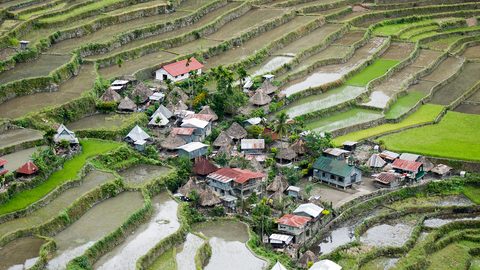
Seven thousand islands means every itinerary is a transit equation. Learn how domestic flights, ferries, and monsoons shape realistic Philippines travel planning.
Philippines
Seven thousand islands means every itinerary is a transit equation. Learn how domestic flights, ferries, and monsoons shape realistic Philippines travel planning.
-

 Singapore
 is a tropical city-state that functions as a country, a city and a global airport hub, small enough to cross in an hour and regulated in ways that
Singapore
Singapore is a tropical city-state that functions as a country, a city and a global airport hub, small enough to cross in an hour and regulated in ways that
-
 Thailand
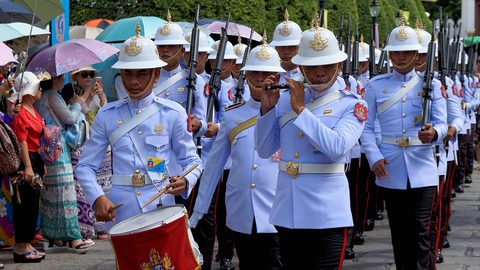
Plan a Thailand trip that works with two monsoons hitting opposite coasts at different times.
Thailand
Plan a Thailand trip that works with two monsoons hitting opposite coasts at different times.
-

 Turkey
 delivers staggering historical depth and dramatic landscapes, but the interior is nothing like the coast, distances are long, and patience is the entry fee.
Turkey
Turkey delivers staggering historical depth and dramatic landscapes, but the interior is nothing like the coast, distances are long, and patience is the entry fee.
Common Questions
What is the easiest region for a first time visitor to Asia?
South eastern Asia is the soft landing. Thailand, Vietnam, Cambodia, Laos, and Malaysia have robust backpacker infrastructure, open land borders, and street food that costs a few dollars a meal. The humidity and crowds are intense, but the circuit is well trodden and the logistics are straightforward.
Can I visit India and Japan in the same trip?
You can, but it is the single biggest mistake first timers make. A Bangkok Tokyo Delhi itinerary in two weeks burns three full days in transit and leaves you with no sense of any place. Pick one region and travel overland within it. Save the other region for a separate trip.
How many days do I need for a multi country Asia trip?
Twenty one days is the minimum for a basic two stop sampler within one region. Three to six months covers a meaningful cross section without burnout. Anything shorter than three weeks forces a rushed airport heavy itinerary.
Do I need visas for every country in Asia?
No, but the e visa landscape has replaced paper visa on arrival stickers in many places. 25 countries have functioning e visa systems as of 2025. India, Myanmar, and Sri Lanka now require mandatory e visa pre approval for most nationalities. Always check the issuing government's official portal before booking flights.
What is the best time of year to travel across Asia?
November to February is the dry cooler peak across most of Southeast Asia and South Asia. July to August is the secondary peak for East Asia and the Himalayas. Chinese New Year in late January or February should be avoided entirely. The monsoon season varies by coast but makes Thailand's Andaman coast and India's west coast unswimmable from May to October.
Which countries in Asia are unsafe to travel to right now?
As of the most recent advisories, the US Department of State issues a Level 4 Do Not Travel advisory for Afghanistan, Iran, Iraq, North Korea, Syria, and Yemen plus Gaza. The governments of Australia, Canada, and the United Kingdom issue similar advisories against all travel to Afghanistan, Syria, Yemen, and North Korea, and against all travel or reconsider travel to Iran, Iraq, Myanmar, Lebanon, and the State of Palestine. Travel advisories are revised regularly. Check your own government's current advisory before planning.
Can I cross from India to Pakistan overland?
No. The India Pakistan border at Wagah Attari is closed to general cross border travel except for limited pedestrian categories. The pedestrian crossing itself is open only for those categories. Plan to fly if you need to travel between these countries.
Read next
-
Singapore
Singapore is a tropical city-state that functions as a country, a city and a global airport hub, small enough to cross in an hour and regulated in ways that
-
Turkey
Turkey delivers staggering historical depth and dramatic landscapes, but the interior is nothing like the coast, distances are long, and patience is the entry fee.
-
Iran
Iran is a vast plateau of monumental Persian architecture and genuine hospitality, shaped by cash-only payments, dress codes, and blocked internet.
-
Japan
A rail network that reshapes your itinerary, a cash culture that endures alongside futuristic tech, and two brief seasons that carry the weight of a nation's
-
India
India is a subcontinent where the regions differ more than most countries do, the rail network is the backbone, and the monsoon rewrites the calendar
-
Pakistan
Pakistan travels as four distinct countries stitched by one visa: the Indus plains, the Hindu Kush, the Baloch desert, and the Karakoram Highway corridor.
-
 A Ground-Level Logistics Guide to Independent Travel in China
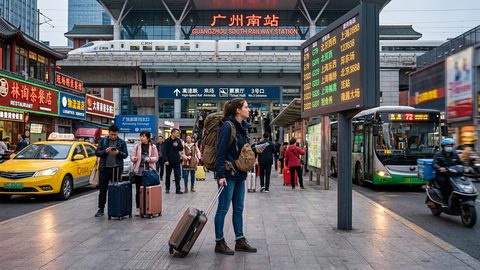
First-time independent travel in China: what you need to know about visas, rail booking, eSIMs, mobile payments, and power adapters.
A Ground-Level Logistics Guide to Independent Travel in China
First-time independent travel in China: what you need to know about visas, rail booking, eSIMs, mobile payments, and power adapters.
-
 How Solo Travelers Stay Ahead of Flight Delays and Cancellations
How solo travelers can track inbound aircraft, claim rebooking rights, and adjust ground transport when flights go wrong — step by step.
How Solo Travelers Stay Ahead of Flight Delays and Cancellations
How solo travelers can track inbound aircraft, claim rebooking rights, and adjust ground transport when flights go wrong — step by step.
-
 Why Your eSIM Might Not Work Abroad and How to Check Before You Go
Buying an eSIM doesn't guarantee signal abroad. Learn why coverage fails by location and how to verify reach before you commit to a plan.
Why Your eSIM Might Not Work Abroad and How to Check Before You Go
Buying an eSIM doesn't guarantee signal abroad. Learn why coverage fails by location and how to verify reach before you commit to a plan.