Belgium Train Travel Guide, From Timetables to Tram Connections
The single biggest friction in Belgian travel: the rail network is excellent, but stop names are in Dutch in Flanders and French in the south, and the two
Belgium Transport: What Connects Where
The single biggest friction in Belgian travel: the rail network is excellent, but stop names are in Dutch in Flanders and French in the south, and the two versions can differ completely. Liège is Luik. Mons is Bergen. Platform signage follows whichever language the region speaks. This guide explains how to buy the right ticket for the right network and get to the right platform even when the name on your app does not match the name on the wall.
Book a ticket on the SNCB/NMBS app, tap a contactless card at the validator, or buy from a machine. There are no gates. Walk straight to the platform. Ticket checks happen on nearly every intercity train, and the fine for travelling without a valid ticket is steep. Standard tickets are undated and valid any day. Buy one and use it weeks later, provided you stamp it in the validation machine before boarding. Weekend tickets are tied to a specific weekend. App tickets are dated at purchase and need no validation.
A reader types "sncb nmbs train network belgium" into a search engine because the dual name is confusing. SNCB is the French acronym, NMBS the Dutch one. Same company, same trains, same app. The rail network is radial, centred on Brussels, with InterCity (IC) trains every 30 to 60 minutes on main lines and local (L) trains less frequently, especially in the south. High speed international connections run via Eurostar to London, Paris, Amsterdam and Cologne, plus TGV to France and ICE to Germany. No rail service exists in parts of the Ardennes and rural Luxembourg province. Those areas require a bus or a car.
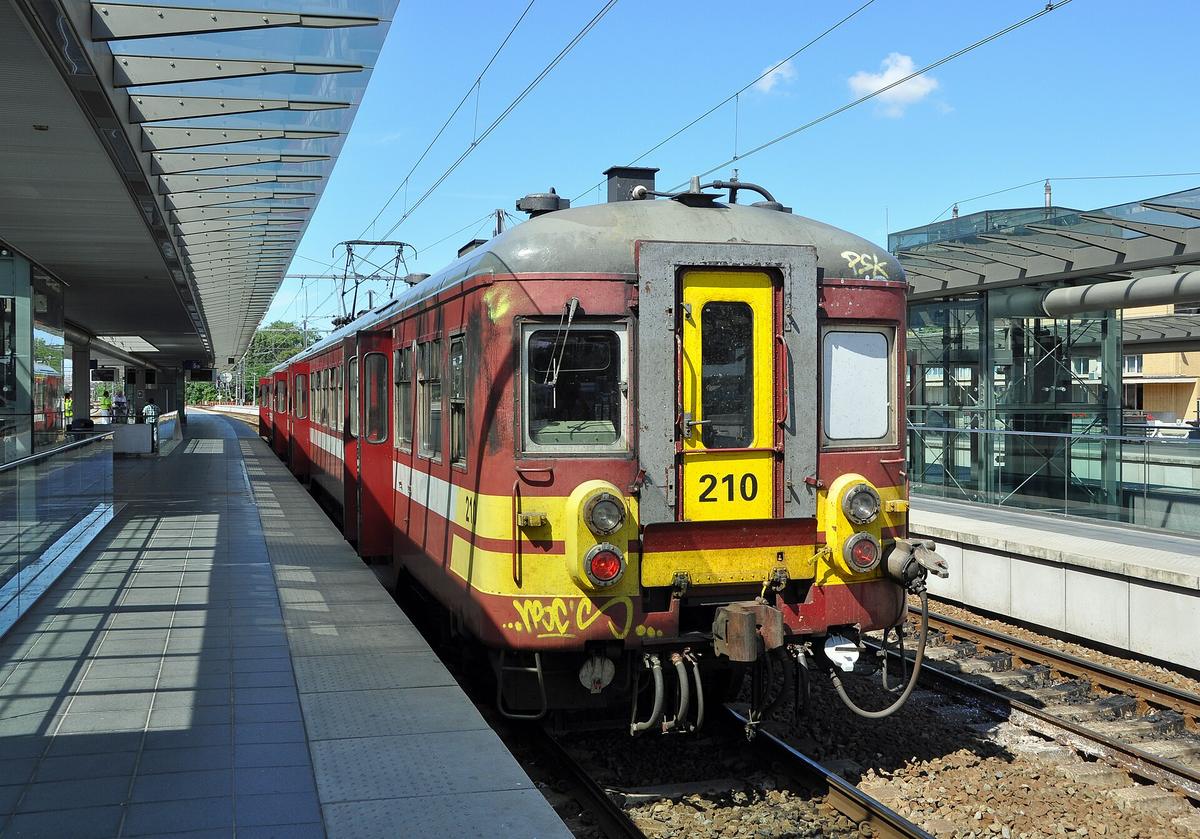
De Lijn, TEC, STIB: the Bus and Tram Networks
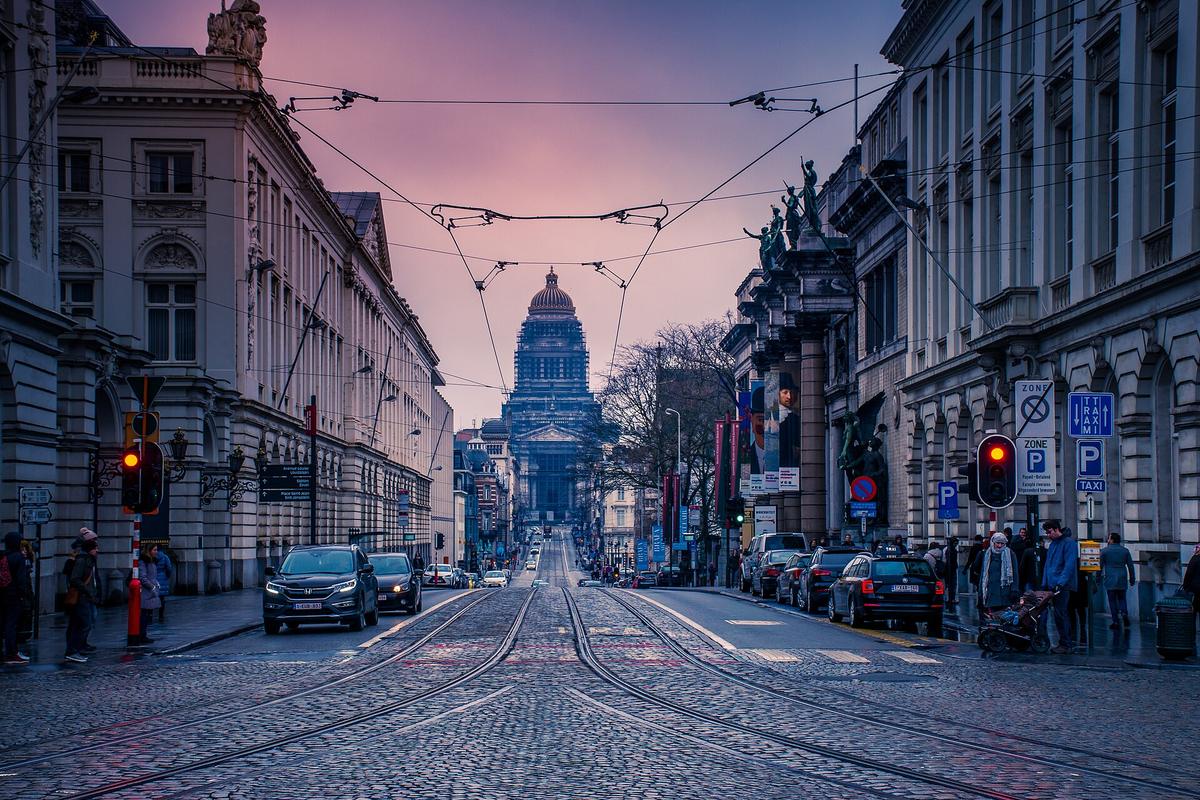
The question "de lijn tec bus tram tickets" comes up because Belgium has three separate regional bus operators and they do not accept each other's tickets. De Lijn runs buses and trams in Dutch speaking Flanders, including the Coastal Tram from Knokke Heist to De Panne with roughly 67 stops along the full 67 km route. TEC covers the south. STIB/MIVB operates the Brussels metro (lines 1, 2, 5, 6), buses, and trams in the capital. Contactless payment works on board all three networks. Tap your bank card or phone when boarding. Single tickets are undated; multi journey cards and day passes activate on first use. A Brussels STIB ticket is not valid on a De Lijn bus. Cross from Brussels into Flanders and you need a second fare.
The failure case: you board a De Lijn bus in Antwerp with an unused SNCB/NMBS train ticket. It is not valid. De Lijn inspectors do not accept explanations. The fine will exceed the fare significantly. Buy a ticket via the De Lijn app or tap contactless the moment you step on.
Why Station Names Change and How to Handle it
Decoding Dual Language Signage
The search query "belgium station name language differences" exists because the mismatch is sharp. A train ticket bought from the SNCB/NMBS app may show "Luik" while Google Maps shows "Liège" and the building itself says "Liège-Guillemins". The rule: the name on platform signage is the name in the local language. If the train you board has its final destination in Dutch on the electronic board but you are in the south, the conductor will still announce the French version. Learn both names for your destination before you travel. For Brussels, the name is the same in both languages. For anywhere else, check the SNCB/NMBS app. It shows both versions on the journey detail screen.
Taxis and Ride Hailing
Uber and Bolt operate in major cities under Flemish and Brussels regional regulations. Availability is limited in the south. Street hailing is uncommon outside Brussels. Taxi ranks exist at all major stations and airports. Give the driver the stop name in the local language to avoid circling.
The Transport Apps You Actually Need
When travellers search "belgium intercity transport apps", they need three things. The SNCB/NMBS app for train tickets, real time departures, and platform numbers. Google Maps works for route planning but may show a stop name in a different language than your ticket. Verify against the SNCB/NMBS app before boarding. For buses and trams, the De Lijn app covers Flanders, the TEC app covers the south, and the STIB/MIVB app covers Brussels.
What to Do If the Normal Route is Closed
Late Night and Holiday Gaps
It is 1am. The last train has left. The Coastal Tram stops running around midnight. De Lijn and TEC operate reduced holiday timetables in July and August on some routes, and Sunday level service on public holidays. Taxi ranks at stations and airports are the fallback. Uber and Bolt are available in Brussels, Antwerp, Ghent, and Liège but wait times increase late at night.
Ardennes and Rural Areas
For the Ardennes, where no rail service exists in parts of rural Luxembourg province, a pre booked taxi is the only option. Budget €30 to €60 for a short ride depending on distance.


Cycling as a Transport Option
The numbered node cycle network (fietsknooppunten) across Flanders and the RAVeL network of converted towpaths and railway lines in the south mean you can treat a bike as your primary intercity vehicle if the weather holds. Blue bike rental is available at major railway stations. Bikes are permitted on SNCB/NMBS trains with a bike ticket but only outside weekday peak hours, and spaces are limited. Flanders is flat and ideal. The south is hillier but the RAVeL routes follow river valleys and stay mostly level.
Driving: When it Makes Sense and When it Does Not
Roads, Tolls and Speed Limits
Brussels to Bastogne is roughly 150 km but takes over two hours by car. Ardennes roads are winding. The motorway network is dense, toll free, and illuminated on major routes. Speed limits: 120 km/h on motorways in Flanders and the south, 100 km/h in the Brussels region, and 30 km/h as the general urban rule in Brussels.
Low Emission Zones and Licences
Low emission zones operate in Antwerp, Brussels, and Ghent. Foreign vehicles must register. Enforcement is by ANPR cameras. EU and EEA driving licences are valid; non EU licences may require an International Driving Permit or certified translation depending on nationality.
Who This Transport System Suits and Who it Does Not
Belgium's fragmented public transport suits travellers who enjoy short train hops between distinct cities and who plan their day around the lunch and dinner service windows in smaller Flemish towns. It does not suit travellers seeking dramatic wilderness or epic mountain scenery. Nor anyone who finds regional language shifts confusing. Nor nightlife first visitors expecting late night energy outside a few student cities.
The single thing that most often goes wrong: buying a standard paper ticket, forgetting to validate it in the machine before boarding, and getting fined. The validation machines are yellow. They sit at station entrances. Use them every time, or buy the ticket on the app where validation is automatic.
Common Questions
Can I use a Brussels STIB ticket on a De Lijn bus in Ghent?
No. Separate tickets are required across operators. A Brussels STIB/MIVB ticket is not valid on De Lijn or TEC unless you buy a specific cross network fare. Tap contactless on board each operator's vehicle.
What happens if I board a train without buying a ticket first?
There are no gates, so you can board freely. But ticket checks are frequent on intercity trains. If you do not have a valid ticket, you receive a fine. The SNCB/NMBS app lets you buy a ticket moments before boarding.
Why does my ticket say Luik when the station sign says Liège?
Station names appear in the local language. In Dutch speaking Flanders, the sign says Luik. In French speaking Wallonia, the sign says Liège. Both refer to the same city. Learn both names before travelling.
How do I pay for a bus if I do not have the app?
Contactless payment is accepted on all De Lijn, TEC, and STIB/MIVB vehicles. Tap your bank card or phone on the validator when you board. Single tickets are undated and activate at first tap.
Read next
-
 Staying Connected in Belgium With eSIM, Local SIM or Roaming
How to get mobile data in Belgium: eSIM before arrival, a prepaid Orange or Proximus SIM at Brussels Midi, and the reality of train WiFi dead zones.
Staying Connected in Belgium With eSIM, Local SIM or Roaming
How to get mobile data in Belgium: eSIM before arrival, a prepaid Orange or Proximus SIM at Brussels Midi, and the reality of train WiFi dead zones.
-
 Best Time to Visit Belgium by Season Weather Festivals and Crowds
You are standing on a Ghent canal in July. The sky did not decide what to do this morning: it shifted from overcast to light rain to hazy sun before you finis
Best Time to Visit Belgium by Season Weather Festivals and Crowds
You are standing on a Ghent canal in July. The sky did not decide what to do this morning: it shifted from overcast to light rain to hazy sun before you finis
-
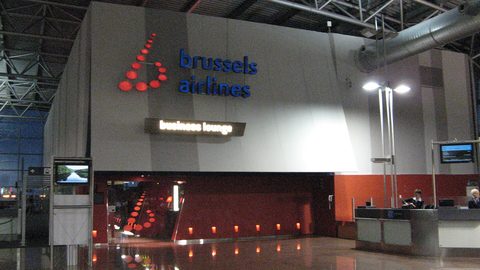 Belgium Visa Requirements for Short Trips and Schengen Rules Explained
Belgium sits inside the Schengen Area. That single fact decides everything about entry requirements.
Belgium Visa Requirements for Short Trips and Schengen Rules Explained
Belgium sits inside the Schengen Area. That single fact decides everything about entry requirements.
-
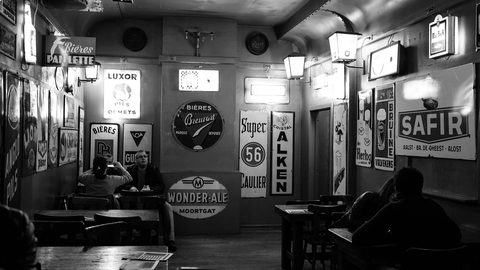 Money in Belgium How Euros Cards and Cash Actually Work Day to Day
The most common mistake is thinking the whole country works like the capital. It does not.
Money in Belgium How Euros Cards and Cash Actually Work Day to Day
The most common mistake is thinking the whole country works like the capital. It does not.
-
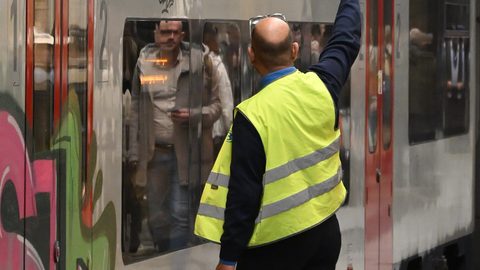 Is Belgium Safe Reading Travel Advice Without the Overblown Warnings
You are standing in line at a frites stand on the Grand Place, phone in one hand, wallet in your back pocket, bag slung open behind you.
Is Belgium Safe Reading Travel Advice Without the Overblown Warnings
You are standing in line at a frites stand on the Grand Place, phone in one hand, wallet in your back pocket, bag slung open behind you.
-
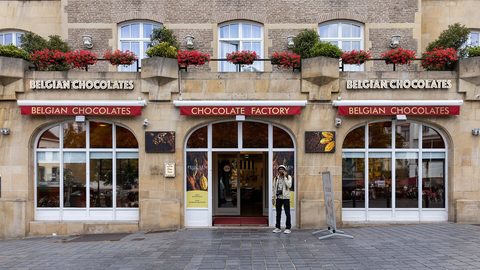 What a Trip to Belgium Costs, From Trains to Trappists
How much Belgium costs per day, from train tickets and Trappist beers to hotel premiums in Bruges and where to find better value overnight.
What a Trip to Belgium Costs, From Trains to Trappists
How much Belgium costs per day, from train tickets and Trappist beers to hotel premiums in Bruges and where to find better value overnight.
-
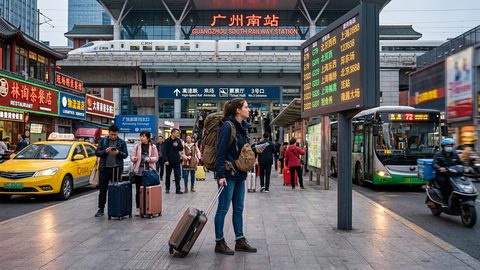 A Ground-Level Logistics Guide to Independent Travel in China
First-time independent travel in China: what you need to know about visas, rail booking, eSIMs, mobile payments, and power adapters.
A Ground-Level Logistics Guide to Independent Travel in China
First-time independent travel in China: what you need to know about visas, rail booking, eSIMs, mobile payments, and power adapters.
-
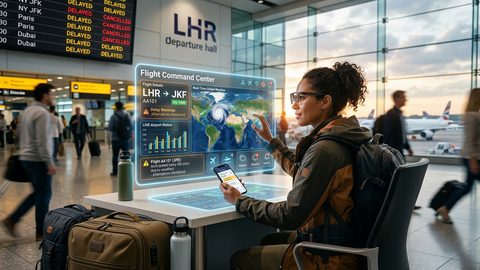 How Solo Travelers Stay Ahead of Flight Delays and Cancellations
How solo travelers can track inbound aircraft, claim rebooking rights, and adjust ground transport when flights go wrong — step by step.
How Solo Travelers Stay Ahead of Flight Delays and Cancellations
How solo travelers can track inbound aircraft, claim rebooking rights, and adjust ground transport when flights go wrong — step by step.
-
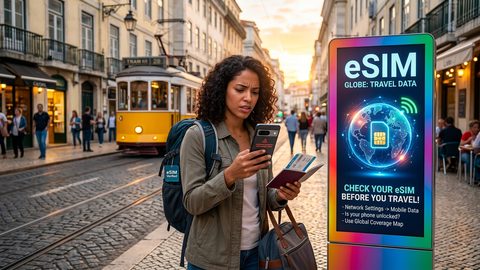 Why Your eSIM Might Not Work Abroad and How to Check Before You Go
Buying an eSIM doesn't guarantee signal abroad. Learn why coverage fails by location and how to verify reach before you commit to a plan.
Why Your eSIM Might Not Work Abroad and How to Check Before You Go
Buying an eSIM doesn't guarantee signal abroad. Learn why coverage fails by location and how to verify reach before you commit to a plan.