A Realistic Belgium Trip Cost Breakdown for Planning Your Stay
How much Belgium costs per day, from train tickets and Trappist beers to hotel premiums in Bruges and where to find better value overnight.
What a Trip to Belgium Actually Costs
Belgium is compact enough that you can base yourself in one city and day trip. But SNCB costs add up if you move every day. The Standard Multi pass, 10 single journeys for over 26s, cuts the per-leg cost to about half an ordinary single ticket. For anyone under 26, the Youth Multi drops it further. Plan your accommodation first, then your train movements, then your eating budget. That is the only sequence that keeps the numbers honest.
Your Belgium Daily Budget: Three Scenarios
What a Premium Day Costs
A premium budget adds a Michelin-style dinner, private transfers from Brussels Airport or Brussels South Charleroi, and a 4-star hotel in the city centre. The airport transfer alone costs €12 by train from BRU or €17 by Flibco bus from CRL. A taxi from BRU to central Brussels costs three times that. Skip the taxi.

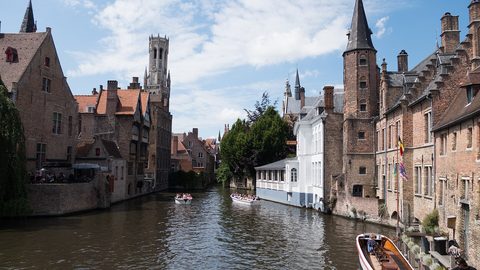
Where Your Money Vanishes: Bruges, Trains, and Timing
A less obvious cost is soft drinks and bottled water in restaurants. They are priced close to beer. Expect €3 to €4 for a small bottle. Tap water is potable but not routinely served free, and asking for it may be refused. Budget for a drink with every meal, or carry a bottle.
Brussels Hotel Prices and the Regional Gap
Wallonia: Lower Prices, Longer Rides
Wallonia is consistently cheaper. A mid-range double in Liège or Namur costs €70 to €90 year-round. The Ardennes peaks during autumn foliage and Christmas markets, but even then a room in Dinant or Bastogne rarely reaches Bruges prices. The trade-off is longer train times to the Flemish art cities: Dinant to Ghent is 1 hour 45 minutes by train.
Belgium Train Ticket Costs and the Rail Pass Secret
Station Names: A Language Trap
One trap: station names differ between Dutch in Flanders and French in Wallonia. Liège is Luik on a Flanders platform. Mons is Bergen. Your ticket uses the name in the language of the departure station. Google Maps may show the other language. Check the platform signage in the local language, not the map on your phone.
Belgium Food Prices and Where to Eat
Supermarkets Versus Restaurants
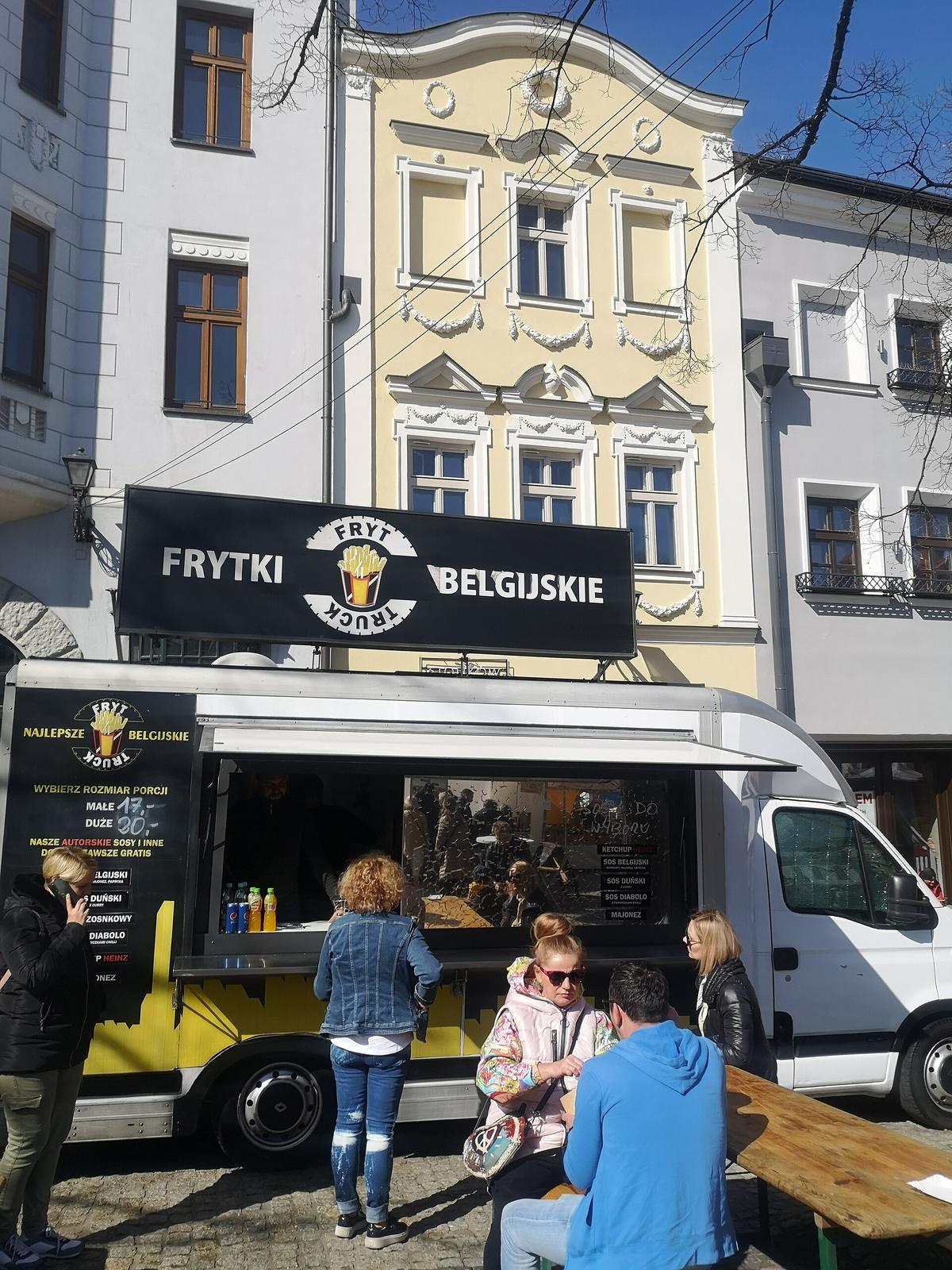
Supermarket prices at Colruyt, Aldi, and Lidl are structurally lower than in neighbouring France and the Netherlands. A loaf of bread, cheese, and a beer cost about €8. Carrefour and Delhaize are mid-range. Self-catering saves you €15 to €20 per day over eating out for every meal. The trade-off is that your lunch stop is not a frituur with a sauce selection.

The Practical Details That Change the Math
Booking and Free Entry
Entry to the Grand Place is free and has no booking. The Belfry of Bruges requires a timed slot online. The Adoration of the Mystic Lamb in Saint Bavo's Cathedral in Ghent requires a booking, essential in summer. The Atomium also requires advance booking. Free walking tours operate on a tip basis in Brussels, Bruges, Ghent, and Antwerp. They are not free in a budget sense but let you set the price.
The Two Regional Transport Gaps and the Connectivity Rule
SIM Cards and Connectivity
EU roaming works for EU SIMs. Non-EU visitors should buy a prepaid SIM from Orange or Proximus at Brussels Midi or Brussels Airport. Expect to pay €15 to €20. Free WiFi is widespread in cafés and hotels but patchy on intercity trains. Download offline maps and your SNCB tickets before you leave the hotel.
One Thing to Do Now
Open the SNCB app, buy a Standard Multi pass if you are over 26 or a Youth Multi pass if you are under 26, and load it with contactless payment. Then book your accommodation for the cities where you plan to sleep, not for the ones you plan to visit in daylight. The single biggest mistake is committing to a base in Brussels and trying to day-trip Bruges, Ghent, and Antwerp on consecutive days. The train cost adds up. The evening is lost to a return train. And you miss the quiet of a Flemish city after the day trippers leave.
Common Questions
What is a realistic daily budget for Belgium as a solo traveller?
A solo traveller spending for a hostel dorm, frites and supermarket food, one beer, and a Rail Pass for transport should budget about €65 per day. A mid-range solo traveller wanting a private hotel room, one sit-down dinner, one museum, and standard train tickets should budget about €145 per day. A couple sharing a hotel room and meals cuts the per-person cost by roughly 30 percent because accommodation and some food costs are shared.
Are Brussels hotel prices cheaper on weekends?
Yes. Brussels is a business city, so weekend hotel prices drop by 20 to 30 percent compared to midweek. A 3-star double that costs €110 on Tuesday can cost €80 on Saturday. July and August also see lower prices because business travel dips. The exception is during major festivals like the Gentse Feesten or large EU summits, when availability tightens.
How much do Belgian train tickets cost from Brussels to major cities?
A single standard class ticket from Brussels to Bruges costs about €16, to Ghent about €11, to Antwerp about €9, to Liège about €12, and to Dinant about €14. A Standard Multi pass drops the per-journey cost to about €9 for any domestic distance. A Youth Multi pass is cheaper for under 26s. There are no domestic advance purchase discounts, so buying on the day costs the same as buying a week ahead.
Is it cheaper to eat in restaurants or cook in Belgium?
Self-catering from Colruyt, Aldi, or Lidl costs about €8 to €10 per day for breakfast, lunch, and snacks. A sit-down dinner in a mid-range restaurant costs €25 to €30. Eating one restaurant meal per day versus eating none adds about €20 to your daily budget. The cheapest cooked option is frites from a frituur, which costs €4 and is filling enough for a meal.
What is the biggest hidden cost for tourists in Belgium?
Public toilets. They are scarce and nearly always require €0.50 to €1.00 in coins. Card payment is rare. Train stations, motorway services, and some markets have coin-operated toilets, and if you do not carry coins you cannot use them. Budget €2 per day for toilet access and carry a pocketful of euro coins at all times.
Read next
-
 Staying Connected in Belgium With eSIM, Local SIM or Roaming
How to get mobile data in Belgium: eSIM before arrival, a prepaid Orange or Proximus SIM at Brussels Midi, and the reality of train WiFi dead zones.
Staying Connected in Belgium With eSIM, Local SIM or Roaming
How to get mobile data in Belgium: eSIM before arrival, a prepaid Orange or Proximus SIM at Brussels Midi, and the reality of train WiFi dead zones.
-
 Best Time to Visit Belgium by Season Weather Festivals and Crowds
You are standing on a Ghent canal in July. The sky did not decide what to do this morning: it shifted from overcast to light rain to hazy sun before you finis
Best Time to Visit Belgium by Season Weather Festivals and Crowds
You are standing on a Ghent canal in July. The sky did not decide what to do this morning: it shifted from overcast to light rain to hazy sun before you finis
-
 Getting Around Belgium by Train Bus and Tram Without Getting Lost at Stations
The single biggest friction in Belgian travel: the rail network is excellent, but stop names are in Dutch in Flanders and French in the south, and the two
Getting Around Belgium by Train Bus and Tram Without Getting Lost at Stations
The single biggest friction in Belgian travel: the rail network is excellent, but stop names are in Dutch in Flanders and French in the south, and the two
-
 Belgium Visa Requirements for Short Trips and Schengen Rules Explained
Belgium sits inside the Schengen Area. That single fact decides everything about entry requirements.
Belgium Visa Requirements for Short Trips and Schengen Rules Explained
Belgium sits inside the Schengen Area. That single fact decides everything about entry requirements.
-
 Money in Belgium How Euros Cards and Cash Actually Work Day to Day
The most common mistake is thinking the whole country works like the capital. It does not.
Money in Belgium How Euros Cards and Cash Actually Work Day to Day
The most common mistake is thinking the whole country works like the capital. It does not.
-
 Is Belgium Safe Reading Travel Advice Without the Overblown Warnings
You are standing in line at a frites stand on the Grand Place, phone in one hand, wallet in your back pocket, bag slung open behind you.
Is Belgium Safe Reading Travel Advice Without the Overblown Warnings
You are standing in line at a frites stand on the Grand Place, phone in one hand, wallet in your back pocket, bag slung open behind you.
-
 A Ground-Level Logistics Guide to Independent Travel in China
First-time independent travel in China: what you need to know about visas, rail booking, eSIMs, mobile payments, and power adapters.
A Ground-Level Logistics Guide to Independent Travel in China
First-time independent travel in China: what you need to know about visas, rail booking, eSIMs, mobile payments, and power adapters.
-
 How Solo Travelers Stay Ahead of Flight Delays and Cancellations
How solo travelers can track inbound aircraft, claim rebooking rights, and adjust ground transport when flights go wrong — step by step.
How Solo Travelers Stay Ahead of Flight Delays and Cancellations
How solo travelers can track inbound aircraft, claim rebooking rights, and adjust ground transport when flights go wrong — step by step.
-
 Why Your eSIM Might Not Work Abroad and How to Check Before You Go
Buying an eSIM doesn't guarantee signal abroad. Learn why coverage fails by location and how to verify reach before you commit to a plan.
Why Your eSIM Might Not Work Abroad and How to Check Before You Go
Buying an eSIM doesn't guarantee signal abroad. Learn why coverage fails by location and how to verify reach before you commit to a plan.