Miami Is a Mainland Metropolis and a Barrier Island, and They Work Differently
Miami is two cities that share a name: the mainland grid where people live and work, and the barrier island across the bay that most visitors picture when
- Flag
-
- ISO code
- US
- Population
- 487,014
- Currency
- USD
- Timezone
- America/New_York
Miami is a Mainland Metropolis and a Barrier Island, and They Work Differently
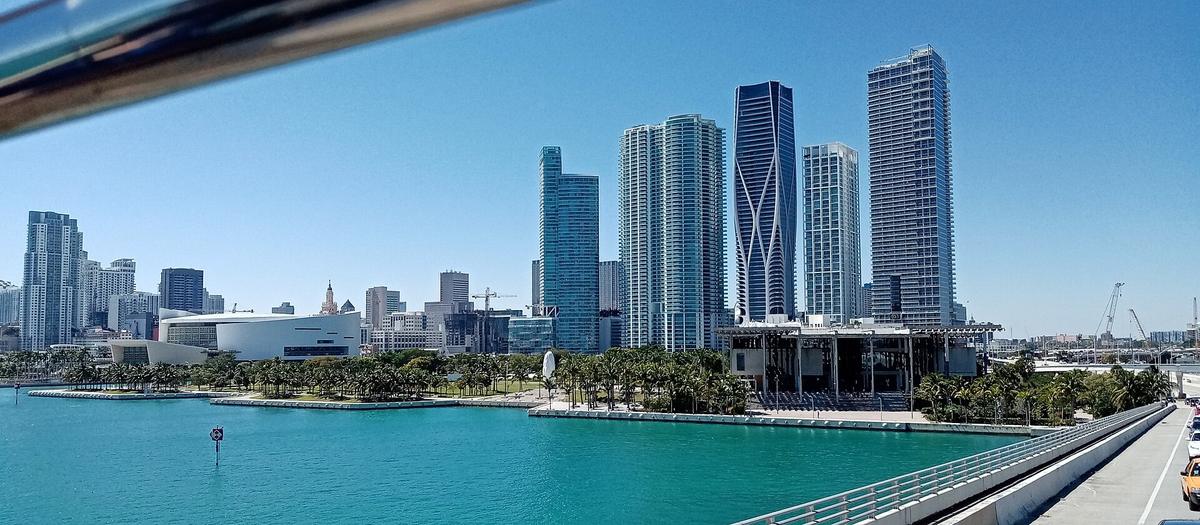
Miami is two cities that share a name, separated by Biscayne Bay. Treating them as one place is the most common planning error a visitor makes. The City of Miami sits on the mainland west of the bay. Miami Beach is a separate municipality on a barrier island east of it. They are not walking distance from each other. They do not share a transit line. They attract entirely different crowds. This miami travel guide frames the split so you can decide which side fits your trip and how to bridge the two without wasting hours in traffic.
- Geographic Split: City of Miami (mainland) and Miami Beach (barrier island) are separated by Biscayne Bay, connected by four causeways: Julia Tuttle, Venetian, MacArthur, and 395.
- Minimum Stay: 4 nights: one beach day, one cultural/arts day, one neighbourhood-hopping day, one evening-focused day. 3 nights covers one beach area and one mainland district; 5 to 7 nights allows multiple districts without rushing.
- Peak Season: December through April, coinciding with the dry season and northern-hemisphere winter. Art Basel Miami Beach (December), South Beach Wine and Food Festival (February), and spring break (March through April) drive crowding and prices.
- Avoid Window: Late August through October: peak hurricane season, oppressive humidity, daily afternoon downpours. Also avoid Memorial Day Weekend (late May) on South Beach due to Urban Beach Week gridlock.
- Arrival: Miami International Airport (MIA) is 8 miles west of Miami Beach. Metrorail Orange Line to downtown/Brickell takes 25 minutes; check the current fare on the Miami-Dade Transit site. Taxi or rideshare to South Beach takes 25 to 45 minutes; expect a fare set by the rideshare app or taxi meter. Fort Lauderdale-Hollywood (FLL) is 25 miles north with no direct rail; a rideshare takes 45 to 60 minutes.
- Public Transit Trap: The Metromover (downtown and Brickell loop) is free. The Metrorail is not. Tourists frequently confuse them and rack up fines. Miami Beach has no Metrorail connection; use Metrobus routes across the causeways instead.
- Sales Tax and Service Charges: Miami Dade County applies 7 percent sales tax on prepared food and beverages. Many South Beach venues add an automatic 18 to 20 percent service charge to bills. Check before tipping extra. Resort fees on Miami Beach hotels are standard and separate from the room rate.
Miami Neighborhoods Overview: the Mainland Side
The mainland is where people live and work. It is a sprawling, expensive Latin American metropolis where Spanish is the default language in many areas. Do not book a hotel in Downtown or Brickell under the impression you are staying on the beach. You are not. You are on the west side of the bay, a 30 minute rideshare from the sand during traffic, which is most of the day.
Downtown Miami and Brickell
Downtown is a high rise business district with dense condominium towers and limited street life after business hours. Brickell, just south of the Miami River, is the glassy finance zone: banks, luxury rental towers, and rooftop bars. Both are efficient bases if you have meetings or plan to use the Metromover to reach mainland landmarks, but neither offers a beach experience. The Metromover is free and loops through Downtown and Brickell on three lines. The Metrorail, which is not free, is a 25 mile elevated heavy rail line serving mainland corridors from Dadeland South to Palmetto and the airport. Use them correctly and you can navigate the mainland without a car. Miss the fare gate on the Metrorail and you pay a fine.
Wynwood and the Design District
Wynwood is a former warehouse grid north of Downtown that has transformed into an open air street art museum. Murals cover most building facades. Galleries, breweries, and independent retail fill the blocks. The Wynwood Walls are the ticketed core; book ahead. The Design District, a compact zone north of Wynwood, runs on ultra luxury fashion boutiques and gallery showrooms anchored by the Buckminster Fuller dome. Both areas are walkable within their own boundaries, but you drive or ride between them.
Little Havana
Little Havana runs along SW 8th Street (Calle Ocho) and holds the Cuban American heart of the city. Domino Park (Maximo Gomez Park) is a genuine social space where older men play dominos. Ventanitas, walk up windows serving cafecito and colada, are the local coffee ritual, not a sit down experience. Many businesses are Spanish first; menus and service may not default to English. That is normal. Order a pastelito or a frita Cubana and pay in cash.
Coral Gables and Coconut Grove
Coral Gables is a planned city southwest of Downtown, built in Mediterranean Revival architecture with low rise, tree lined streets and independent shops on Miracle Mile. The Venetian Pool, a historic coral rock spring fed pool, is here. Coconut Grove sits waterfront south of Brickell, with marinas, parks, older low rise residential streets, and the CocoWalk retail plaza. Both are wealthy, leafy, and slower paced than the rest of the mainland.

Miami Beach: South Beach, Mid Beach, and North Beach
Miami Beach is a barrier island east of Biscayne Bay, a separate municipality with its own government, its own police, and its own rules. It divides into three distinct strips running north to south.
South Beach
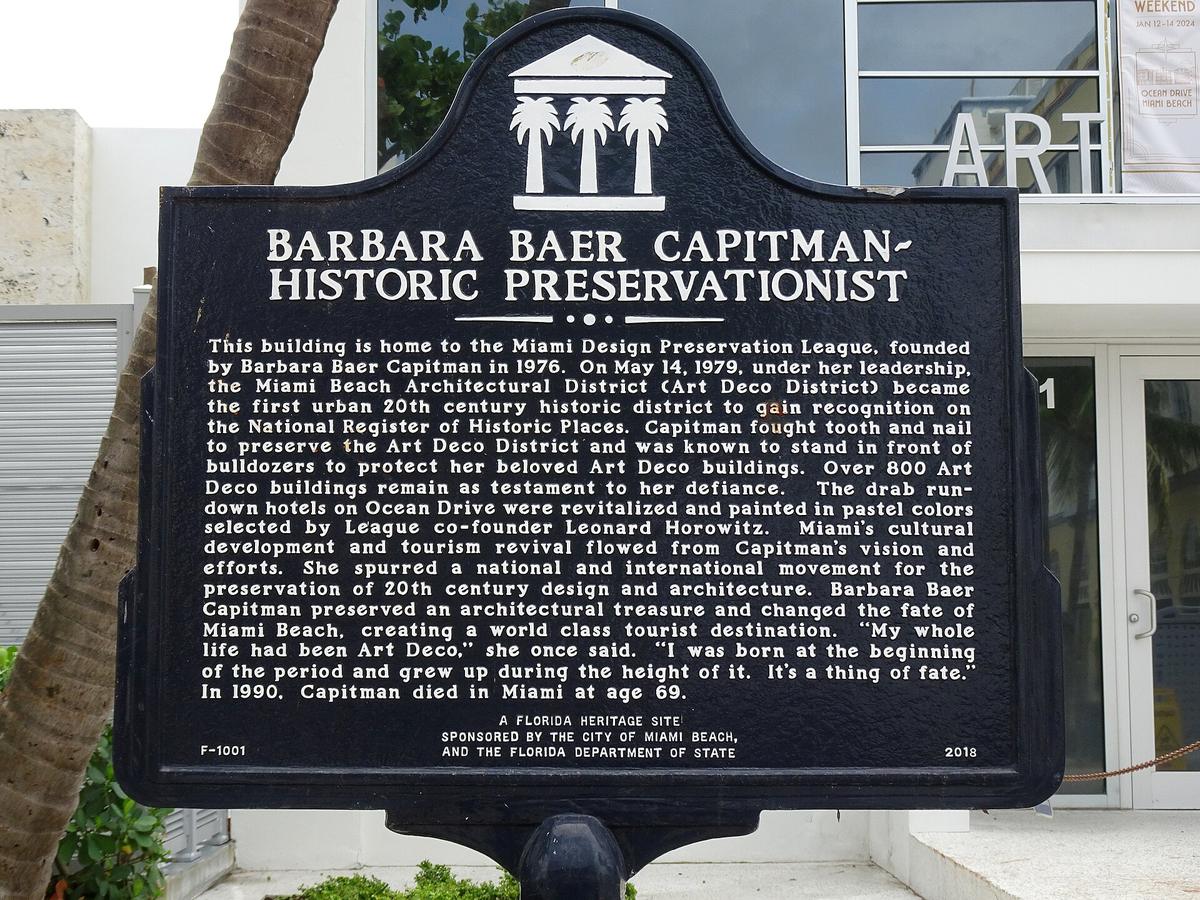
South Beach runs south of 23rd Street. It has the highest density of hotels, nightlife, pedestrian traffic, and Art Deco architecture of anywhere in Miami. Ocean Drive, Collins Avenue, and Washington Avenue hold roughly 800 preserved buildings from the 1920s through the 1940s, the Art Deco Historic District. This is where most visitors picture Miami: pastel facades, the party strip, beachfront crowds. It is also the most expensive and the most tourist dense. Beach access is public up to the mean high water line, but a set of two loungers and an umbrella from a hotel concession runs $50 to $80 a day, with the price set by the hotel. Parking in South Beach is a predatory sport: garages charge set daily rates, and street parking requires an app and a resident zone decoder ring.
Mid Beach
Mid Beach runs from 23rd to 63rd Street. The beachfront is wider, the resorts are larger, and the street level venues are fewer. This strip is quieter than South Beach and attracts a hotel centric crowd that wants the sand without the noise. It is also where you find the larger chain resorts with more predictable pricing, though resort fees are standard here as they are everywhere on the island.
North Beach
North Beach runs from 63rd Street to 87th Terrace. It is residential in scale, local businesses dominate, tourists are fewer, and the pace is slower. This is the old Miami feel, before the condos and the bottle service culture took over. If you want a no frills beach stay at a lower price point than South Beach, this is where you book.
| Factor | Mainland (City of Miami) | Miami Beach |
|---|---|---|
| Primary vibe | Latin American metropolis, finance and culture | Beach holiday, nightlife, Art Deco tourism |
| Walkability | High within individual neighborhoods like Wynwood or Brickell; low between them | High within South Beach; low between Mid Beach and North Beach |
| Best for | Art and design (Wynwood, Design District), Cuban culture (Little Havana), business travelers | Beach and pool holidaymakers, nightlife, luxury shoppers, Art Basel crowd |
| Not for | Travelers wanting oceanfront access or a quiet beach town | Budget backpackers seeking walkable historic centers or anyone who dislikes loud music and conspicuous wealth |
| Transit backbone | Metrorail (paid) and Metromover (free) connect Downtown, Brickell, and the airport | No Metrorail. Metrobus crosses the causeways. Rideshare or rental car is the dominant mode. |
| Typical base cost | Lower hotel rates than the beach, but no ocean views | Higher rates plus mandatory daily resort fees |
| Spanish in daily life | Default language in Little Havana, Hialeah, and many businesses | Less dominant; English is more common in tourist zones |
How Many Days in Miami Actually Makes Sense
The minimum viable stay is three nights. That covers one beach area and one mainland district, which is barely enough to understand why the two sides are different. Four nights is the comfortable minimum: one beach day, one cultural or arts day, one neighborhood hopping day, and one evening focused day. Five to seven nights allows you to hit multiple districts without feeling rushed.
Do not stay only on South Beach and never cross the causeways. That turns a complex, multi layered city into an overpriced, crowded strip of bars and souvenir shops. The single biggest trip up visitors make is underestimating distance and travel time between mainland districts and Miami Beach, especially in afternoon traffic. The scale of Greater Miami runs roughly 50 miles north to south. A 20 minute drive on the map turns into 45 minutes in real conditions.
Rideshare is the dominant mode of transport. Uber and Lyft operate everywhere, but wait times spike during peak beach traffic and after large events. A rental car gives you flexibility but comes with parking costs that run $20 to $40 a day in South Beach and Brickell, set by the garage or lot operator. Citi Bike Miami, the bicycle share system, has stations concentrated in Miami Beach, Downtown, Brickell, and Coconut Grove. It works for short trips within those zones but not for crossing causeways in the heat.
Humidity and When to Move Between Sides
The wet season runs May through October with frequent afternoon thunderstorms. The humidity level in those months makes walking between districts punishing. Rain appears suddenly and floods streets fast. A 20 minute downpour can strand you without an umbrella or an available rideshare. Plan indoor activities for early afternoons during the wet season and save causeway crossings for mornings or evenings. Sun intensity is high even on overcast days. You will burn without protection. Ocean temperature ranges from the low 70s Fahrenheit in January and February to the mid 80s in July and August, so swimming is viable year round but most comfortable in the dry season.

Miami Mainland vs Miami Beach: the Cultural Split You Need to Understand
The language landscape is the fastest way to grasp the divide. On Miami Beach, English dominates in tourist zones, though you hear Spanish, Portuguese, Russian, and French in roughly that order. Cross the MacArthur Causeway into Little Havana, and Spanish becomes the default. Many ventanitas post their menus in Spanish only. Domino Park is a Cuban social ritual where English is rare. This is not a problem, but it is a reality. Pack a translation app if your Spanish is weak.
The car dependency reinforces the split. Miami Beach is walkable within South Beach but not between its three sub districts. The mainland is walkable within Wynwood, Brickell, or Coconut Grove individually, but not between them. You need a rideshare or rental car to move from Little Havana to the Design District, or from Coral Gables to the beach. Four causeways connect the mainland to Miami Beach: Julia Tuttle, Venetian, MacArthur, and 395. Each one bottlenecks during peak hours. Budget 30 to 45 minutes for a cross bay trip, not the 15 minutes the map suggests.
Restaurant culture illustrates the divide too. South Beach runs on high end dining with automatic service charges and cover fees added to bills. The mainland runs on ventanita coffee culture, fritangas serving churrasco with chimichurri, and Peruvian ceviche spots in Brickell and Key Biscayne. Cuban sandwich and cafecito from a walk up window is the local vernacular, not Tex Mex. Stone crab claws, harvested October 15 through May 1, are the signature seafood and are served chilled with mustard sauce. Joe's Stone Crab on South Beach is the landmark, but the same claws appear on mainland menus at lower prices.
Who Miami Suits and Who Should Skip it
Miami works for nightlife and high end dining enthusiasts who want urban energy with a beach attached. It works for art and design lovers, particularly those timing a trip to Art Basel Miami Beach in early December or the South Beach Wine and Food Festival in February. It works for LGBTQ+ travellers who find a welcoming atmosphere in South Beach and the Design District. It works for luxury shoppers who want the Design District's flagship boutiques and the high end galleries. It works for beach and pool holidaymakers who want a city backdrop to their tan.
Miami does not work for budget backpackers seeking walkable historic centres. It does not work for travellers who dislike loud music, conspicuous wealth, or driving everywhere. It does not work for anyone expecting a quiet, low key beach town. The humidity, the traffic, the constant Spanish in daily life, and the high costs of parking and resort fees filter out travellers who want a passive holiday. If you are willing to treat the two cities as separate destinations that happen to share a zip code, Miami rewards you with complexity. If you try to see it all in three days from a South Beach hotel without crossing a causeway, you will wonder what the hype is about.
Common Questions
Should I stay on the mainland or on Miami Beach?
It depends on your itinerary. If you want to be on the sand and within walking distance to nightlife, stay on Miami Beach. If you plan to spend most of your time in Wynwood, Little Havana, or Coral Gables, stay on the mainland. Do not book a mainland hotel assuming you can easily reach the beach each day. The 30 minute cross bay commute in traffic will erode your trip.
Is it possible to see both sides without a car?
Yes, but with friction. Rideshare is the most reliable option. Metrobus routes cross the MacArthur and Venetian causeways directly to Miami Beach, but schedules are less frequent than the Metrorail. Biking across the causeways is possible but strenuous in the heat and humidity. Walking is not realistic.
What is the biggest mistake first time visitors make?
Staying only on South Beach and never crossing to the mainland. Miami is far more than a beach strip. Visitors who skip Little Havana, Wynwood, or Coral Gables leave with a one dimensional impression and pay premium prices for a narrow experience.
How much Spanish do I need to get by?
In tourist zones on Miami Beach, none. In Little Havana, Hialeah, and many mainland neighborhoods, menus and service may not default to English. Knowing basic phrases helps, but pointing and paying works. It is not a hostile environment; it is a Spanish first environment in daily life.
When is the worst time to visit?
Late August through October combines peak hurricane season, the highest humidity, and daily afternoon downpours. September sees the lowest visitor volume for good reason. Memorial Day Weekend on South Beach is also best avoided due to Urban Beach Week crowds and gridlock.
Are the beaches free?
All beaches in Miami Beach are public up to the mean high water line. No beach is privately owned. What costs money is the chair and umbrella rental on the dry sand. South Beach hotel concessions set their own daily rates for two loungers and an umbrella. You can bring your own towel and sit on the sand for nothing.
What is the tipping and service charge situation?
Restaurants in Miami often include an automatic 18 to 20 percent service charge on the bill, especially for parties of six or more. Always check before tipping extra. Miami Dade County applies a 7 percent sales tax on prepared food and beverages. Miami Beach hotels routinely add a mandatory daily resort fee separate from the room rate that covers pool access, beach chairs, and Wi Fi. Confirm the total cost before booking.
Read next
-
 Miami Hotels, What the Price Bands Actually Get You Across the City
Miami hotel prices swing wildly by season, and a resort fee can reshape the total. Here is what each price band actually delivers across the city.
Miami Hotels, What the Price Bands Actually Get You Across the City
Miami hotel prices swing wildly by season, and a resort fee can reshape the total. Here is what each price band actually delivers across the city.
-
 Where to Stay in Miami, Choosing a District That Matches Your Trip
Every Miami district forces a trade-off between beach access, walkability, nightlife, and budget. This guide matches neighborhoods to the trip you actually want.
Where to Stay in Miami, Choosing a District That Matches Your Trip
Every Miami district forces a trade-off between beach access, walkability, nightlife, and budget. This guide matches neighborhoods to the trip you actually want.
-
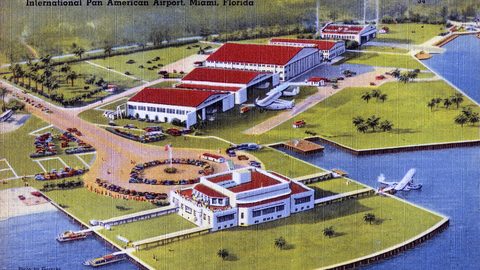 Flying Into Miami MIA vs FLL and Getting Out of the Airport
The assumption most first time visitors make is that Miami International Airport serves Miami and Fort Lauderdale Hollywood International serves Fort
Flying Into Miami MIA vs FLL and Getting Out of the Airport
The assumption most first time visitors make is that Miami International Airport serves Miami and Fort Lauderdale Hollywood International serves Fort
-
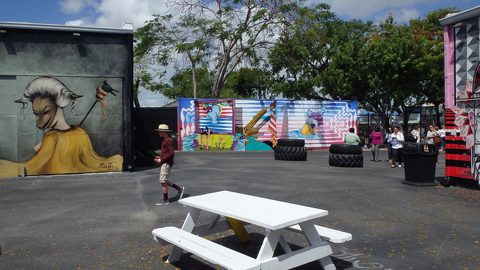 Things to Do in Miami, Ordered by Whether It Is Worth Your Limited Time
Not every Miami attraction earns its place on a four-day itinerary. This guide ranks what to do by how much of your limited time it deserves.
Things to Do in Miami, Ordered by Whether It Is Worth Your Limited Time
Not every Miami attraction earns its place on a four-day itinerary. This guide ranks what to do by how much of your limited time it deserves.
-
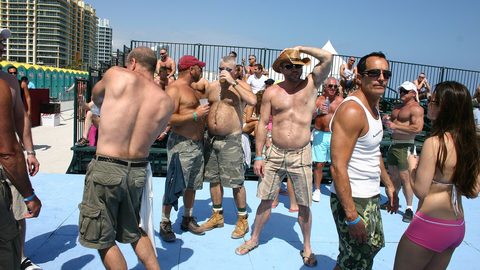 When to Visit Miami and What Each Season Does to the City
Miami's seasons reshape everything: hotel rates, beach comfort, traffic, and whether you will need an umbrella at 3pm every day. Here is the pattern.
When to Visit Miami and What Each Season Does to the City
Miami's seasons reshape everything: hotel rates, beach comfort, traffic, and whether you will need an umbrella at 3pm every day. Here is the pattern.
-
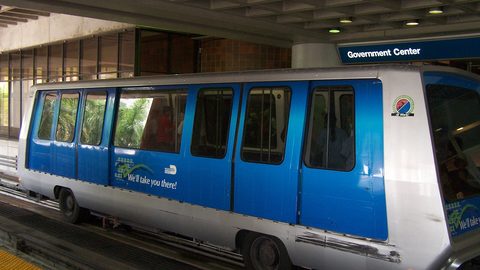 Getting Around Miami Without Wasting Half Your Trip in Traffic
Miami's transport mix confuses visitors: free Metromover, paid Metrorail, costly parking, and causeway gridlock. Here is how to move without losing half your day.
Getting Around Miami Without Wasting Half Your Trip in Traffic
Miami's transport mix confuses visitors: free Metromover, paid Metrorail, costly parking, and causeway gridlock. Here is how to move without losing half your day.
-
 United States Travel Guide for First-Timers Who Want the Real Picture
The United States delivers extraordinary geographic and cultural variety, but its sheer scale, car dependency, and tipping economy surprise first-timers. Start here.
United States Travel Guide for First-Timers Who Want the Real Picture
The United States delivers extraordinary geographic and cultural variety, but its sheer scale, car dependency, and tipping economy surprise first-timers. Start here.
-
 Staying Connected While Traveling Through the United States
Prepaid eSIMs work well in US cities, but a physical T-Mobile or AT&T SIM bought at arrival gives better rural coverage for national parks and long highway drives.
Staying Connected While Traveling Through the United States
Prepaid eSIMs work well in US cities, but a physical T-Mobile or AT&T SIM bought at arrival gives better rural coverage for national parks and long highway drives.
-
 Best Time to Visit the United States by Region and Season
The United States spans so many climates that no single season works everywhere. Here is what each region delivers, and when to stay away.
Best Time to Visit the United States by Region and Season
The United States spans so many climates that no single season works everywhere. Here is what each region delivers, and when to stay away.