Choosing a Sweden eSIM Local SIM Card or Other Data Option
Compare eSIM, local SIM cards from Comviq or Telia, and roaming for Sweden, including the dead zones in Sarek and Padjelanta where offline maps are essential.
Staying Connected in Sweden with ESIM, Local SIM or Roaming
Sweden is a country where your phone is both your lifeline and your liability. The friction is specific: the Swish payment app is near universal for settling debts, splitting bills, and paying at markets, but it requires a Swedish bank account and personnummer. Tourists cannot use it. That means you rely entirely on card payments and offline maps for navigation. And card payments need a signal. The real question is which connection works when you are standing at a harbour kiosk in the Stockholm archipelago with no wifi, or when your train to Kiruna has a mandatory seat reservation that lives in your phone and the battery is at 12 percent.
The answer depends on your route, your phone, and how far north you are going. Start with the assumption that you will need data the moment you land. Arlanda Airport has Pressbyrån convenience stores and official carrier kiosks selling pay as you go SIMs, but if your phone supports eSIM you can be connected before the wheels stop. The tradeoff is cost and network reach.
Planning Around The Signal Map
You need a minimum of 10 days to connect two distinct regions without spending the entire trip in transit. That is enough time to blow through a pay as you go data allowance if you stream and navigate simultaneously, so know what you are buying before you arrive.

.jpg)
Comviq Telia Tourist SIM Options Compared
Two carriers dominate the tourist pay as you go market: Comviq and Telia. Both sell SIMs at Pressbyrån, 7 Eleven, supermarkets, kiosks, official carrier stores, and airports including Arlanda and Landvetter. No ID registration is required. You walk in, pay, and walk out with a working SIM in under five minutes.
Comviq is the budget pick. The pay as you go packages are cheap, the data allowances generous, and the network runs on Tele2 and Telenor infrastructure. Service in cities and along major roads is solid. The downside is customer support in English is limited, and topping up requires navigating a Swedish language app. If you are a road tripper who buys a SIM once and never thinks about it again, Comviq works. If you need help or run into a registration issue, Telia is the safer bet.
Why Telia Wins In The North
Telia has the best network reach of any carrier in Sweden, especially in northern Norrland inland mountains and remote parts of Swedish Lapland. Telia also owns the most comprehensive 5G rollout. The cost is higher per gigabyte, and the pay as you go data caps are lower for the same price point. But for anyone heading to the High Coast, Värmland deep forest, or anywhere above the Arctic Circle, the extra spend buys a connection that holds in places where Comviq drops out.
Neither SIM unlocks Swish. That is a hard limit. No pay as you go tourist SIM can access the app because Swish verification ties to a Swedish bank account and a personnummer. Budget for card payments everywhere, and carry a backup card in case a terminal rejects the first one.
Sweden Mobile Coverage Map and the Drop Off Zones
Sweden has strong mobile service in the southern third where most of the population lives. The Malmö Stockholm corridor, Göteborg, and the Bohuslän coast are blanketed in 4G LTE and expanding 5G. Public wifi is widespread in hotels, cafés, libraries, train stations, and airports, and many municipal centres have open networks. You will rarely lose connection in Skåne, Dalarna, or along the Göta Canal.
Where The Signal Dies
The problem starts when you leave the main roads. Mobile service drops sharply inside the Arctic fjällen mountain ranges. Sarek National Park and Padjelanta National Park are roadless alpine wildernesses where no carrier maintains a signal. The same applies to remote parts of Lapland, dense forest areas far from settlements, and some archipelagos without permanent residents. The High Coast inland trails, the Kungsleden sections north of Abisko, and the Inlandsbanan railway corridor all have long stretches of zero connectivity.
Download offline maps before you leave the last town. Google Maps offline mode works, but dedicated hiking apps such as Karttur or the Swedish Lantmäteriet topo maps are more reliable for trails that are not roads. Sarek and Padjelanta require paper maps as a backup because offline phone maps still assume you can charge your battery, and there are no huts with power in those parks.
Cold Batteries And Long Days
Seasonal daylight matters here. In Kiruna during midwinter you get approximately 0 hours of daylight and the phone battery drains faster in the cold. In midsummer you get 24 hours of daylight but mosquitoes and biting midges from June to August make standing still to check a map miserable. Keep a high capacity power bank in your pack.
Pressbyrån SIM Card Sweden: the Practical Purchase
Pressbyrån is the single most convenient place to buy a physical SIM in Sweden. The chain operates at every major train station, airport terminal, and city centre. You do not need to find a dedicated carrier store. You queue at the counter, ask for a Comviq or Telia pay as you go SIM, and pay in SEK with a card. Cash acceptance is declining across Sweden, and Pressbyrån is no exception. Your contactless bank card will work.
The SIM comes in a standard triple cut that fits any phone. Data packages start at small top ups for a few days and go up to larger allowances valid for a month. Activation is instant in most cases. Insert the SIM, wait for the network registration, and you are online. If the activation fails, the staff cannot troubleshoot it. You need to call the carrier helpline or visit an official store, which is a reason to choose Telia over Comviq if you are not confident about self service support.
Buy Before You Leave The Airport
One practical point: buy your SIM at Arlanda or Landvetter before you leave the arrivals hall. The Pressbyrån at the airport has English speaking staff and the full stock. City centre Pressbyrån stores sometimes run out of pay as you go SIMs during peak season, especially in June and August when seasonal tourism surges. Do not risk arriving in a small town on a Sunday when the only kiosk is closed.
Sarek National Park No Signal: Preparing for the Dead Zone
Sarek National Park is the most extreme connectivity gap in Sweden. There is no signal. Not Telia, not Comviq, not any eSIM network. The park is roadless, treeless above the tree line, and surrounded by mountains that block even satellite phone reception in deep valleys. Padjelanta to the west is the same. The Kungsleden trail has signal at certain huts but not on the trail sections between them, and the northern sections require hut booking in advance so you cannot count on wifi at a lodge that is full.
Preparation is not optional. Download offline maps for the entire area you plan to walk. The Swedish Lantmäteriet terrain map at 1:50,000 or 1:100,000 scale is the standard. Save it to your phone before you leave the last connected town, which is usually Jokkmokk or Kvikkjokk. Carry a paper map as a backup because phone screens fail in rain and the battery dies faster at altitude.
Safety In The Gap
Tell someone your route and expected return date. There is no ranger station that checks you in. The emergency number 112 works if you can reach a high point with a clear line of sight, but you cannot dial it from the valley floor. If you are hiking alone, carry a personal locator beacon or a satellite messenger. The right of public access, Allemansrätten, permits wild camping on unenclosed land, but it also means you are entirely responsible for your own safety.
For anyone not hiking Sarek or Padjelanta, the lesson is simpler: download offline maps for any day trip that takes you more than 30 minutes from a main road. Northern Norrland inland mountains, the High Coast backcountry, and the deep forests of Småland all have gaps. Do not assume your roaming data will hold.
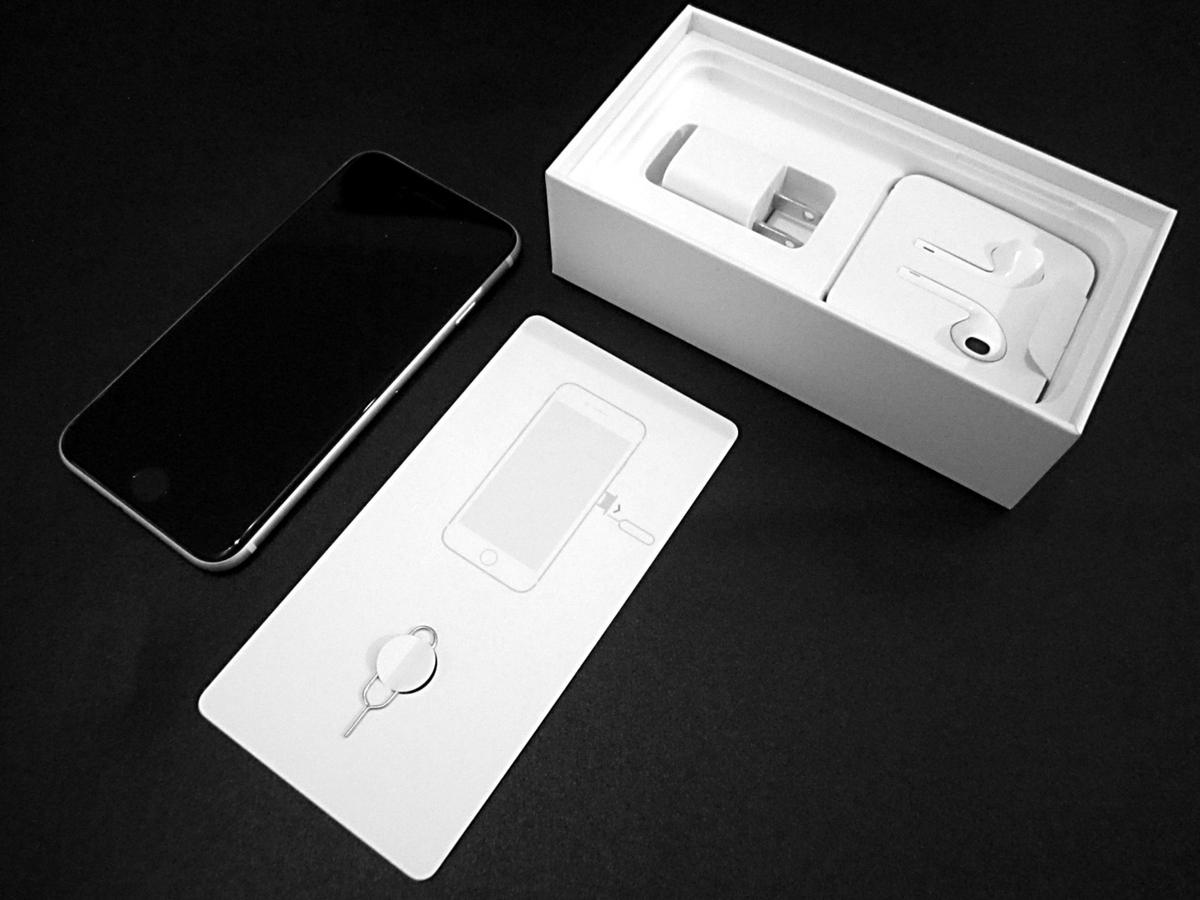

ESIM vs Physical SIM for Sweden Travel
eSIM support in Sweden covers the major networks: Telia, Tele2, Telenor, and Tre (3). If your phone is unlocked and eSIM compatible, you can buy a data plan online before departure and activate it with a QR code. You land already connected. That convenience is the main argument for eSIM.
The downside is cost. Consumer eSIM plans from international providers such as uPhone charge a premium per gigabyte compared to a local physical SIM. For a 10 day trip where you navigate, check train times, and browse lightly, a physical Comviq SIM costs significantly less. If you stream video or rely on your phone as a hotspot for a laptop, the eSIM data cap runs out quickly and topping up through an international provider is more expensive than walking into a Pressbyrån.
Check The Network Before You Buy
A second downside is network reach. eSIM plans roam onto partner networks, and those partners may not include Telia. If your eSIM provider defaults to Tele2 or Tre, you lose the best carrier for the north. Check the provider's network list before buying. If your trip includes Swedish Lapland, the High Coast, or any of the Norrland fjällen, choose a plan that explicitly uses Telia infrastructure.
Physical SIM gives you local pricing, local troubleshooting, and the ability to swap carriers if one fails. The inconvenience is the 15 minute detour at the airport. For most travellers on a 10 day trip, that detour is worth the savings. For a short weekend in Stockholm or Göteborg where you never leave the city, an eSIM is fine.
What Else Fails When the Signal Drops
Connectivity is not the only thing that disappears in rural Sweden. Systembolaget, the state run alcohol monopoly, closes by 19:00 on weekdays, 15:00 on Saturdays, and all day Sunday. If you arrive in a small town after 15:00 on a Saturday without supplies, you are dry until Monday. Public toilets are scarce and many require Swish or a specific coin. The Swish problem loops back: you cannot pay for the toilet because you cannot install the app. Plan your rest stops around cafés that let you use the facilities with a purchase.
Transport And Tickets
Public transport in rural areas requires a regional app or a contactless bank card. Cash is often refused on buses. SJ trains require a mandatory seat reservation for long distance routes, and tickets sell out in peak season. Do not assume you can buy a ticket on the platform. Book ahead online or through the SJ app while you have data. This is where a physical SIM with a generous data allowance matters more than an eSIM with a stingy cap.
The Checklist
The one bullet list you need:
- Buy your SIM at Arlanda, Landvetter, or Copenhagen Airport before leaving the arrivals hall.
- Choose Telia if you are going north of Dalarna or into any fjällen area.
- Choose Comviq if you are staying in cities and want the cheapest per GB rate.
- Download offline maps for Sarek, Padjelanta, the Kungsleden, and any High Coast trail before you leave the last connected town.
- Carry a power bank and a paper map as a backup.
- Budget for card payments everywhere. Swish is not an option.
Common Questions
Can I use Swish on a tourist SIM or eSIM in Sweden?
No. Swish requires a Swedish bank account and a personnummer, which tourists cannot obtain. You must rely on card payments. Even Swedish residents with a foreign bank account cannot use Swish. Carry a second card in case your primary card is rejected.
Do I need to register my passport to buy a prepaid SIM in Sweden?
No. Prepaid SIMs purchased at Pressbyrån, 7 Eleven, supermarkets, kiosks, and official carrier stores do not require mandatory ID registration. You pay and activate immediately.
Which operator has the best coverage in remote northern Sweden?
Telia has the widest coverage in northern Norrland inland mountains, Lapland, and the fjällen. Comviq and Tele2 have gaps in those areas. For Sarek and Padjelanta, no operator provides a signal anywhere in the park.
Can I buy a SIM card at Stockholm Arlanda Airport?
Yes. Pressbyrån stores and official carrier kiosks in the arrivals halls at Arlanda sell Comviq and Telia prepaid SIMs. Landvetter in Göteborg has the same options. Copenhagen Airport in Denmark also sells SIMs valid for use in Sweden.
How do I pay for things if I cannot use Swish?
Card payments are near universal in Sweden. Tap your contactless credit or debit card for everything including public transport, parking, and kiosk purchases. Cash is increasingly refused on buses and in some shops. Public toilets often require a card or a specific coin.
Read next
-

 Best Time to Visit Sweden and What Each Season Actually Does
June to August brings midnight sun and open trails, but November is dark and closed, and late February sportlov fills domestic flights and ski resorts.
Best Time to Visit Sweden and What Each Season Actually Does
June to August brings midnight sun and open trails, but November is dark and closed, and late February sportlov fills domestic flights and ski resorts.
-
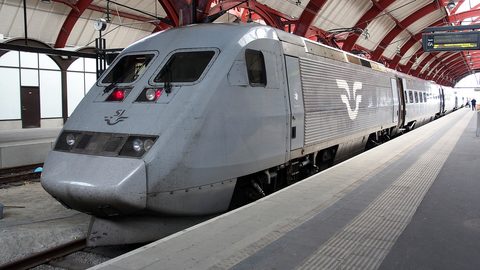 Getting Around Sweden, Trains, Cars and What the Map Oversells
SJ trains connect Swedish cities but mandatory seat reservations sell out, regional buses require apps or contactless cards, and distances between north and
Getting Around Sweden, Trains, Cars and What the Map Oversells
SJ trains connect Swedish cities but mandatory seat reservations sell out, regional buses require apps or contactless cards, and distances between north and
-
 Sweden Visa Requirements and the Schengen Application Process
Who needs a visa for Sweden, who does not, and how the Schengen application process works through Swedish embassies and VFS Global centres.
Sweden Visa Requirements and the Schengen Application Process
Who needs a visa for Sweden, who does not, and how the Schengen application process works through Swedish embassies and VFS Global centres.
-
 Paying for Things in Sweden, Cards, Krona and Where Cash Still Works
Sweden is effectively cashless and many places refuse cash entirely, but the Swish payment app requires a Swedish bank account, leaving tourists reliant on cards.
Paying for Things in Sweden, Cards, Krona and Where Cash Still Works
Sweden is effectively cashless and many places refuse cash entirely, but the Swish payment app requires a Swedish bank account, leaving tourists reliant on cards.
-
 Reading Sweden Safety Advice Without Being Misled by It
Sweden is safe for tourists but the real risks are wilderness isolation, no mobile coverage in Sarek, severe northern mosquitoes, and winter driving conditions.
Reading Sweden Safety Advice Without Being Misled by It
Sweden is safe for tourists but the real risks are wilderness isolation, no mobile coverage in Sarek, severe northern mosquitoes, and winter driving conditions.
-
 What a Trip to Sweden Costs Without the Surprises
Understand the shape of a Sweden travel budget, from the Systembolaget alcohol monopoly rhythm to the free camping that offsets steep restaurant bills.
What a Trip to Sweden Costs Without the Surprises
Understand the shape of a Sweden travel budget, from the Systembolaget alcohol monopoly rhythm to the free camping that offsets steep restaurant bills.
-
 A Ground-Level Logistics Guide to Independent Travel in China
First-time independent travel in China: what you need to know about visas, rail booking, eSIMs, mobile payments, and power adapters.
A Ground-Level Logistics Guide to Independent Travel in China
First-time independent travel in China: what you need to know about visas, rail booking, eSIMs, mobile payments, and power adapters.
-
 How Solo Travelers Stay Ahead of Flight Delays and Cancellations
How solo travelers can track inbound aircraft, claim rebooking rights, and adjust ground transport when flights go wrong — step by step.
How Solo Travelers Stay Ahead of Flight Delays and Cancellations
How solo travelers can track inbound aircraft, claim rebooking rights, and adjust ground transport when flights go wrong — step by step.
-
 Why Your eSIM Might Not Work Abroad and How to Check Before You Go
Buying an eSIM doesn't guarantee signal abroad. Learn why coverage fails by location and how to verify reach before you commit to a plan.
Why Your eSIM Might Not Work Abroad and How to Check Before You Go
Buying an eSIM doesn't guarantee signal abroad. Learn why coverage fails by location and how to verify reach before you commit to a plan.