Greece eSIM for Travel, Coverage Across the Mainland and Islands
How to choose between eSIM, a local Cosmote SIM, or roaming for reliable mobile data across Greek islands, ferries, and mountain villages.
Mobile Data in Greece: ESIM and Local SIM Compared
You can have a perfect Greece itinerary and still lose it the moment your ferry rounds the headland between Syros and Mykonos, the deck crowd goes silent, and every phone shows No Service. The island-hopping fantasy collides hard with a ferry network that treats schedules as loose suggestions and mobile data that drops out on many crossings more than 10 km from shore. The practical question is not which carrier has the cheapest plan. It is which holds signal when you need it most: on that deck, in the Zagori stone villages where you have zero bars, and inside the 16 km Samaria Gorge where offline maps are the only maps. Here is how Cosmote, Vodafone, and Nova compare for tourist use, whether a travel eSIM or a physical SIM suits your trip, and exactly what to do before you leave Wi-Fi. The short answer: Cosmote. The longer answer involves ferry timetables, gorge depth, and why price comparisons miss the point.
Cosmote vs Vodafone Greece Coverage: the Real Difference
Greece has three mobile operators: Cosmote, Vodafone Greece, and Nova. Cosmote holds the best island and rural reach. Vodafone and Nova are cheaper but patchier in mountains. That is not a marketing line. It is a reflection of tower placement. Cosmote, the former state operator, built its infrastructure to reach villages, ferry ports, and national parks. Vodafone and Nova built theirs to reach cities, resorts, and the coastal strips most tourists see. The difference shows up exactly when you step off that script.
What Cosmote Reaches That Others Miss
Cosmote covers all inhabited isles with permanent population. Vodafone and Nova cover the same ones in most cases, but gaps appear in the mountainous interior of Crete, the Pindus range, the remote Peloponnese highlands, and the smaller outcrops that rely on a single mast. In the Zagori villages, where stone bridges and Vikos Gorge draw hikers, Cosmote holds signal in central squares and at trailheads. Vodafone and Nova drop out sooner. In the 16 km Samaria Gorge, you will have no signal at all from any carrier on the canyon floor. Cosmote returns first at the exit village of Agia Roumeli. If your trip includes any mountain hiking, any small islet ferry transfer, or any time in Epirus, do not compromise on this.
When Vodafone and Nova Are Enough
If your trip stays inside Athens, Thessaloniki, the major resorts on Crete and Rhodes, and the well-trodden parts of Santorini and Mykonos, Vodafone and Nova work without issue. Their 4G/LTE availability covers most populated areas. Their 5G reaches major cities and towns. You pay less for the plan and you will not notice the difference until you leave the city limits. The tradeoff is real: cheaper data, but zero bars in exactly the places you would pay a premium to keep navigation running.

.jpeg)
Greek Island Mobile Data Signal: Where it Works and Where it Drops
The Greek isles look small on a map. Mobile signal looks like a solid blanket from a distance. Up close, the blanket has holes. On ferry routes between Cycladic islands, your signal cuts out roughly 10 to 15 km from shore. The 45-minute crossing from Syros to Mykonos goes dark in the middle. The 2-hour run from Piraeus to Naxos loses connectivity for 30 to 40 minutes straight. Download your Ferryhopper tickets and offline maps from Google Maps or Maps.me before you leave the dock. The data will not hold. Also note that ferry schedules change with weather: a single storm can strand you on an island for 48 hours. Never book a flight home the same day as a ferry connection.
Islands Where Signal Is Reliable
Any island with a permanent population has a mast. Crete, Rhodes, Corfu, and the larger Dodecanese hold signal in their towns and resorts continuously. The problem is the inland valleys and the north-facing coves where terrain blocks the line of sight. On Crete, the interior mountains drop calls. On Santorini, reception is strong in Fira and Oia but weakens on the caldera edges opposite the masts. On small Cycladic spots like Kimolos or Folegandros, one mast covers the harbour and the main square. Your data vanishes the minute you walk to a beach on the far side.
Offline Preparation Before You Leave Wi-Fi
Download these before you depart accommodation Wi-Fi: your Ferryhopper tickets (they work offline once loaded), offline maps of every island you visit, a translation app with Greek downloaded, and copies of hotel confirmations. Mobile data drops out on many ferry crossings and in deep gorges. If you rely on a live map to find your room in a village like Monemvasia or the stone maze of Mystras, you will be navigating by candlelight. Budget for a plan with at least 10 GB of data. You will use it for maps, not streaming.
Greece Local SIM Card Tourist: How to Buy One and What to Expect
A local SIM for tourists is straightforward to buy but has a specific legal requirement: by law, under Article 47 of Law 4727/2020 and subsequent ministerial decisions, you must present a passport or a Greek national ID at purchase. Registration is mandatory. Buy a SIM at operator stores, airports, kiosks, and electronics retailers. The process takes five minutes at a Cosmote or Vodafone store inside Athens International Airport. Hand over your passport, choose a prepaid plan, and the staff activate it on the spot.
Three Operators, Three Prepaid Lines
Cosmote sells its prepaid line under the What's Up brand. Vodafone Greece sells CU. Nova has its own prepaid plans. All three offer eSIM support, so you can activate a digital SIM before you land. Cosmote confirms eSIM support. Vodafone Greece and Nova also sell eSIM prepaid. The advantage of buying a physical SIM at the airport: you walk out connected and can swap carriers if you find the first one unavailable. The advantage of eSIM: you arrive with coverage already active and do not need to track down a store. The downside of eSIM: if you have trouble activating it, or if the carrier has a provisioning delay, you have no fallback until you reach Wi-Fi. For most travellers, a physical Cosmote SIM from the airport store is the lowest-risk option. Its reach advantage matters more than price comparisons.
EU/EEA Roaming and Non-EU Visitors
EU roaming works under roam-like-at-home rules for EU nationals. Non-EU visitors should buy a local SIM. If you are from the USA, Canada, the UK, Australia, New Zealand, or other visa-free nationalities, you have a 90-day limit in the Schengen area under the 90/180-day rule. A prepaid SIM that matches your stay length makes sense. Cosmote, Vodafone, and Nova all sell short-term plans. Check the fair use policy on each. Operators may apply limits after extended roaming periods.
Ferry Crossing Wifi Greece: What You Get and What You Do Not
Ferry wifi in Greece is not wifi in the sense you are used to. Most large ferries on the Cyclades routes from Piraeus offer onboard wifi in the lounge areas. The connection is satellite-based, slow, and drops every time the ship passes through a channel between islands. Do not rely on it for anything time-sensitive. The signal disappears as soon as you walk to the deck or enter the cabin. Public WiFi authentication at ferry terminals often requires a one-time SMS code or social media login. That does you no good if you have no cellular reception to receive the SMS. The practical solution: load everything onto your phone before you leave the terminal. Book your ferry tickets through the Ferryhopper app, download the PDF tickets, and take screenshots of your booking reference numbers. The mobile data signal on the crossing itself will not support a live ticket load.
Free Municipal Wifi Alternatives
Several municipalities operate free WiFi in public squares. Athens, Thessaloniki, and Heraklion all have municipal networks. These are useful for downloading a ferry ticket while you wait. Authentication works through a browser page, so you do not need an SMS code on the Athens network. On smaller islands, cafes and restaurants that stay open past 16:00 in shoulder season offer wifi with a password written on the receipt. Buy a coffee, connect, and download everything you need for the next crossing. Do not expect these networks to be fast enough for video calls or streaming. They handle emails, messaging, and map downloads adequately.

Greece EU Roaming Data Limits: What UK and Non-EU Travelers Need to Know
EU roaming data limits in Greece apply differently depending on where your home SIM is from. EU/EEA nationals use their home plan under roam-like-at-home rules with no additional charge. The catch: operators may apply a fair use policy after extended roaming periods. If your home operator is a low-cost carrier, you may find your data speed throttled after 30 days of roaming. Check your home operator terms before you leave. Non-EU visitors have no EU roaming protections. British travellers, since the UK left the EU, now face roaming surcharges on most UK networks unless their specific plan includes EU roaming. Vodafone UK, EE, and O2 all add daily fees for EU data use. Those fees can exceed the cost of a local Greek SIM within a few days. For a 10-day trip, a local Cosmote SIM costs less than three days of UK roaming charges.
Budgeting Your Data
Your phone will consume data faster than you expect in Greece. You will use maps for navigation, upload photos for backup, and search for restaurant hours that change with the season. Five to 10 GB covers two weeks of moderate use. Twenty GB if you plan to work or stream audio. Cosmote, Vodafone, and Nova all offer these tiers. The cheapest plan from Nova saves you a few euros but loses you reception in the places you actually need data. Cosmote's cheapest plan costs more but works in the Peloponnese highlands, the Pindus mountains, and on the far side of Sifnos. The decision is about geography, not price.
Greece ESIM for Travel: Activating Before You Land
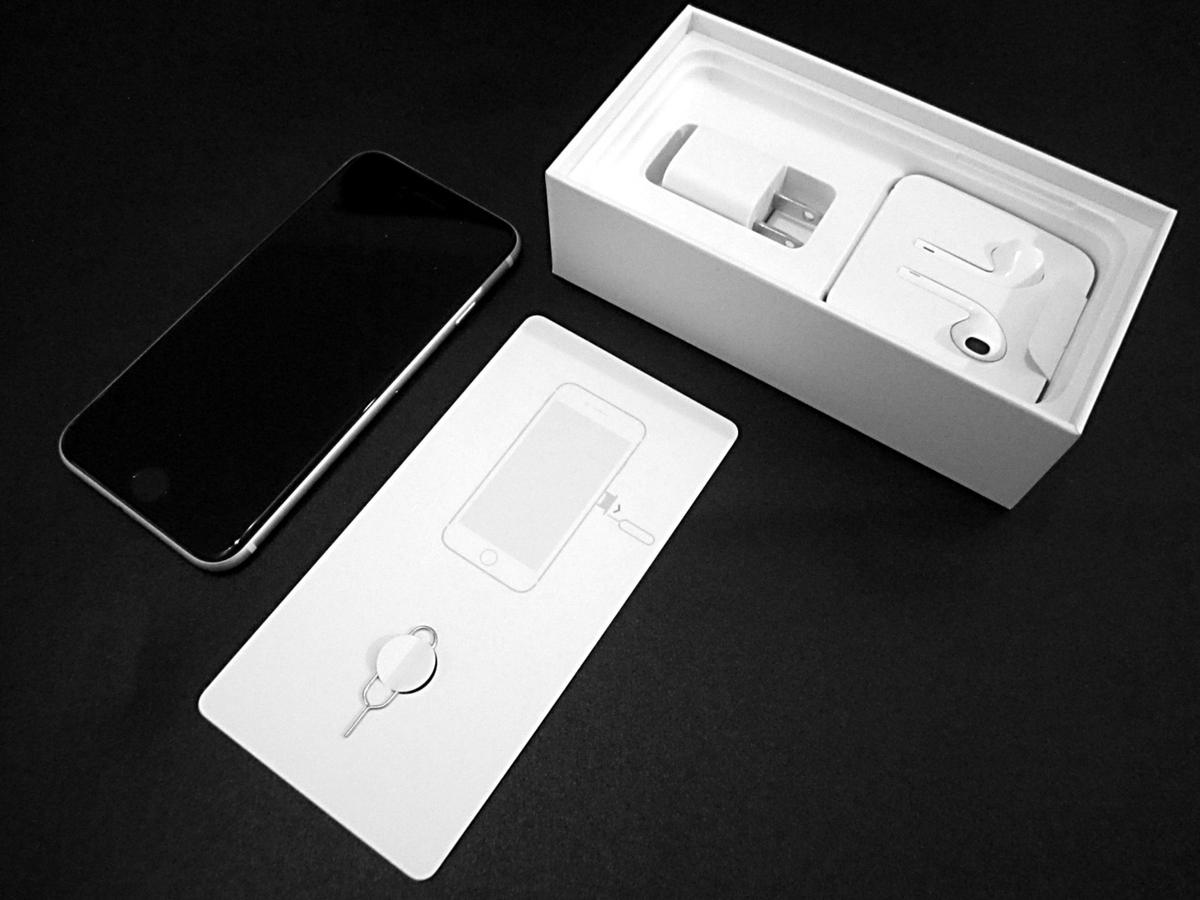
A travel eSIM lets you arrive in Athens with data already active. Buy the eSIM online from Cosmote, Vodafone, Nova, or a third-party reseller, scan a QR code, and install the profile before your flight. The connection activates when you connect to a Greek network after landing. The advantage is zero friction at the airport: walk off the plane, turn on mobile data, and start navigating to the Metro Line 3 station for the 40-minute train to Syntagma. The downside: if the installation fails, or if your phone does not support eSIM, you still need to find a physical SIM store. Check your phone compatibility before departure. Most phones sold in the last three years support eSIM.
Which eSIM to Choose
Cosmote sells eSIM prepaid under its What's Up brand. Vodafone Greece sells CU eSIM. Nova sells eSIM prepaid plans. All three cover the major cities and tourist resorts adequately. Cosmote covers the mountains and small islands that the others miss. For a trip that includes any of the following, choose the Cosmote eSIM: a ferry crossing through the Cyclades that takes you more than 10 km from shore, a hike in Vikos Gorge or Samaria Gorge, a drive through the Pindus mountains, or a stay in any small village in Epirus. For a trip that stays in Athens, Thessaloniki, Crete coastal resorts, and the central districts of Rhodes or Corfu, a Vodafone or Nova eSIM works fine and costs less.
What to Do Before You Leave Home
Complete three steps before your flight. First, install the eSIM profile and test that it appears in your phone settings. Second, download offline maps of every island on your itinerary using Google Maps or Maps.me. Third, download the Ferryhopper app and save your booking PDFs. Once you leave Wi-Fi at the ferry terminal, you cannot reload these. The eSIM activation itself takes two minutes. The data limits, throttling policies, and fair use caps are disclosed during the purchase. Read them. The cheapest 5 GB eSIM may throttle after 3 GB, which makes maps slow to render. Pay for the plan that matches your actual data use.
Common Questions
Do I need a passport to buy a local SIM in Greece?
Yes, passport or Greek national ID is required by law under Article 47 of Law 4727/2020. No registration, no activation.
Will my EU SIM work in Greece without extra charges?
EU/EEA SIMs work under roam-like-at-home rules. Check your home operator's fair use policy. British travellers now face roaming surcharges on most UK networks.
Which network works best on ferries?
No network holds signal more than 10 to 15 km from shore. Cosmote has the largest reach near islands due to more inland masts, but all networks drop out in open water.
Can I activate an eSIM before I arrive?
Yes. Cosmote, Vodafone Greece, and Nova all sell eSIM prepaid. Install the profile before departure. It activates when you connect to a Greek tower after landing.
Is tap water safe to drink on the Cycladic islands?
No. Tap water is undrinkable on most Cycladic islands. Buy bottled water for drinking and brushing teeth. The mainland cities generally have safe tap water.
Read next
-
 Best Time to Visit Greece by Month, Heat, Crowds, Meltemi and Closures
When to go to Greece, and what each season actually does to the heat, the crowds, the ferry schedules, and the opening hours.
Best Time to Visit Greece by Month, Heat, Crowds, Meltemi and Closures
When to go to Greece, and what each season actually does to the heat, the crowds, the ferry schedules, and the opening hours.
-
 Getting Around Greece by Ferry, Bus and Car, What the Map Oversells
Moving around Greece: what connects where, why the ferry network dominates, and what the map oversells about island-hopping speed.
Getting Around Greece by Ferry, Bus and Car, What the Map Oversells
Moving around Greece: what connects where, why the ferry network dominates, and what the map oversells about island-hopping speed.
-
 Greece Visa Requirements for Tourists, Schengen Rules and the Entry Process
Who needs a visa for Greece, who does not, and how the Schengen entry process runs at airports and ferry ports.
Greece Visa Requirements for Tourists, Schengen Rules and the Entry Process
Who needs a visa for Greece, who does not, and how the Schengen entry process runs at airports and ferry ports.
-
 Cash or Card in Greece, What Actually Works in Tavernas, Taxis and on Ferries
Paying for things in Greece: the euro, where cards work reliably, and the situations where cash still wins.
Cash or Card in Greece, What Actually Works in Tavernas, Taxis and on Ferries
Paying for things in Greece: the euro, where cards work reliably, and the situations where cash still wins.
-
 Is Greece Safe, Reading Travel Advice Without Being Misled by It
Reading safety advice about Greece without being misled by it: the real risks are pickpockets, quad bikes, and slippery marble.
Is Greece Safe, Reading Travel Advice Without Being Misled by It
Reading safety advice about Greece without being misled by it: the real risks are pickpockets, quad bikes, and slippery marble.
-
What a Trip to Greece Costs Shaped by Season and Island Choices
How Greece trip costs shift shape between a Santorini cliffside stay, a Crete village rental, and a Peloponnese road trip in different seasons.
-
 How Solo Travelers Stay Ahead of Flight Delays and Cancellations
How solo travelers can track inbound aircraft, claim rebooking rights, and adjust ground transport when flights go wrong — step by step.
How Solo Travelers Stay Ahead of Flight Delays and Cancellations
How solo travelers can track inbound aircraft, claim rebooking rights, and adjust ground transport when flights go wrong — step by step.
-
 Why Your eSIM Might Not Work Abroad and How to Check Before You Go
Buying an eSIM doesn't guarantee signal abroad. Learn why coverage fails by location and how to verify reach before you commit to a plan.
Why Your eSIM Might Not Work Abroad and How to Check Before You Go
Buying an eSIM doesn't guarantee signal abroad. Learn why coverage fails by location and how to verify reach before you commit to a plan.