Slovakia, a Compact Central European Country Worth More Than a Stopover
Slovakia rewards hikers, spa-goers and budget travellers who slow down, with the High Tatras mattering more than the capital.
- Flag
-
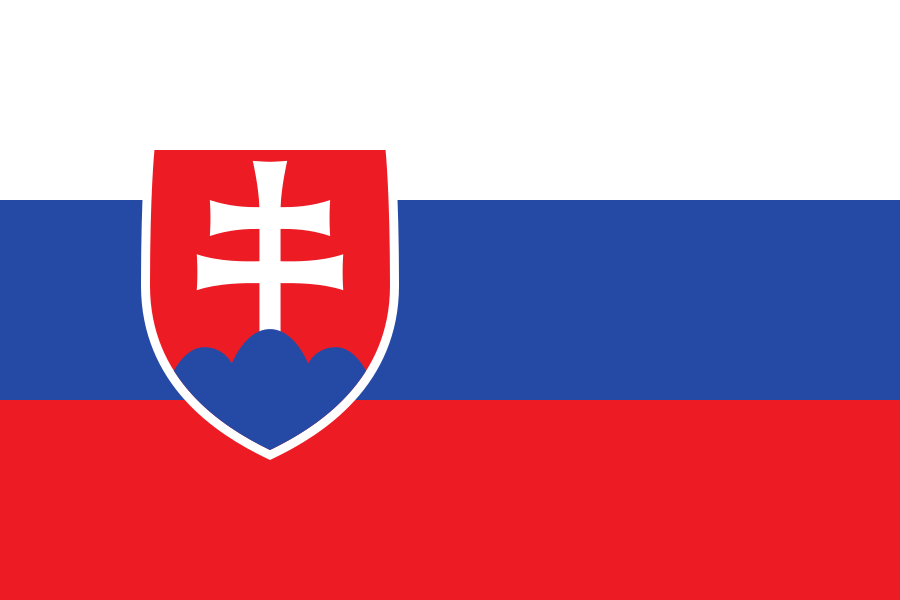
- ISO code
- SK
- Population
- 5,447,011
- Currency
- EUR
- Dial code
- +421
Slovakia Travel Guide for Hikers and Slow Travellers
Slovakia is a compact, forested country of 5.4 million people that most travellers cross by train between Vienna and Krakow or Budapest and the Tatras. That is a mistake. This guide argues the country deserves a full week at minimum. Its real value lies not in the capital but in the alpine ridges, medieval towns, and unpolished rural corners that reward a slower pace. At 49,035 km², Slovakia is small enough to cover in a single trip but varied enough that a rushed itinerary will leave you seeing bus stations instead of landscapes. The question is what kind of traveller it actually suits, and what a realistic first trip looks like.
- Capital City: Bratislava
- Population: 5.4 million
- Area: 49,035 km²
- Landlocked: Yes
- Bordering Countries: Czechia, Austria, Poland, Ukraine, Hungary
- Currency: Euro (EUR)
- EU Member: Yes
- Schengen Area Member: Yes
- Official Language: Slovak
- Time Zone: CET (UTC+1), CEST (UTC+2) in summer
- International Dialling Code: +421
- Emergency Number: 112
- Driving Side: Right
- Main International Airport: Bratislava Airport (BTS)
- Second International Airport: Košice Airport (KSC)
- High Tatras Airport: Poprad, Tatry Airport (TAT)
Slovakia Beyond Bratislava: Why You Should Look Past the Capital
Make The Capital A Stopover
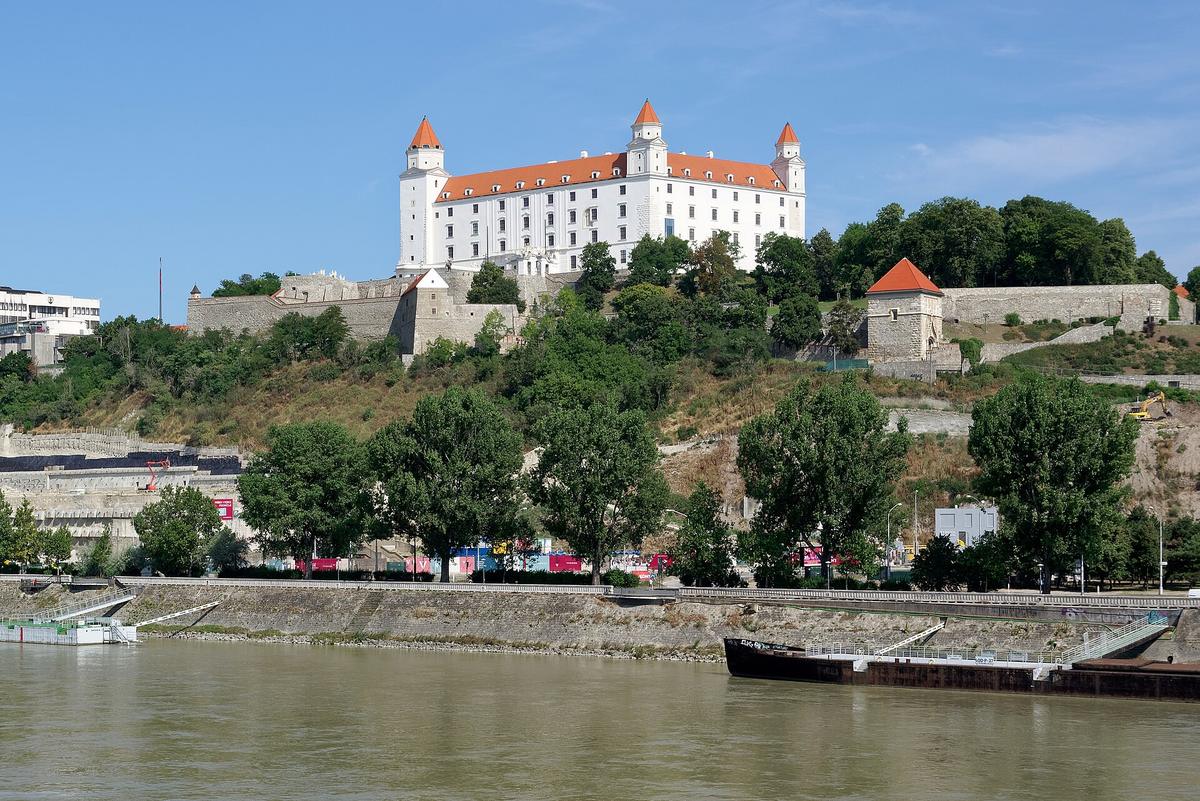
Bratislava Old Town is compact, polished, and busy. One day there is enough. Walk the pedestrian centre, see the castle from the hilltop, and take a 30-minute bus to Devín Castle at the Danube-Morava confluence. The capital works best as a single-night stop on arrival or departure, not as a base for exploring the country. Beyond it, the character shifts. The High Tatras, Spiš, Orava, and the Low Tatras offer hiking, medieval architecture, and folk villages that feel distinct from the Czech Republic or Austria.
Hotels in the capital spike in price during major trade fairs in September and October. If you arrive via Vienna Airport, the direct bus takes 45 to 60 minutes and costs roughly €10 to €13. That is often more practical than flying into Bratislava Airport, where bus 61 to the main station takes 25 to 30 minutes on a €1.10 ticket. Either way, spend your first morning in the city and your afternoon on a train east.
Detours Worth The Bus Ride
Vlkolínec, a UNESCO-listed inhabited folk village, sits a short detour off the route to the Low Tatras. Banská Štiavnica, a mining town with a steep calvary and creative vibe, is 45 to 60 minutes from Banská Bystrica by bus. Čičmany, with its painted timber houses, takes only a quick stop. These are modest, unpolished places that reward a traveller willing to trade polish for authenticity. Skip them if you need seamless English coverage. Embrace them if you want to see what a less crowded Central Europe feels like.

High Tatras Hiking Base: Which Village to Choose and What to Budget for
Know The Season And The Terrain
The High Tatras, with 25 peaks above 2,500 metres and Gerlachovský štít as the highest at 2,655 m, are the reason most hikers come to Slovakia. The Tatra National Park (TANAP), designated in 1949, covers approximately 600 km of marked hiking trails. Upper trails close from 1 November to 15 June, so plan your trip for July through October for full access. July and August are peak season: trails and hotels are busiest, and the cable car to Lomnický štít requires advance booking in summer.
Pick Your Base For The Right Routine
Your choice of base determines your daily routine. Poprad sits at the foot of the range and offers the most practical connections: the electric railway runs from Poprad to the resorts of Štrbské Pleso, Starý Smokovec, and Tatranská Lomnica in 30 to 60 minutes. Poprad-Tatry Airport has limited seasonal flights and sits 10 to 15 minutes from the centre by taxi or local bus. For direct access to trails, base yourself in Starý Smokovec for the widest choice of routes, Tatranská Lomnica for the cable car, or Štrbské Pleso for the easy walking loop around the glacial tarn. Budget roughly €4 for a day ticket on the electric railway and €30 to €40 for a cable car ascent. Shepherds axe culture, mountain carrying traditions, and bagpipe culture are UNESCO intangible heritage elements you might encounter at summer festivals in the valleys.
Pack For Sudden Changes
Mountain weather changes fast. Hikers regularly start in sun and meet sleet above 1,500 metres. Pack for both and check conditions with the Horská záchranná služba (HZS) rescue service before setting out. The 15 mountain huts in the High Tatras provide shelter and basic meals, but many close during the November to June shoulder season. Demänovská Cave of Liberty, the most visited show cave, is 30 to 45 minutes from Liptovský Mikuláš by bus and requires warm clothes and timed entry. Dobšinská Ice Cave, in the High Tatras region, is another option for a cool day alternative.
| Base Village | Best For | Public Transport Access | Cable Car Access |
|---|---|---|---|
| Starý Smokovec | Widest trail variety and hut access | Electric railway hub from Poprad | Cable car to Hrebienok, then on foot |
| Tatranská Lomnica | High summit routes and cable car | Electric railway from Poprad, 25 min | Cable car to Lomnický štít (book ahead in summer) |
| Štrbské Pleso | Easy lake loop and resort amenities | Electric railway from Poprad, 40 min | Cable car to Chata pod Soliskom |
| Poprad | Transport hub and budget accommodation | Main rail station, bus to all resorts | No direct cable car, use electric railway |
Slovakia Itinerary 7 Days: a Realistic Route by Public Transport
Set A Realistic Scope
A 7-day itinerary by public transport requires accepting that you cannot see everything. The common mistake is trying to cover Bratislava, the High Tatras, Spiš, and Košice in four or five days. That turns the trip into rushed connections rather than time in the places worth visiting. Plan for Bratislava plus one mountain region and one eastern stop.
Use The Network, Not The Map
Train is the backbone between major towns, operated by ZSSK on the 3,626 km network. The main Bratislava, Žilina, Košice corridor is efficient, but services to Banská Bystrica or the Low Tatras are slower. Buses fill most regional gaps: on regional routes you pay the driver, and small stations may have no working ticket machine. The main trip-up is assuming a short distance means a quick journey. Mountain and cross-valley routes can take twice as long as the map suggests. Buy paper or app tickets before boarding where possible.
A Workable Week
A sample week: Day 1 in Bratislava, including a half-day trip to Devín Castle. Day 2 travel to Poprad (4 hours by train) and settle into a High Tatras hiking base. Days 3 and 4 hiking in the High Tatras. Day 5 travel east to Levoča and Spiš Castle, one of the largest castle complexes in Central Europe at 4.1 hectares. Day 6 in Košice, with its handsome old core and St Elisabeth Cathedral, the easternmost great Gothic cathedral. Day 7 return west or fly out of Košice Airport, served by bus 23 to the centre in 15 to 20 minutes. Košice Region covers the east, including the Slovak Paradise National Park with its ladders and gorges, and Poloniny National Park with its UNESCO Primeval Beech Forests. Both require a car or careful bus planning: connections to trailheads can be sparse outside July and August.
Eat And Pay Like A Local
Fried foods and rich dumplings dominate rural restaurant menus. Bryndzové halušky are potato dumplings with sharp sheep cheese. Kapustnica is a sauerkraut soup often served with sausage. Lokše are potato flatbreads, either sweet or savoury. Budget roughly €6 to €10 for a main course outside the capital. Cash is still needed at some rural pensions, mountain huts, and small bus ticket desks. Public toilets are scarce outside malls and major stations, and often coin operated.

Slovakia Public Transport Reality: What the Map Does Not Tell You
Expect Slower Connections
The reality is that the network outside the main corridor is slower, less frequent, and less intuitive than most first time visitors expect. The Bratislava, Košice rail journey takes 5 to 6 hours on the D1 motorway route, with one section still under construction as of 2026. The National Highway Company (NDS) publishes the real completion schedule. Bratislava to Poprad by rail takes approximately 4 hours. These are direct services, but anything off the main line adds significant time.
Plan Around The Gaps
Regional buses to trailheads run a handful of times per day, especially outside peak season. The electric railway to High Tatras resorts is reliable, but connections from there to trailheads in the Low Tatras or Veľká Fatra require a bus change in Liptovský Mikuláš or Ružomberok. 4G and 5G cover towns and most valleys well, but signal drops in deep mountain valleys and inside national parks. An eSIM from a major provider works, but a Slovak SIM from Orange, Telekom, or O2 is cheap and useful for rural bus apps. Uber and Bolt operate reliably in Bratislava and Košice, less so elsewhere.
Trade Time For Value
If you plan to visit the Low Tatras, the Low Tatras National Park (NAPANT) offers wilder, cheaper, and less infrastructured hiking than the High Tatras. Its highest peak, Ďumbier, reaches 2,043 metres. Jasná Nízke Tatry is the largest ski resort in the country, but in summer the lifts provide access to ridge walks. The Demänovská caves are 30 to 45 minutes from Liptovský Mikuláš by bus. Orava Castle, a cliff-top fortress with guided tours only, is about 1 hour from Žilina by bus. Bojnice Castle has a fairy-tale exterior but gets busy on weekends.
The reward for navigating the slower network is paying noticeably less than in Austria or Czechia. A 30-minute public transport ticket in the capital costs around €1.10. A main course outside the city runs €6 to €10. A night in a rural pension costs €30 to €50. The trade off is time and patience. If you expect the density of museums, dining variety, or English language ease of Vienna or Prague, rural Slovakia can feel quiet and limited after a few days.
Who Slovakia Suits and Who Should Skip it
Go If You Want Trails And Value
Slovakia suits hikers and mountain lovers who want alpine trails without Swiss prices. It suits budget conscious Central Europe travellers who will trade a few hours of travel time for accommodation that costs half of what it does in Austria. It suits spa and thermal bath goers: there are approximately 20 major thermal water parks and spas, including Piešťany, Bešeňová, and Tatralandia. It suits second or third time Europe visitors who want a less crowded country, with nine national parks and 600 km of marked trails in the High Tatras alone. It suits castle and folk architecture enthusiasts: Spiš Castle covers 4.1 hectares, Orava Castle sits on a cliff, and the wooden churches of the Carpathians are scattered across the east.
Skip It If You Want Big City Comfort
Slovakia is not for travellers wanting big city buzz, polished luxury, or seamless car free sightseeing across many regions. Skip it if you expect the density of museums, dining variety, or English language ease of Vienna or Prague. Rural Slovakia can feel quiet and limited after a few days. Skip it if you want to cover five regions in five days: the network outside the main corridor makes that a series of rushed connections rather than time in the places worth visiting. The reward for matching the country to the right traveller is modest, unpolished places, genuine regional variety, and prices that leave room in your budget for another week.
Common Questions
How many days do I need in Slovakia for a first trip?
Seven days is the minimum for a first trip. That gives you enough time for Bratislava plus one mountain region and one eastern stop without constant one night moves. Four or five days forces rushed connections.
When is the best time to hike in the High Tatras?
June through October is the hiking season in the High Tatras. Upper trails close from 1 November to 15 June. July and August are peak season with busiest trails and hotels. December through March is the ski season.
Is public transport in Slovakia reliable?
Trains on the main Bratislava, Žilina, Košice corridor are reliable. Regional buses are less frequent and slower than the map suggests. Mountain and cross valley routes can take twice the expected time. Buy tickets before boarding where possible, and carry cash for rural bus drivers.
Which airport should I fly into for Slovakia?
Vienna Airport is often more practical than Bratislava Airport. Direct buses take 45 to 60 minutes and cost roughly €10 to €13. Bratislava Airport bus 61 takes 25 to 30 minutes for €1.10. Košice Airport serves the east. Poprad-Tatry Airport has limited seasonal flights.
Do I need a car to see Slovakia?
A car helps for regional spots like the wooden churches of the Carpathians, Poloniny National Park, and Spiš area castles. Public transport works for the main cities, the High Tatras electric railway, and the Bratislava, Košice corridor, but connections to trailheads are sparse outside July and August.
What should I budget per day in Slovakia?
Budget roughly €40 to €70 per day outside Bratislava for accommodation, food, and one activity. A main course costs €6 to €10. A rural pension runs €30 to €50 per night. Cash is needed at some rural pensions, huts, and bus ticket desks. A 30-minute public transport ticket costs around €1.10.
What are the common mistakes first-time visitors make?
The most common mistake is trying to see Bratislava, the High Tatras, Spiš, and Košice in four or five days by public transport. That turns the trip into rushed connections. Another mistake is assuming short distances mean quick journeys in mountainous terrain. Third, many visitors do not pack for fast-changing mountain weather above 1,500 metres.
Read next
-
 Staying Connected in Slovakia Without Roaming Fees
A practical comparison of eSIM and local Slovak SIM cards for travellers, including coverage gaps in the High Tatras and rural areas.
Staying Connected in Slovakia Without Roaming Fees
A practical comparison of eSIM and local Slovak SIM cards for travellers, including coverage gaps in the High Tatras and rural areas.
-
 Best Time to Visit Slovakia by Season and Mountain Access
Slovakia's best months depend on whether you want open High Tatras trails, quiet spa towns, or Bratislava Christmas markets.
Best Time to Visit Slovakia by Season and Mountain Access
Slovakia's best months depend on whether you want open High Tatras trails, quiet spa towns, or Bratislava Christmas markets.
-
 Getting Around Slovakia by Train Bus and the Gaps Between
Slovak trains link major towns well, but regional buses fill the gaps and mountain routes take longer than the map suggests.
Getting Around Slovakia by Train Bus and the Gaps Between
Slovak trains link major towns well, but regional buses fill the gaps and mountain routes take longer than the map suggests.
-
 Slovakia Visa Requirements and the Schengen Entry Process
Slovakia is in Schengen, so entry rules follow the common visa system, but Vienna Airport is often the actual arrival point.
Slovakia Visa Requirements and the Schengen Entry Process
Slovakia is in Schengen, so entry rules follow the common visa system, but Vienna Airport is often the actual arrival point.
-
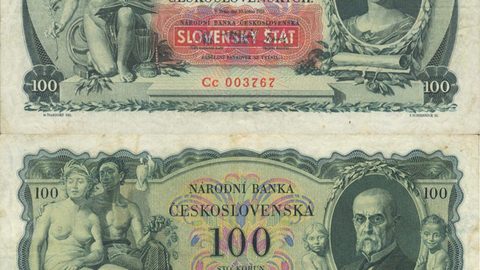 Using Euros and Cards in Slovakia Without Getting Caught Out
Slovakia uses the euro, but rural pensions, mountain huts and small bus desks still expect cash, especially outside Bratislava.
Using Euros and Cards in Slovakia Without Getting Caught Out
Slovakia uses the euro, but rural pensions, mountain huts and small bus desks still expect cash, especially outside Bratislava.
-
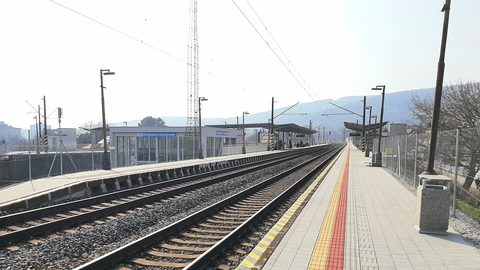 Slovakia Safety Advice Read Without the Usual Overstatement
Slovakia is broadly safe, but mountain weather changes fast and trails above 1,500 metres demand more caution than city streets.
Slovakia Safety Advice Read Without the Usual Overstatement
Slovakia is broadly safe, but mountain weather changes fast and trails above 1,500 metres demand more caution than city streets.
-
 A Ground-Level Logistics Guide to Independent Travel in China
First-time independent travel in China: what you need to know about visas, rail booking, eSIMs, mobile payments, and power adapters.
A Ground-Level Logistics Guide to Independent Travel in China
First-time independent travel in China: what you need to know about visas, rail booking, eSIMs, mobile payments, and power adapters.
-
 How Solo Travelers Stay Ahead of Flight Delays and Cancellations
How solo travelers can track inbound aircraft, claim rebooking rights, and adjust ground transport when flights go wrong — step by step.
How Solo Travelers Stay Ahead of Flight Delays and Cancellations
How solo travelers can track inbound aircraft, claim rebooking rights, and adjust ground transport when flights go wrong — step by step.
-
 Why Your eSIM Might Not Work Abroad and How to Check Before You Go
Buying an eSIM doesn't guarantee signal abroad. Learn why coverage fails by location and how to verify reach before you commit to a plan.
Why Your eSIM Might Not Work Abroad and How to Check Before You Go
Buying an eSIM doesn't guarantee signal abroad. Learn why coverage fails by location and how to verify reach before you commit to a plan.