India Train Travel Guide Without Booking Mistakes
India's railway network is the backbone of getting around, but booking it requires an IRCTC account and the Tatkal quota is a skill. What connects where, and what the map oversells.
What Connects Where in India and What the Map Does Not Tell You
India train travel guide decisions depend on the route, season and traveller's actual requirements.
India train travel guide
India's transport network is a 68,000 km railway skeleton supporting 23 million passengers a day. The map makes every connection look simpler than it is. The railway is the backbone. The IRCTC account is the bottleneck. And a short road trip can cost you four hours that no map shows.
The Railway Backbone and Why You Need an IRCTC Account
Indian Railways runs roughly 7,300 stations across a 1,676 mm broad gauge network that is 95% electrified. Every long-distance journey worth taking runs on it. To book online you need an IRCTC account, and that account requires an Indian mobile number to register. That is the single biggest friction point for foreigners.
Without an Indian SIM, you cannot create the account. Even with a friend's number, the registration portal is slow and rejects non-Indian payment cards on the first attempt. Bring a local SIM from Airtel or Jio, activated with a passport photo and visa copy. Budget 2 to 24 hours for the activation to go through. Without this account you are stuck at the station counter, competing with every other passenger for the same seats.
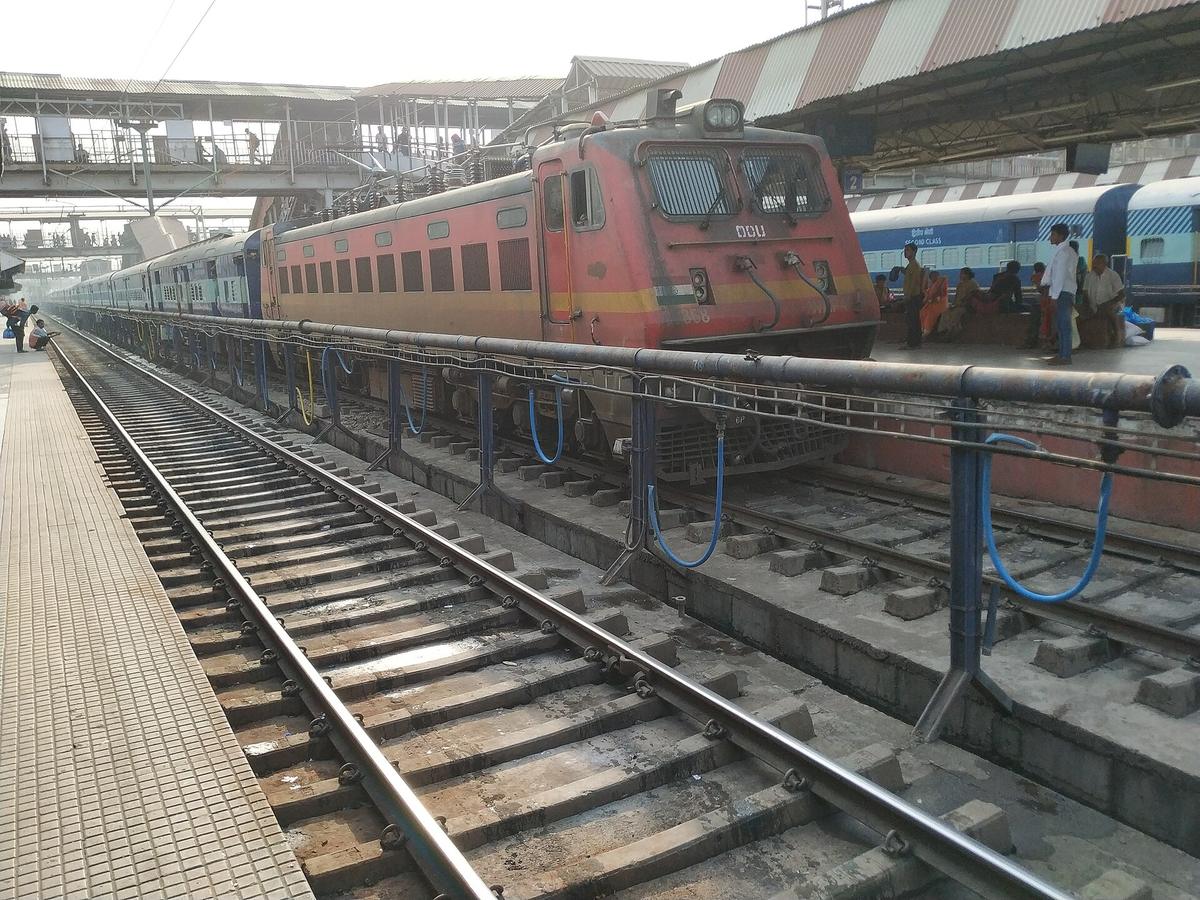

IRCTC Account for Foreigners: How to Register, What Goes Wrong
Registering Without An Indian Card
Register at irctc.co.in with a valid email, an Indian phone number, and your passport details. The site rejects non-Indian payment cards for the registration fee. Use a domestic credit card from someone in India or load a Paytm wallet from a friend. After registration, the ticketing portal works with international Visa and Mastercard for the actual fare. Expect one failed transaction before it accepts.
The Foreign Tourist Quota Counter
The alternative is the station's foreign tourist quota counter, which holds a small allocation of seats on popular trains such as the Shatabdi and Rajdhani express services. That quota is not available online. Arrive at least two hours before departure. The counter is first come, first served and closes when the allocation is gone, often within an hour.
India Tatkal Ticket Booking: How it Really Works
The Tatkal quota is Indian Railways' last-minute booking system, not a secret hack. It releases at 10:00 IST for AC classes and 11:00 IST for non-AC, exactly one day before the train departs. The entire quota sells out in under 15 minutes on most trunk routes: Delhi to Jaipur, Mumbai to Goa, Bengaluru to Chennai. Tatkal tickets carry a surcharge that doubles the base fare. The system is designed for Indian residents who know the process.
Foreigners without an agent fail at the payment step or watch the seats vanish while the OTP arrives three minutes late. The reliable workaround: hire a local travel agent. Search Google Maps for a railway agency near your hotel. They have the account, the mobile number, and the timing discipline. Do not try this on the Indian Railways website from a phone on roaming data. Latency alone will lose you the seat.
India Bus vs Train: Which Mode Wins on Which Route
When The Train Wins
For most routes over 200 km, the train wins on cost, comfort, and schedule reliability. A journey by AC 3 Tier includes a bed, a meal, and a toilet. The same distance by a private bus with semi-sleeper seats costs more, takes an extra 90 minutes, and stops every two hours. State-run buses from corporations such as Rajasthan Roadways or Karnataka State Road Transport Corporation are cheaper but older and slower. Book buses on RedBus or AbhiBus, which list both government and private operators.
When The Bus Wins
Buses beat trains on three specific routes: hill stations with narrow ghat roads such as Munnar and Manali, short hops of under 100 km where the train schedule is inconvenient, and overnight routes where the rail alternative involves a 3am connection. For everything else, choose the train. The exception is the Konkan Railway route between Goa and Mangaluru, where the train is slow but the coastal views justify the extra hour.
India Domestic Flight Alternatives: When to Fly and When to Walk Away
When Flying Makes Sense
India has more than 10 scheduled airlines and roughly 140 domestic airports as of the 2024 count by the Directorate General of Civil Aviation. Flying is the only practical option for distances over 1,000 km if you have under 10 days. The Delhi to Chennai drive takes 34 hours. The flight is 2 hours 30 minutes. Do not fly for shorter routes where a train exists. The security check, the buffer time, and the taxi to an airport 40 km from town eat any time advantage on routes under 600 km.
The Fog Problem
The failure case for flights is fog. From December to January, Delhi's Indira Gandhi International Airport grounds departures for hours when visibility drops. The pollution spike in the Indo-Gangetic plain closes runways unpredictably. If you have a connecting international flight, build a 24-hour buffer. The alternative is AC First Class on the Rajdhani Express, which is heated, on time, and drops you at the city centre.
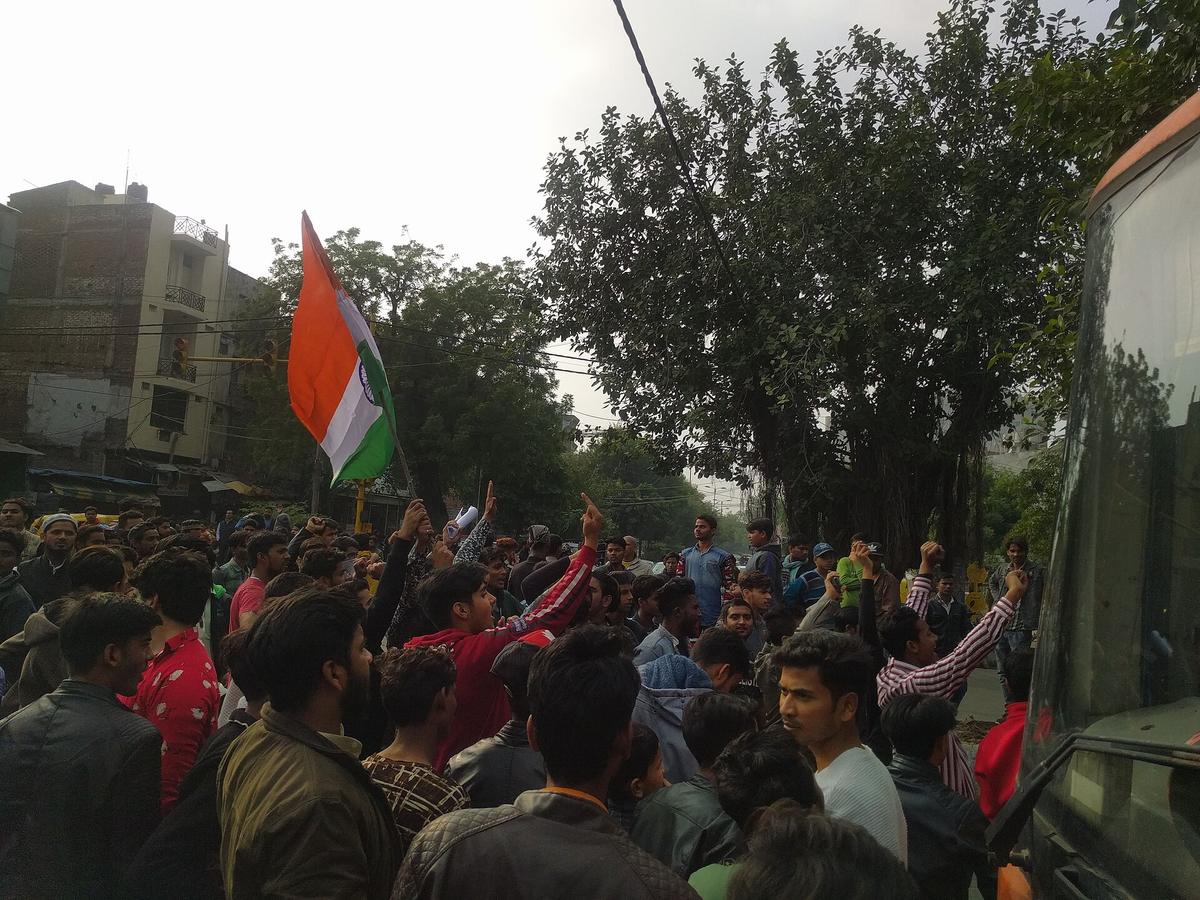

Routes the Map Oversells: Short Distances, Long Hours
The map shows Delhi to Jaipur as 280 km, which looks like a two-hour drive. The actual road journey takes 5 to 7 hours because of the traffic leaving Delhi and the truck congestion on National Highway 48. Mumbai to Pune takes 3 to 4 hours on the expressway, longer if you leave at peak hour. Bengaluru to Mysuru takes 3 to 4 hours because the highway has tollbooths every 30 km and traffic slows through each village.
Kochi to Munnar is 130 km in the hills and takes 4 to 5 hours because the final 40 km is a single-lane road behind buses. Chennai to Puducherry runs 3 to 4 hours on the East Coast Road, which is scenic but has speed breakers every 2 km. Do not plan a day trip to Jaipur from Delhi by road. Take the Gatimaan Express instead, which covers the same 280 km in 90 minutes.
What the Railway Network Does Not Solve
Which Class To Book
Indian Railways runs AC First Class, AC 2 Tier, AC 3 Tier, Sleeper Class, and General compartments. AC 3 Tier is the best value for most travellers: air-conditioned, three-tier berths, meals included on some trains. Sleeper Class is half the price but has no air conditioning and no linen. Do not book Sleeper Class for overnight journeys in the hot season when the plains hit 40°C.
Cash, Help Lines, And The One Rule That Saves You
Cash remains king at railway station counters, chai stalls, and for the auto rickshaw to your hotel. ATMs run out of cash on weekends. Withdraw a full day's cash each morning. The emergency number 112 works across India. The tourist helpline 1363 is multi-lingual and staffed during business hours. Use it if your train is cancelled or you lose your baggage.
The single thing that most often goes wrong is the mismatch between map distance and actual travel time. A 130 km road in the Western Ghats takes 5 hours because of hairpin bends and bus traffic. A 200 km train ride takes 4 hours because of unscheduled halts. Never plan a connection with less than 90 minutes of buffer. If your train arrives at 14:00 and your bus departs at 15:00, you will miss the bus.
Frequently Asked Questions
Can I book Indian train tickets without an Indian phone number?
No. The IRCTC registration process requires an Indian mobile number to receive a one-time password. You cannot bypass this step. Use a friend's number, buy a local SIM at the airport, or pay a travel agent to book on your behalf.
How far in advance should I book train tickets in India?
Book exactly 60 days before departure, when the advance reservation window opens. Popular trains such as the Rajdhani Express and Shatabdi Express sell out on the first day. For Tatkal tickets, book one day before at 10:00 IST via an agent.
Is it cheaper to fly or take the train in India?
The train is cheaper on routes under 1,000 km. AC 3 Tier on a 600 km route costs roughly 1,200 rupees. A domestic flight on the same route costs more plus taxi fares to and from airports outside the city centre.
What happens if my train ticket is waitlisted?
Waitlisted tickets do not guarantee a seat. The ticket confirms only after cancellations move you to the confirmed list. Check your status 4 hours before departure. If still waitlisted, cancel at the station counter for a refund minus a small fee, and book a bus instead.
Read next
-

 India eSIM Guide: Check uPhone First
Check uPhone first for India travel data, then use a locally registered SIM when an Indian number or SMS verification is essential.
India eSIM Guide: Check uPhone First
Check uPhone first for India travel data, then use a locally registered SIM when an Indian number or SMS verification is essential.
-
 Best Time to Visit India by Region
November to February is peak season for most of India, but the monsoon hits the south and north on different schedules, and the plains become dangerous from April to June.
Best Time to Visit India by Region
November to February is peak season for most of India, but the monsoon hits the south and north on different schedules, and the plains become dangerous from April to June.
-
 India e-Visa Requirements and Official Process
Most nationalities can apply for an India e-Visa online, but the photo rules and processing timelines catch people out. Here is who needs one and how it works.
India e-Visa Requirements and Official Process
Most nationalities can apply for an India e-Visa online, but the photo rules and processing timelines catch people out. Here is who needs one and how it works.
-
 Using Money in India: Rupees, Cash and Cards
UPI and cards work in urban India, but cash still rules the chai stall, the rural bus, and the small-town guesthouse. Here is how to manage the Indian rupee.
Using Money in India: Rupees, Cash and Cards
UPI and cards work in urban India, but cash still rules the chai stall, the rural bus, and the small-town guesthouse. Here is how to manage the Indian rupee.
-
 Is India Safe for Tourists?
India safety advice swings between alarm and reassurance. Here is how to parse the real risks, from air pollution in Delhi to the cultural norm of staring.
Is India Safe for Tourists?
India safety advice swings between alarm and reassurance. Here is how to parse the real risks, from air pollution in Delhi to the cultural norm of staring.
-
 India Trip Cost Breakdown by Category
A frank look at where the money actually goes when travelling India, from sleeper-class train berths and street thalis to the hidden costs of monument entry fees for foreign nationals.
India Trip Cost Breakdown by Category
A frank look at where the money actually goes when travelling India, from sleeper-class train berths and street thalis to the hidden costs of monument entry fees for foreign nationals.
-
 How to Budget a Trip Based on Purchasing Power, Not Just Exchange Rates
Exchange rates tell only half the story. See how purchasing power shapes your real travel budget across Southeast Asia, Eastern Europe, and Latin America.
How to Budget a Trip Based on Purchasing Power, Not Just Exchange Rates
Exchange rates tell only half the story. See how purchasing power shapes your real travel budget across Southeast Asia, Eastern Europe, and Latin America.
-
 A Ground-Level Logistics Guide to Independent Travel in China
First-time independent travel in China: what you need to know about visas, rail booking, eSIMs, mobile payments, and power adapters.
A Ground-Level Logistics Guide to Independent Travel in China
First-time independent travel in China: what you need to know about visas, rail booking, eSIMs, mobile payments, and power adapters.
-
 How Solo Travelers Stay Ahead of Flight Delays and Cancellations
How solo travelers can track inbound aircraft, claim rebooking rights, and adjust ground transport when flights go wrong — step by step.
How Solo Travelers Stay Ahead of Flight Delays and Cancellations
How solo travelers can track inbound aircraft, claim rebooking rights, and adjust ground transport when flights go wrong — step by step.