Pakistan, From the Indus Plains to the Karakoram
Pakistan travels as four distinct countries stitched by one visa: the Indus plains, the Hindu Kush, the Baloch desert, and the Karakoram Highway corridor.
- Flag
-

- ISO code
- PK
- Population
- 212,215,030
- Currency
- PKR
- Dial code
- +92
Pakistan, from the Indus Plains to the Karakoram
Pakistan is four distinct countries stitched by one visa, and the first thing to understand is that you cannot treat it as one destination. A guide that does not separate the Indus plains from the Hindu Kush from the Baloch desert from the Karakoram corridor is selling you a fantasy. The logistics are tougher than in India or Iran. Infrastructure is thin outside Punjab. Security checkpoints are real and slow you down. Solo independent travel demands constant recalibration. The reward is raw high-altitude landscapes and a level of hospitality that can feel almost uncomfortable in its generosity. You earn every view with long bone-shaking drives.
- Capital: Islamabad
- Land Area: 796,095 km² (excluding disputed territories); 881,913 km² (including Gilgit-Baltistan and Azad Jammu & Kashmir)
- Population (2023 Census): 241,499,431
- Official Languages: Urdu (national), English (official)
- Currency: Pakistani rupee (PKR)
- Minimum Days Needed: 14 days
- Peak Season (Mountains): May to October
- Peak Season (Plains): November to March
Pakistan Overland Travel: the Four Zones
You navigate Pakistan through its regions, not its cities. Call them zones, each with a distinct season, a different set of problems, and a non-negotiable minimum duration.
The Indus Plains
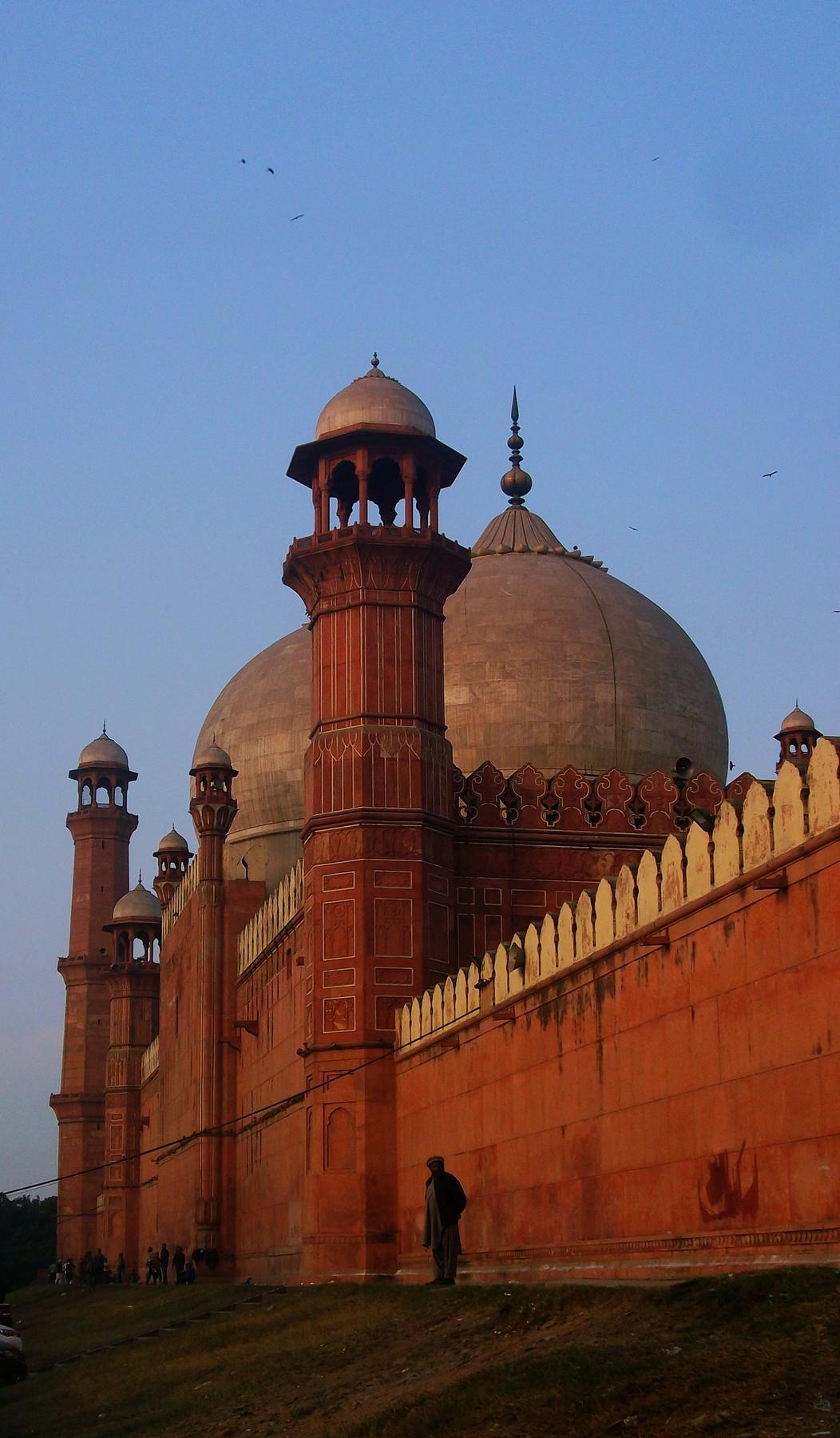
This is Punjab and Sindh. Lahore old city with its Mughal fort and Sufi nights. Karachi with its megacity traffic and armed neighbourhood checkpoints. Multan with blue pottery and furnace heat. You travel here by Daewoo or Faisal Movers bus between cities, then by rickshaw for the last few kilometres. The season runs November to March, when daytime temperatures drop to pleasant and the smog in Lahore has not reached its worst. Avoid August: monsoon humidity and urban flooding make sightseeing miserable. Allow 5 to 7 days for Punjab alone.
The Hindu Kush and Peshawar
Peshawar is the Pashtun heart, Qissa Khwani Bazaar busy with traders, the high security vibe constant. Heading north into Swat, Kaghan, and Chitral valleys, roads close in winter and security-related movement restrictions apply in certain districts. A police escort in parts of Khyber Pakhtunkhwa is non-negotiable. The travel season for the valleys is May to October. Budget 5 to 7 days. If you want Chitral and the Kalash Valleys with their remote pagan festivals, go in summer and confirm the Lowari Tunnel is open.
The Baloch Desert and Makran Coast
Balochistan is vast, sparse, and logistically the hardest zone. The Martian landscape of the Makran Coast, the Chinese-built port at Gwadar, and Derawar Fort in the Cholistan Desert all require a 4x4 and a No Objection Certificate obtained through a registered tour operator. Distances between points of interest are extreme: Quetta to the Iran border at Taftan takes 8 to 10 hours. Travel season for the coast is October to March, for the highlands April to October. A minimum of 7 to 10 days is realistic for a circuit that touches Quetta and the coast.
The Karakoram Corridor
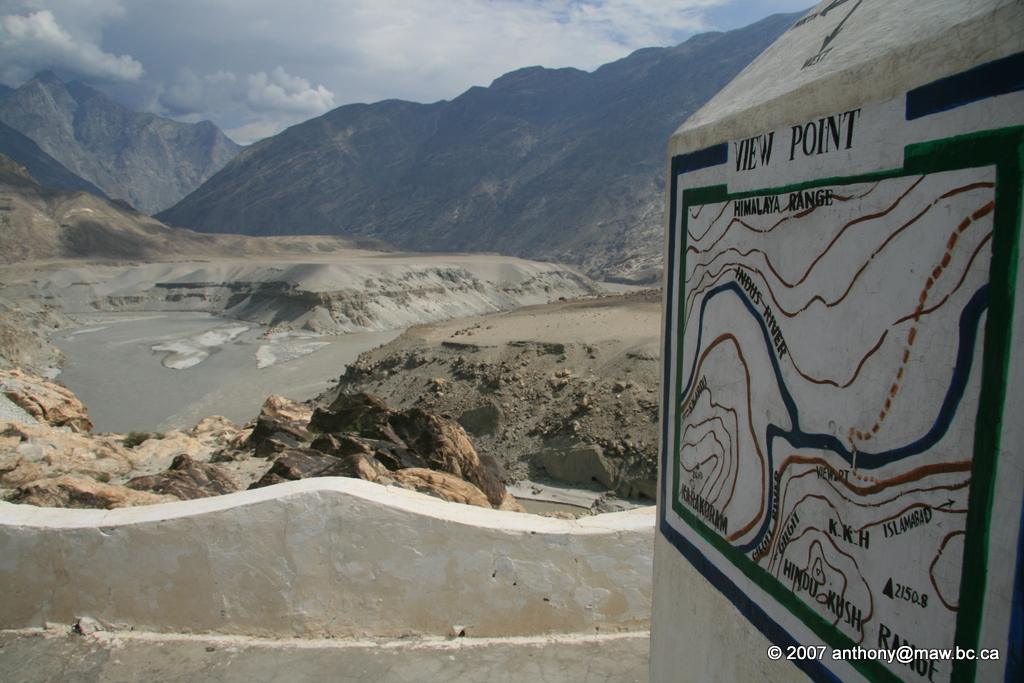
This is the reason most travellers come. The Karakoram Highway from Gilgit to Hunza is one of the highest paved roads on Earth. The corridor runs through Hunza Valley with its 7,000-metre peaks, on to Skardu and Shigar as the launch point for K2, and up to the Khunjerab Pass at 4,693 metres. The season is tight: May to October, when the pass is open and trekking routes are snow free. Mid-December to late February the road closes at Khunjerab and Babusar Top, and Hunza runs on reduced services with frozen pipes. Minimum 10 to 14 days for this zone alone. You get there from the capital by road, 12 to 18 hours depending on checkpoints and landslides, or by a 1-hour domestic flight subject to weather cancellations that happen regularly.
.jpg)
Karakoram Highway Road Trip: What it Actually Takes
A Karakoram Highway road trip is not a weekend drive. The route runs roughly 1,300 kilometres from Hasan Abdal near the capital to Kashgar in China. The Pakistani section from the capital to the Khunjerab Pass is the segment most travellers complete. That stretch looks like 600 kilometres on a map. It takes 14 to 18 hours in a vehicle. The reason is simple: mountain roads average 25 to 30 kilometres per hour, checkpoints add waiting time, and landslides close sections without notice.
You do not drive this yourself unless you have done high-altitude passes before. Hire a private 4x4 with a driver. Arrange it through a guesthouse or tour operator in Gilgit. Shared Toyota Hiace vans run the route daily from the Gilgit bus stand. Payment is cash only, in PKR small denominations. There are no ATMs north of Gilgit. Carry enough cash for your entire mountain leg. Card machines fail with power cuts. WiFi is unreliable above Gilgit. Download offline maps and translation packs before you leave the city.
The best stops along the route: the Passu Cones and the Hussaini suspension bridge, a rickety crossing over the Hunza River. Attabad Lake, a turquoise 2010 landslide lake with boat trips. The restored Baltit and Altit Forts in Karimabad. The Katpana Cold Desert near Skardu is a genuine surprise: sand dunes at high altitude against snow peaks.
| Trek | Duration | Season | Permit Required | Access Point |
|---|---|---|---|---|
| K2 Base Camp (Askole) | 12 to 14 days | June to September | Yes through tour operator | Skardu then jeep to Askole |
| Snow Lake (Biafo Glacier) | 15 to 18 days | June to September | Yes through tour operator | Skardu then jeep to Askole |
| Fairy Meadows and Nanga Parbat Base Camp | 4 to 6 days | June to September | No but NOC needed for foreign nationals | Raikot Bridge jeep track |
| Deosai National Park crossing | 4 to 7 days | July to September | No but park entry fee | Skardu or Astore |
Pakistan First Time Visitor Advice: Do This, Skip That
Do not come here as your first trip to South Asia. Start in India or Sri Lanka. Build tolerance for the chaos. If you arrive without that baseline, the friction will outweigh the reward. The NOC requirements for travel outside Punjab and Sindh, the cash economy, the police escorts in parts of Khyber Pakhtunkhwa and Balochistan, and the dual photo pricing at monuments where foreigners pay many times the local ticket price are not bugs. They are features of the system. Accept them or change your itinerary.
If you have 14 days minimum, here is a workable outline. Spend the first 3 days in Lahore. See the Lahore Fort and Badshahi Mosque. Arrive at the Wagah Border ceremony 90 minutes early to get a seat. Eat nihari at dawn and fried fish standing on a winter street in Heera Mandi. Fly or drive to the capital. Use a full day for Taxila: the Gandharan Buddhist stupas are 30 minutes from the city and the local museum holds genuinely good pieces. Take the morning flight to Gilgit and the jeep transfer to Karimabad. Three days in Hunza for the forts, the Passu views, and a walk across the Hussaini bridge. If you have time and fitness, extend toward Skardu and the Shigar Valley. Do not try to add Karachi. A common mistake is underestimating distances: the capital to Hunza looks like 600 kilometres on a map but takes 14 to 18 hours. Cramming Lahore, the capital, and the north into 10 days means spending the entire trip in a vehicle.
Solo female travellers should not expect an easy trip. It is possible. It requires constant vigilance, full covering of shoulders and knees, a headscarf in mosques and rural areas, and acceptance that you will be stared at. If you want reliable schedules, nightlife, or alcohol with dinner, this is the wrong country.
Getting In and Around
Fly into Islamabad (ISB), Lahore (LHE), or Karachi (KHI). From ISB, a Careem or Uber to the centre costs PKR 1,500 to 2,500 and takes 30 to 45 minutes. There is no train link. From LHE, a rickshaw to the old city costs PKR 800 to 1,200 for 25 minutes. From KHI, a Careem to Clifton or Saddar costs PKR 1,200 to 2,000 for 30 to 60 minutes. Buy a local SIM at the airport. Jazz and Zong have the best northern coverage. Biometric verification is mandatory and takes about 15 minutes. Install a VPN before arrival because WhatsApp voice calls are intermittently blocked or throttled on mobile data. Google Maps shows roads that are washed out, military restricted, or seasonally impassable. Confirm every route with a local driver that day.
For long-distance buses, Daewoo Express and Faisal Movers connect Punjab and Sindh cities reliably. For the north, shared Toyota Hiace vans and hired private 4x4s with drivers are the default. Pakistan Railways operates roughly 7,791 kilometres of track, with key routes including the Karachi, Lahore, Rawalpindi, Peshawar line. The train is slower than the bus but more comfortable for overnight journeys if you book air-conditioned sleeper class.
What Not to Do
Do not visit the mountains between mid-December and late February. The road closes at the Khunjerab Pass. Hunza runs on reduced services with frozen pipes. Do not travel during Eid ul Fitr or Eid ul Adha unless you booked months ahead. Intercity transport sells out, prices spike, and offices shut for 3 to 5 days. Avoid Muharram, especially Ashura in Lahore and Karachi. Processions can turn volatile and movement is restricted. Do not try for a beach holiday. The Arabian Sea coast at Gwadar and the Makran Coastal Highway is underdeveloped and culturally conservative. Swimwear in public is not appropriate. Do not expect to use credit cards anywhere outside mid-range urban hotels and restaurants. Cash is king, and ATMs are scarce north of Gilgit and in rural Sindh.

Pakistan Mountain Trekking Without a Tour Operator
You can trek independently in some lower valleys, but the major objectives require a permit issued through a registered tour operator. The K2 Base Camp trek from Askole is a 12 to 14 day commitment with a permit that no individual can obtain alone. Snow Lake on the Biafo Glacier demands 15 to 18 days and the same permit system. Fairy Meadows and the Nanga Parbat Base Camp are the exception: a 4 to 6 day trek you can arrange yourself from Raikot Bridge, but you still need a 4x4 to get to the trailhead and an NOC if you are a foreign national entering certain checkpoints. Deosai National Park, the rolling plateau where brown bears roam, is open July to September only. You access it from Skardu or Astore and pay a park entry fee. No permit is needed, but the weather can close the track in hours.
The rule is simple: if the trek is on the map of every international trekker, use a tour operator. If it is a day walk from a town, go alone. The treks that fall in between do not exist in Pakistan. The distances are too long, the support infrastructure is too thin, and the security protocols for foreigners are too specific to improvise.
What Pakistan is Actually Like as a Travel Destination
Pakistan is raw. The landscapes are serious. The Karakoram Highway runs through valleys where the peaks rise 7,000 metres straight up. The roads are unpainted and often cracked. The guesthouses are basic. The hospitality is overwhelming, sometimes to the point of discomfort. Shopkeepers in Hunza refuse payment for tea. Strangers offer you a bed in their village. This generosity is genuine and it is also a cultural code you accept without exploiting.
Who is this destination for? Overlanding motorcyclists and self-drivers tackling the high mountain road. High-altitude trekkers and mountaineers targeting K2 base camp or Snow Lake. Cultural travellers diving deep into Sufi shrines, Mughal architecture, and Indus Valley civilisation at Mohenjo Daro. Adventure cyclists wanting multi-week Himalayan epics. Second-time South Asia visitors bored of the standard banana pancake trail.
Who should not come? First-time South Asia travellers who have not yet built tolerance for chaos. Beach holiday seekers: the Arabian Sea coast is culturally conservative and underdeveloped for swimwear. Solo female travellers who want an easy trip. Anyone who needs reliable schedules, nightlife, or alcohol with dinner. The risk of frustration is genuine. The country does not adapt to you. You adapt to it. That is the entire point.
Common Questions
Do I need a visa to travel to Pakistan?
Nationals of 192 countries require a visa or electronic authorisation before travel. An electronic visa is available for nationals of roughly 191 countries via the Pakistan Online Visa System at visa.nadra.gov.pk. Visa on arrival is available to nationals of around 50 countries if they hold a valid Electronic Travel Authorisation or meet specific conditions. Visa-free entry applies to nationals of Maldives up to 90 days, Nepal with a valid passport or national ID, and holders of a Pakistan Origin Card or National Identity Card for Overseas Pakistanis. Passport validity at entry must be at least 6 months beyond your intended stay.
Do I need a No Objection Certificate (NOC) to travel in Pakistan?
Yes, for travel to many areas outside Punjab and Sindh. Foreigners need an NOC to visit parts of Gilgit-Baltistan, Azad Kashmir, and all of Balochistan. You obtain it through a registered tour operator, not at the border. In parts of Khyber Pakhtunkhwa and Balochistan, police may also insist on accompanying you. This is non-negotiable and can slow travel.
What is the best time to visit the mountains?
May to October. The Karakoram Highway, Hunza, and trekking routes are snow free and the Khunjerab Pass is open. The Khunjerab Pass section closes roughly November to April due to snow. Mid-December to late February the road closes at the Khunjerab Pass and Babusar Top, and Hunza runs on reduced services with frozen pipes.
How much cash do I need to carry for a mountain trip?
Enough for your entire mountain leg. ATMs are scarce north of Gilgit and in rural Sindh. Carry PKR in small denominations. Card machines fail with power cuts. Payment for transport and accommodation is cash only on the Karakoram Highway and in Hunza, Skardu, and Chitral.
Is Pakistan safe for solo female travellers?
It is possible but requires constant vigilance. Cover shoulders and knees in public. Wear a headscarf in mosques and some rural areas. Expect to be stared at. The underdeveloped nature of the coastal areas and the cultural conservatism mean beach holidays in swimwear are not an option. If you want an easy trip, start elsewhere.
How do I get from Islamabad to Hunza?
By road 12 to 18 hours depending on checkpoints, road conditions, and security convoys. Shared Toyota Hiace vans and hired private 4x4s with drivers are the default. A domestic flight from the capital to Gilgit takes roughly 1 hour but is subject to weather cancellations that happen regularly, especially in the shoulder seasons. Book a flight early in the day.
What are the emergency numbers?
Police 15. Ambulance 1122. Fire 16. The international dialling code is +92. Emergency services outside major cities may have longer response times, especially in the northern valleys and Balochistan.
Read next
-
 Staying Connected in Pakistan, eSIM, Local SIM, and Northern Dead Zones
Mobile internet in Pakistan works well in cities, frays north of Gilgit, and dies above Karimabad—here is how to plan connectivity around the Karakoram's dead zones.
Staying Connected in Pakistan, eSIM, Local SIM, and Northern Dead Zones
Mobile internet in Pakistan works well in cities, frays north of Gilgit, and dies above Karimabad—here is how to plan connectivity around the Karakoram's dead zones.
-
 Best Time to Visit Pakistan, Two Countries, Two Completely Different Seasons
Pakistan has two opposite travel windows: May to October for the mountains, November to March for the plains.
Best Time to Visit Pakistan, Two Countries, Two Completely Different Seasons
Pakistan has two opposite travel windows: May to October for the mountains, November to March for the plains.
-
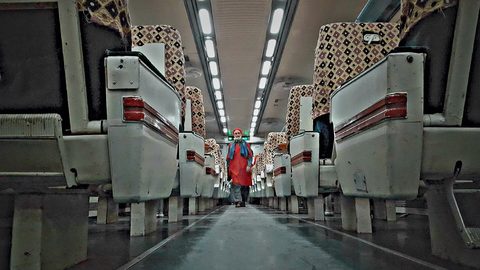 Getting Around Pakistan, Buses, Shared Vans and the Roads Google Maps Lies About
Long-distance buses connect Punjab and Sindh reliably. For the north, shared Toyota Hiace vans and hired 4x4s are the default.
Getting Around Pakistan, Buses, Shared Vans and the Roads Google Maps Lies About
Long-distance buses connect Punjab and Sindh reliably. For the north, shared Toyota Hiace vans and hired 4x4s are the default.
-
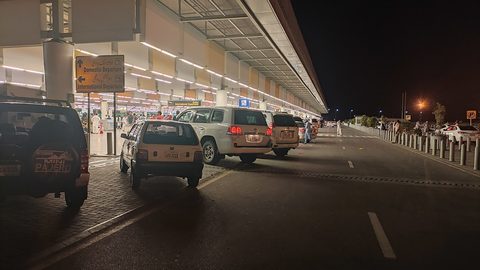 Pakistan Visa Requirements and the NOC System Explained
A Pakistan visa does not grant unrestricted access. No-Objection Certificates control movement in Gilgit-Baltistan, Azad Kashmir, and Balochistan.
Pakistan Visa Requirements and the NOC System Explained
A Pakistan visa does not grant unrestricted access. No-Objection Certificates control movement in Gilgit-Baltistan, Azad Kashmir, and Balochistan.
-
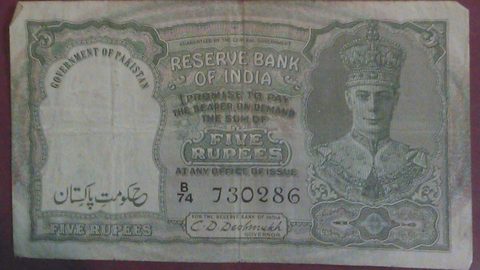 Cash, Cards and the Pakistani Rupee, How to Pay Across Pakistan
Pakistan is a cash economy. ATMs are scarce north of Gilgit, card machines fail with power cuts, and no transport network accepts cards.
Cash, Cards and the Pakistani Rupee, How to Pay Across Pakistan
Pakistan is a cash economy. ATMs are scarce north of Gilgit, card machines fail with power cuts, and no transport network accepts cards.
-
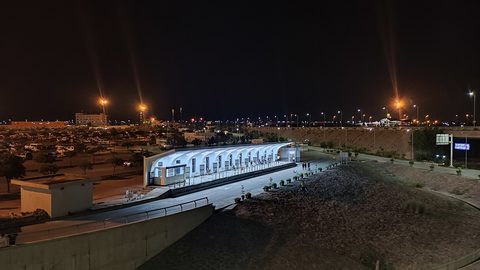 Pakistan Safety Advice, Reading the Warnings Without Being Misled by Them
Security checkpoints and police escorts are real in parts of Pakistan, but the Karakoram Highway corridor operates under a different reality.
Pakistan Safety Advice, Reading the Warnings Without Being Misled by Them
Security checkpoints and police escorts are real in parts of Pakistan, but the Karakoram Highway corridor operates under a different reality.
-
 A Ground-Level Logistics Guide to Independent Travel in China
First-time independent travel in China: what you need to know about visas, rail booking, eSIMs, mobile payments, and power adapters.
A Ground-Level Logistics Guide to Independent Travel in China
First-time independent travel in China: what you need to know about visas, rail booking, eSIMs, mobile payments, and power adapters.
-
 How Solo Travelers Stay Ahead of Flight Delays and Cancellations
How solo travelers can track inbound aircraft, claim rebooking rights, and adjust ground transport when flights go wrong — step by step.
How Solo Travelers Stay Ahead of Flight Delays and Cancellations
How solo travelers can track inbound aircraft, claim rebooking rights, and adjust ground transport when flights go wrong — step by step.
-
 Why Your eSIM Might Not Work Abroad and How to Check Before You Go
Buying an eSIM doesn't guarantee signal abroad. Learn why coverage fails by location and how to verify reach before you commit to a plan.
Why Your eSIM Might Not Work Abroad and How to Check Before You Go
Buying an eSIM doesn't guarantee signal abroad. Learn why coverage fails by location and how to verify reach before you commit to a plan.