Canada Is Not a Country You Can See in One Trip
Canada is the second-largest country on earth, and its vastness punishes anyone who mistakes it for a quick trip between iconic sights.
- Flag
-
- ISO code
- CA
- Population
- 37,058,856
- Currency
- CAD
- Dial code
- +1
This is Not a Weekend Destination
Canada covers 9,984,670 km² and is the second largest country on earth. Roughly 75% of its 40.7 million people live within 160 km of the US border. The rest is a wilderness of empty highways, long horizons, and 202,080 km of coastline the longest of any nation. A Canada travel guide that does not start with the scale problem is a guide that will send you home broke and exhausted. You cannot see both coasts in one trip. Visitors who try burn half their vacation on internal flights and airport transfers, not on the thing they came for. The practical question is not what you want to see. It is which region you are willing to miss.
- Total Area: 9,984,670 km²
- Land Area: 9,093,507 km²
- Population (2024 estimate): 40,769,890
- Population Density: 4.2 persons per km²
- Provinces / Territories: 10 provinces, 3 territories
- Capital City: Ottawa, Ontario
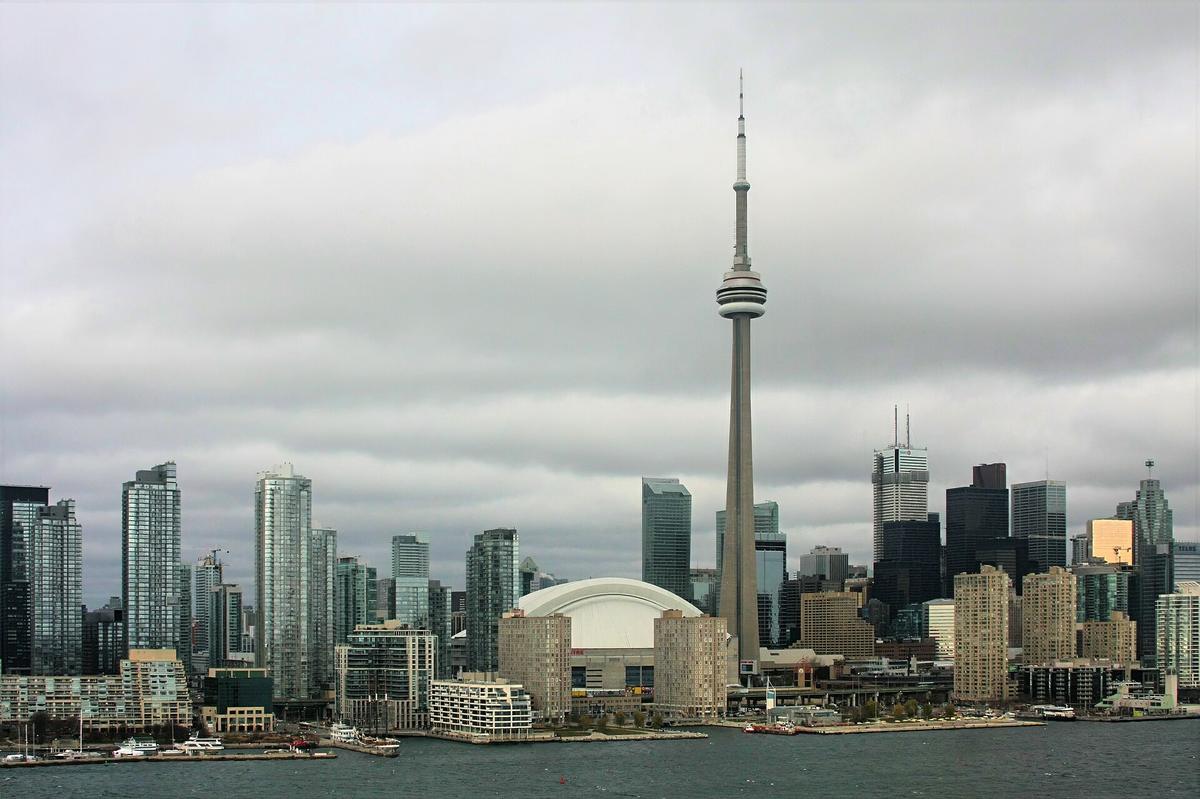
- Largest City: Toronto, Ontario
- Official Languages: English and French at federal level
- Time Zones: 6 (UTC−8 to UTC−3:30)
- Minimum Days For A Real Trip: 14 days
- Peak Season: June to September
- Avoid For Non Skiers: Late November to early April
- Driving Side: Right
- Emergency Number: 911
- Currency: Canadian dollar (CAD)
- Minimum Legal Drinking Age: 18 in Alberta, Manitoba and Quebec; 19 elsewhere
Who Should Go and Who Should Stay Home
Canada rewards road trippers who love long haul driving through epic scenery. It rewards wildlife and wilderness enthusiasts willing to rough it, winter sports addicts seeking world class powder and ice, and second time North America visitors looking for a safe, English speaking adventure with a different cultural texture.
Canada is not for travellers on a tight budget. Domestic plane tickets, trains, and mid range hotels are shockingly expensive. It is not for anyone seeking a quick, highlights only trip; you cannot do Canada in a week. If your ideal vacation involves sleeping until noon and then choosing between a rooftop bar and a club, Canada will frustrate you.
,_Lake_Minnewanka_--_2022_--_2274.jpg)
The Eight Districts and the Rule You Must Follow
Canada is not a single destination. It is a collection of distinct regions separated by punishing distances. The polite national stereotype masks a fierce regional pride. Advice from a Vancouverite is useless in St. John's. The country breaks into eight districts, and the editorial rule is simple: pick one or two. Do not attempt a highlights reel.
The Maritimes and Quebec
The Maritimes offer foggy fishing villages and dramatic tidal coastlines. Quebec is a distinct French speaking nation with old world cities.
Ontario, the Prairies and the Rockies
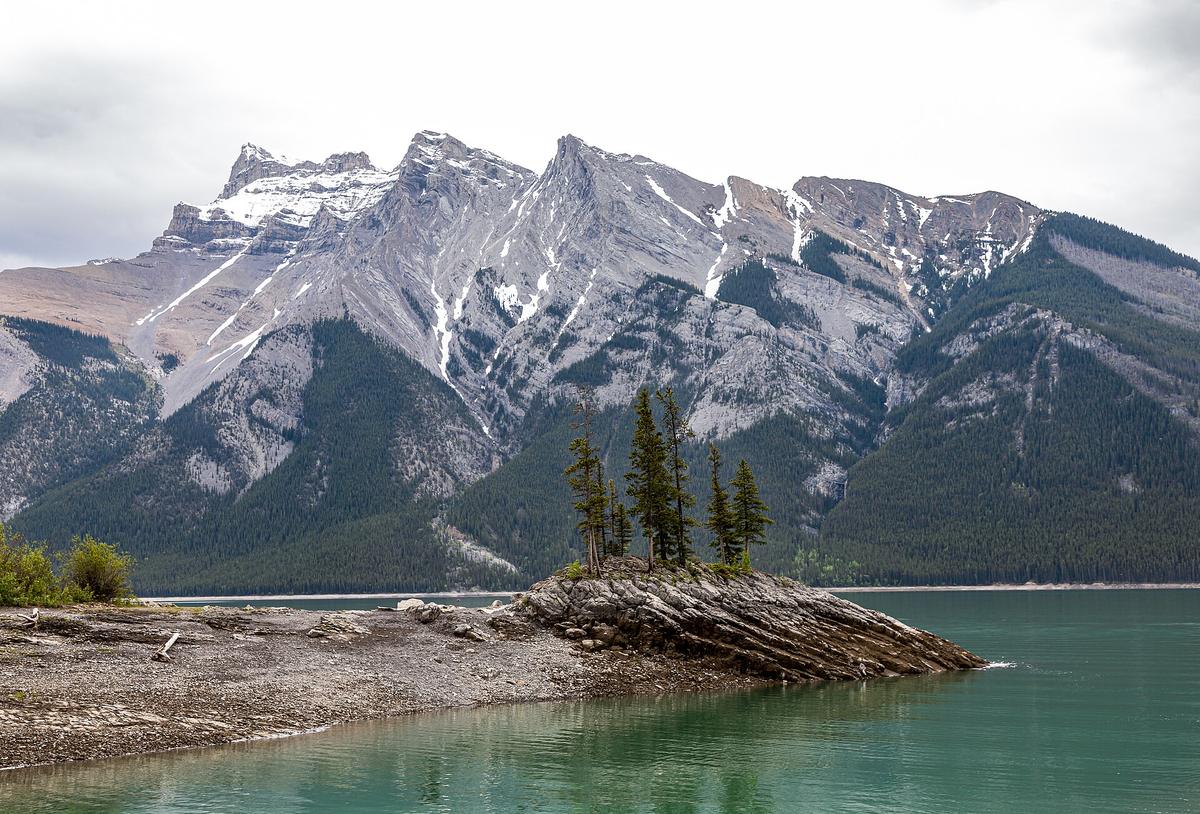
Ontario holds the urban core, cottage country, and massive lakes. The Prairies stretch into endless wheat fields and big sky sunsets. The Rockies deliver towering peaks, turquoise lakes, and tourist crowds.
The North and the West Coast
Northern Canada is vast, roadless tundra accessible only by air. Vancouver Island has temperate rainforest and laid back surf culture. The Okanagan offers sun drenched vineyards and orchard lined valleys.
Choose one of these as your base. Add a second if you have at least 14 days. Everything else waits for another trip.
Getting There and Getting Around
Arrival Airports And Costs
Toronto Pearson (YYZ) connects to downtown via the UP Express train, 25 minutes. Vancouver (YVR) uses the Canada Line SkyTrain, 25 minutes. Montréal Trudeau (YUL) uses the 747 Express Bus, 45 to 70 minutes. Calgary (YYC) has no train; a taxi or ride share covers the 20 minute ride. Check each airport's website for current fares before you land.
Why You Fly, Not Drive
Canada lacks high speed rail. VIA Rail is a scenic, slow, and expensive alternative, not a practical transit solution. The single thing that trips up visitors is assuming they can drive between Toronto and Vancouver in a few days. The non stop drive is 40+ hours of pure highway, often through featureless terrain. Toronto to Vancouver is approximately 4,400 km by road, roughly equivalent to London to Baghdad. The Trans Canada Highway runs about 7,821 km end to end. A cross country road trip one way takes 7 to 10 days driving 8 hours per day without significant stops. Book internal plane tickets. Air Canada has the most extensive network. Flair Airlines and Lynx Air operate as low cost carriers.
The Ferry Problem
If your trip includes islands or Atlantic Canada, factor in ferry services. Marine Atlantic connects Nova Scotia to Newfoundland. BC Ferries serves the British Columbia coast and islands. These are not optional extras; they are the only way to reach certain regions.
| Region | Minimum Days | Best For |
|---|---|---|
| Atlantic Canada (4 provinces) | 10 to 14 days | Fishing villages, seafood, tides |
| Quebec and Ontario corridor | 7 to 10 days | Historic cities, culture, waterfalls |
| Prairie provinces | 7 to 10 days | Open landscapes, big sky |
| British Columbia and the Rockies | 10 to 14 days | Mountains, coast, wine |
| The three territories | 14 to 21 days | Remote wilderness, northern lights |
| Two regions combined | 14+ days | Realistic first trip |
The Logistics That Will Trip You Up
Phones, Maps and Connectivity
Cross country mobile plans are a patchwork. A SIM bought in Toronto may hit roaming charges in Manitoba. Public WiFi is scarce outside coffee chains. For wilderness travel, a Garmin inReach satellite communicator is essential; cellular dead zones begin 15 minutes outside any city. Download offline maps for entire provinces before leaving.
Ground Transport and Park Access
Inter city bus services collapsed after Greyhound Canada shut down in 2021. Ground options are limited outside the Quebec City Windsor Corridor. National Parks require advance vehicle passes and shuttle reservations for hotspots like Lake Louise and Moraine Lake. Parking at Lake Louise fills by 7am. Reserve everything before you arrive.
Tipping culture is inescapable and high. 18 to 20% is the expected minimum on restaurant bills, not a reward for exceptional service. Budget for it.
Emergency roadside assistance is limited or non existent on many northern highways and remote routes. Satellite communication is not optional; it is part of your gear list.

What to Eat and What it Costs
The Regional Plate
Canadian food is regional and specific. Poutine fries, cheese curds, and brown gravy is best at a roadside casse croûte in Quebec. Butter tarts are a sticky, flaky pastry shell and a rural Ontario specialty. The Nova Scotia lobster roll is cold, mayo dressed, served on a toasted split top bun. Montreal style bagels from St Viateur or Fairmount are wood fired, sweeter and denser than New York's. Alberta beef means grass fed bison or AAA steak, best on a ranch grill. The Nanaimo bar is a no bake layered dessert bar from Vancouver Island. The Caesar cocktail a Bloody Mary made with Clamato juice was invented in Calgary.
What You Will Pay
Domestic plane tickets within Canada are priced comparably to international bookings due to distances, taxes, and limited competition. Alcohol is sold through a mix of government run monopoly stores and private licensed retailers, depending on the province. The minimum legal drinking age is 18 in Alberta, Manitoba, and Quebec; 19 everywhere else. Legal cannabis purchase age matches the provincial drinking age.
Sales tax is a two layer system. Federal Goods and Services Tax (GST) of 5% applies in all provinces. Provinces may add Provincial Sales Tax (PST) or use a combined Harmonized Sales Tax (HST). Rates vary. A restaurant meal listed at one price will land higher at the register; check the provincial rate before you order.
When to Go and When to Stay Home
Summer: The Prime Window
Peak season runs June to September. This window offers warm weather hiking, festival season, and guaranteed access to mountain parks without snow closures. July and August see peak pricing and sold out accommodations. The Montreal International Jazz Festival runs late June to early July. The Toronto International Film Festival opens in early September.
Winter: Skiers Only
For non skiers, avoid late November to early April. Many rural attractions close and daylight is minimal. Winter temperatures in the Prairies reach −30°C to −40°C with wind chill; exposed skin can freeze in minutes. The Icefields Parkway may require tire chains from October through April. Many seasonal accommodations and attractions in national parks close from mid October to mid May.
If you do come in winter and you are not here to ski, target the Quebec Winter Carnival (late January to mid February) or ice skating on the Rideau Canal Skateway in Ottawa, open January through early March dependent on ice thickness. The northern lights are visible from late August through April, most reliably in Yukon, Northwest Territories, and Nunavut.
Avoid the first Monday in August (Civic Holiday) and Labour Day weekend for inflated hotel rates and traffic. Stampede week in Calgary, 10 days in July, makes the city unaffordable and chaotic for anyone not attending the rodeo.
Common Questions
How do I plan a trip to Canada for the first time?
Start by picking one or two of the eight regions. Book your plane tickets to the nearest major airport. Reserve national park vehicle passes and shuttle spots for Lake Louise and Moraine Lake in advance. Plan for at least 14 days if you want two regions. Budget more than you think you need; domestic plane tickets, accommodation, and meals are expensive. Download offline maps for the entire area you will cover. Buy a satellite communicator if you leave cities.
What do I need to know about visiting Canada for the first time?
The country is huge and you cannot see it quickly. Population hugs the US border. Distances between regions are punishing. The stereotype of Canadian politeness hides strong regional identity; do not assume Vancouver advice applies in Newfoundland. Winter is aggressively cold in most of the country. Domestic plane tickets cost as much as international ones. Tipping is mandatory at 18 to 20 percent. Your phone will lose signal 15 minutes outside any city.
What is the best Canada vacation advice?
Pick one region. Accept that you will miss the rest. Drive if you have time; fly if you do not. Arrive at Lake Louise before 7am or skip it. Book everything, including shuttle passes for Moraine Lake. Budget 18 to 20 percent tips into every restaurant meal. Buy travel insurance that covers medical evacuation. Do not attempt to see both coasts in one trip.
How big is Canada really?
9,984,670 km². The province of Ontario alone is larger than France and Spain combined. Toronto to Vancouver by road is 4,400 km, roughly equivalent to London to Baghdad. The Trans Canada Highway runs about 7,821 km. A non stop drive from coast to coast takes 40+ hours of pure highway. The coastline is 202,080 km, the longest of any country.
What is the minimum time for a meaningful trip?
14 days minimum to cover two distinct regions without spending the entire trip in transit. For Atlantic Canada alone, budget 10 to 14 days. For British Columbia and the Rockies, budget 10 to 14 days. For the three territories, budget 14 to 21 days. Anything less than a week is not worth the flight.
How much does a trip to Canada cost?
Domestic plane tickets are comparable to international bookings. Mid range hotels are shockingly expensive. National park vehicle passes are required. Shuttle reservations for Lake Louise and Moraine Lake cost extra. The CN Tower EdgeWalk requires advance booking. Tipping adds 18 to 20 percent to every restaurant meal. Sales tax adds 5 percent GST plus provincial PST or HST. A 14 day trip for two will cost more than a comparable trip to Europe.
What common mistakes do first time visitors make?
Underestimating the geographic scale. Trying to visit both the East and West coasts in a single 10 day trip burns at least four full days on internal plane tickets and airport transfers. Assuming you can drive between Toronto and Vancouver in a few days. Not booking national park passes in advance. Thinking your mobile plan works everywhere. Forgetting that Greyhound Canada shut down in 2021 and inter city bus service is limited outside the Quebec City Windsor Corridor.
Read next
-
 Staying Connected Across Canada Without Roaming Surprises
A mobile plan bought from Rogers in Toronto can trigger roaming charges the moment you cross into Manitoba. That is not a glitch. That is Canada.
Staying Connected Across Canada Without Roaming Surprises
A mobile plan bought from Rogers in Toronto can trigger roaming charges the moment you cross into Manitoba. That is not a glitch. That is Canada.
-
 When to Visit Canada and What Each Season Actually Delivers
Canada's reliable travel window runs June to September. Outside that, rural attractions close, daylight vanishes, and winter is aggressively extreme.
When to Visit Canada and What Each Season Actually Delivers
Canada's reliable travel window runs June to September. Outside that, rural attractions close, daylight vanishes, and winter is aggressively extreme.
-
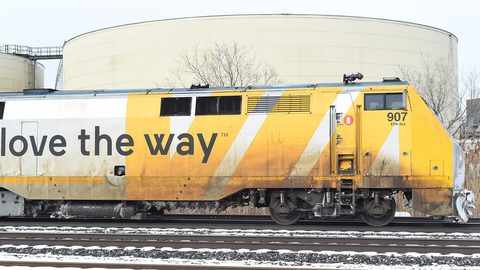 Getting Around Canada When the Map Lies About Distance
Canada lacks high-speed rail, Greyhound shut down, and the drive between Toronto and Vancouver is 40 hours of highway. Here is what actually connects the country.
Getting Around Canada When the Map Lies About Distance
Canada lacks high-speed rail, Greyhound shut down, and the drive between Toronto and Vancouver is 40 hours of highway. Here is what actually connects the country.
-
 Who Needs a Visa for Canada and How the Application Actually Works
Whether you need a Canadian visa or an eTA depends on your passport, and the application process runs on its own timeline.
Who Needs a Visa for Canada and How the Application Actually Works
Whether you need a Canadian visa or an eTA depends on your passport, and the application process runs on its own timeline.
-
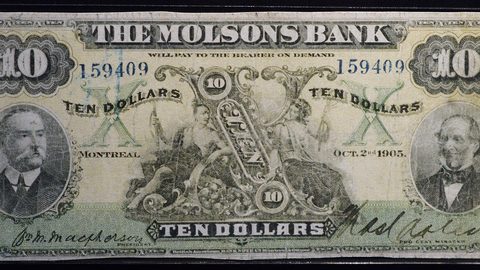 Paying for Things in Canada Without Getting Burned by Fees
Canada runs on contactless cards and polymer banknotes, but the tipping culture and sales tax added at the till catch visitors off guard.
Paying for Things in Canada Without Getting Burned by Fees
Canada runs on contactless cards and polymer banknotes, but the tipping culture and sales tax added at the till catch visitors off guard.
-
 Canada Safety Advice That Does Not Treat You Like a Child
Canada is a safe country by global standards, but the real risks are geographic: dead zones, winter roads, and wilderness that does not care about your itinerary.
Canada Safety Advice That Does Not Treat You Like a Child
Canada is a safe country by global standards, but the real risks are geographic: dead zones, winter roads, and wilderness that does not care about your itinerary.
-
 A Ground-Level Logistics Guide to Independent Travel in China
First-time independent travel in China: what you need to know about visas, rail booking, eSIMs, mobile payments, and power adapters.
A Ground-Level Logistics Guide to Independent Travel in China
First-time independent travel in China: what you need to know about visas, rail booking, eSIMs, mobile payments, and power adapters.
-
 How Solo Travelers Stay Ahead of Flight Delays and Cancellations
How solo travelers can track inbound aircraft, claim rebooking rights, and adjust ground transport when flights go wrong — step by step.
How Solo Travelers Stay Ahead of Flight Delays and Cancellations
How solo travelers can track inbound aircraft, claim rebooking rights, and adjust ground transport when flights go wrong — step by step.
-
 Why Your eSIM Might Not Work Abroad and How to Check Before You Go
Buying an eSIM doesn't guarantee signal abroad. Learn why coverage fails by location and how to verify reach before you commit to a plan.
Why Your eSIM Might Not Work Abroad and How to Check Before You Go
Buying an eSIM doesn't guarantee signal abroad. Learn why coverage fails by location and how to verify reach before you commit to a plan.